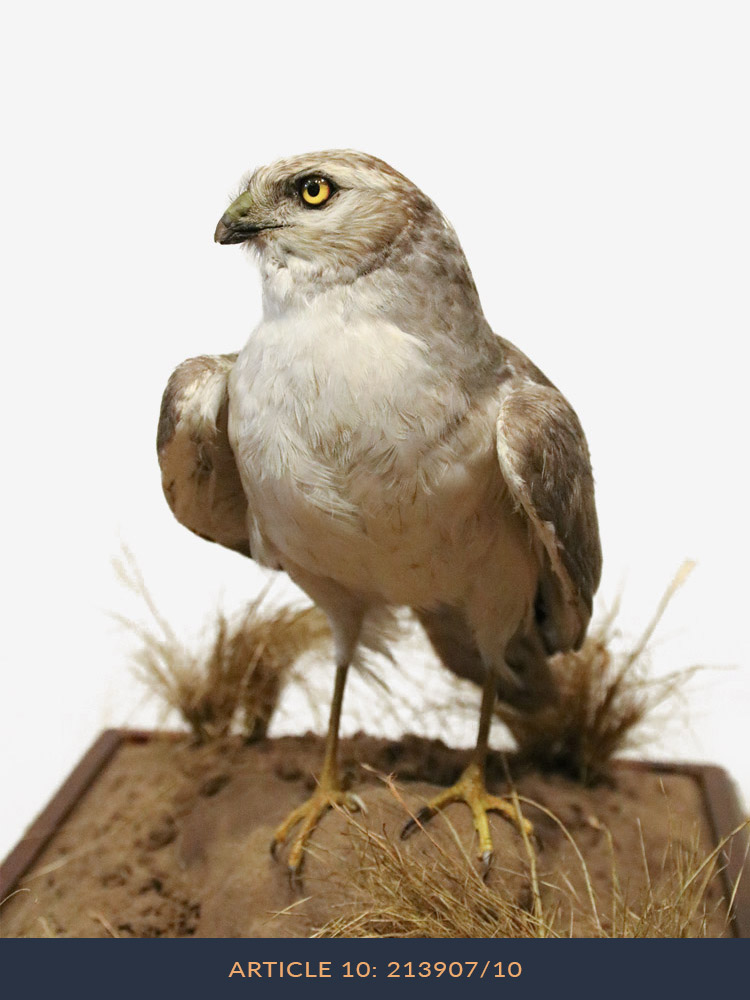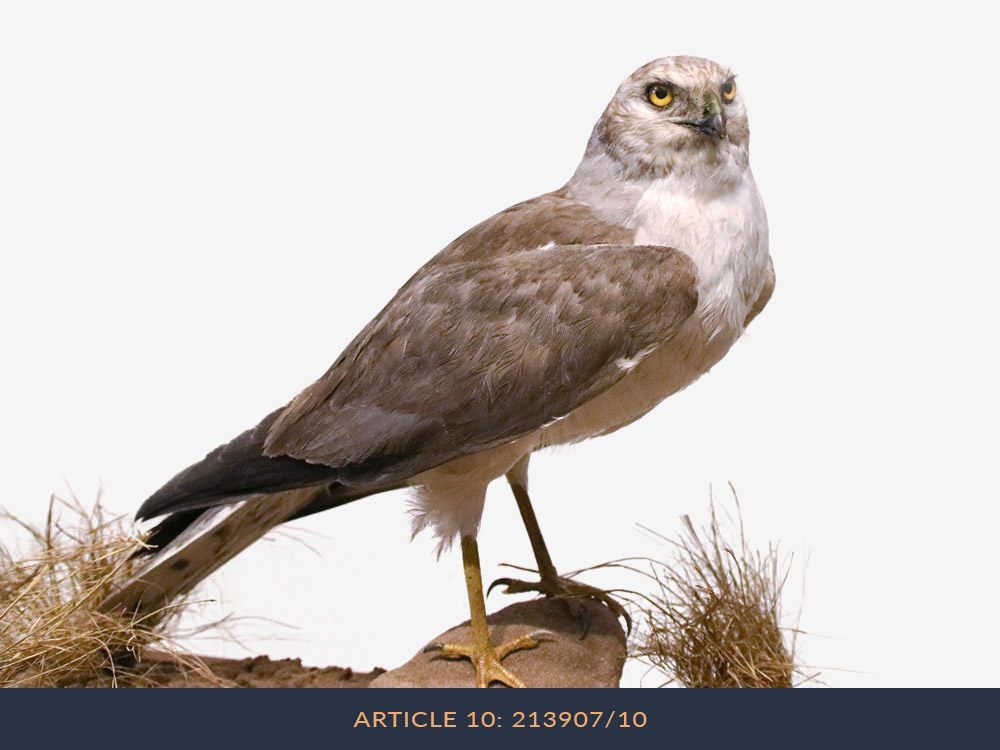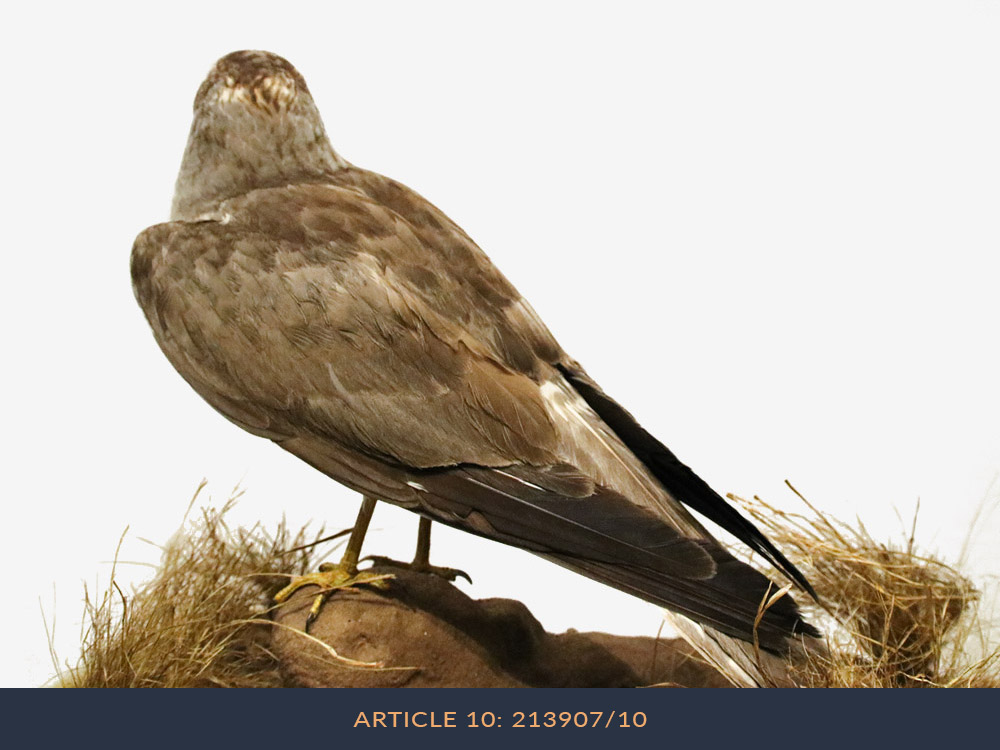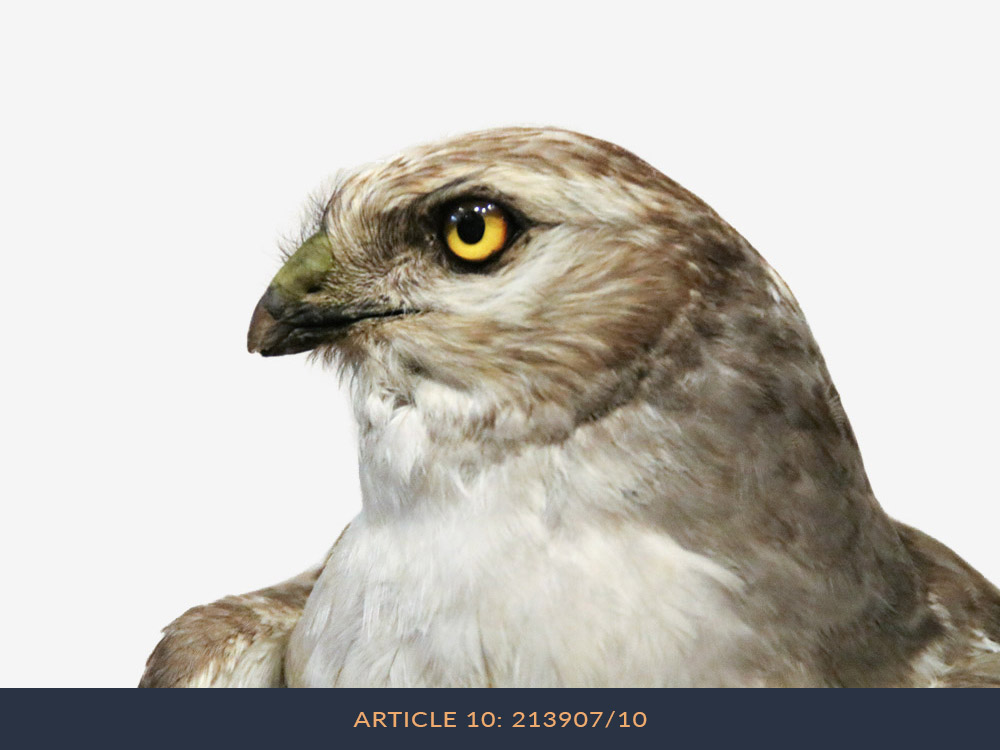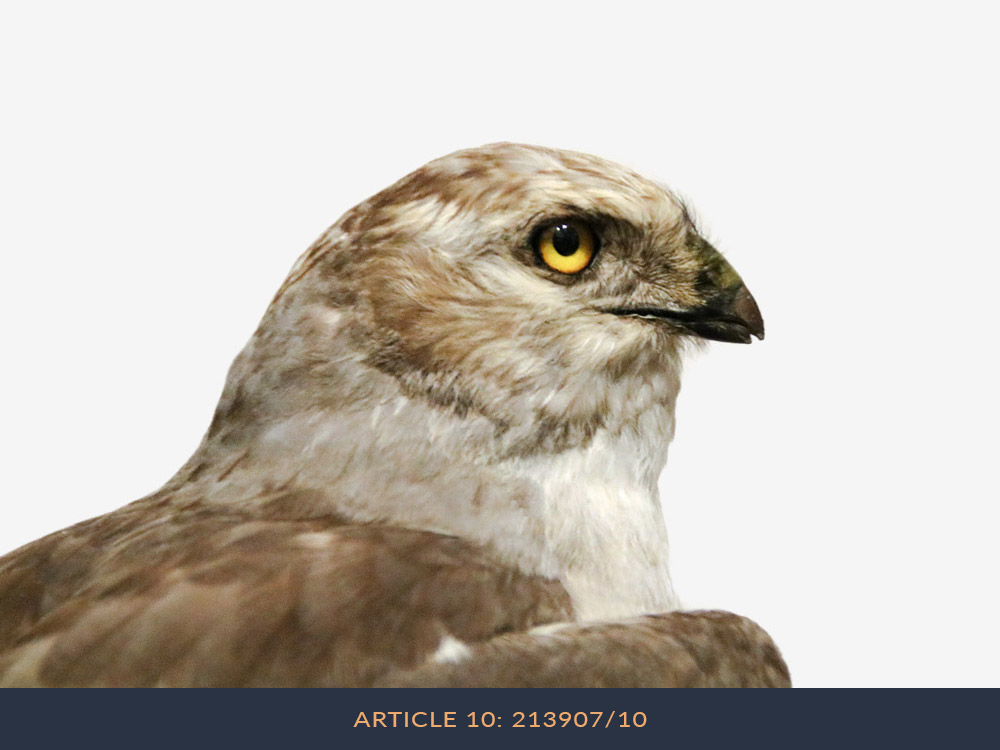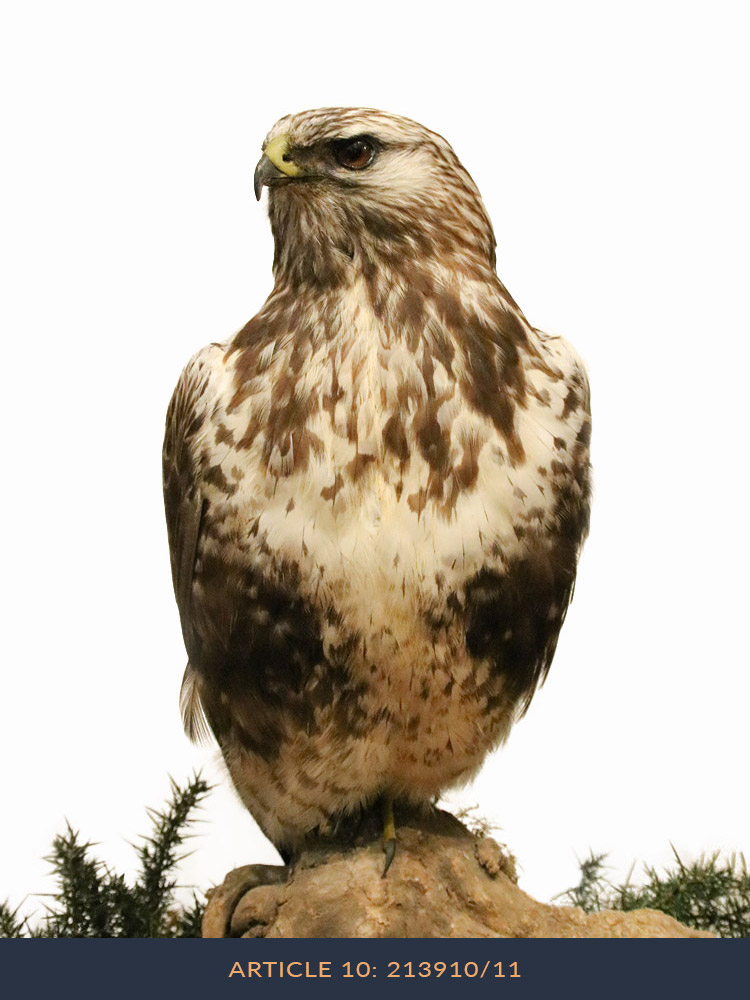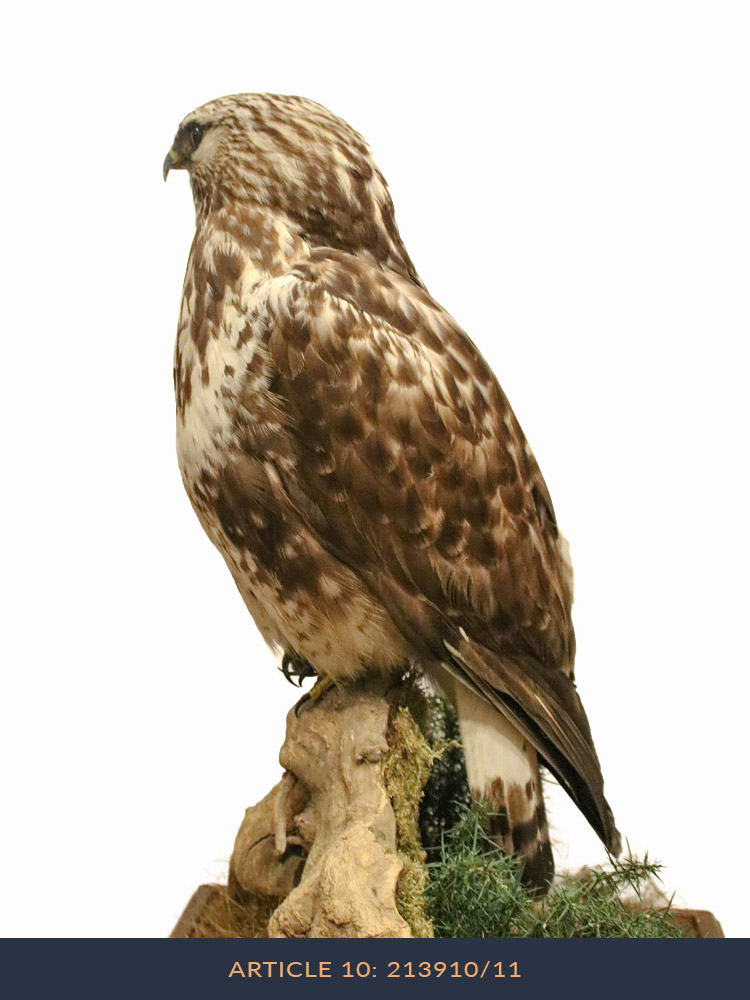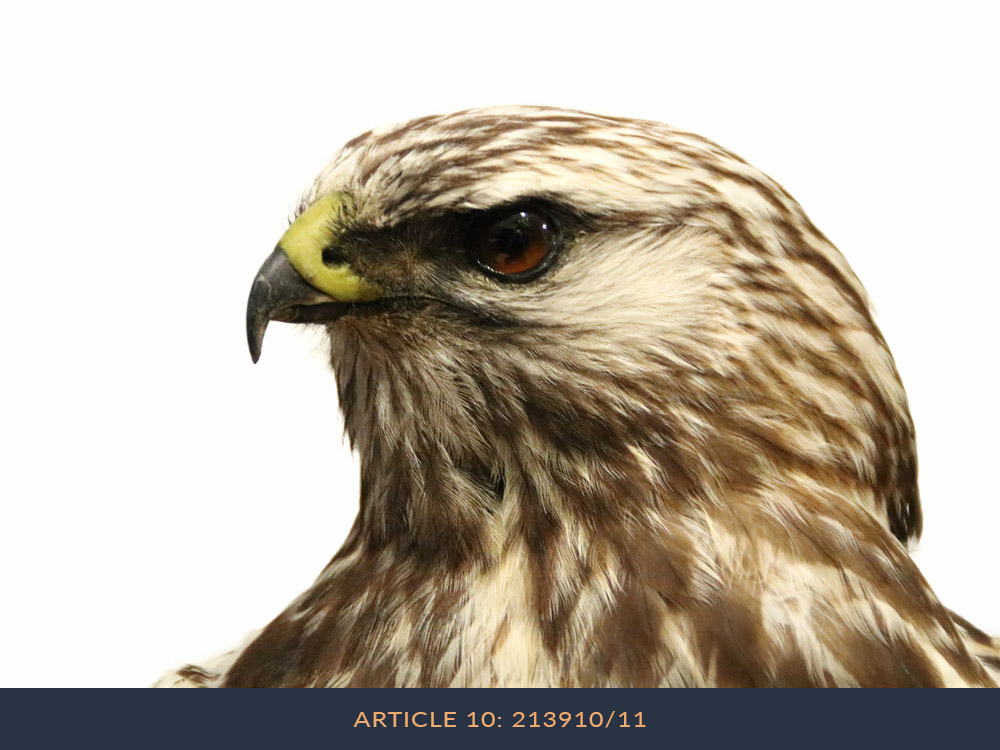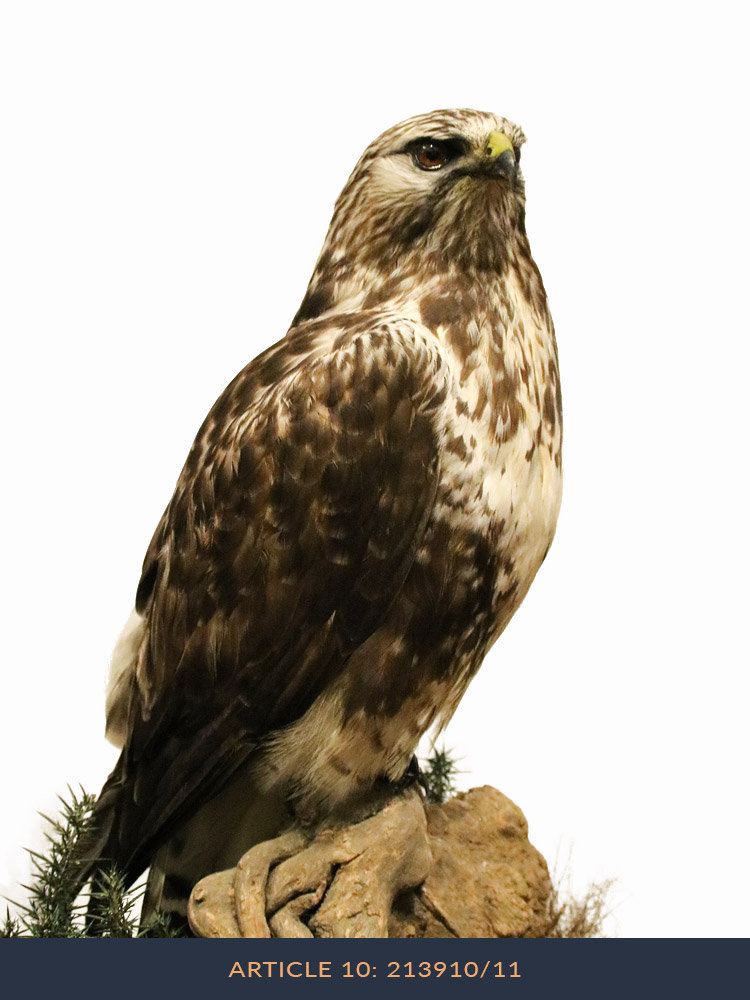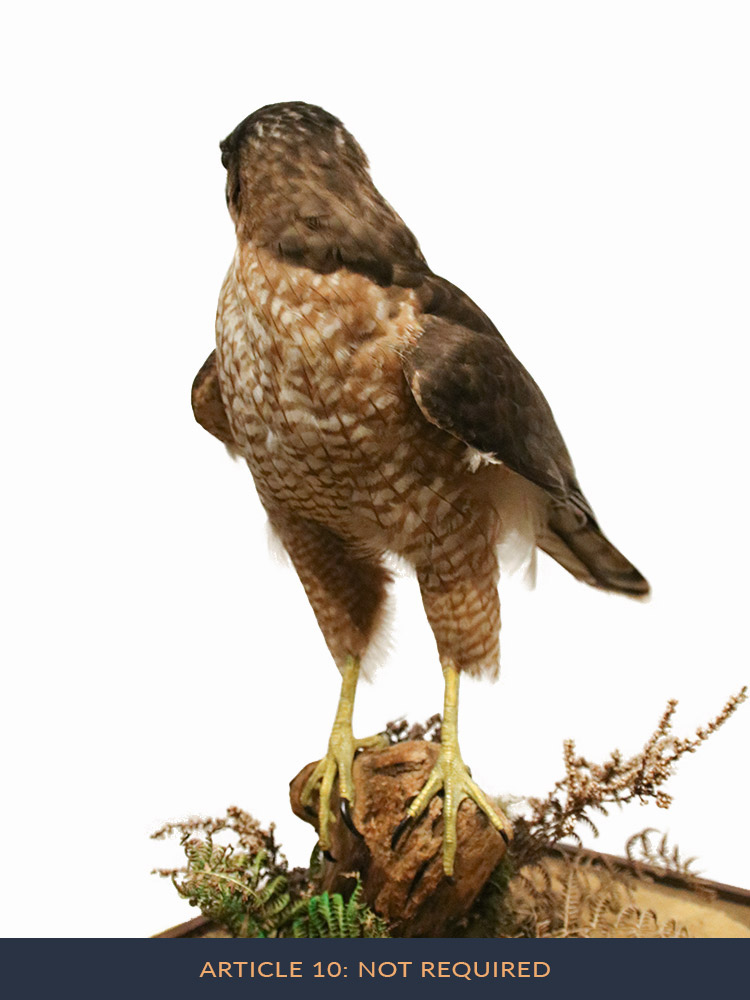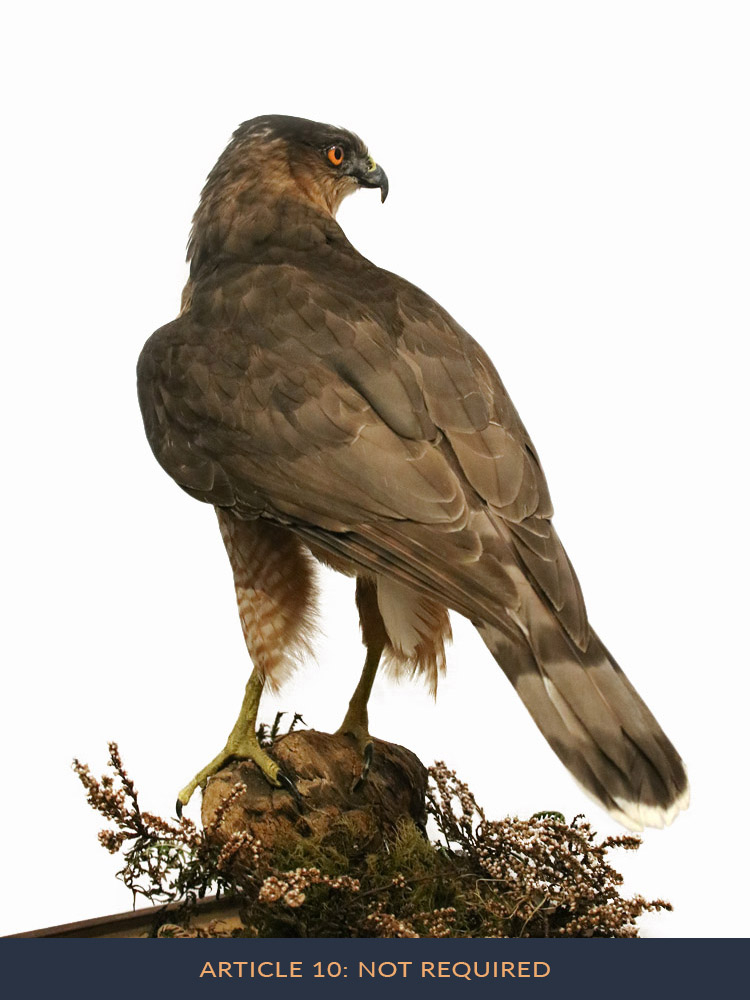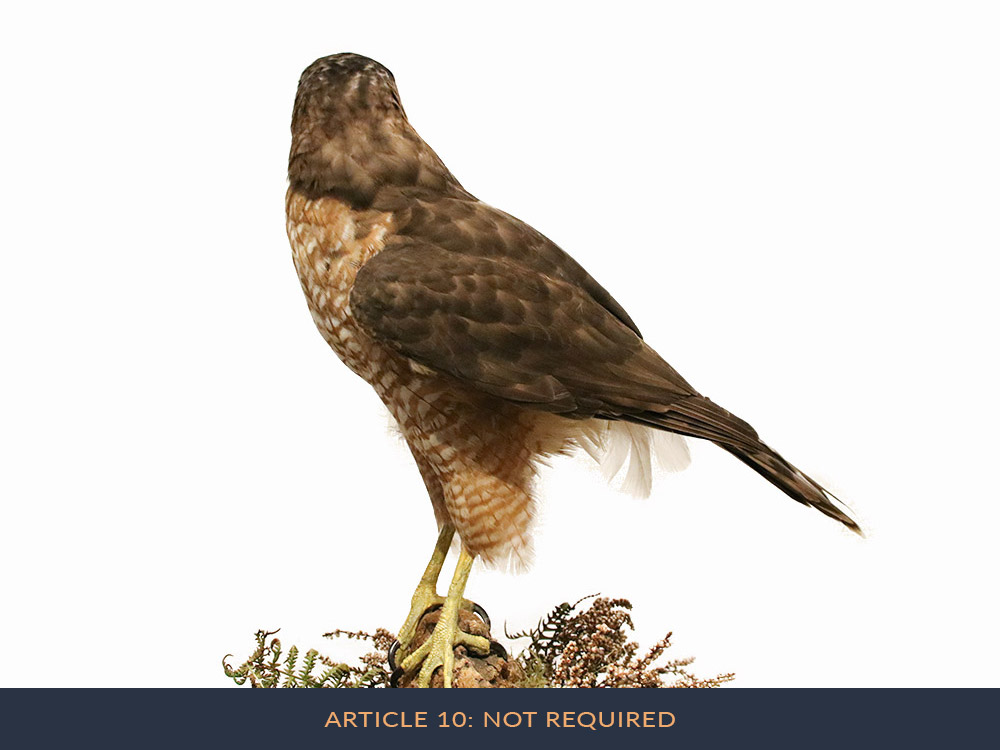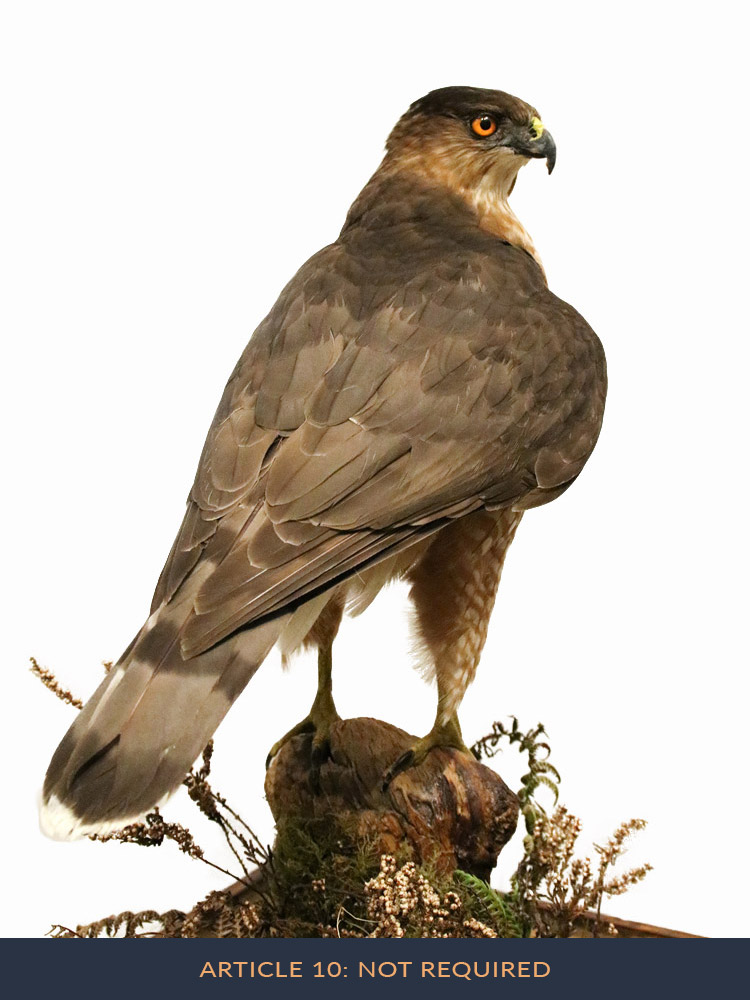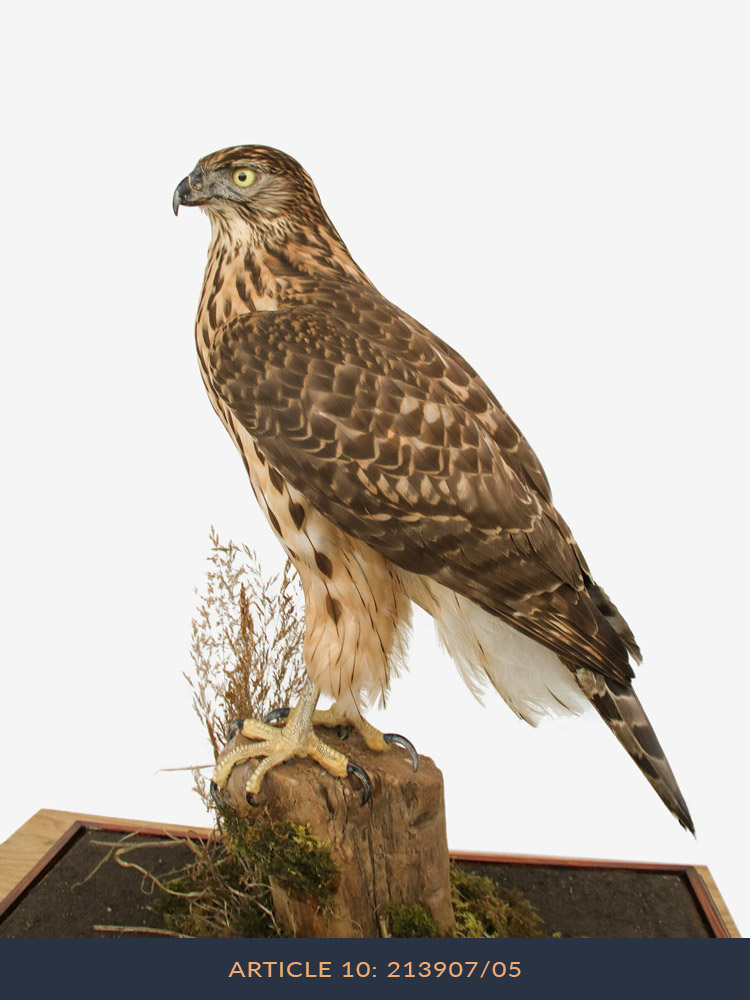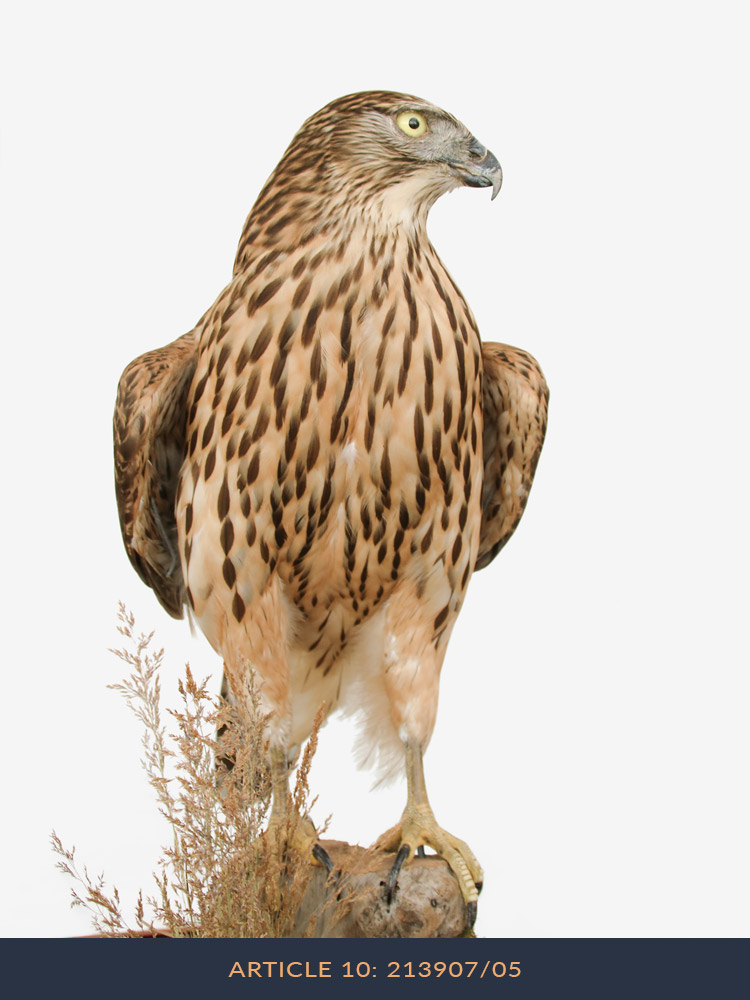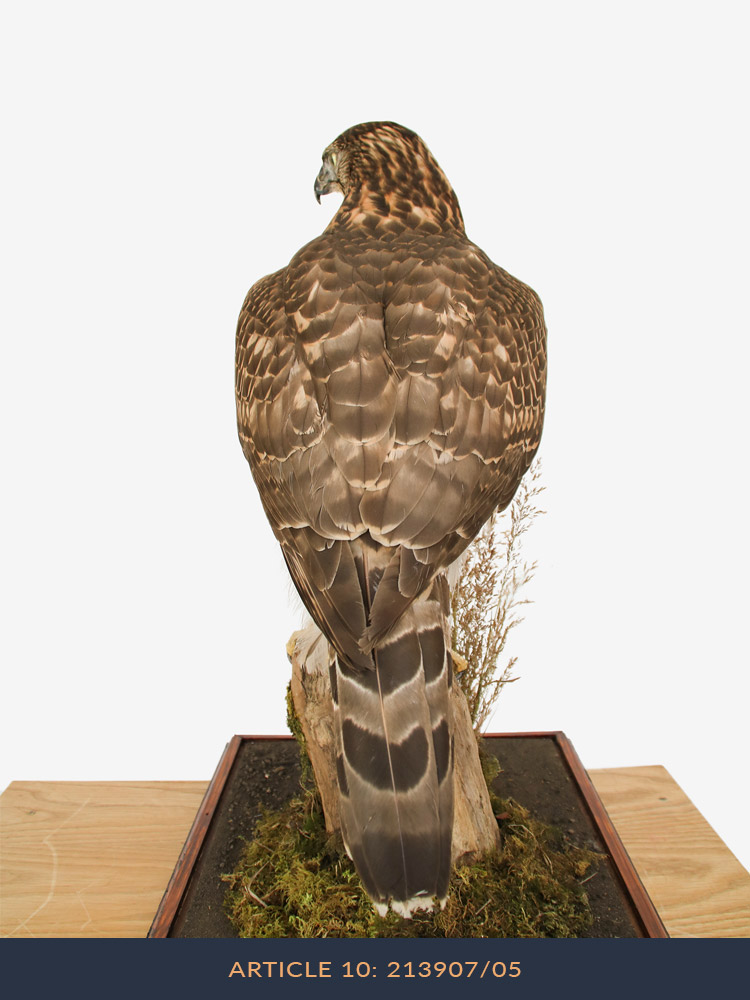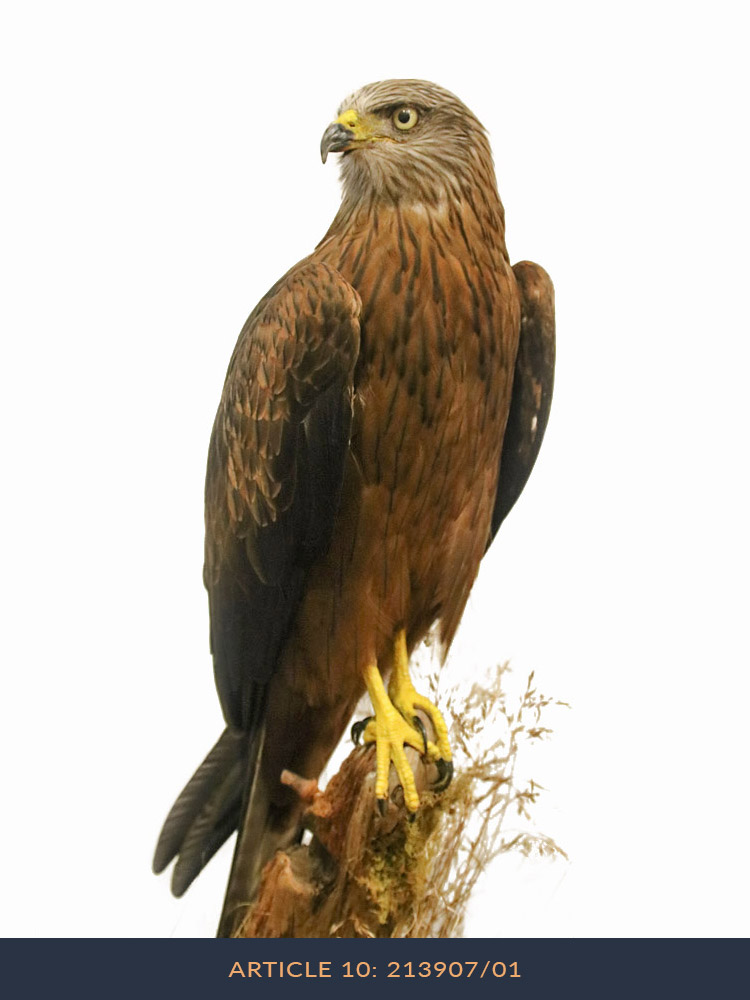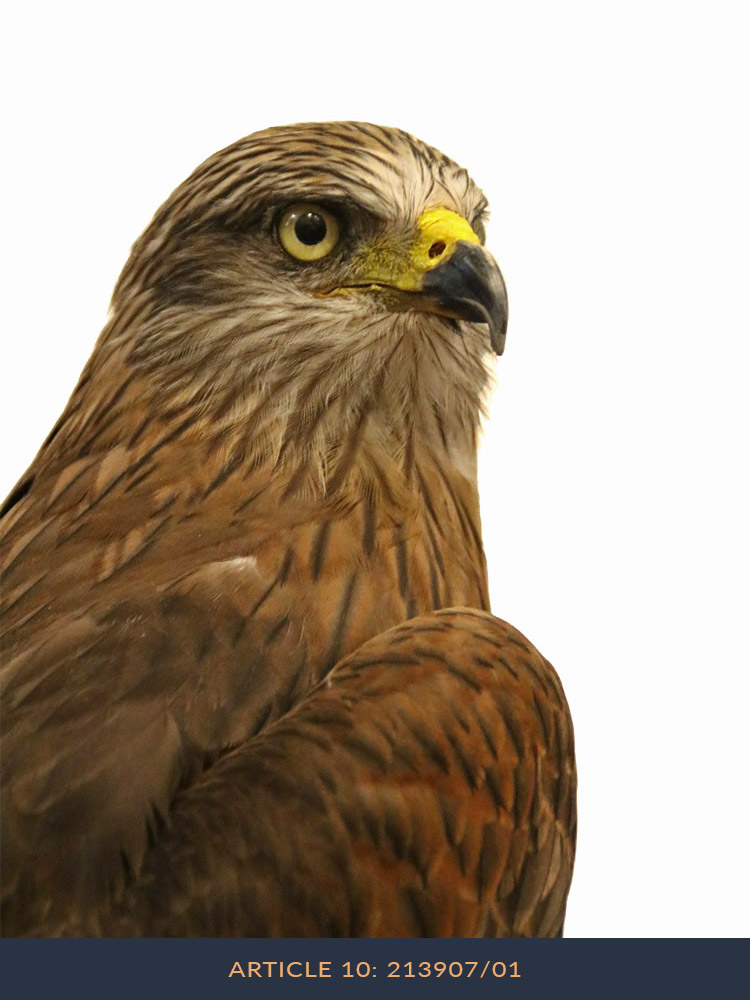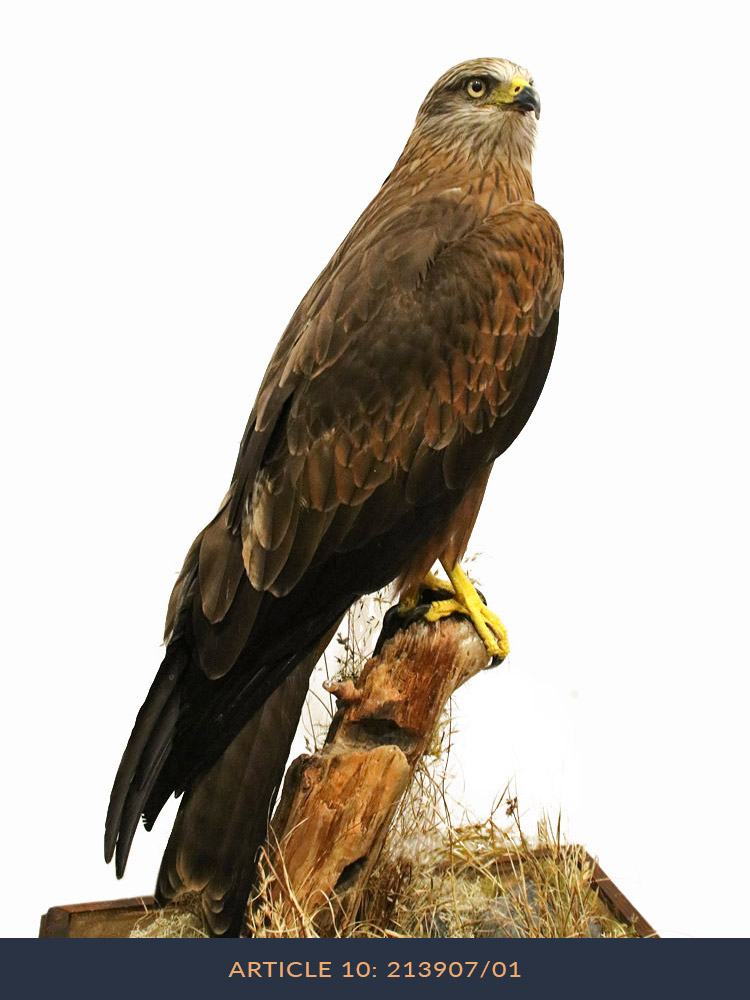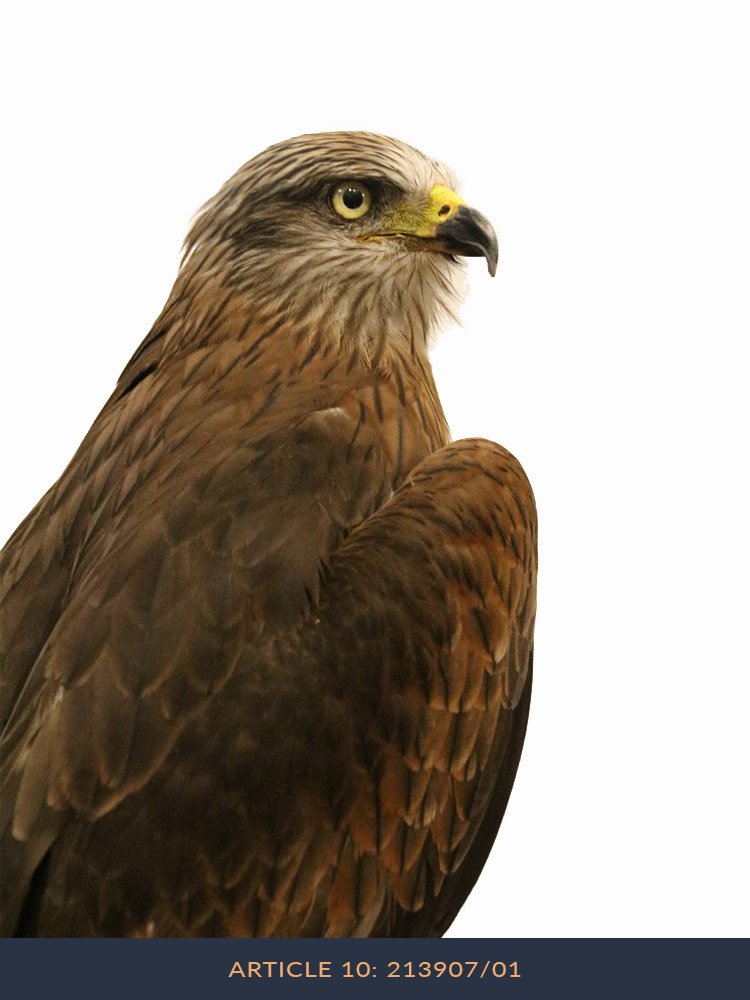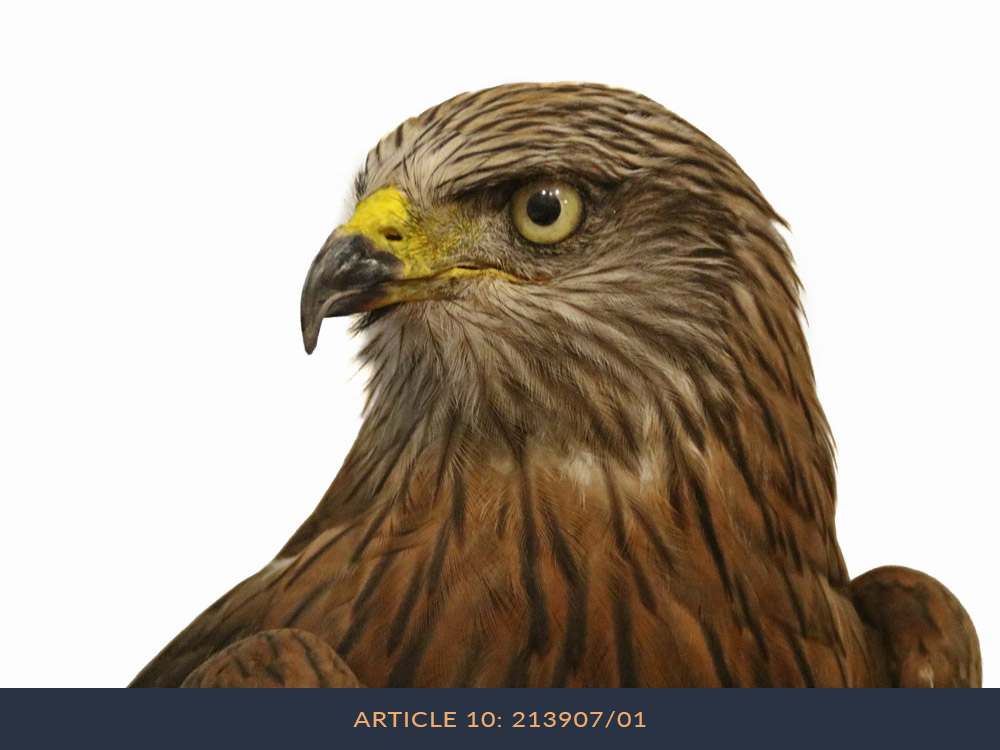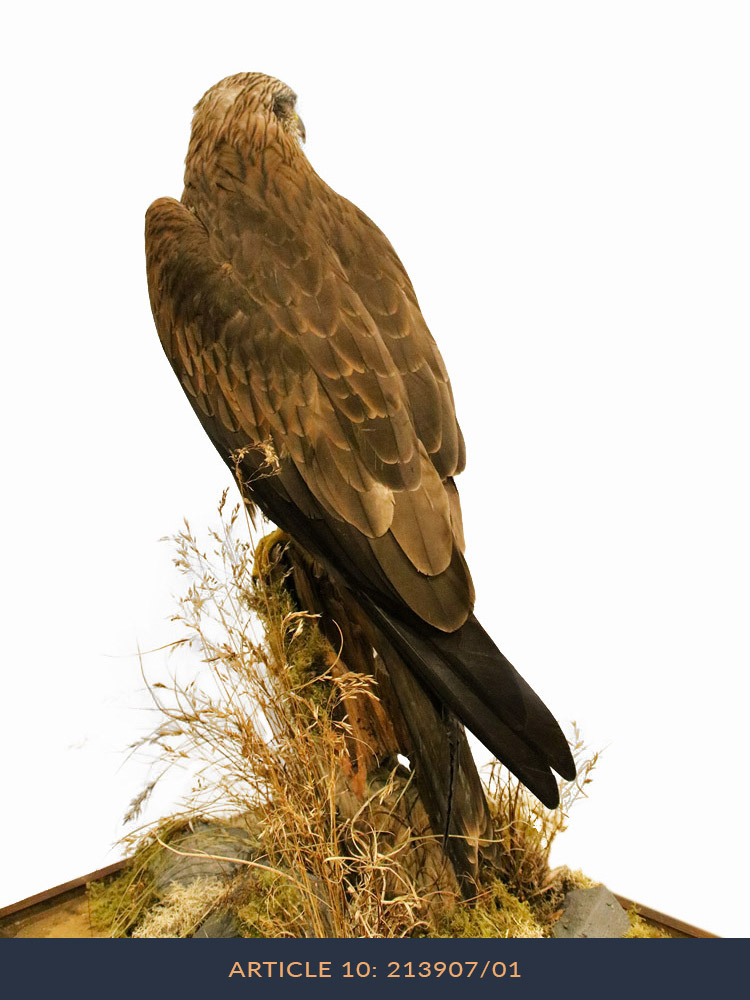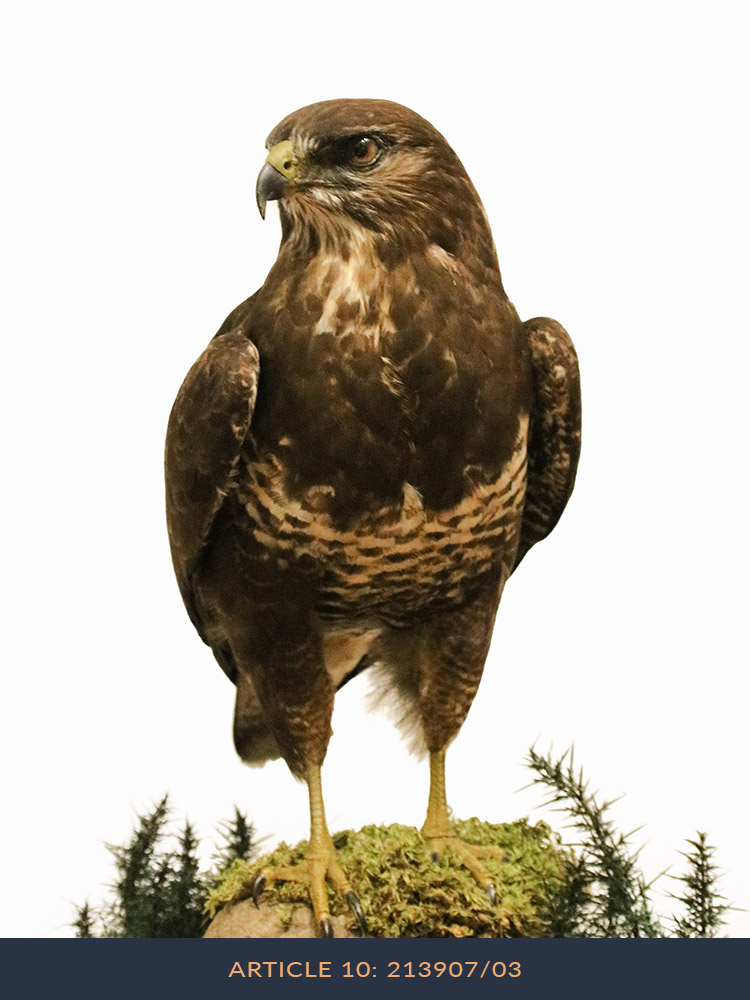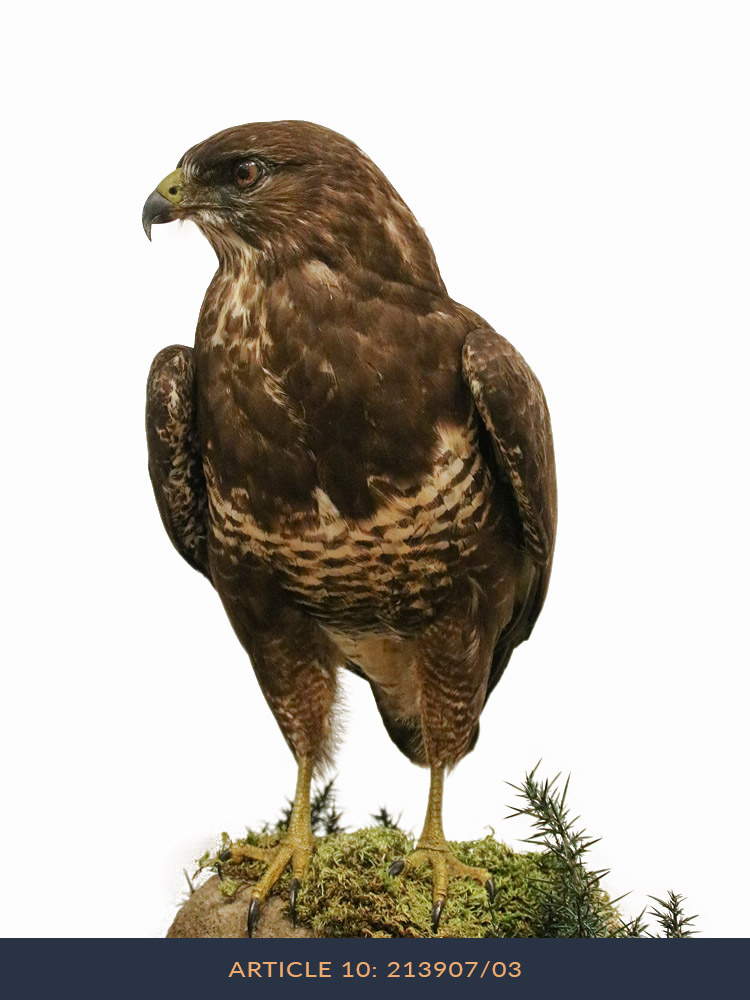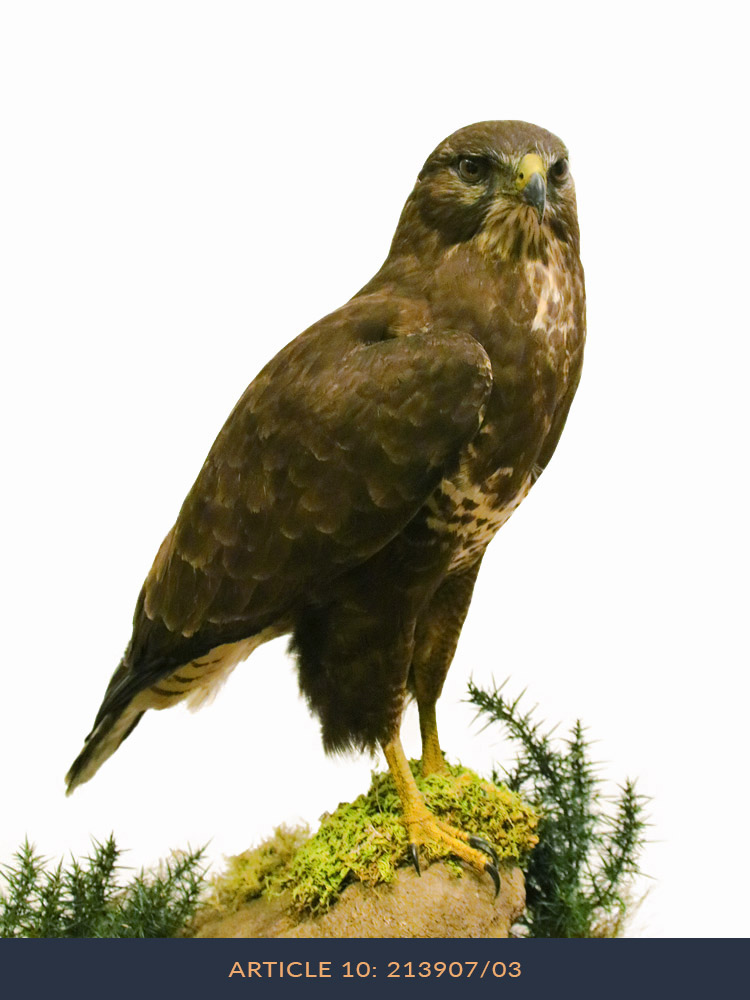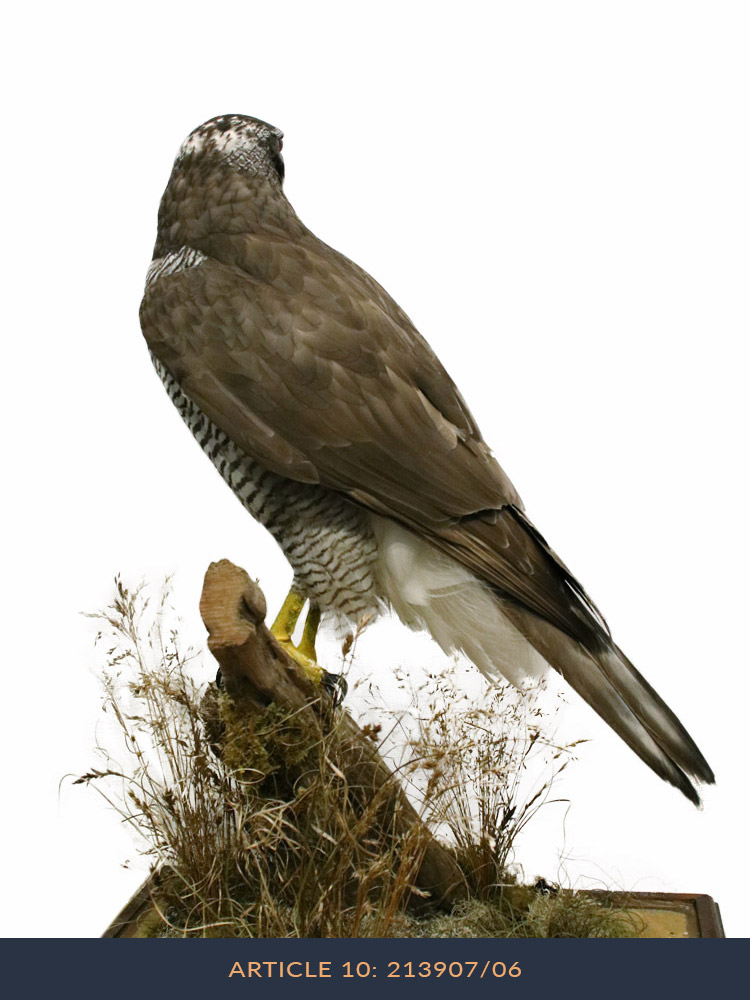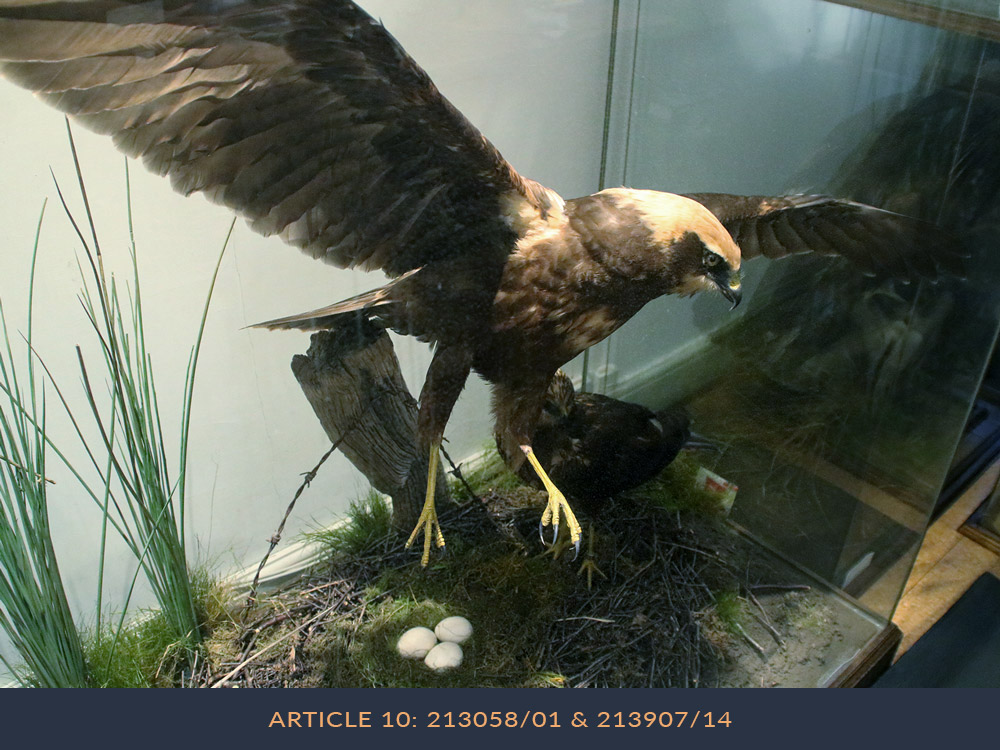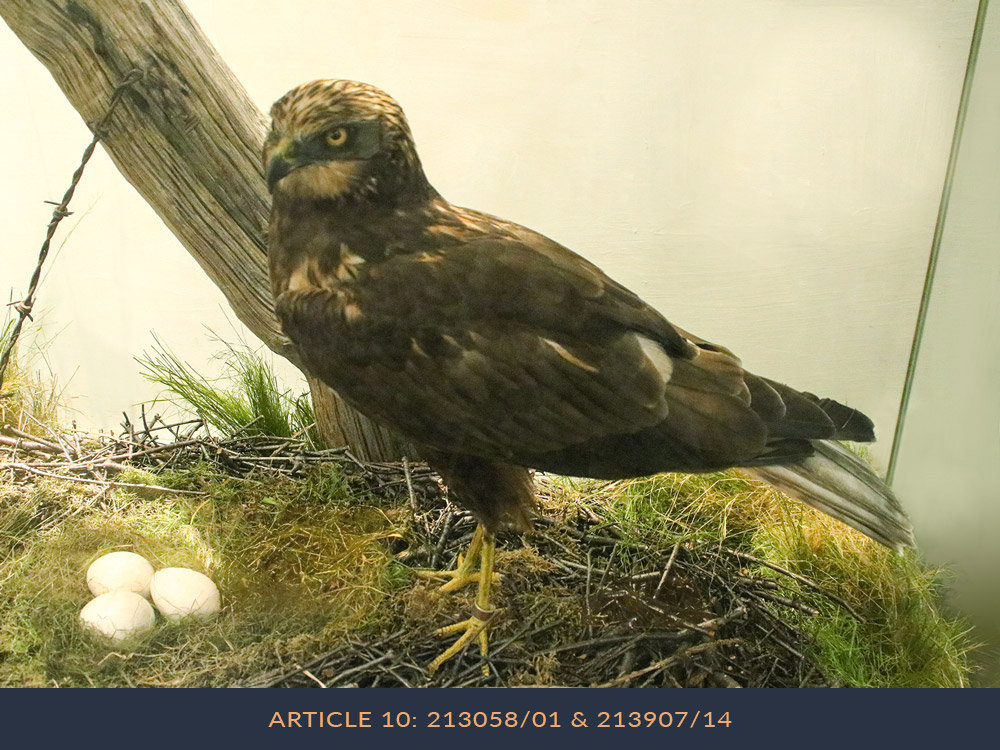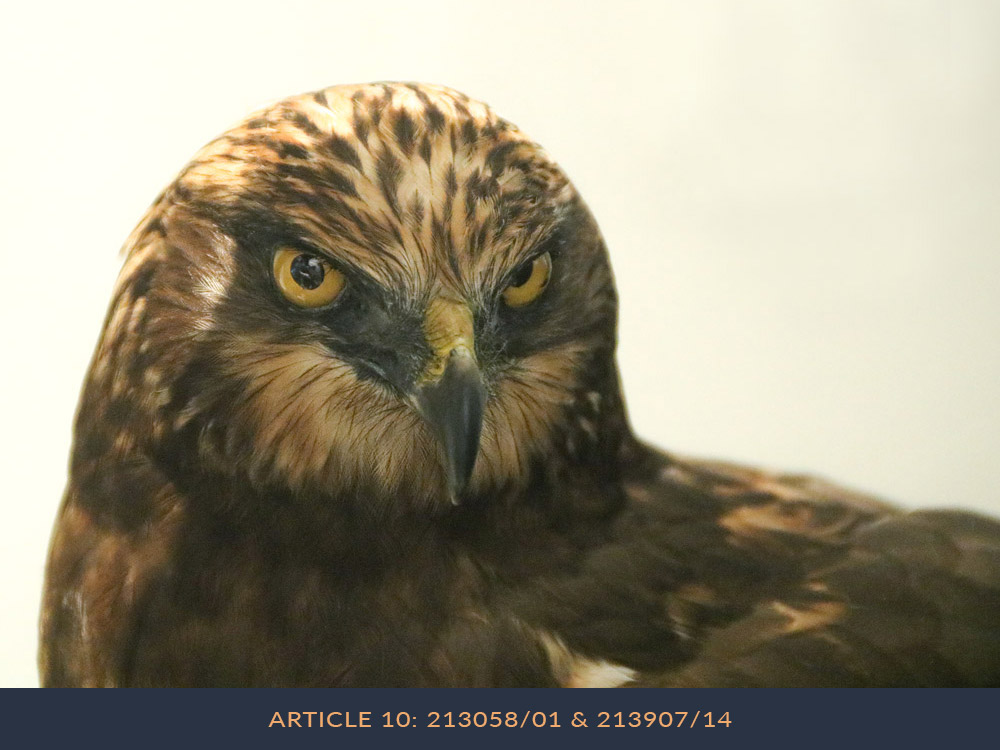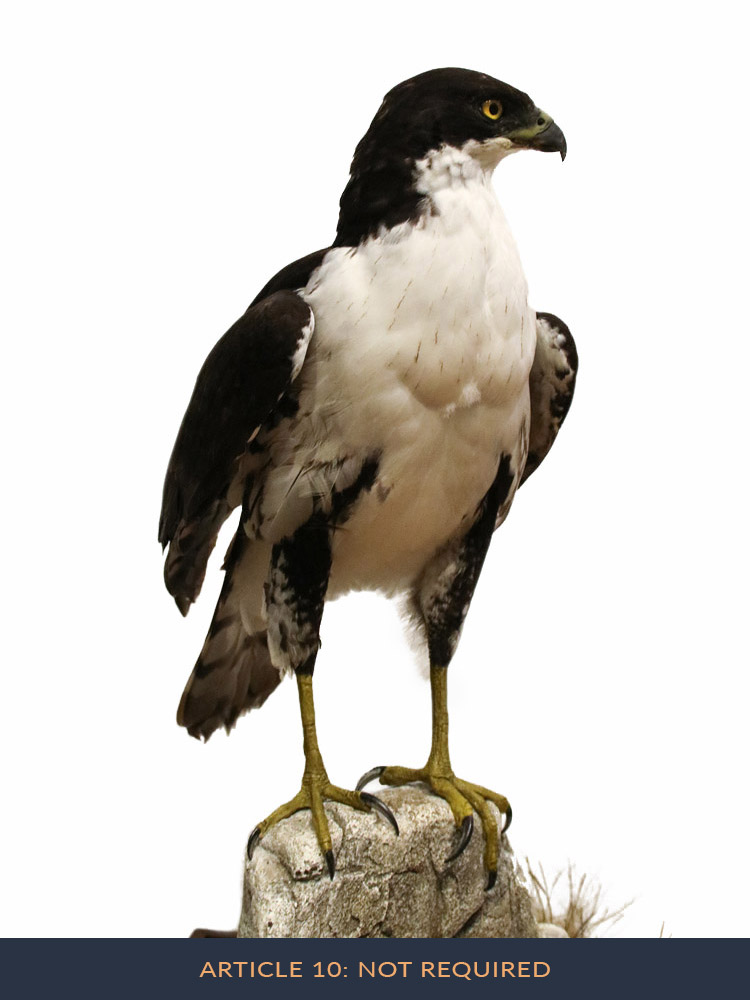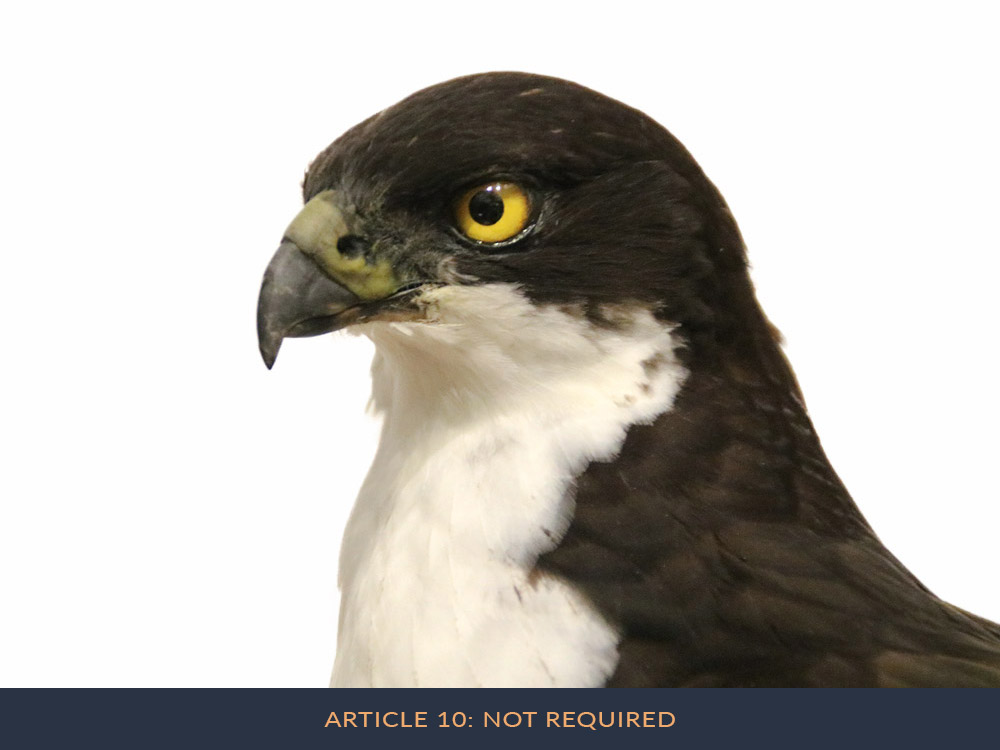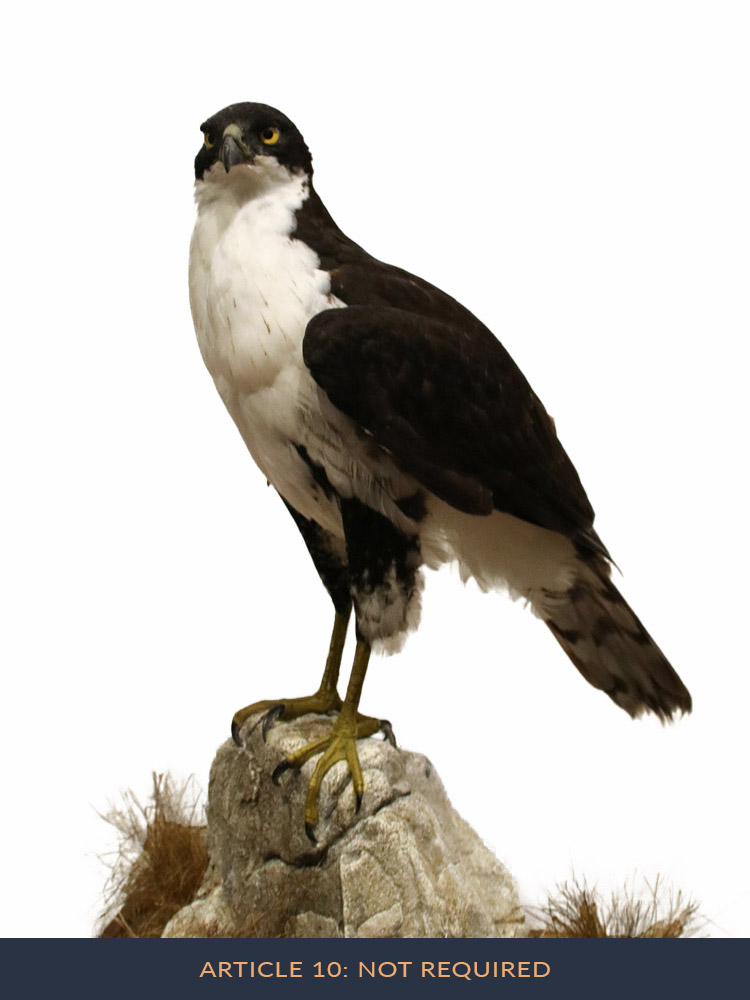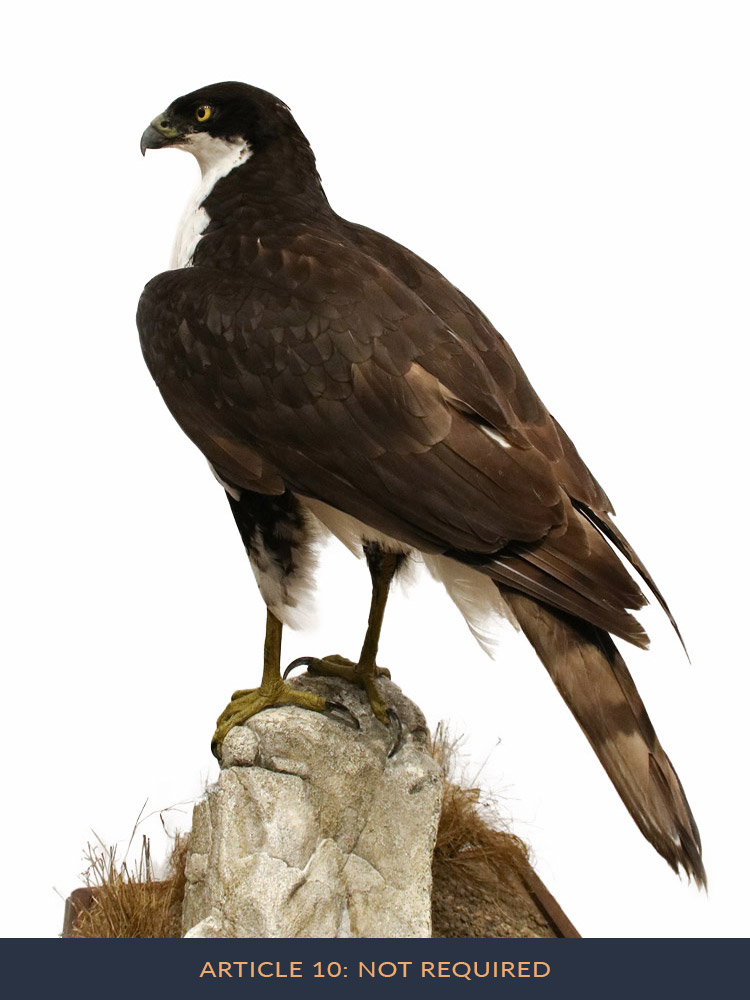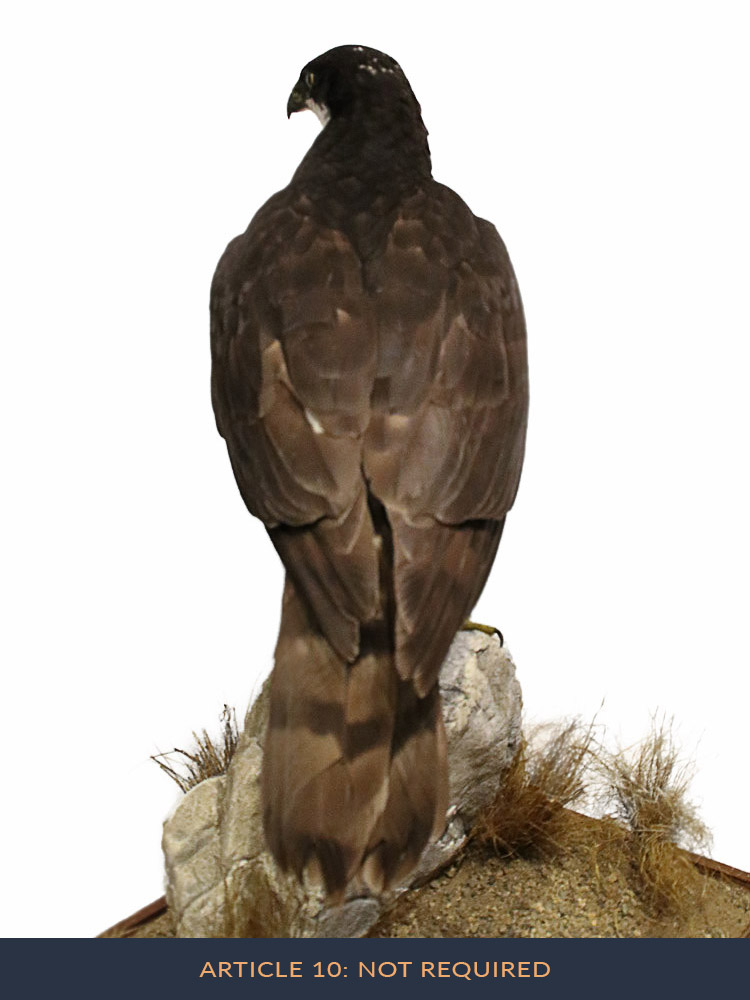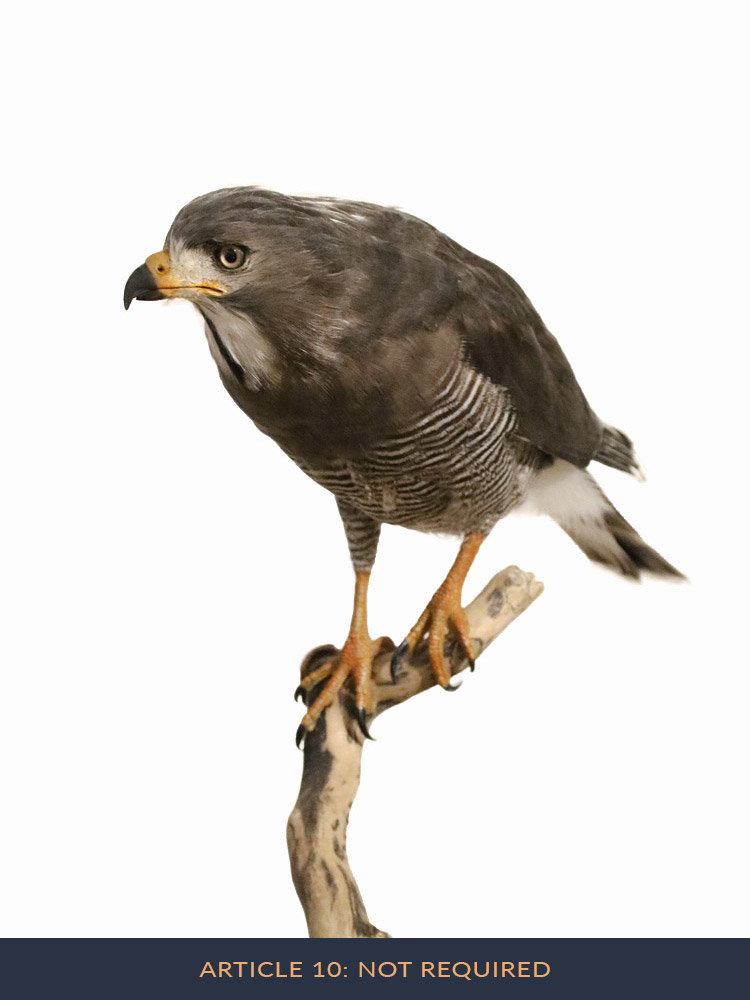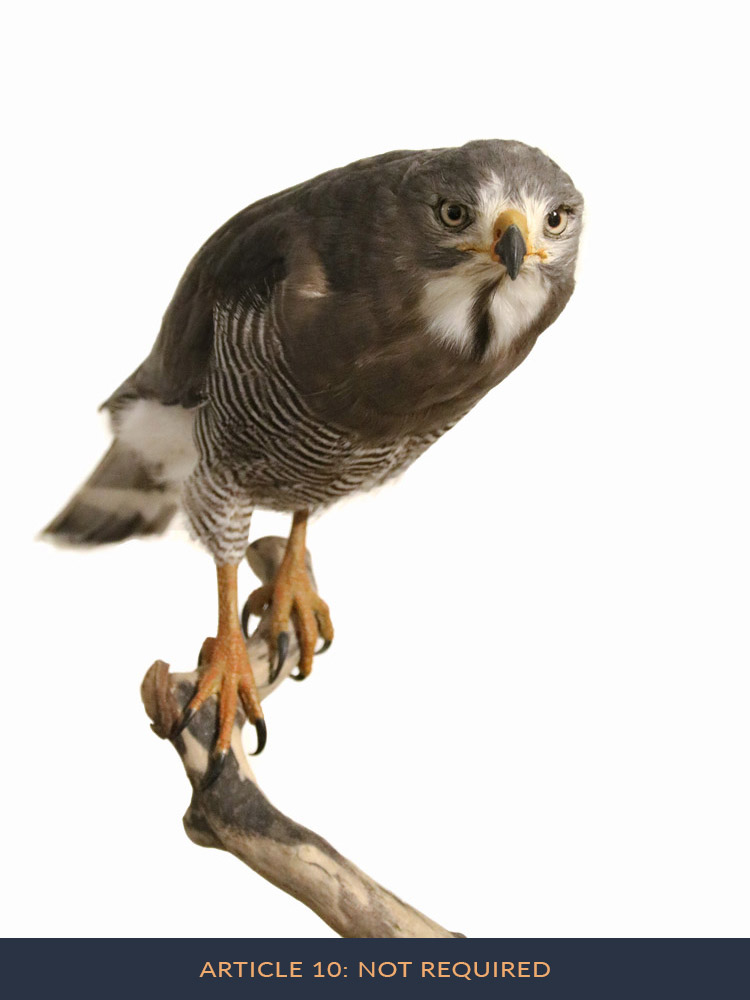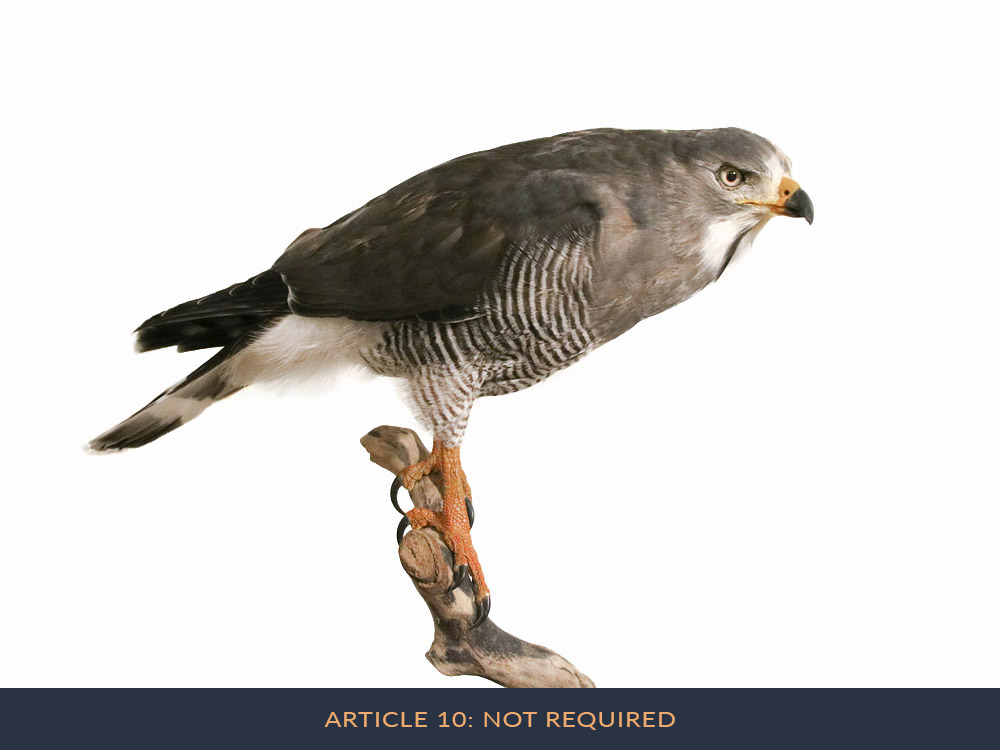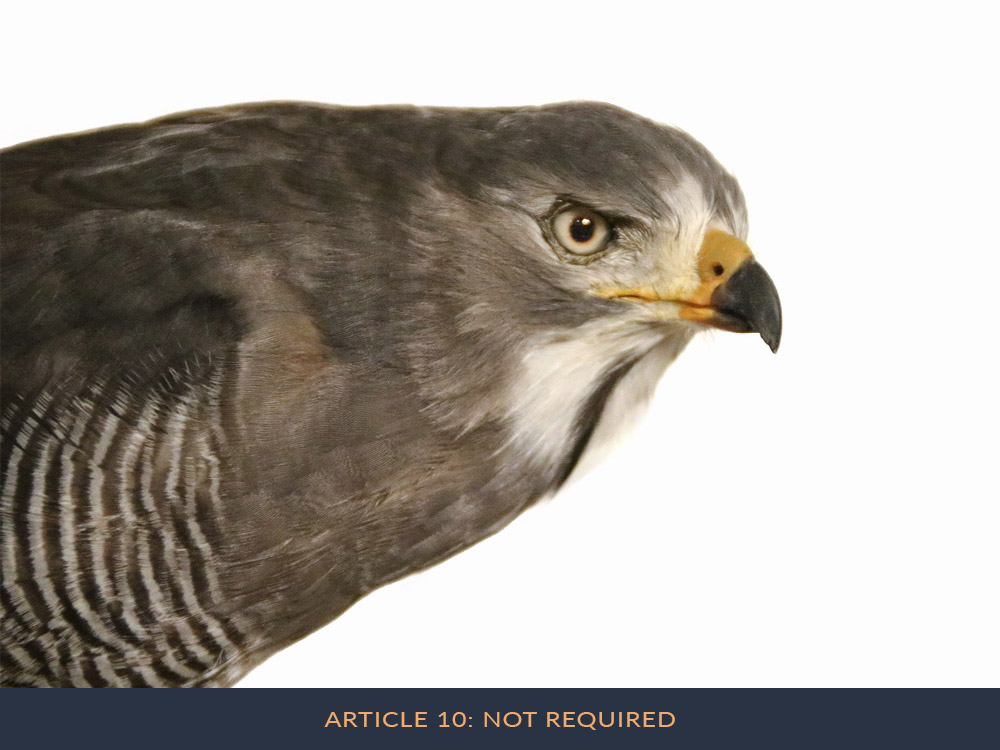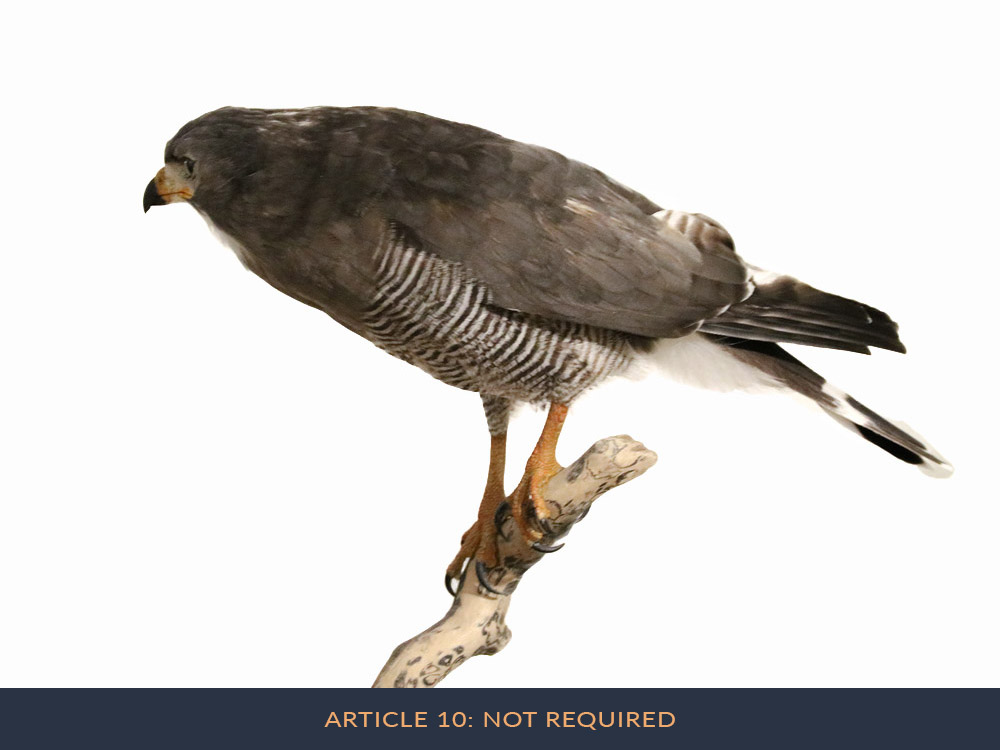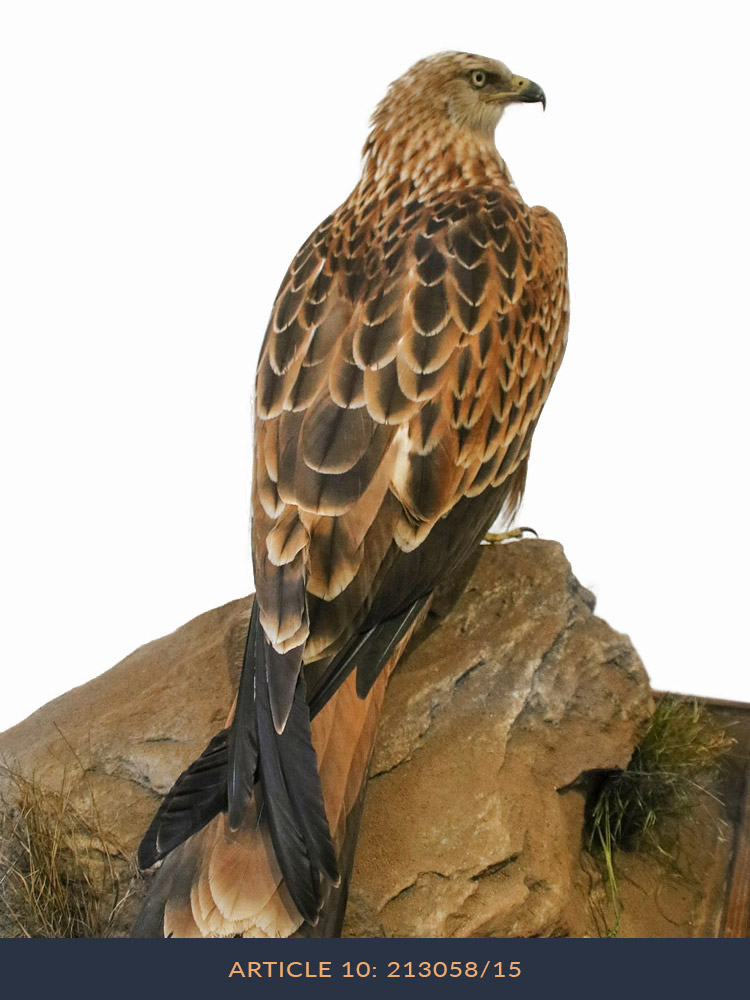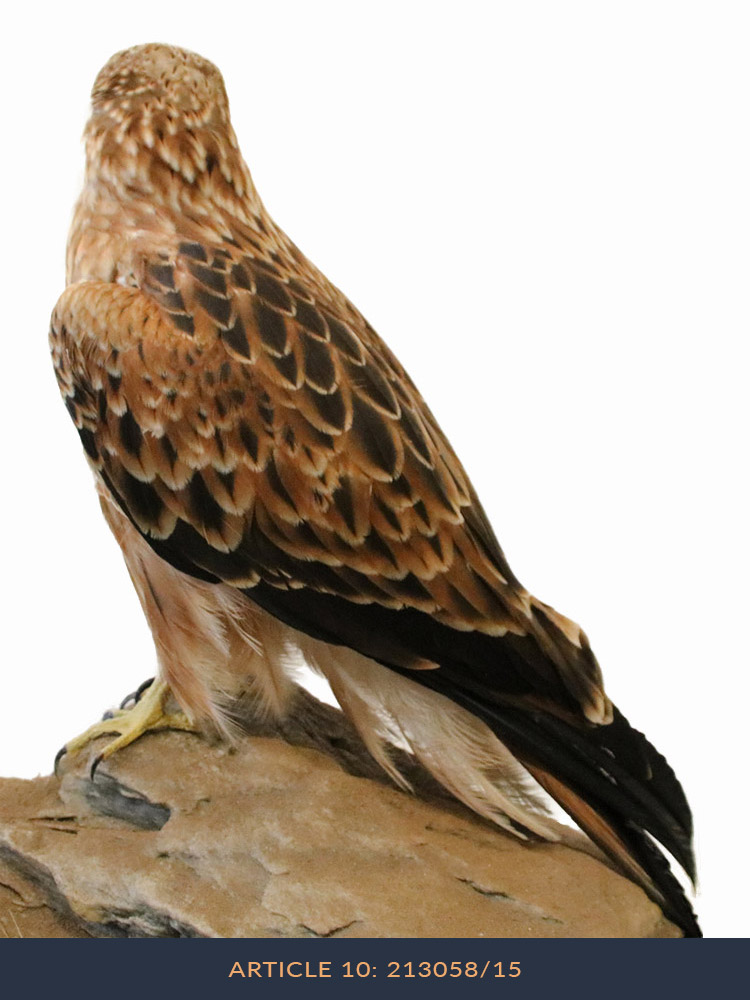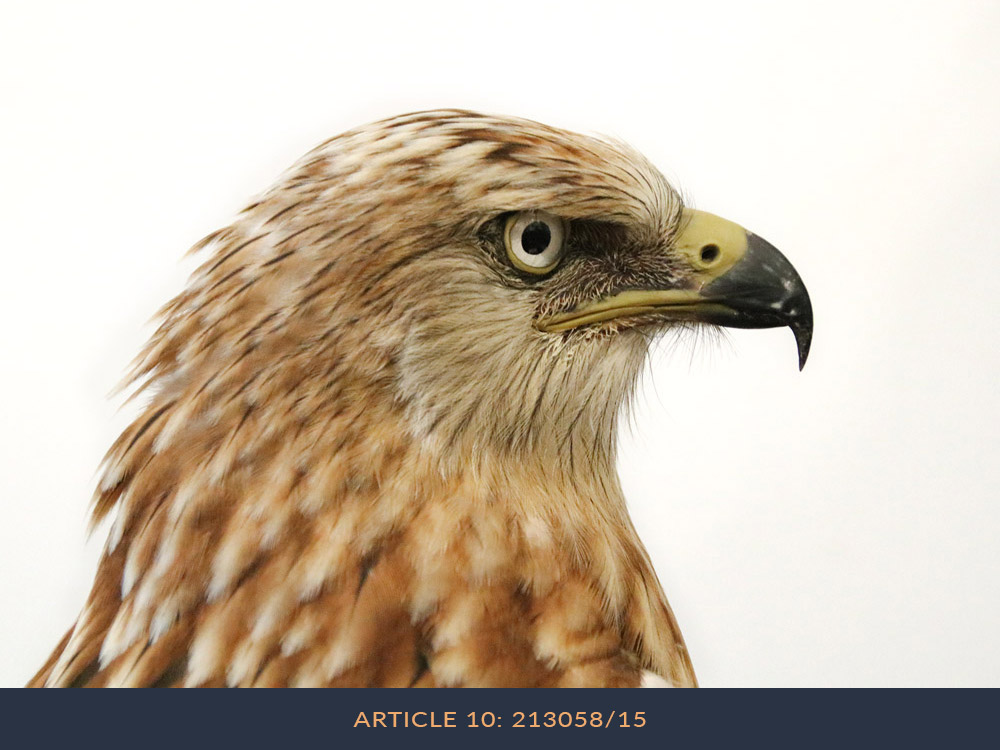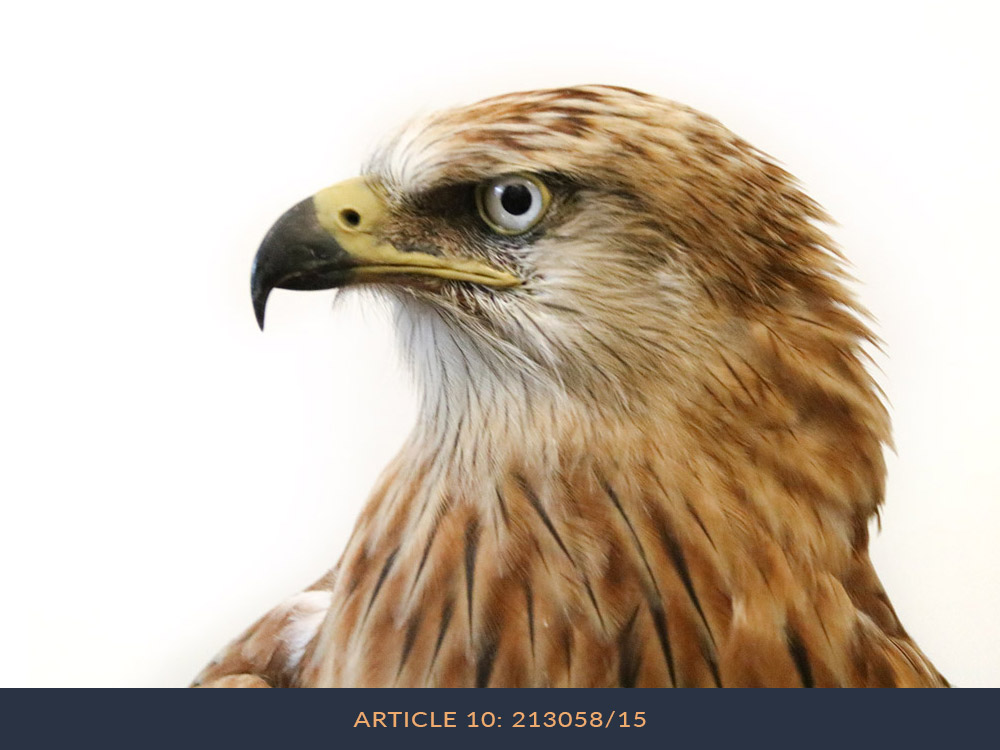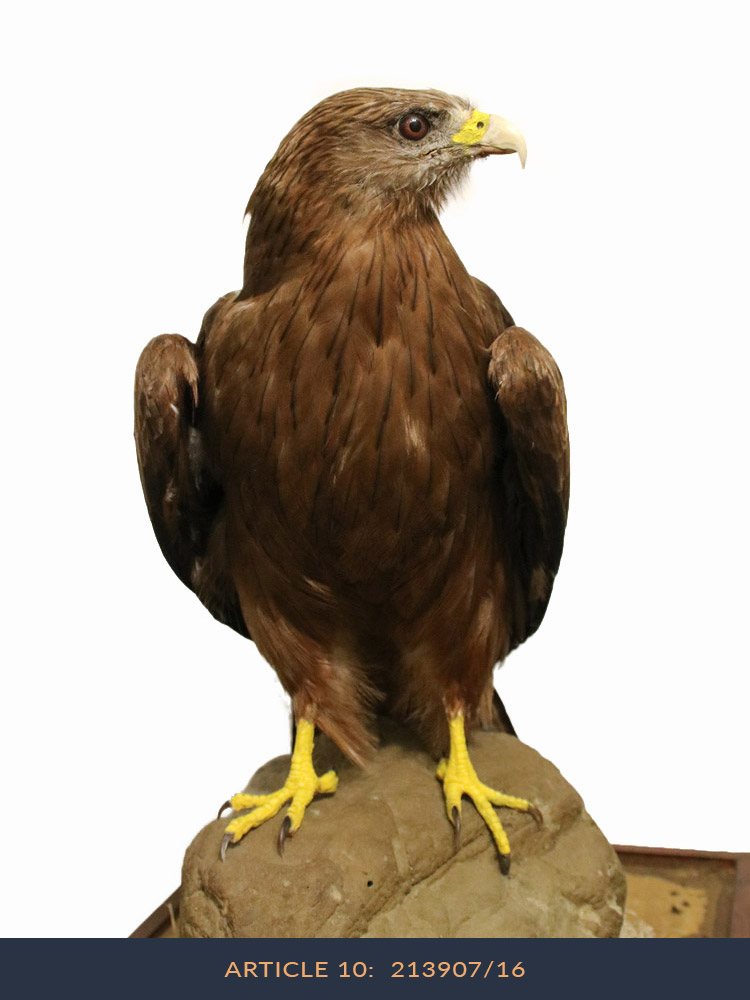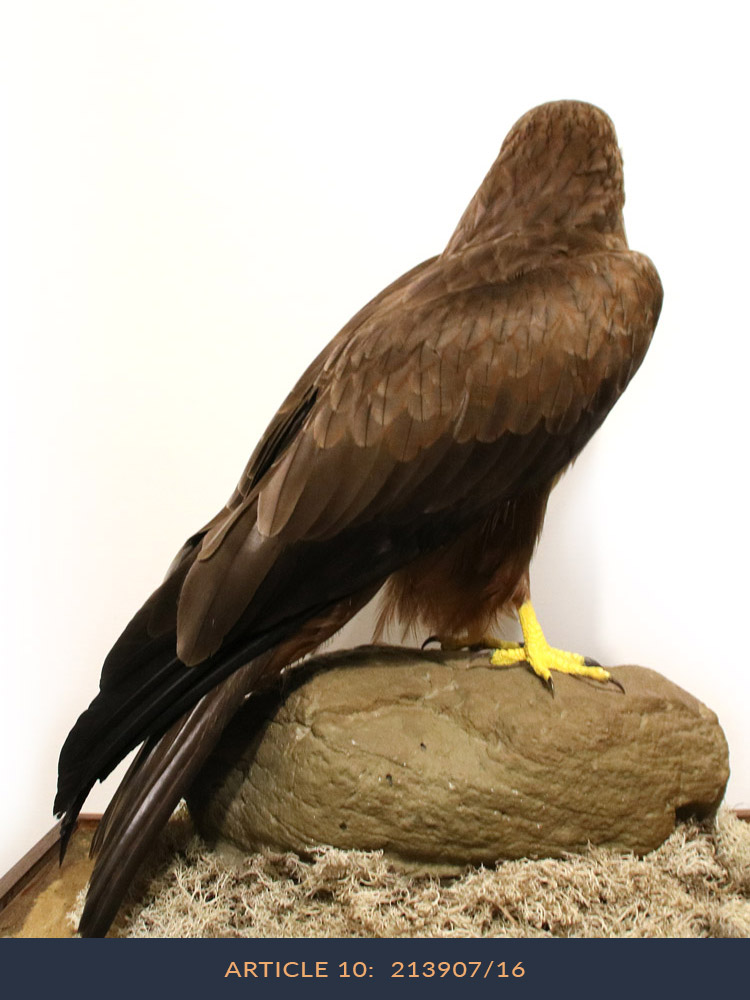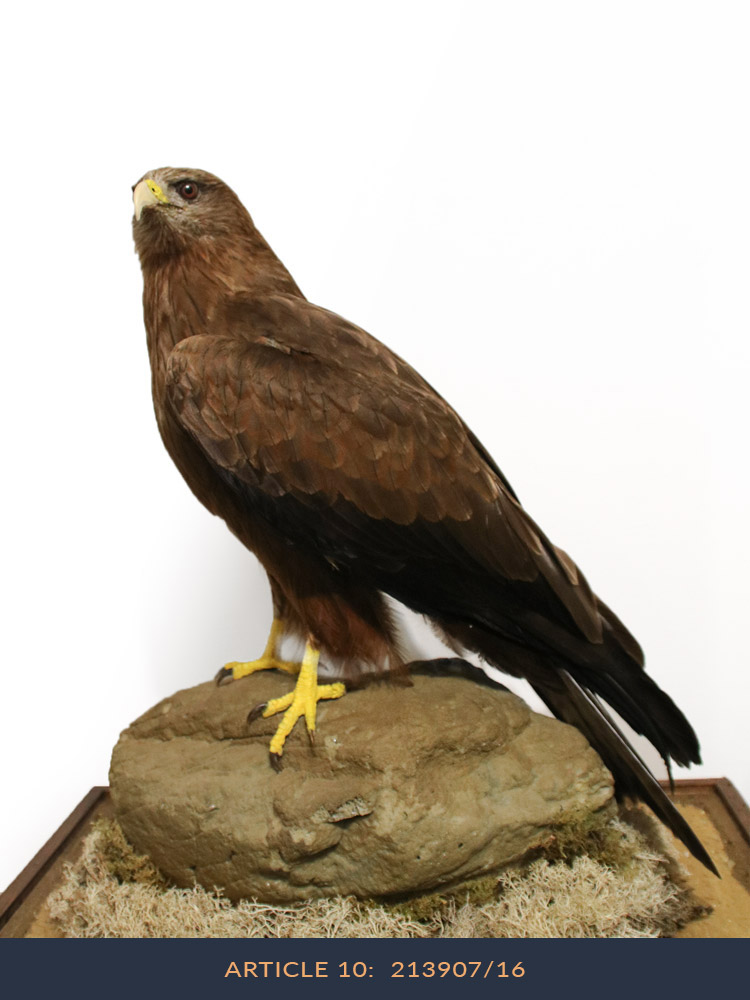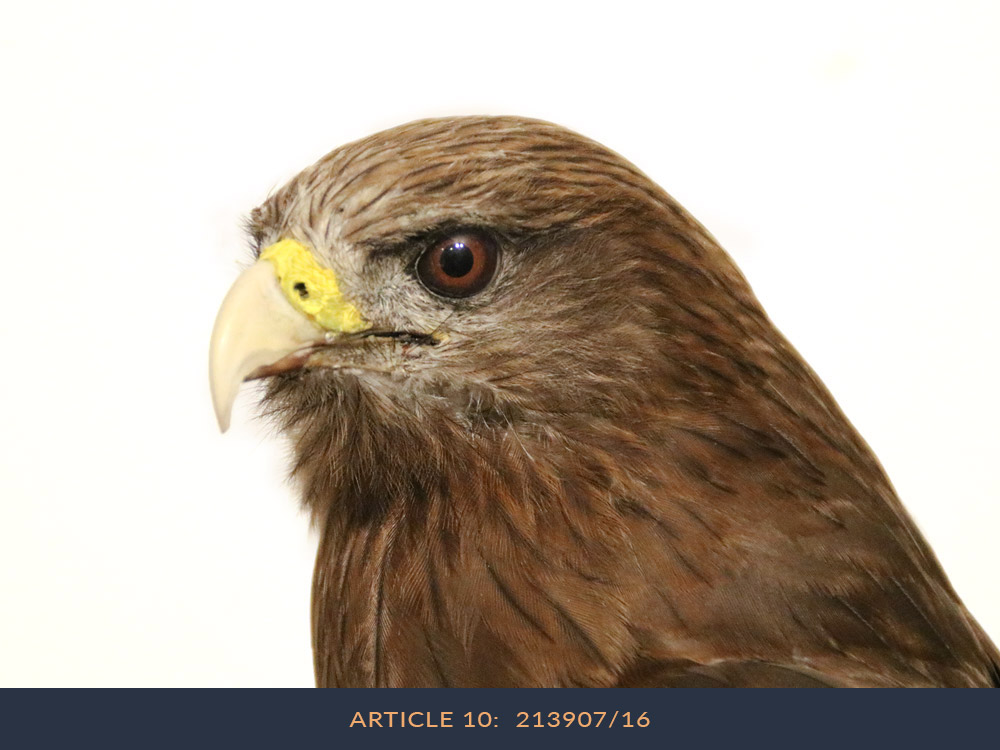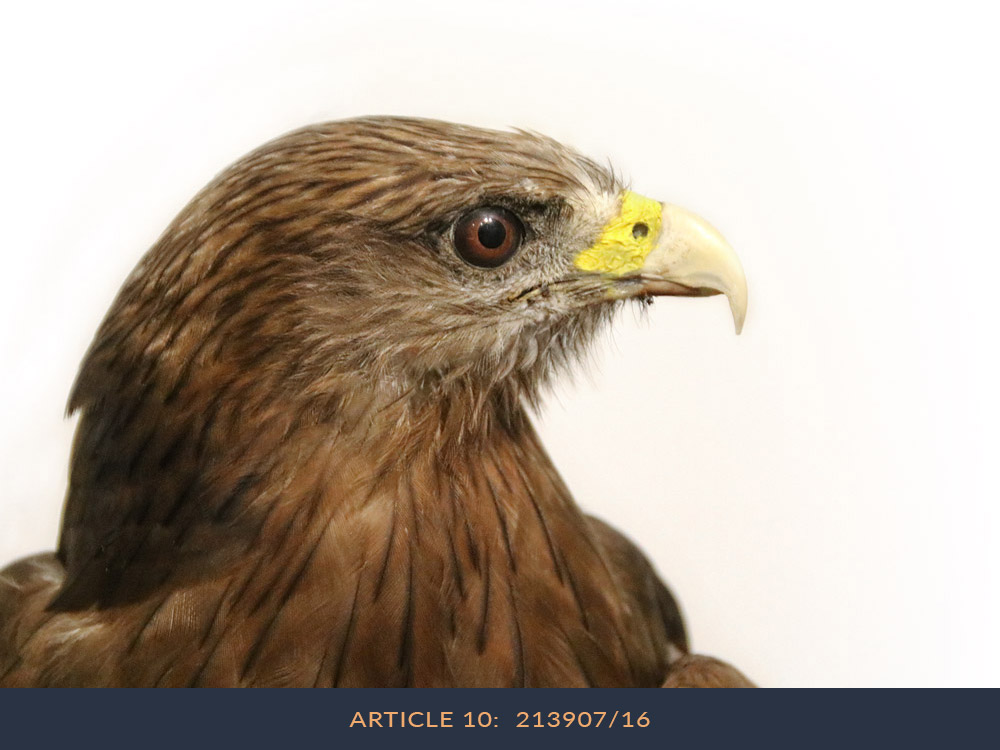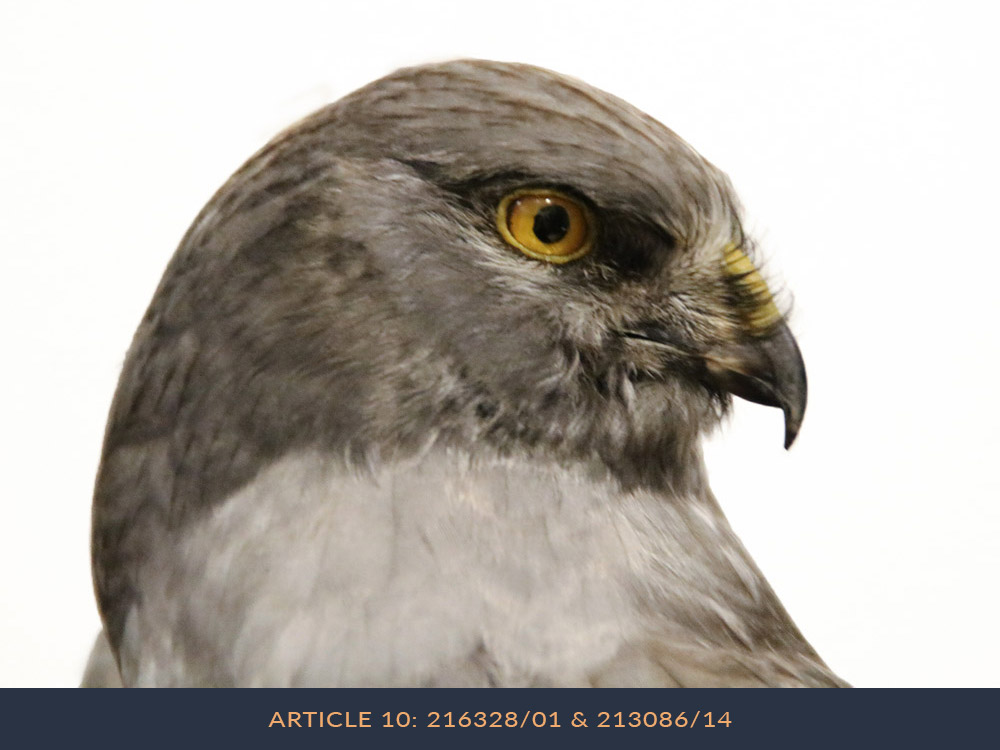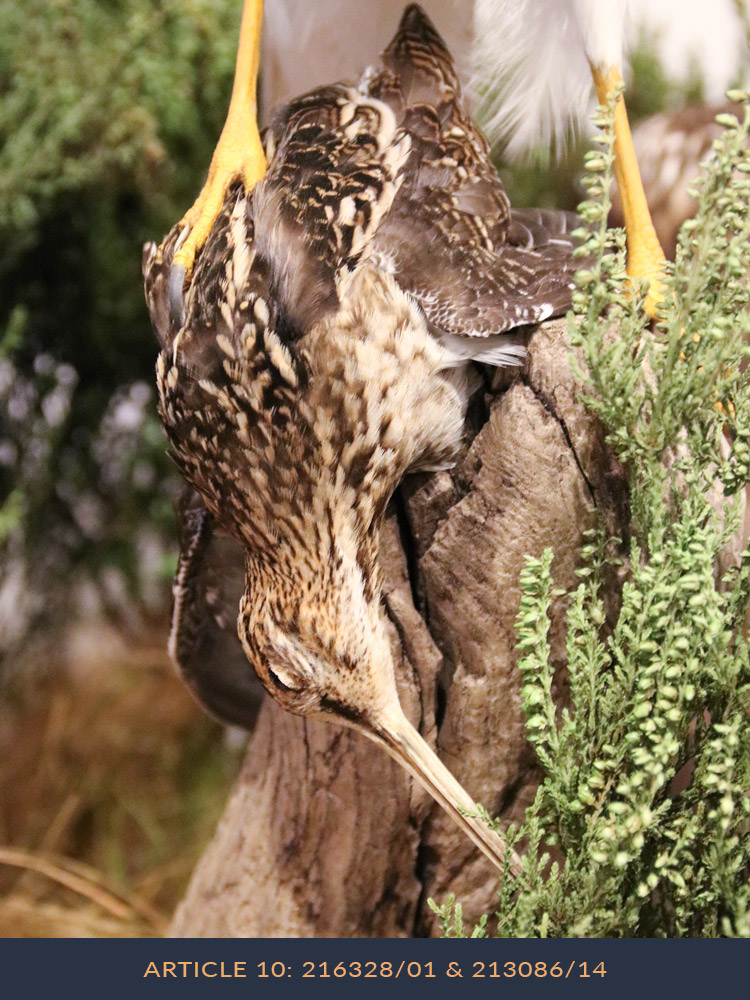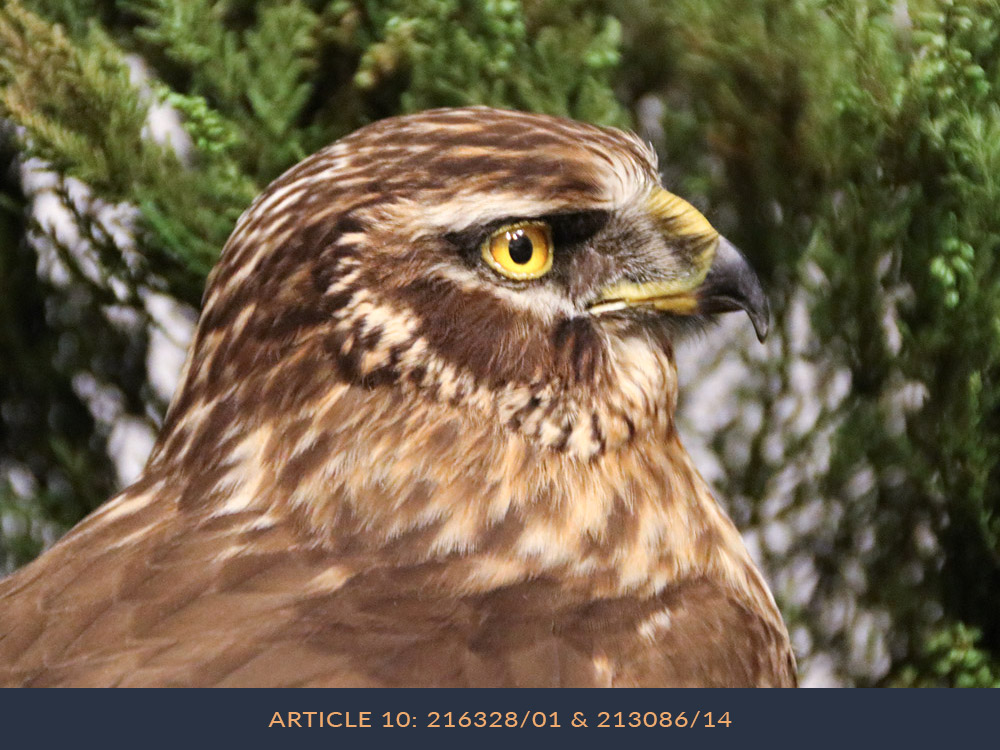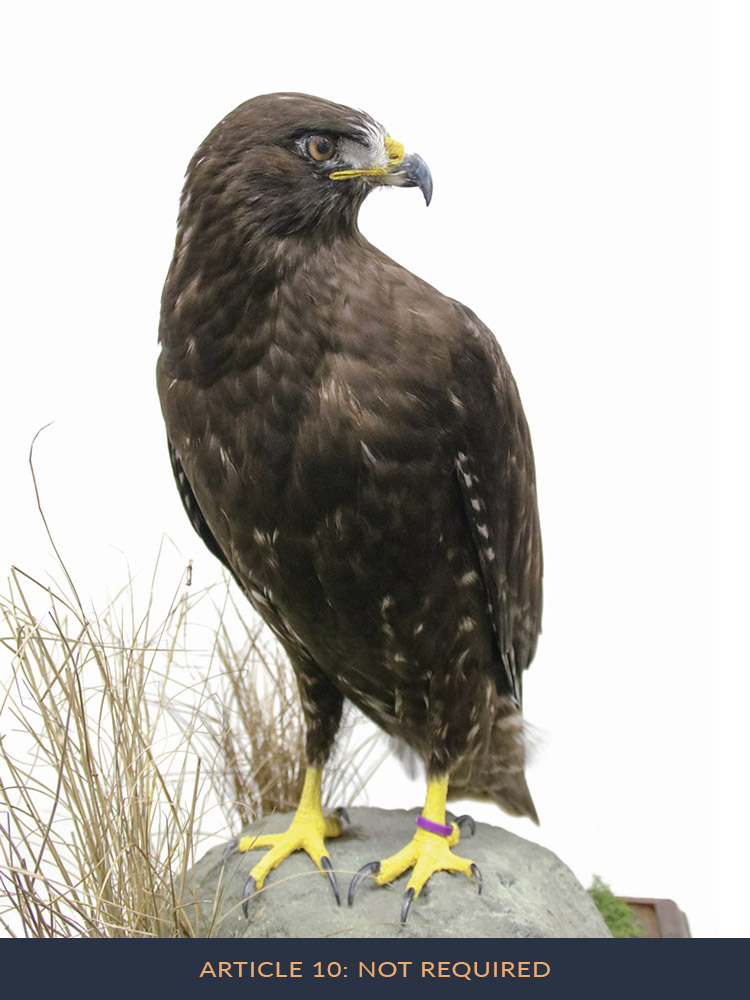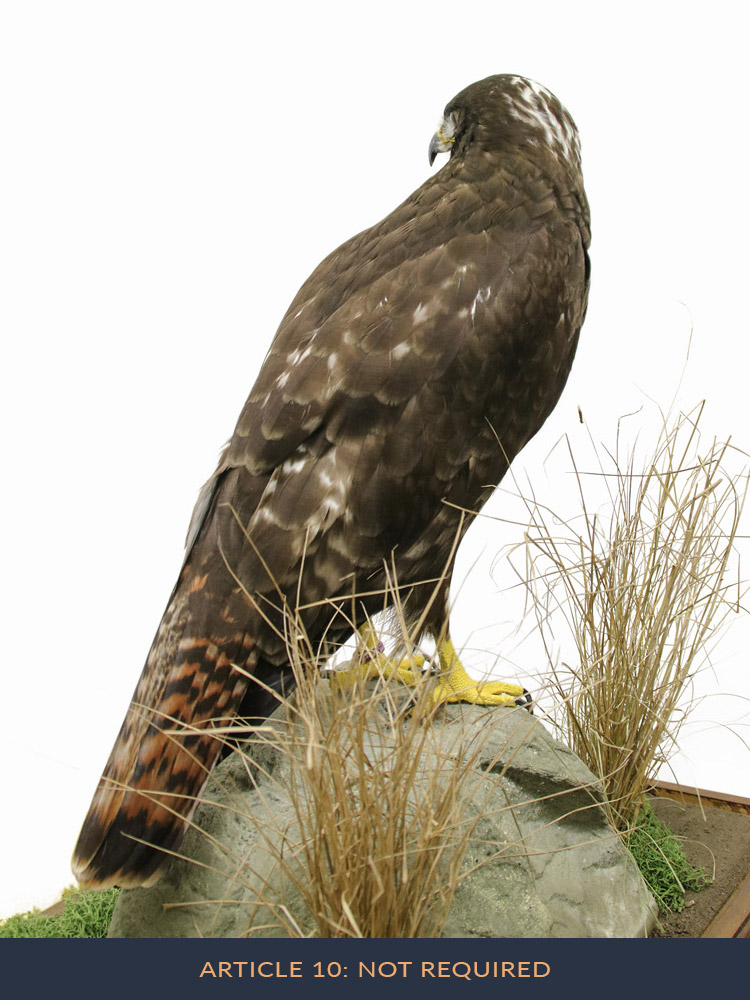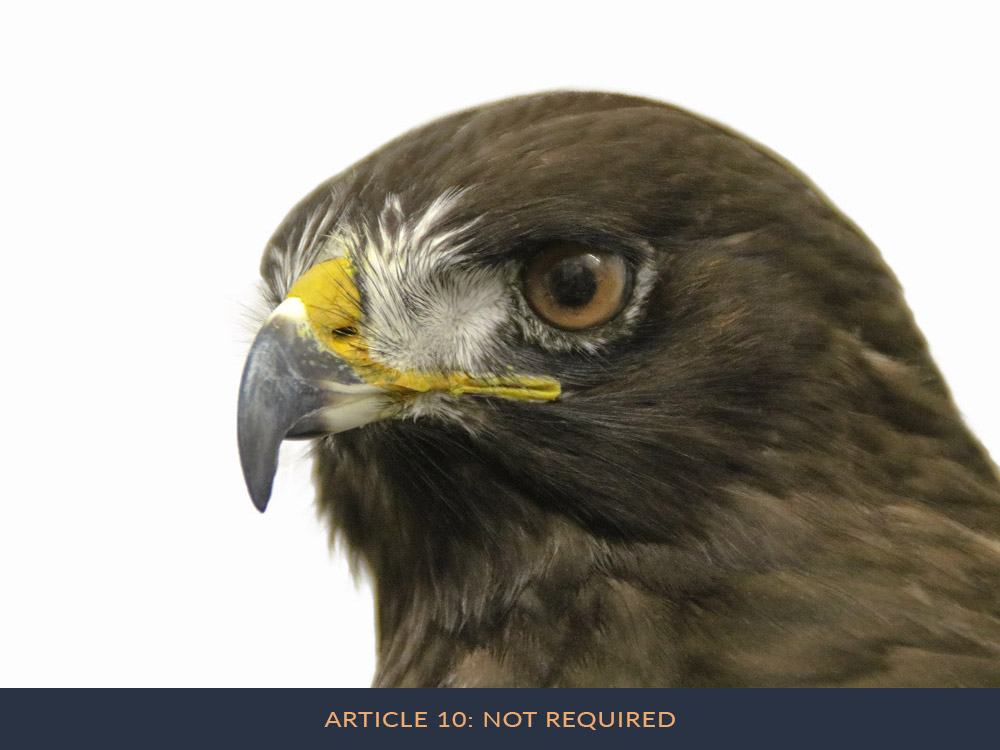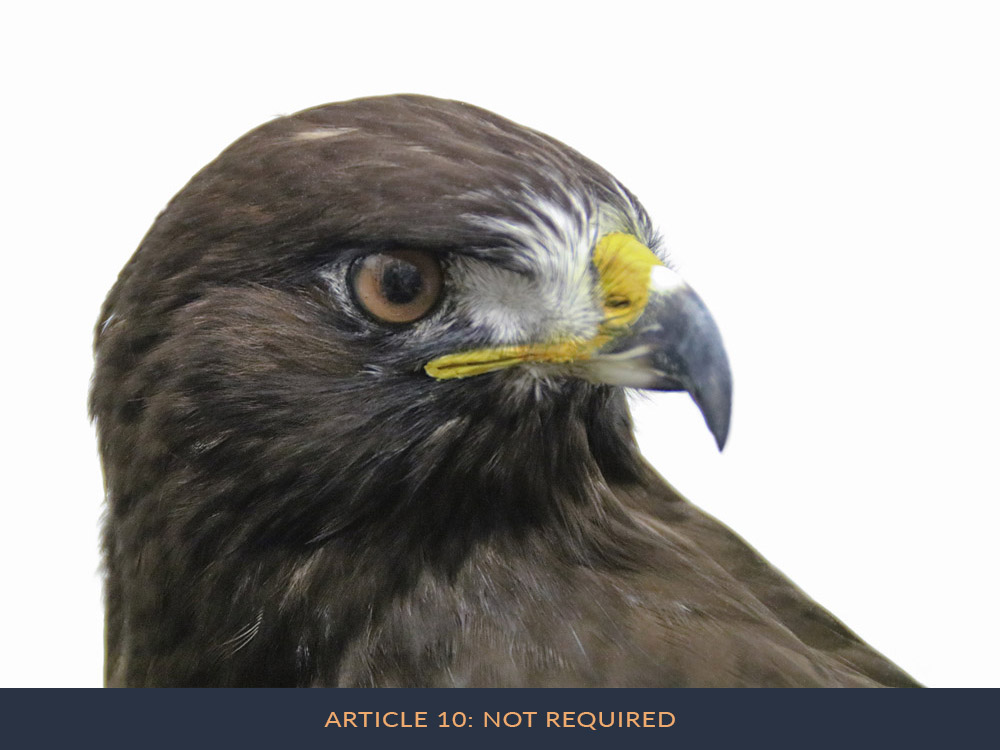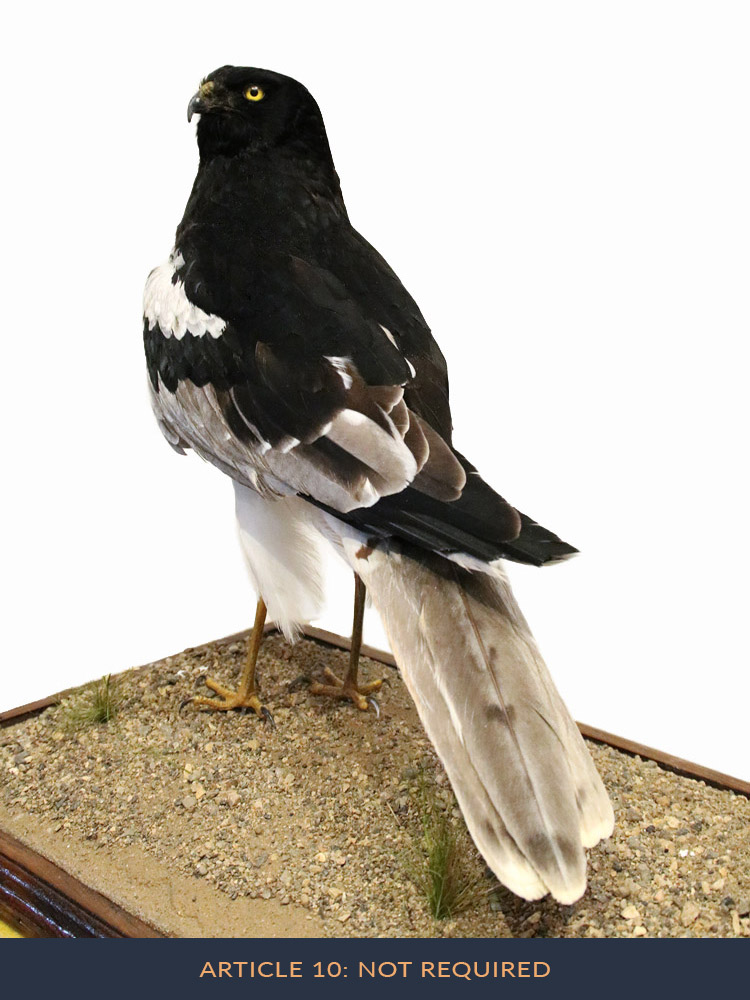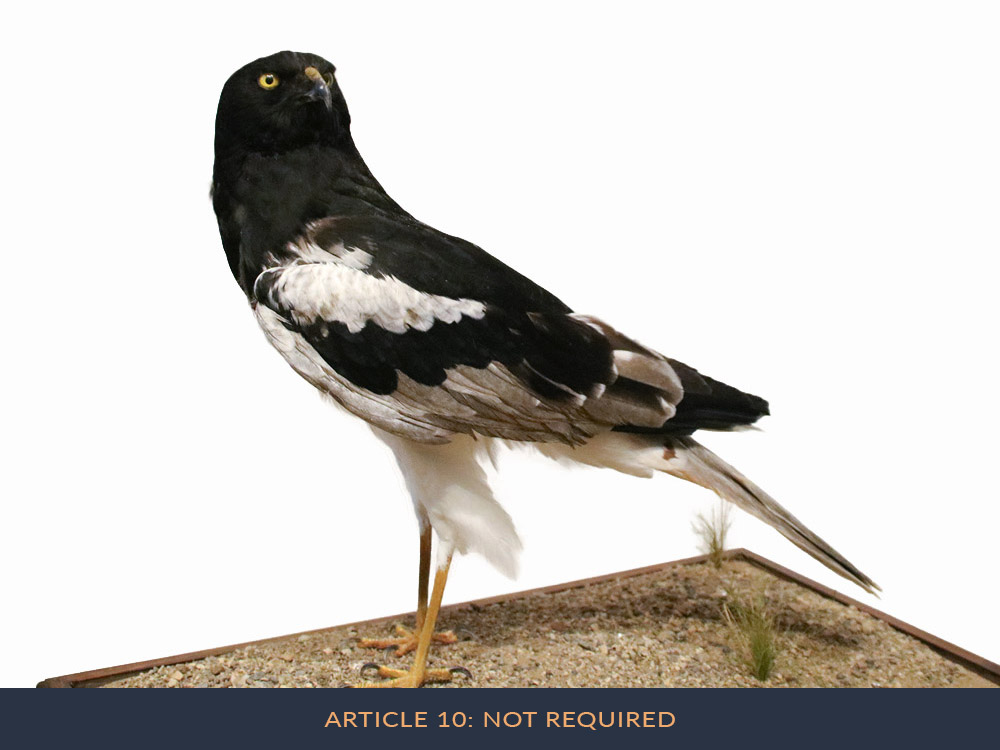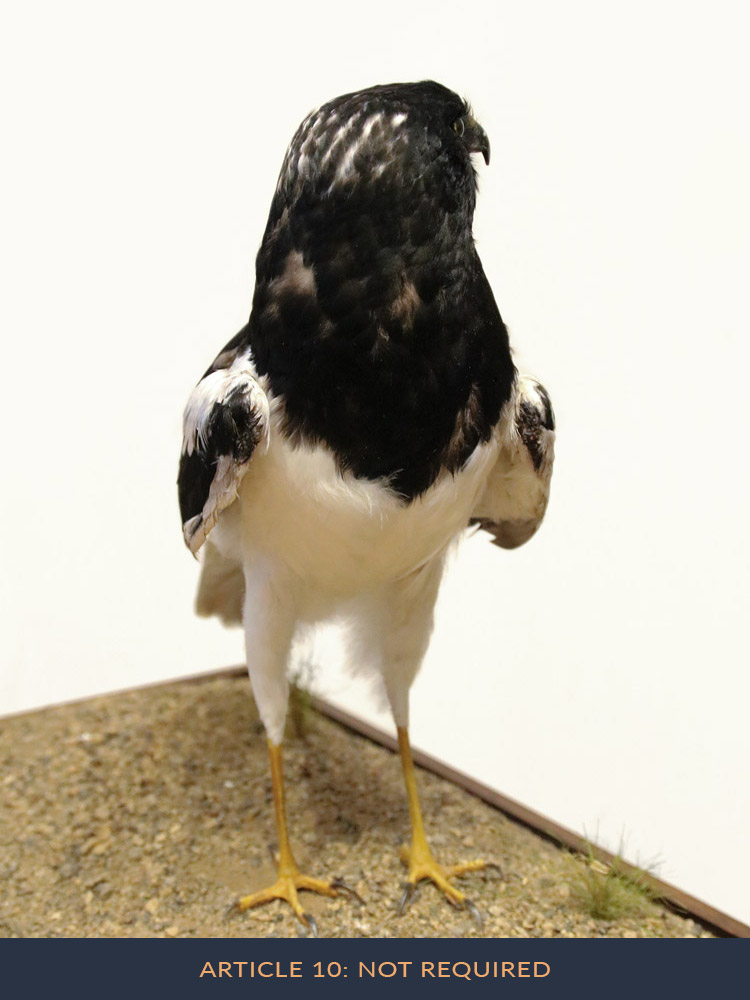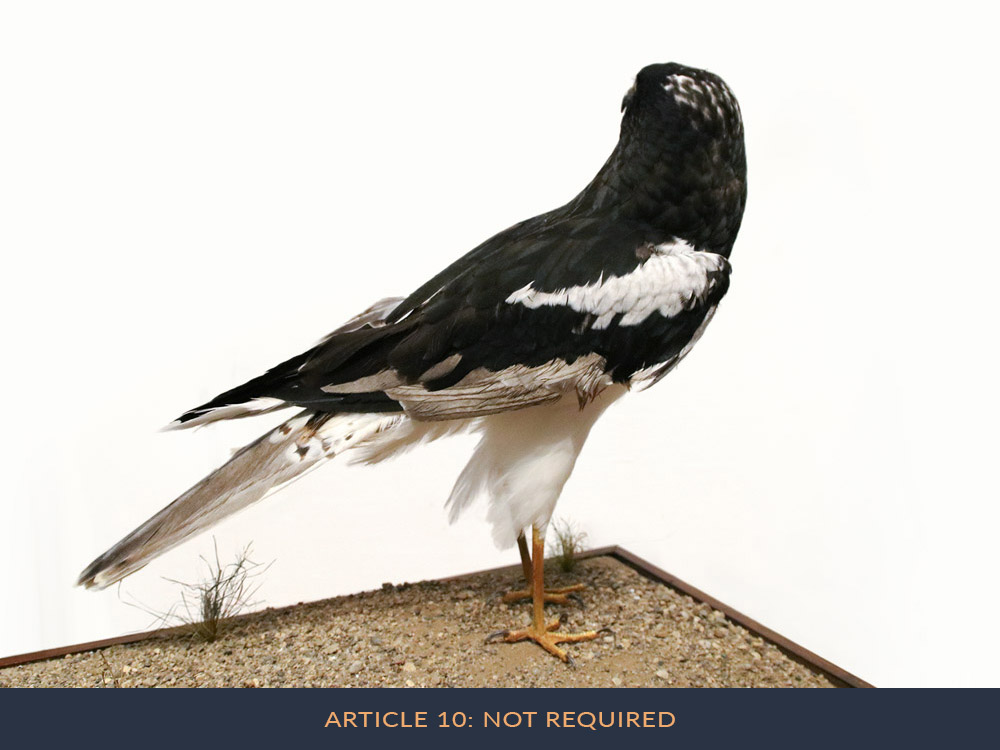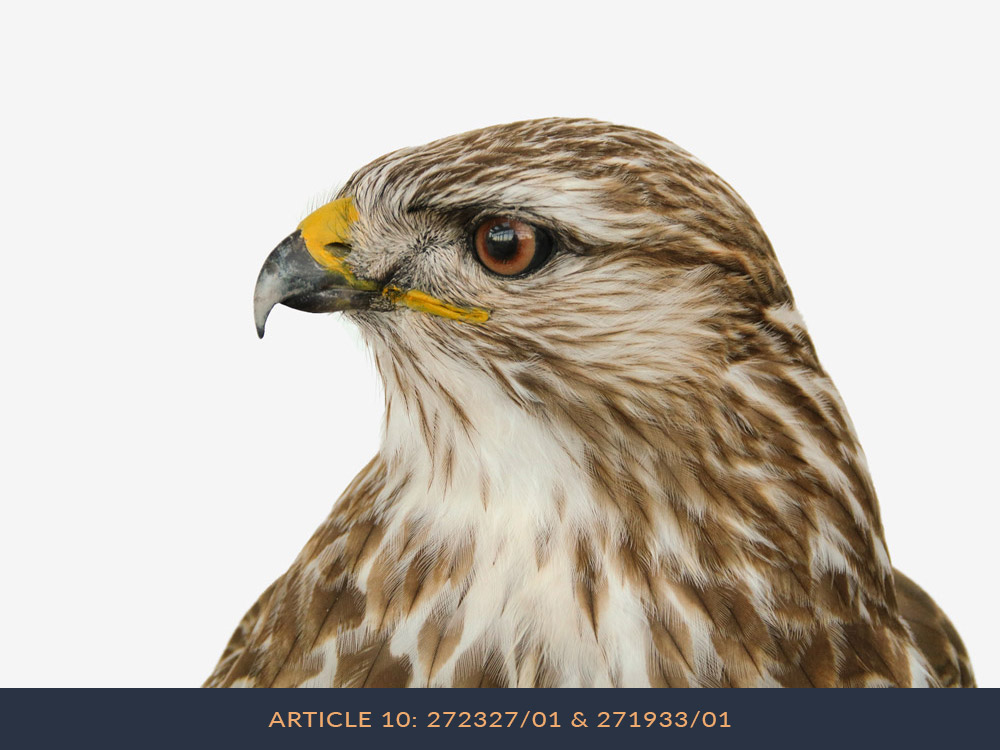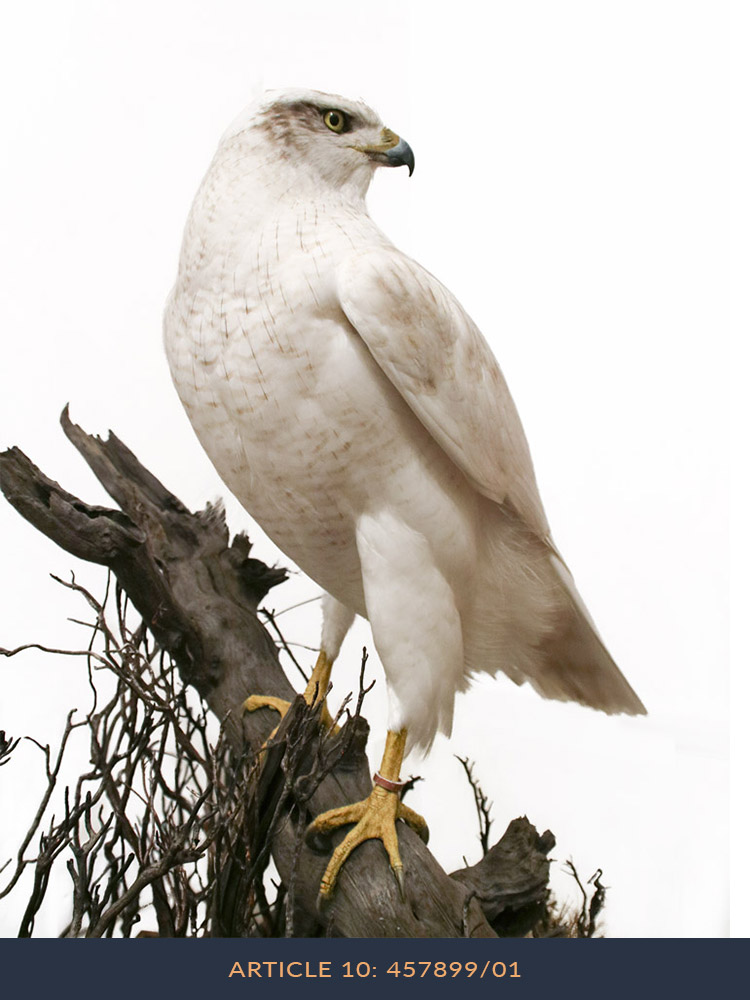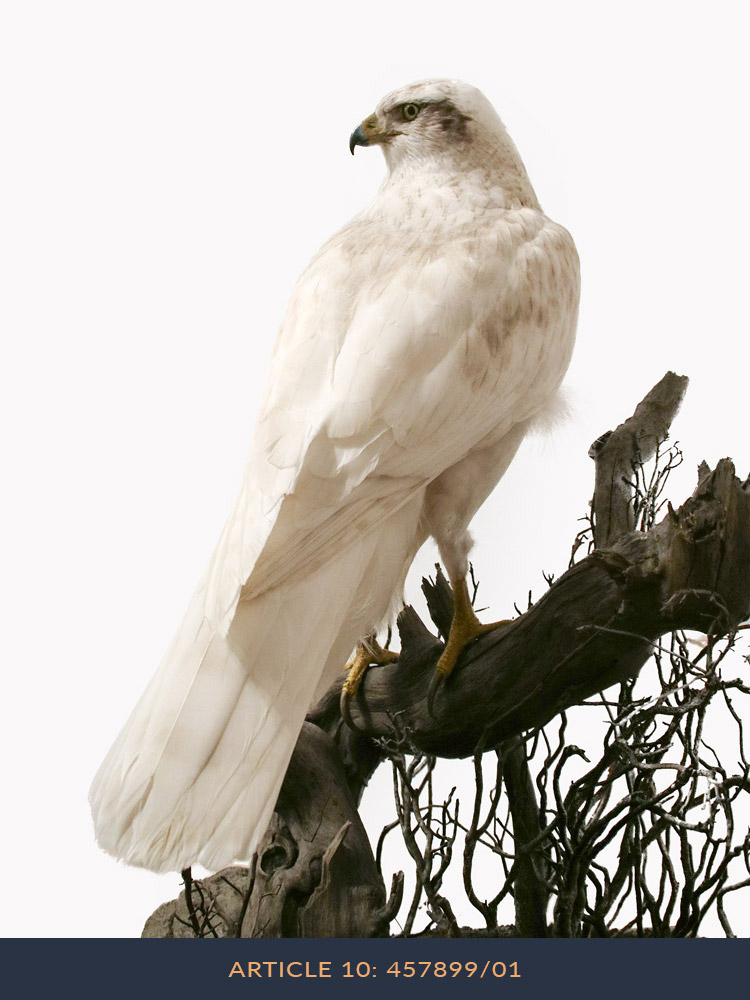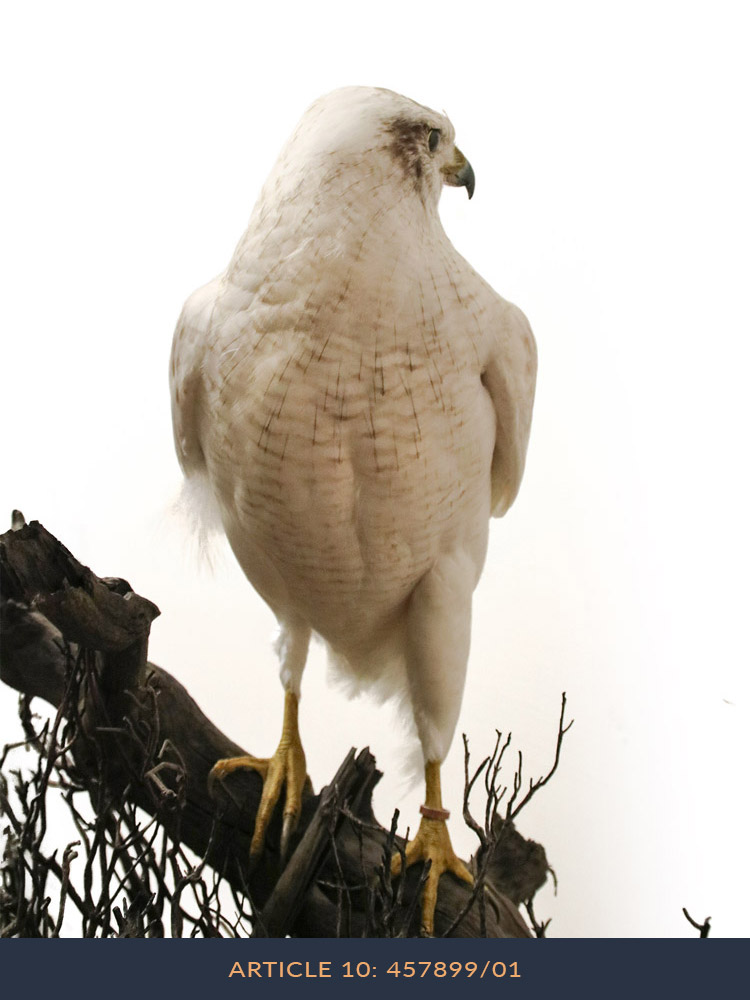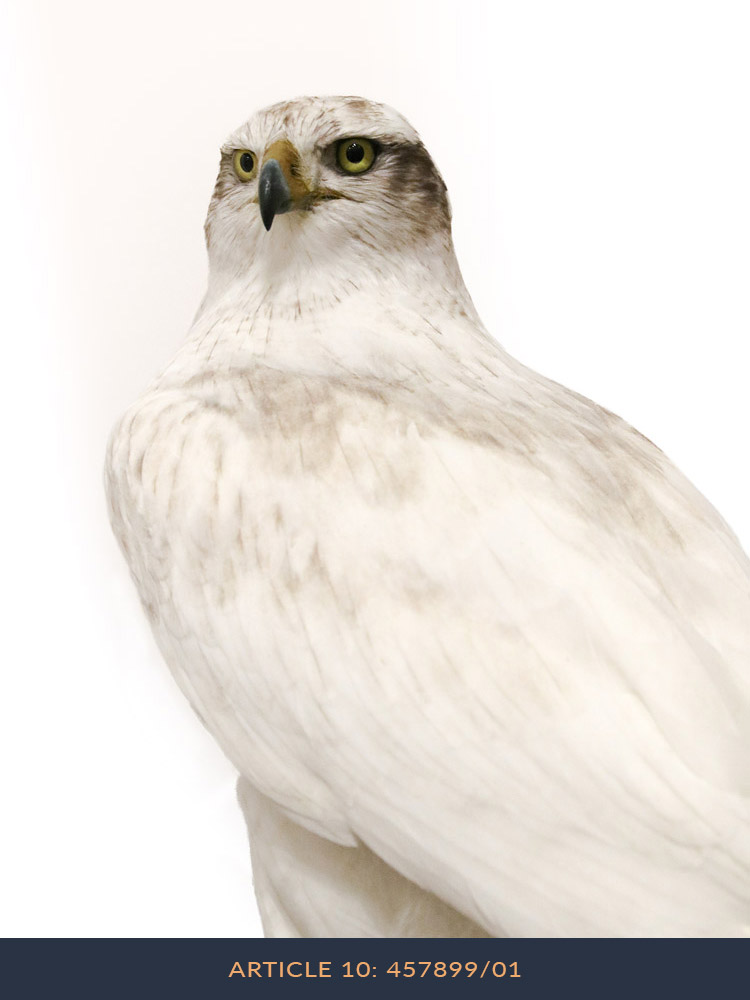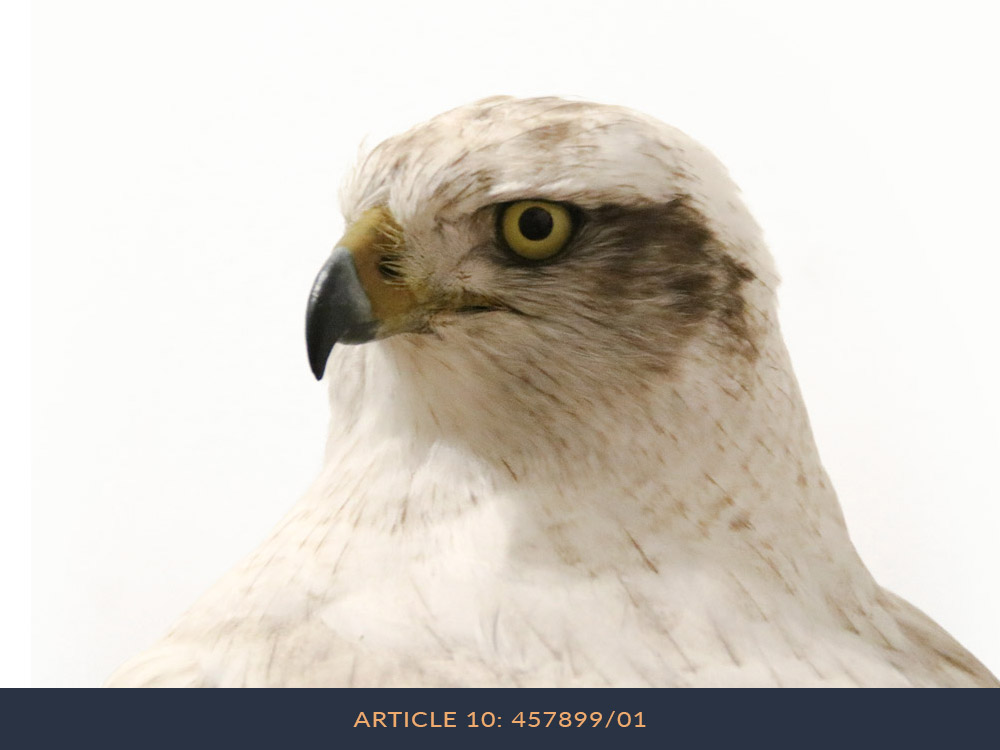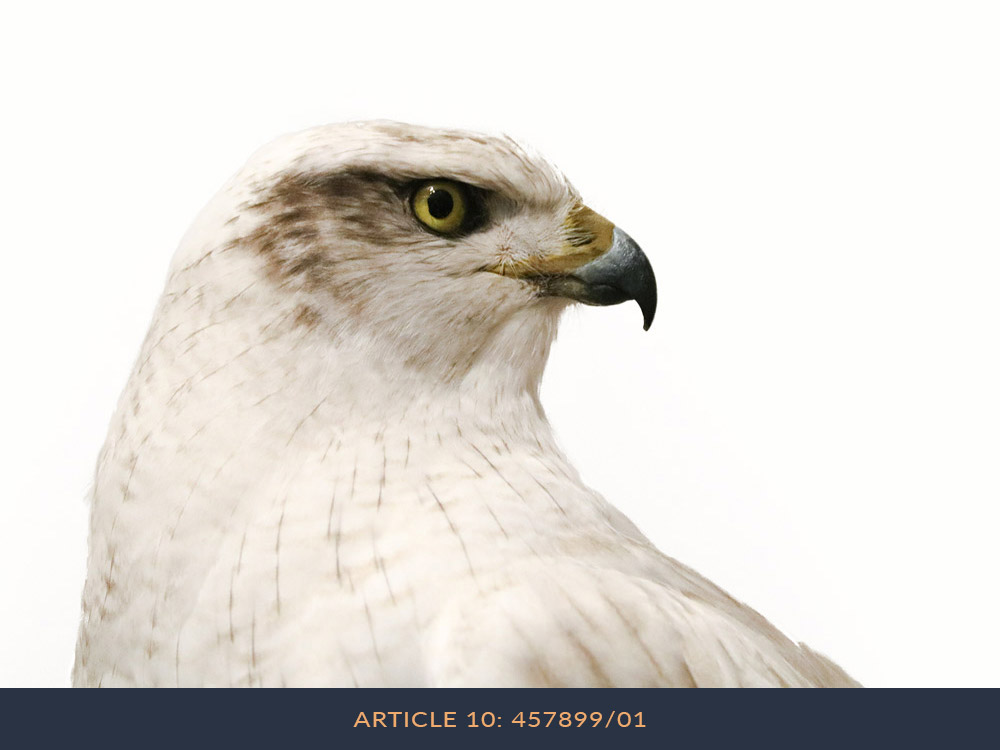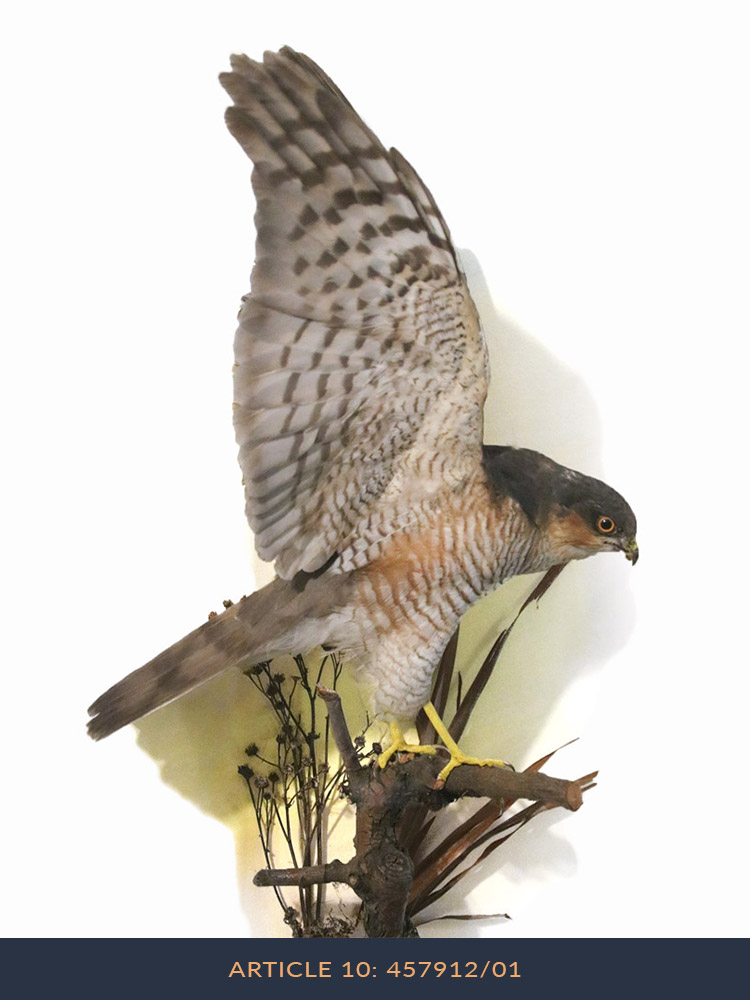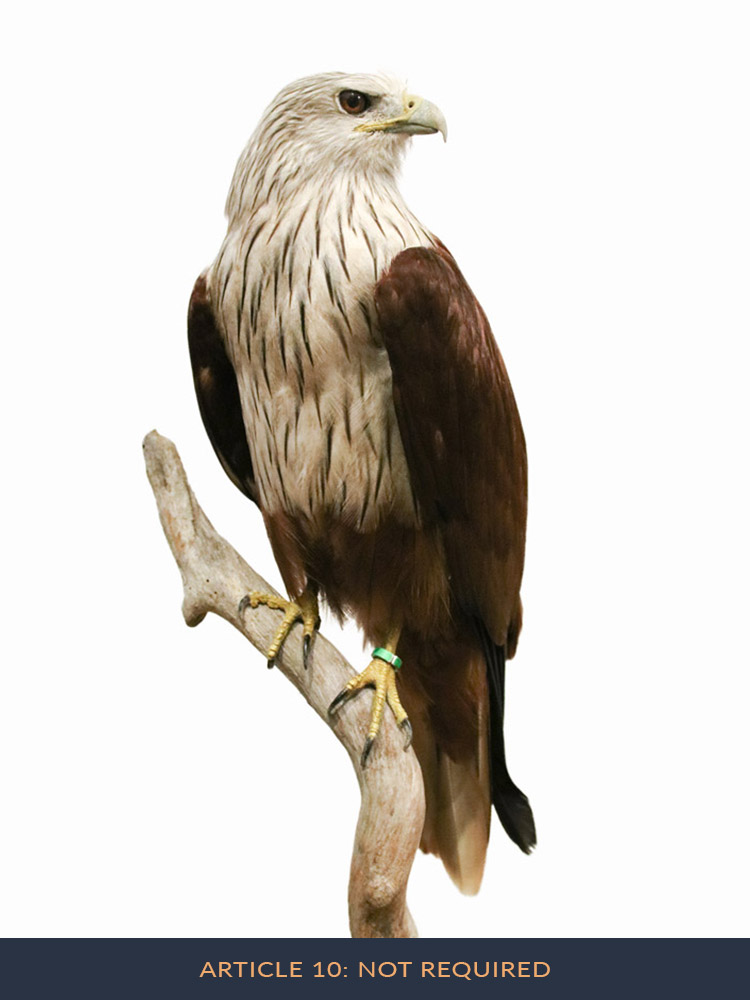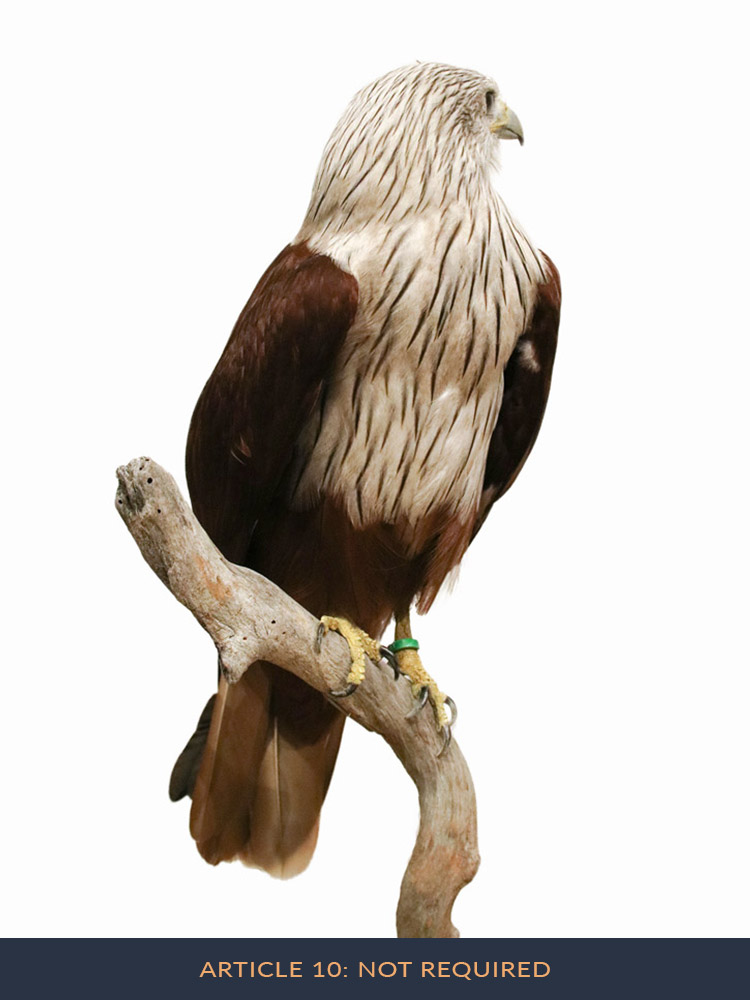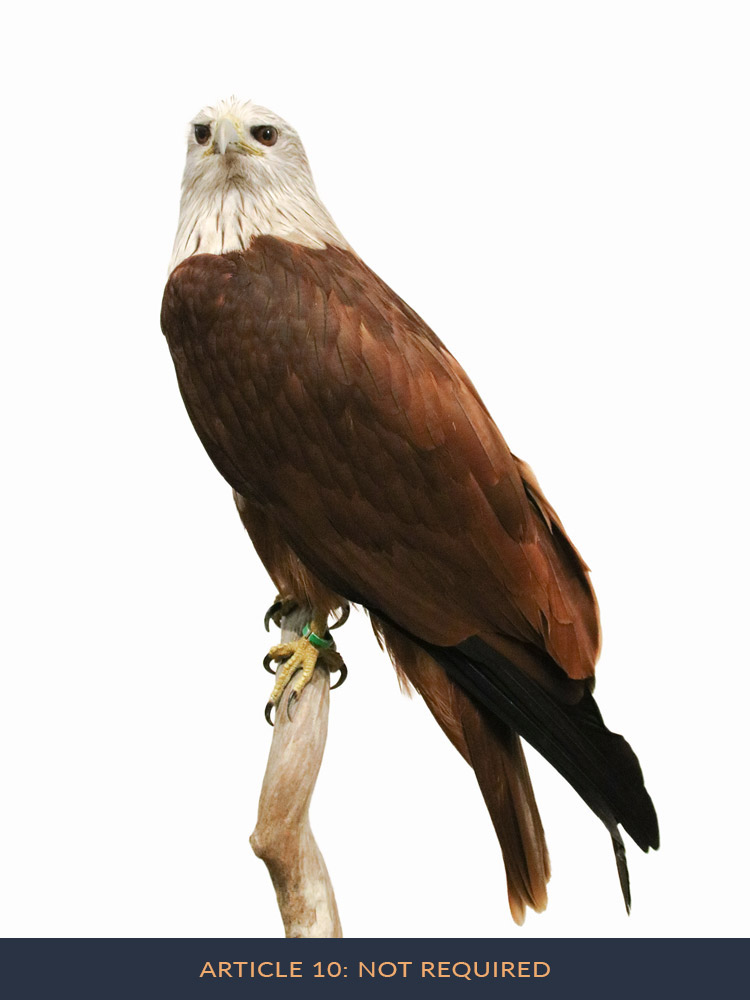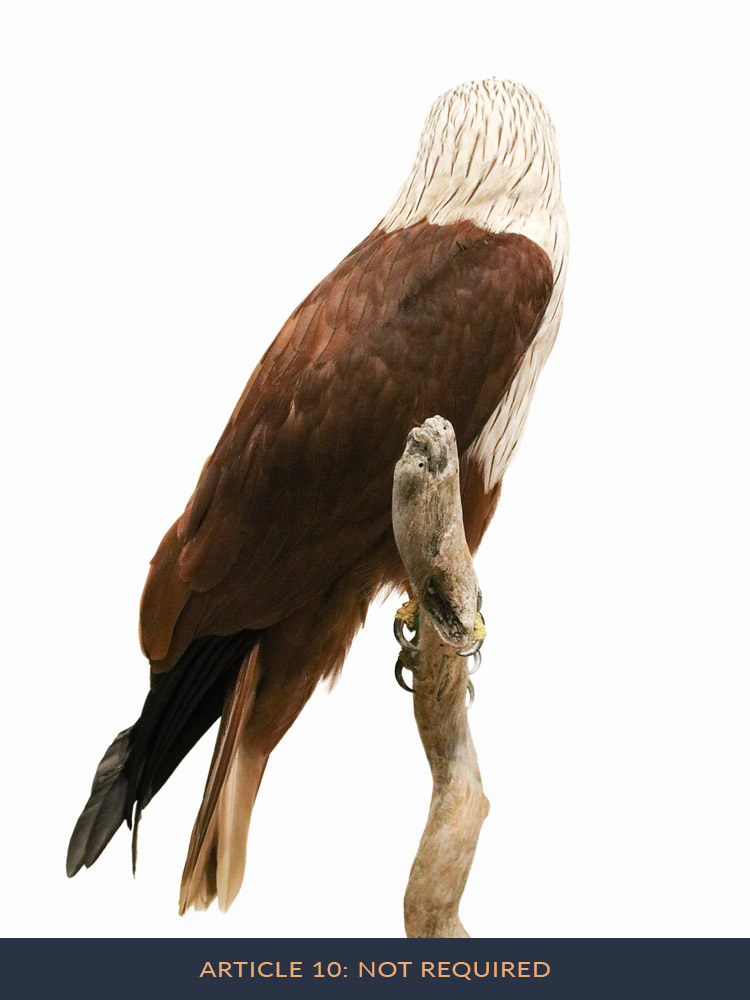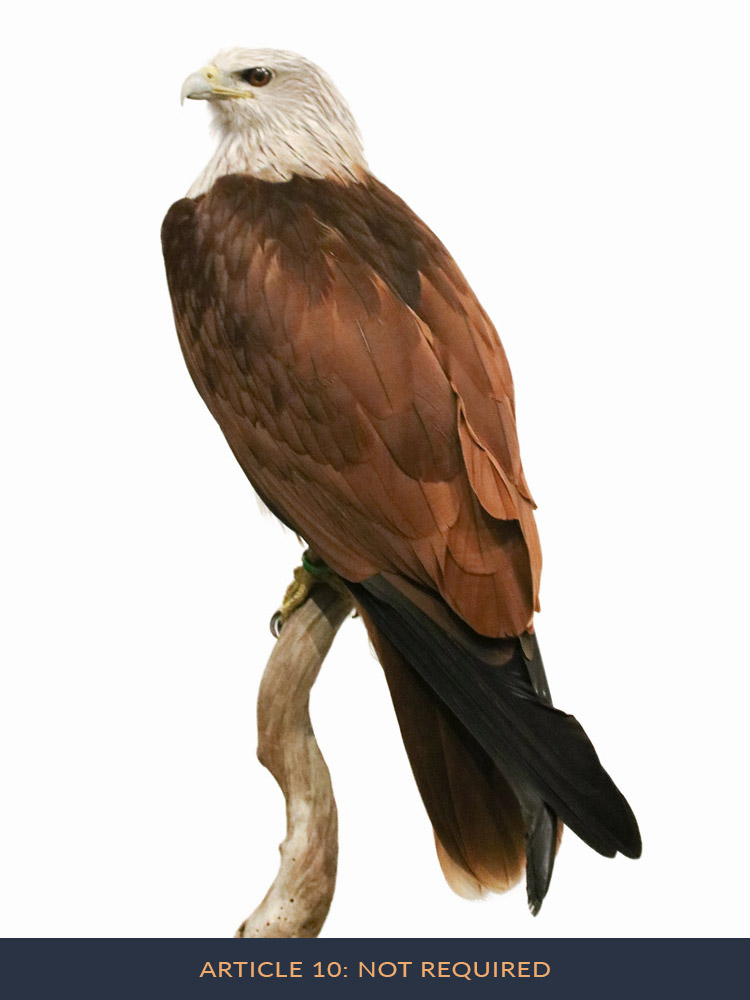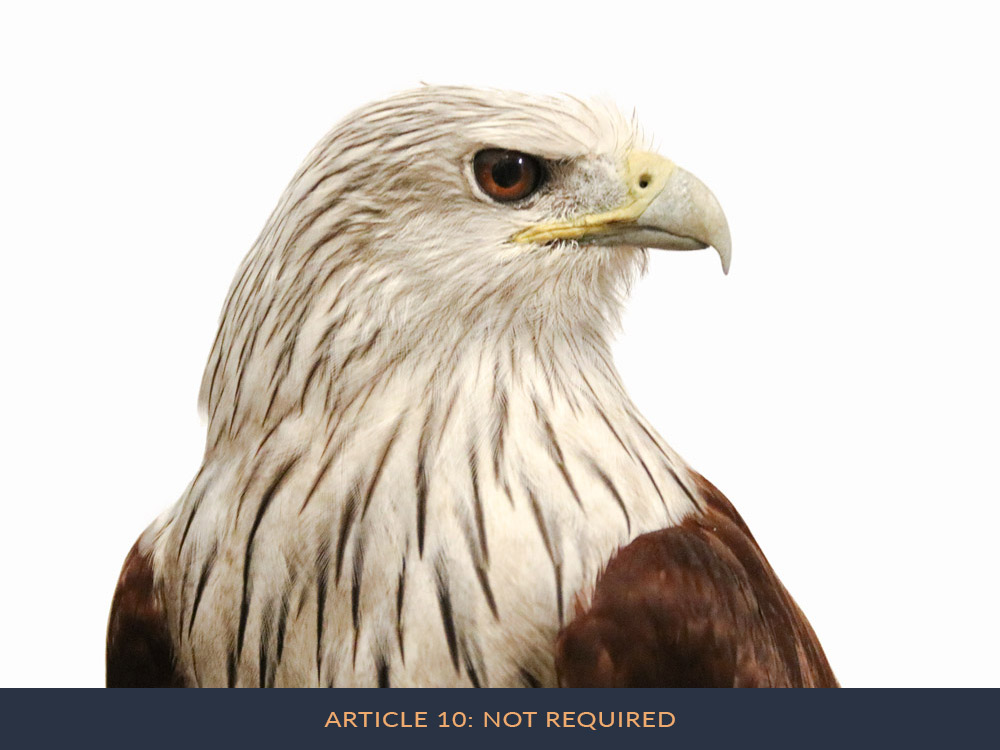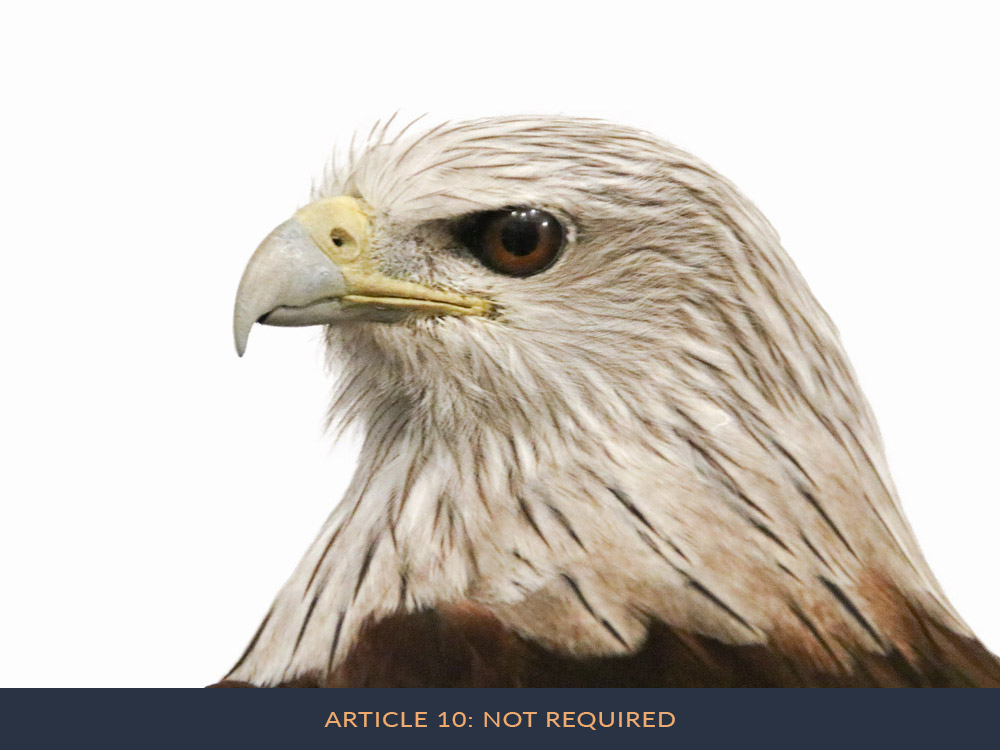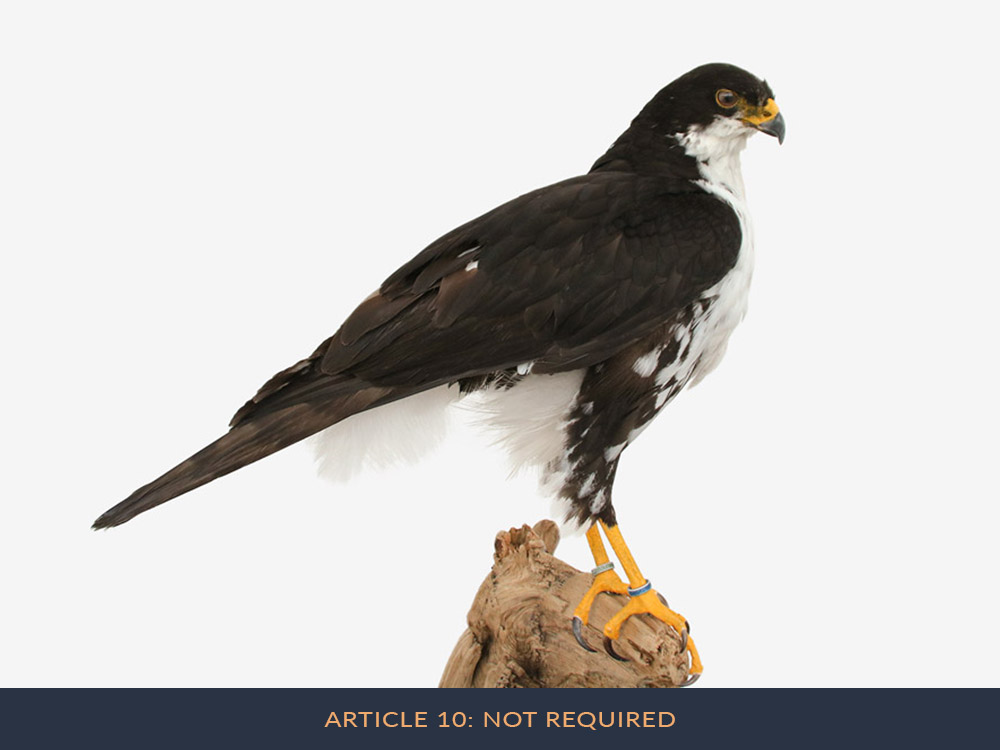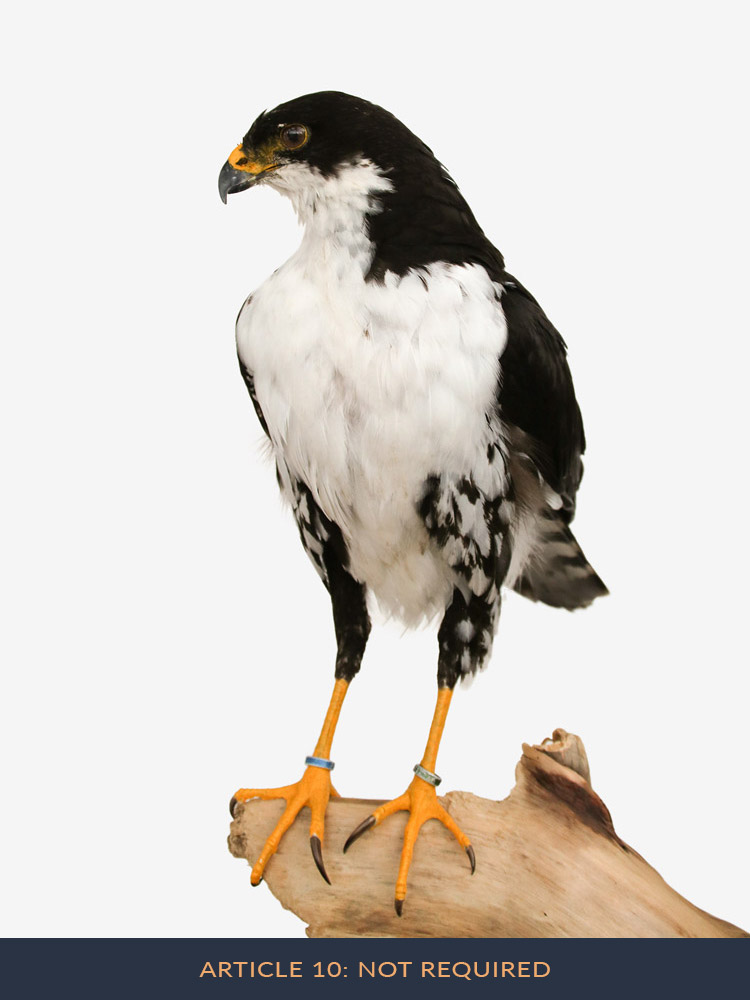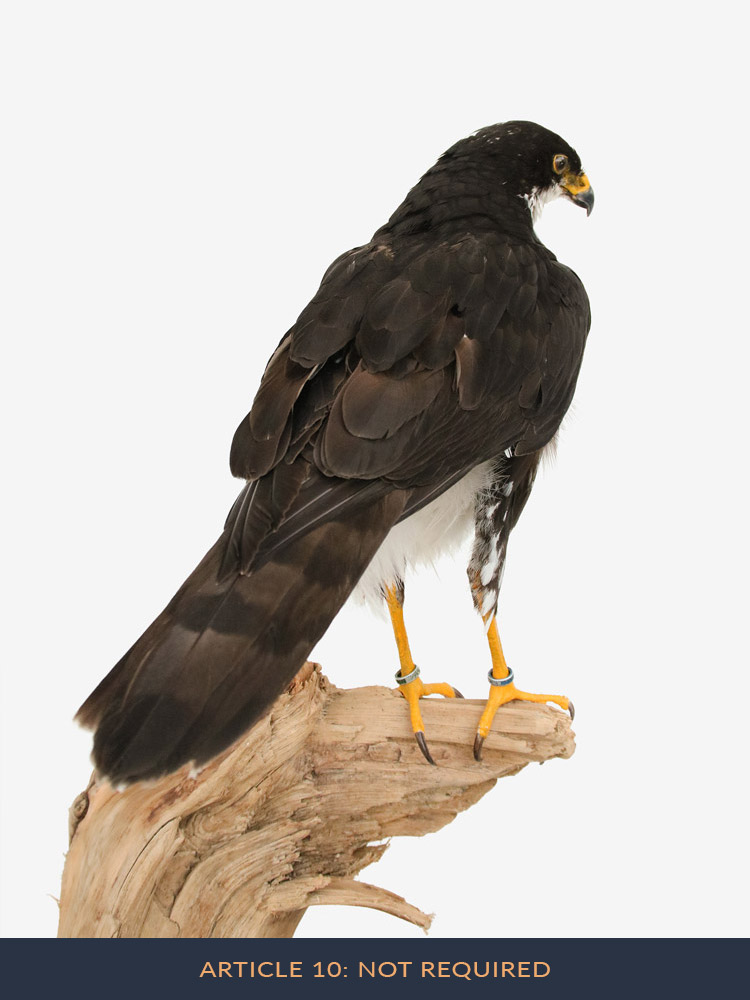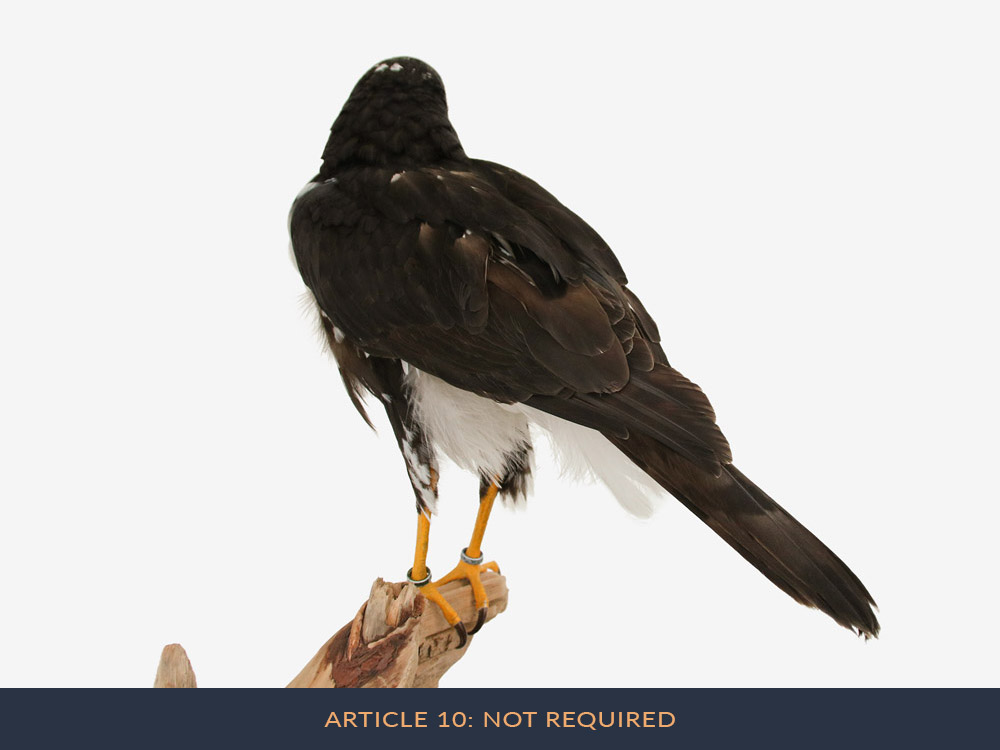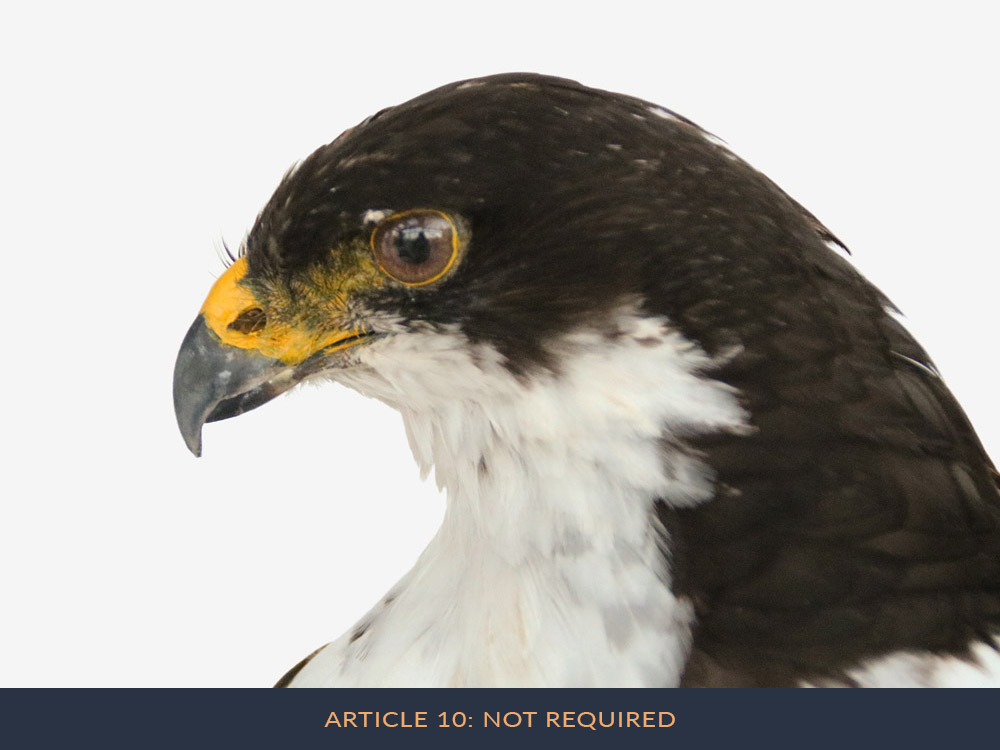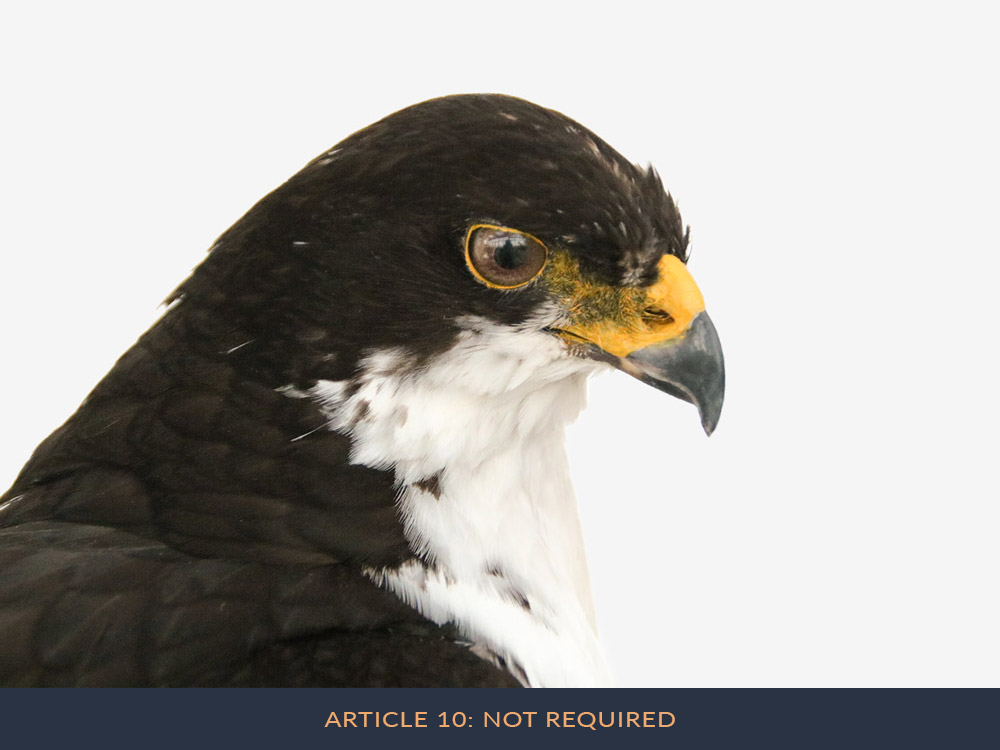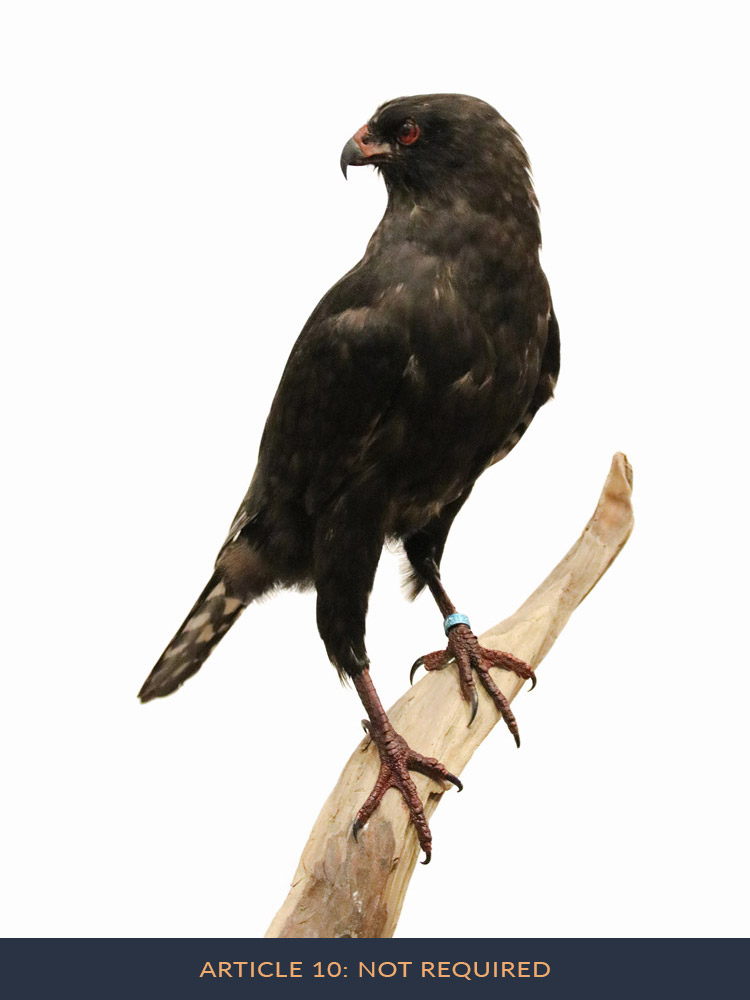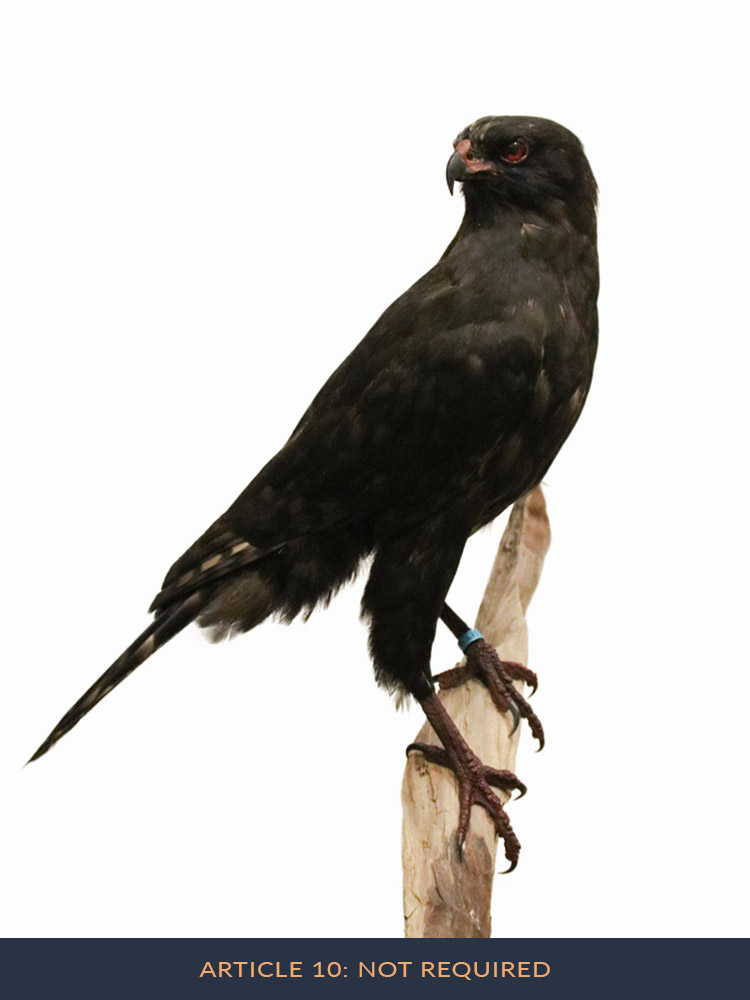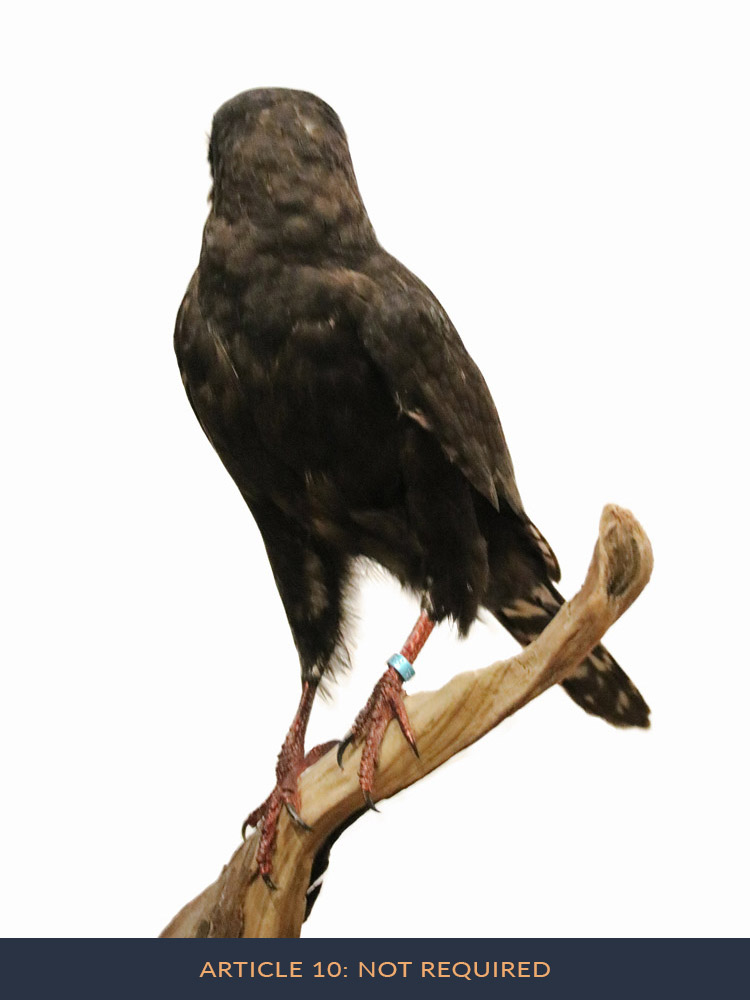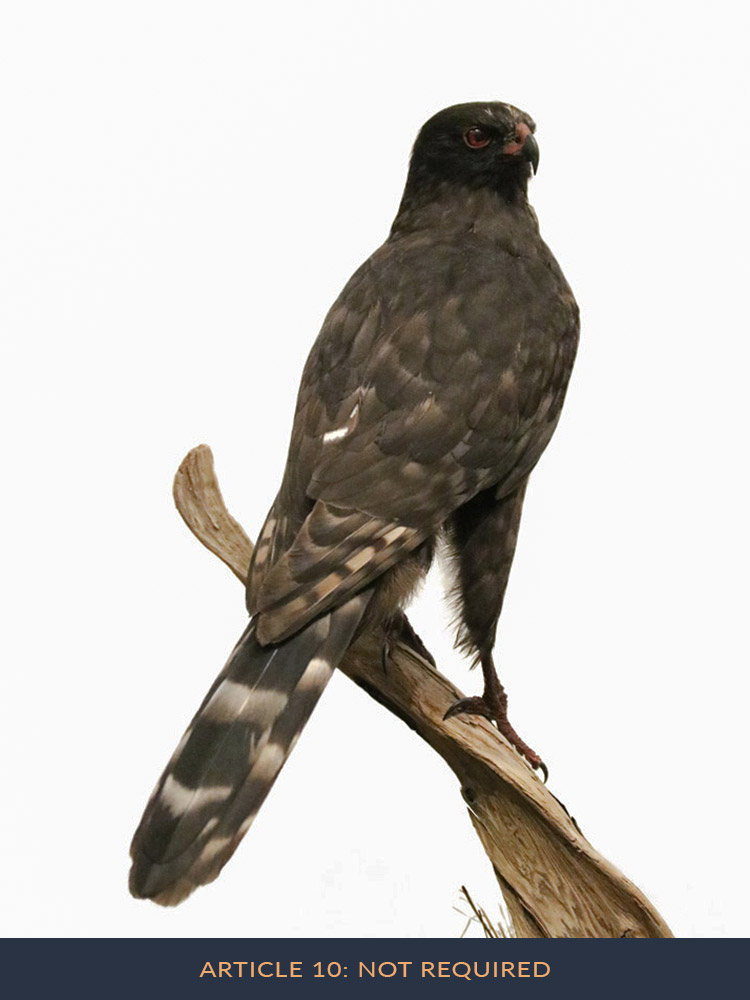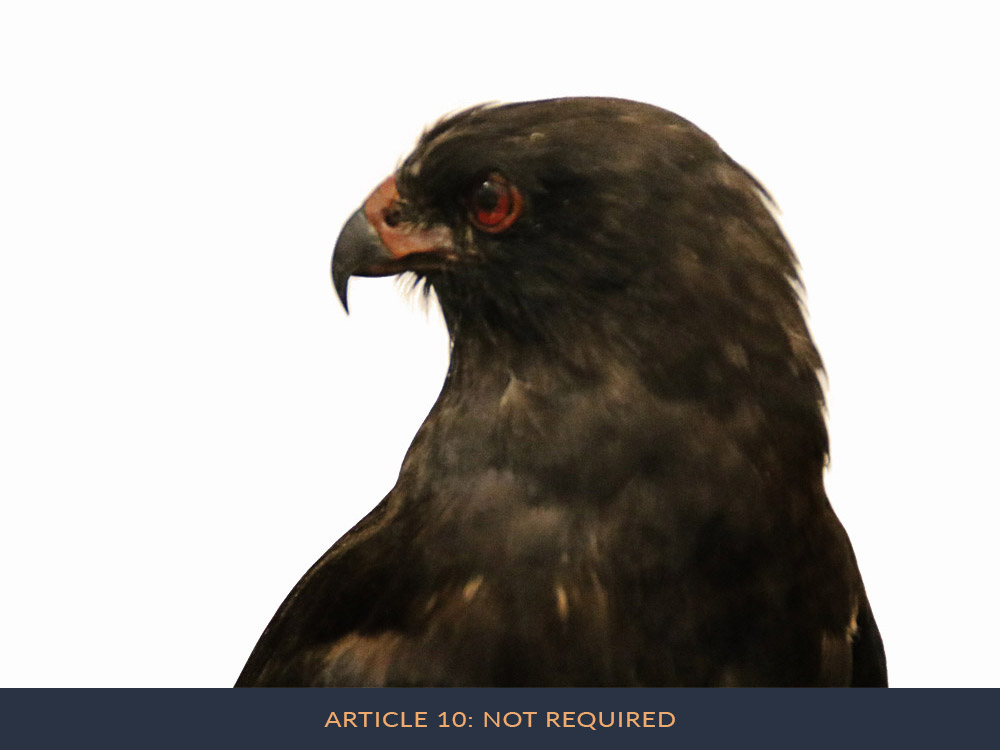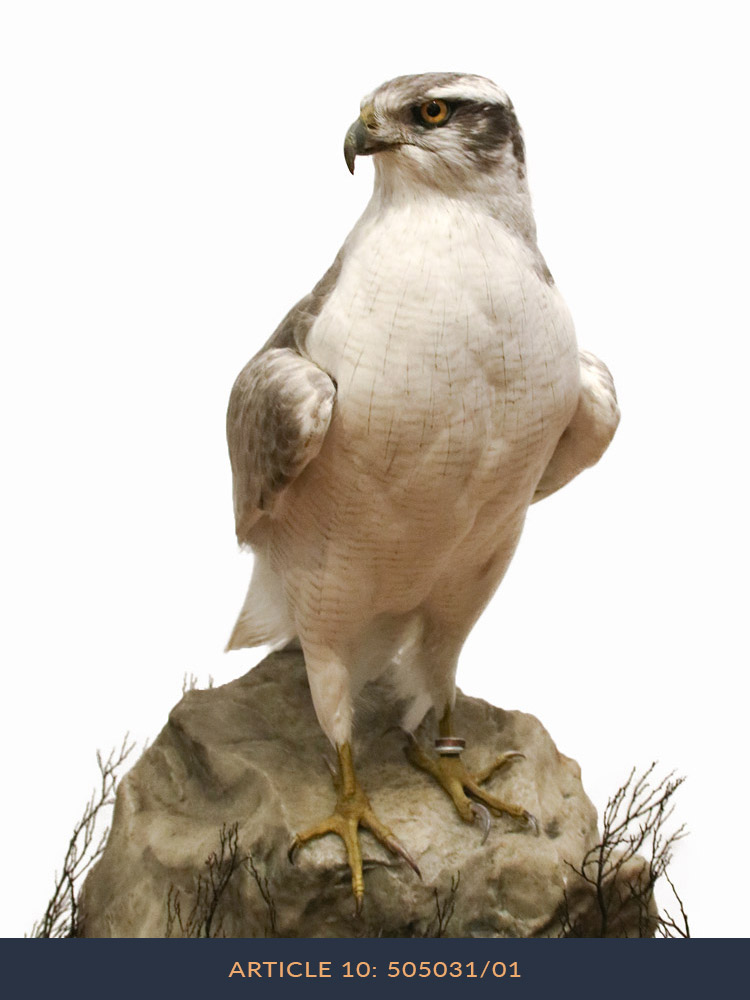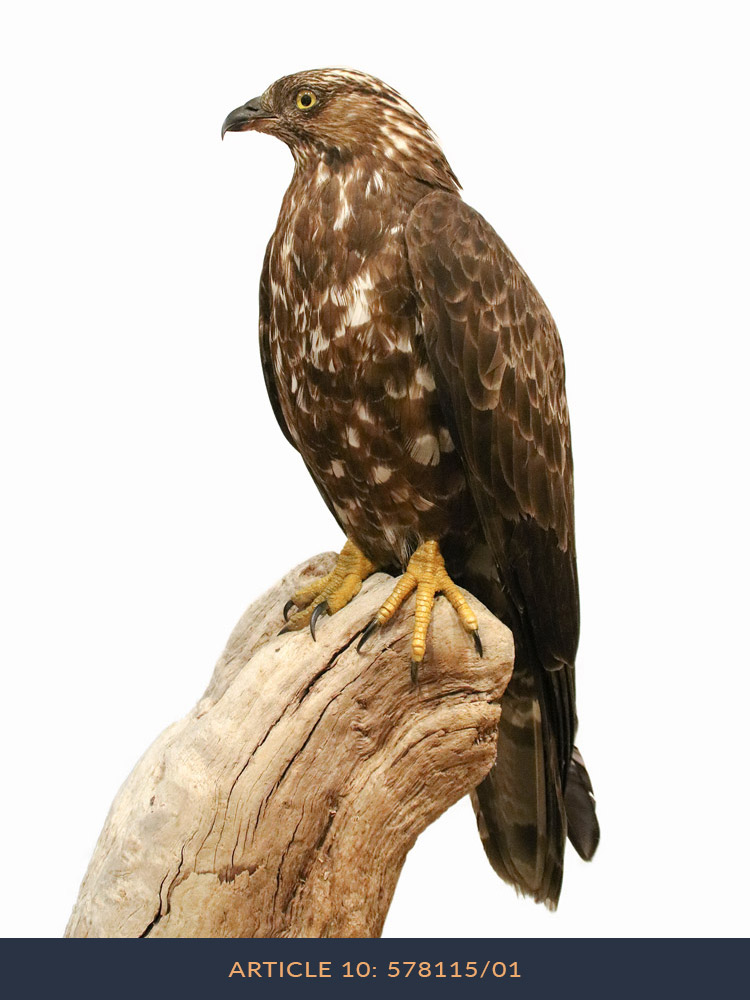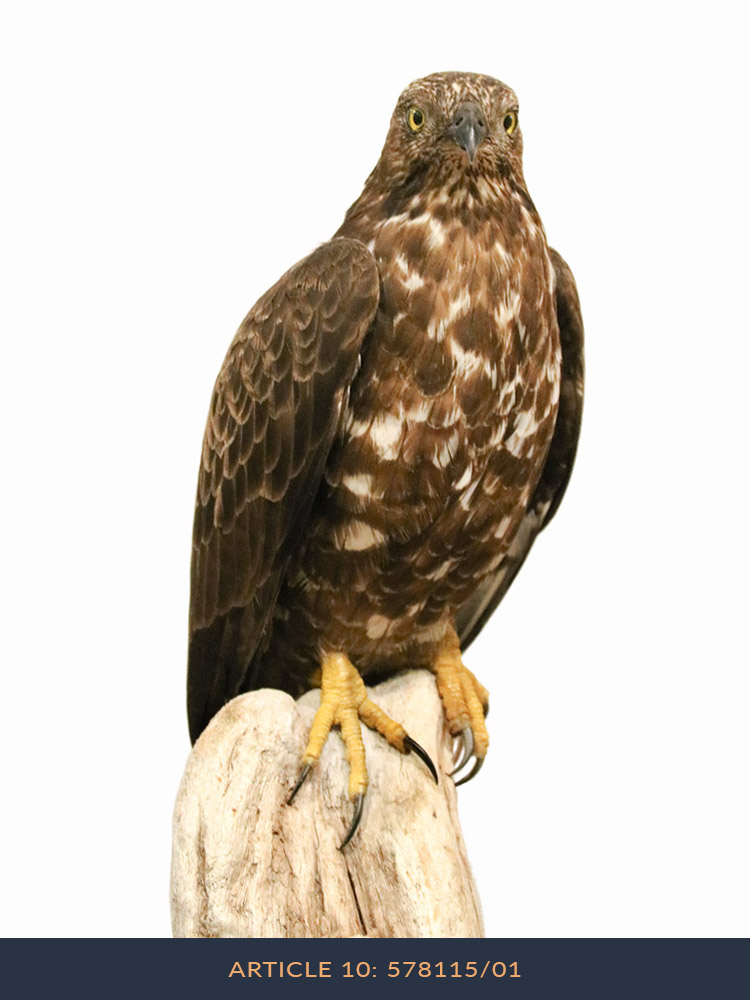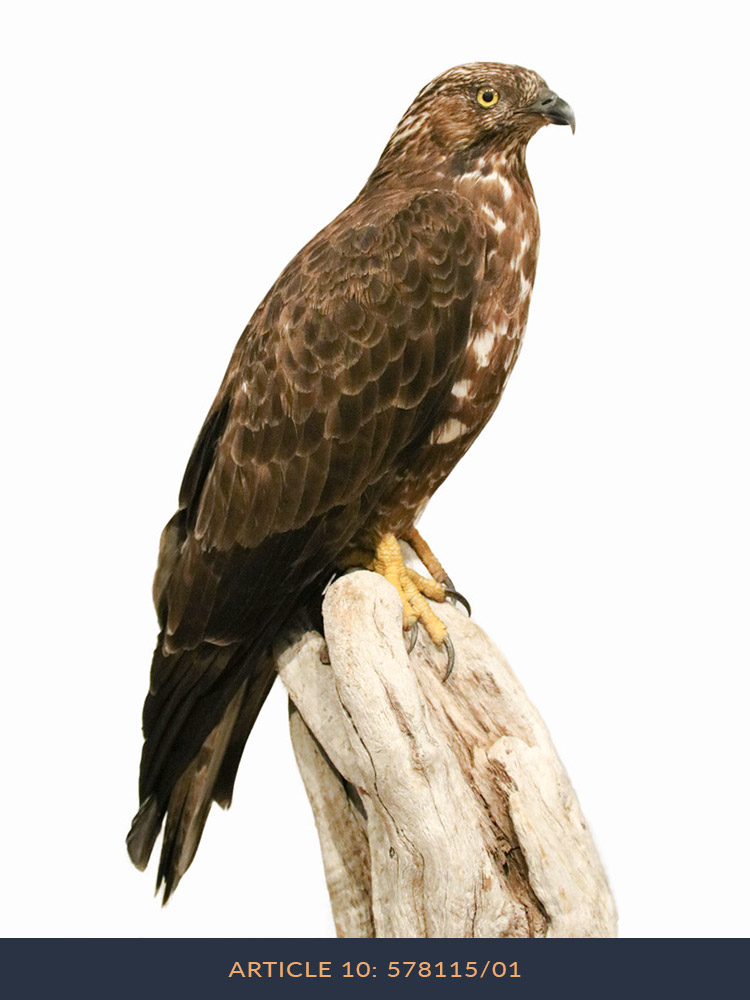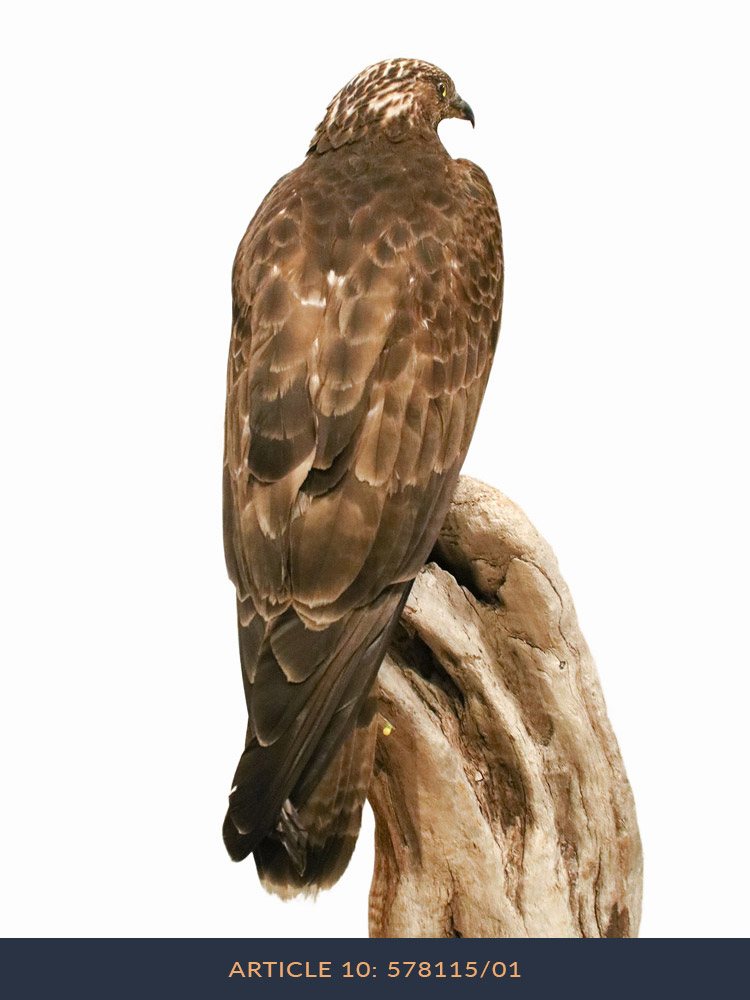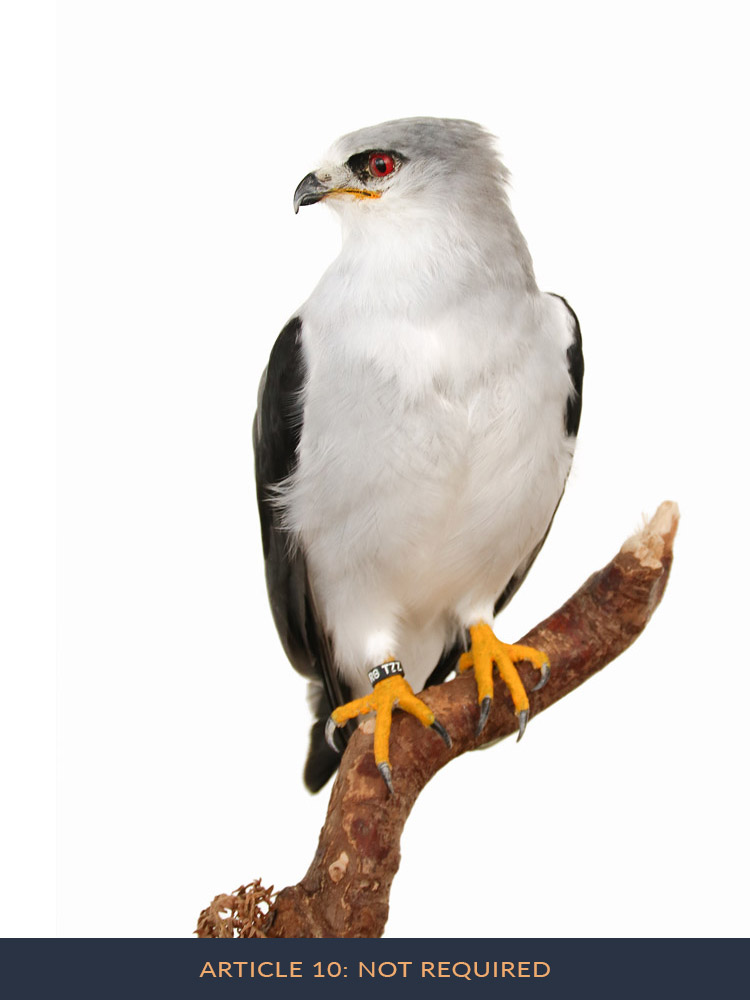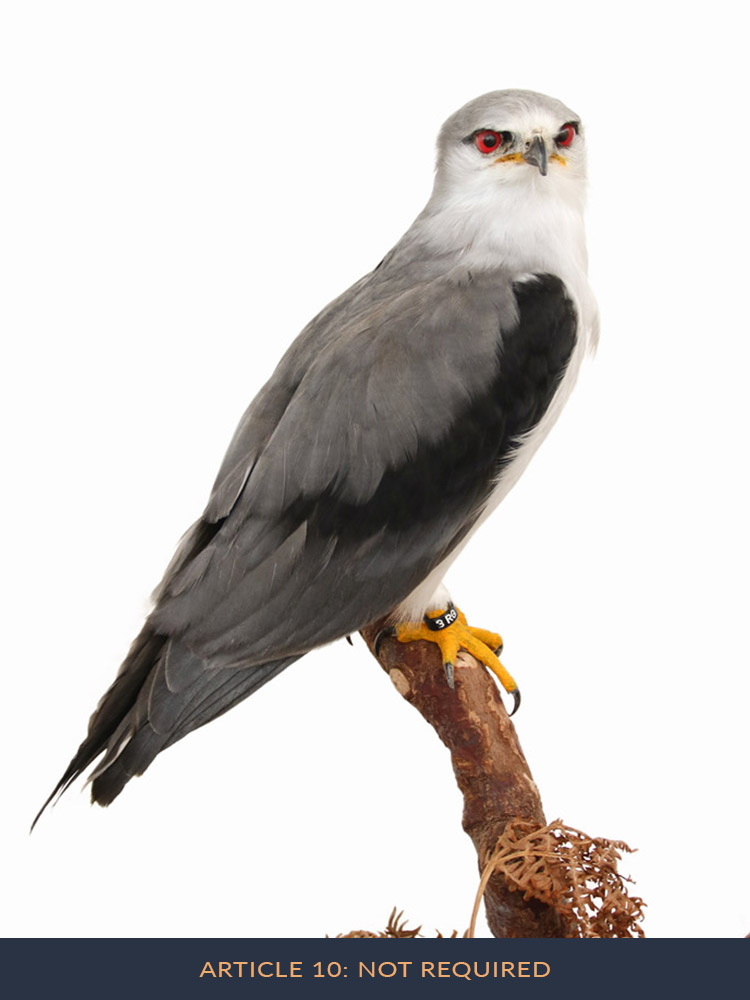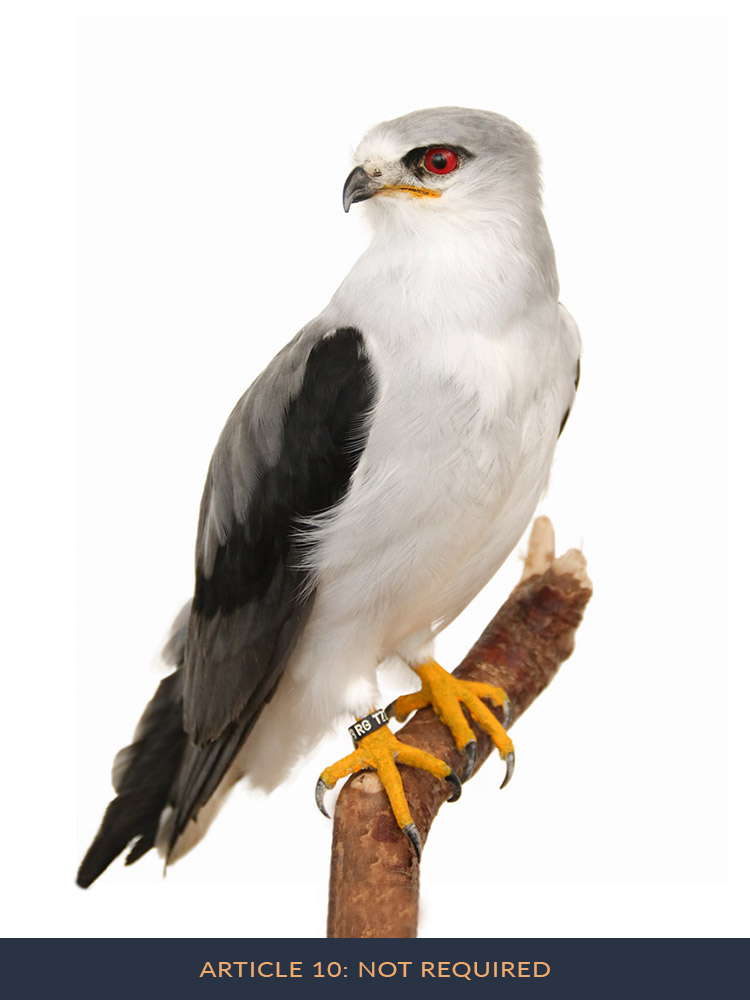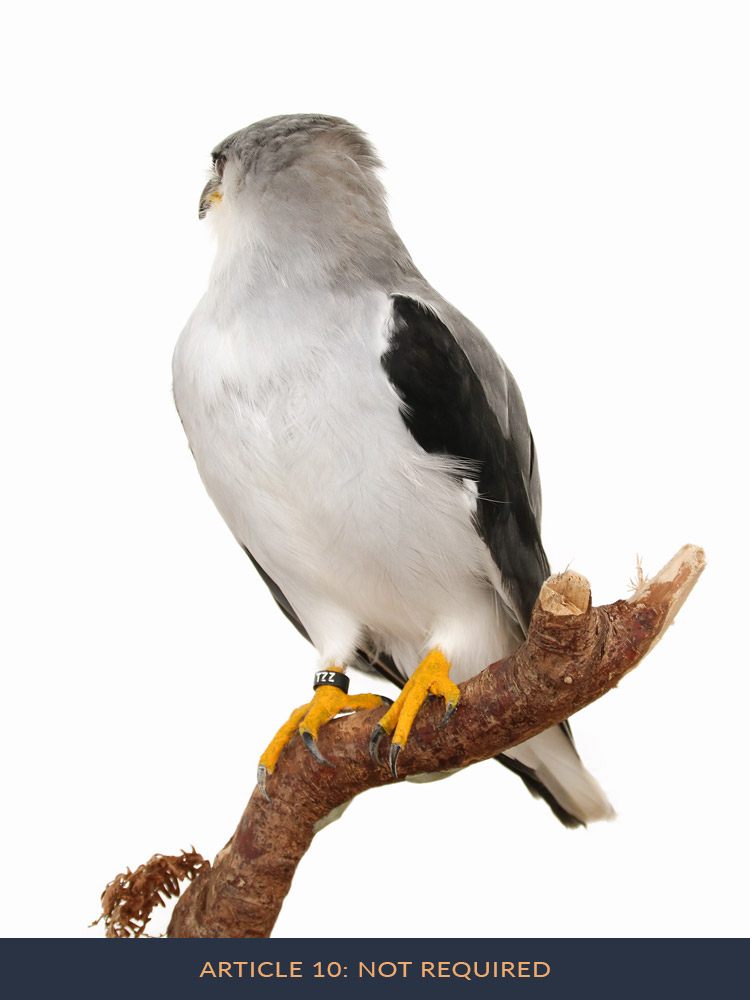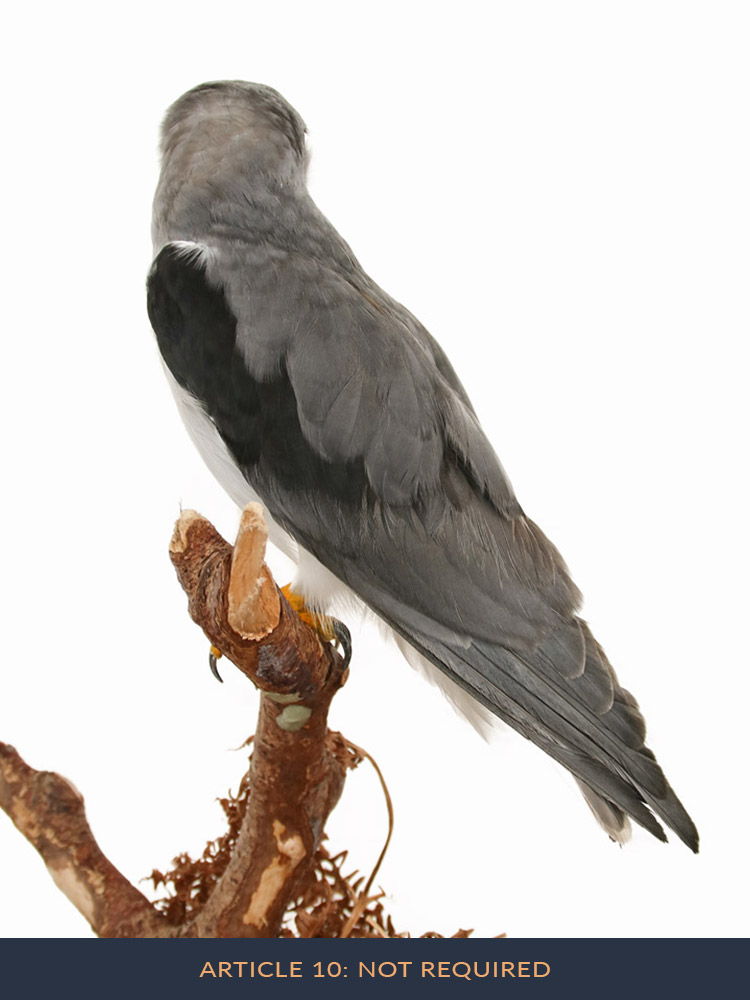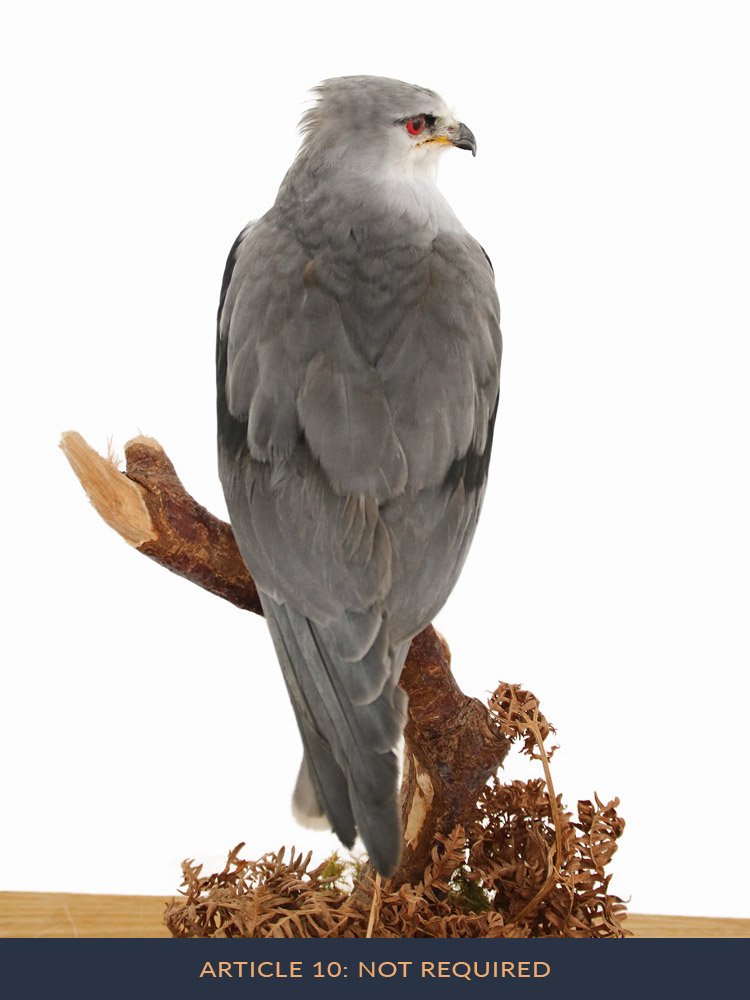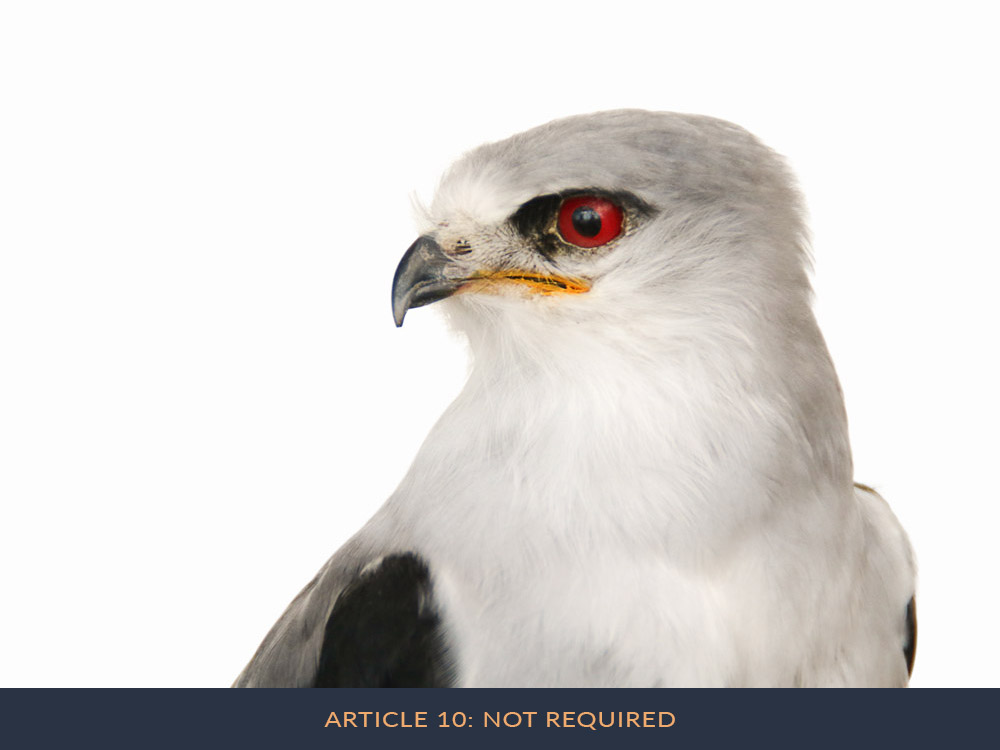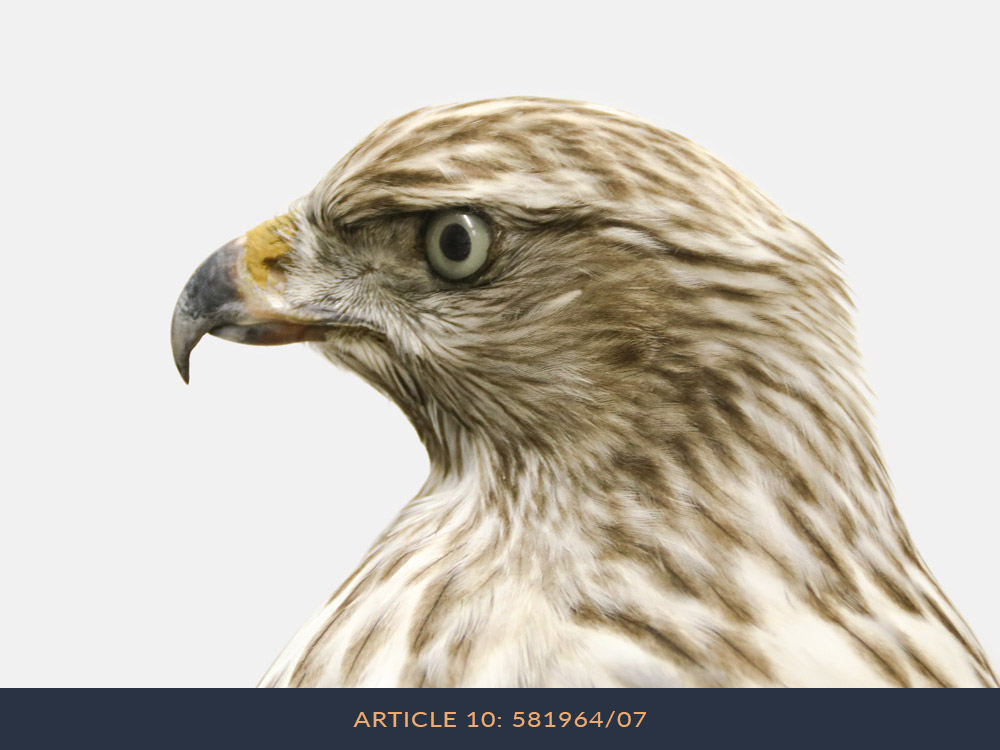
Breeds in Southern Europe, Central Asia, Iran. Migratory. Imported into the UK decades ago but not seemingly any more.
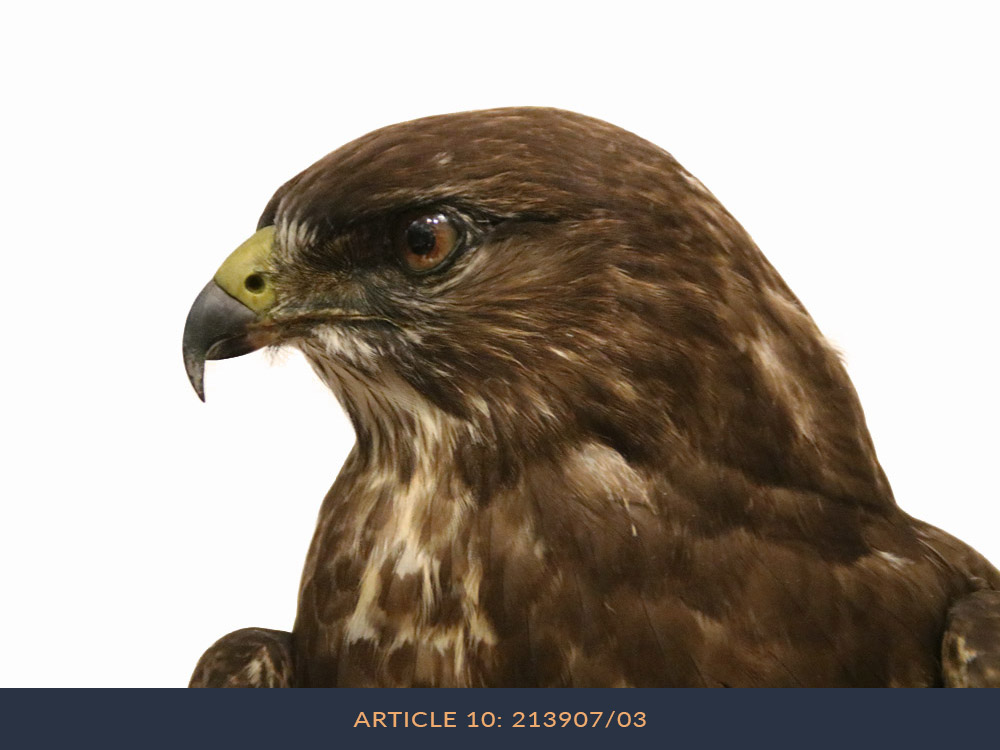
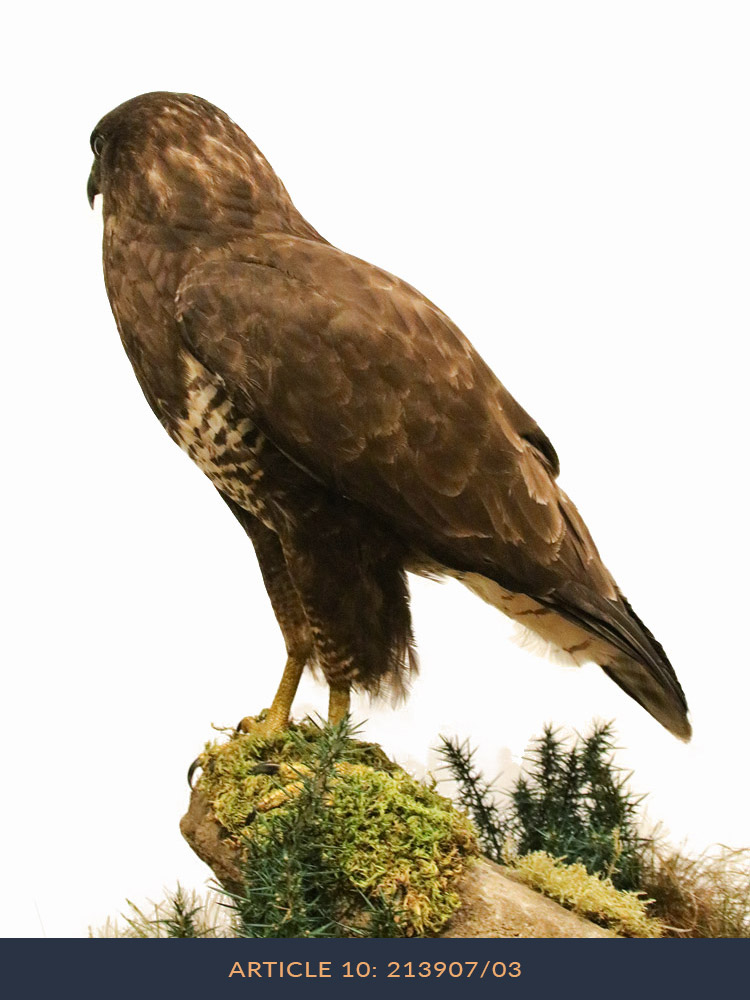
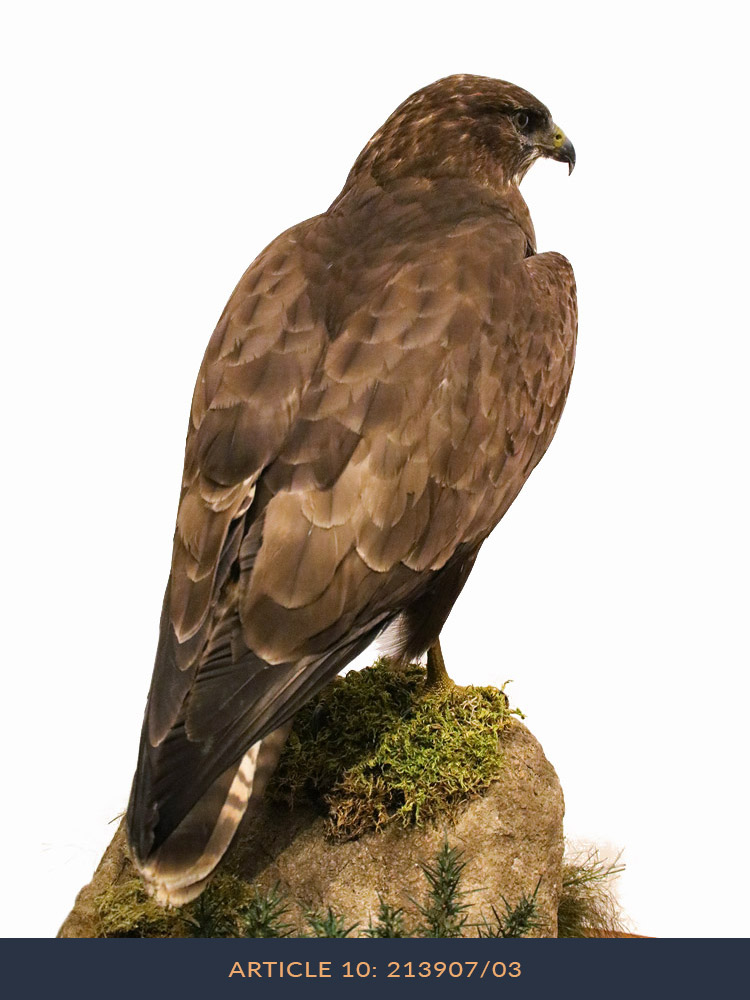
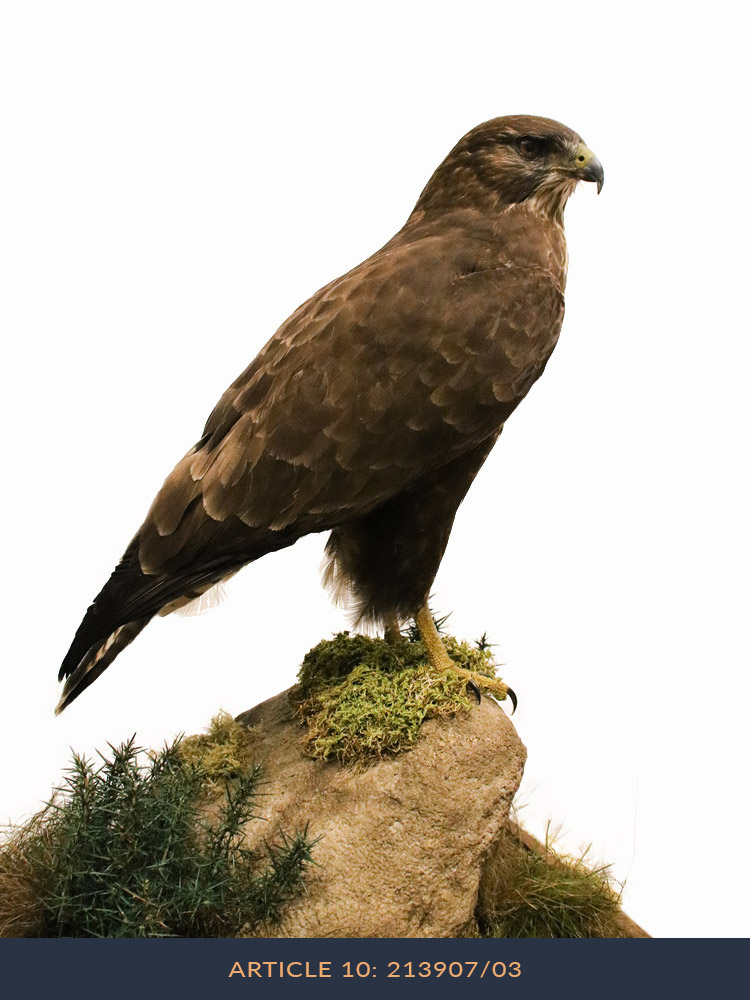
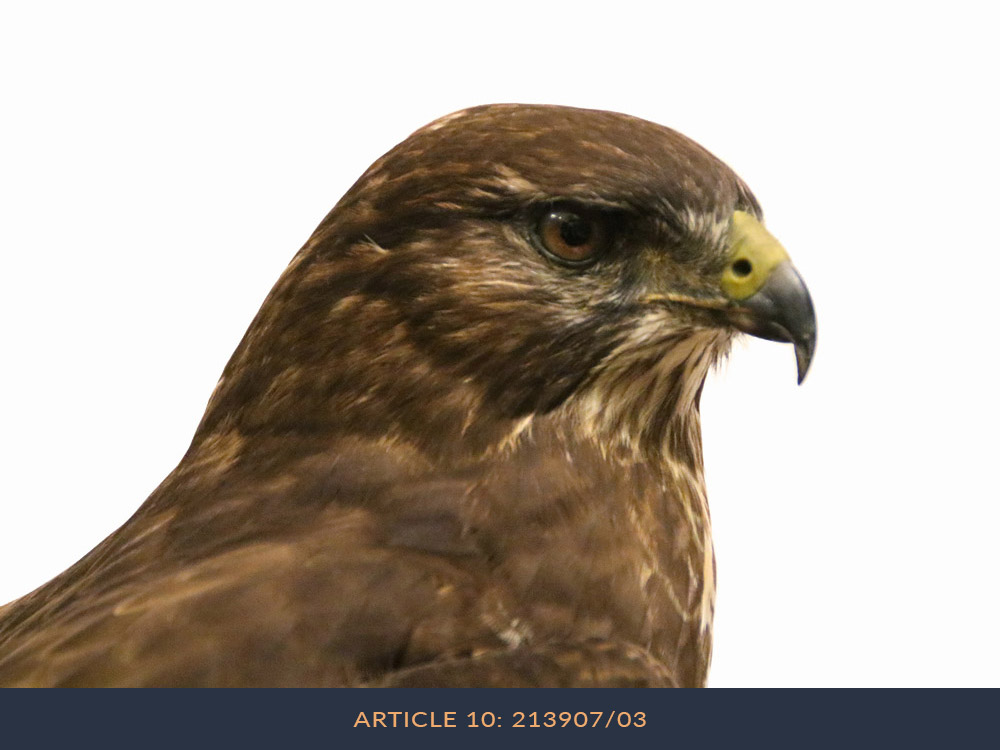
Commonly found in Europe and often in the UK. Easily misidentified as Common Buzzard.
Formerly imported into the UK by breeders and falconers but now rarely seen in live UK display collections.
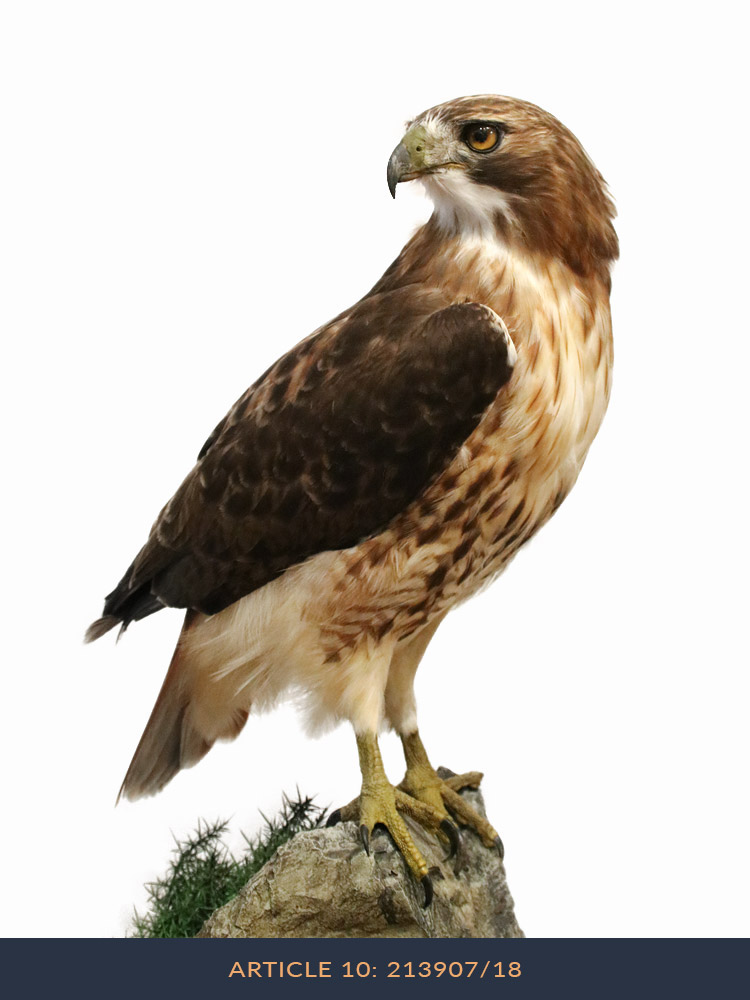
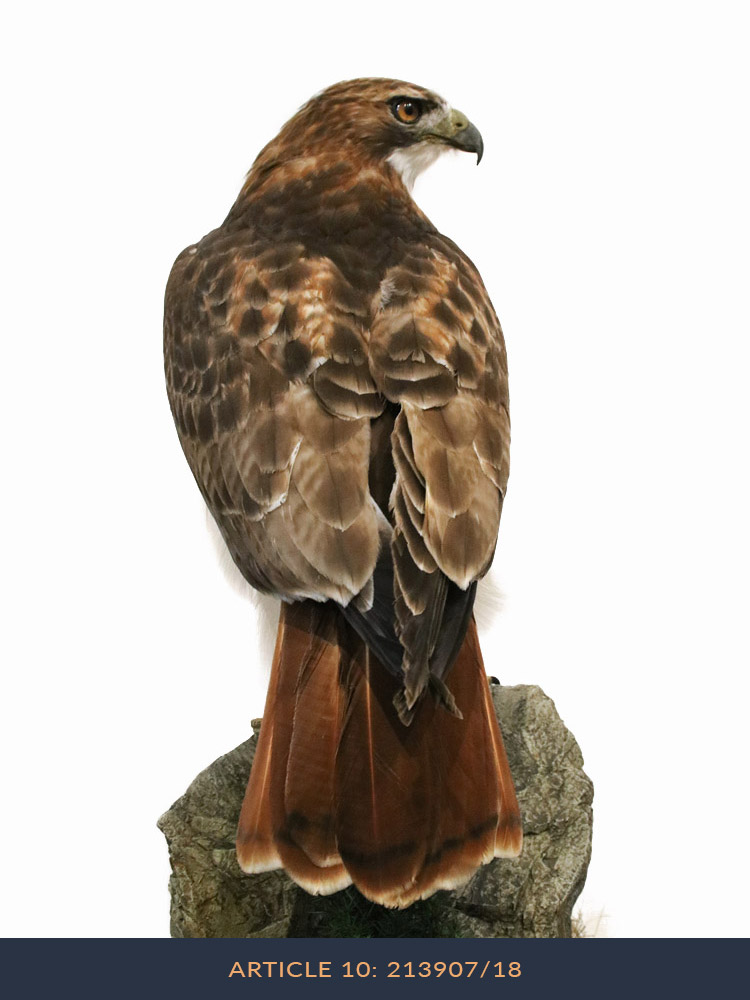
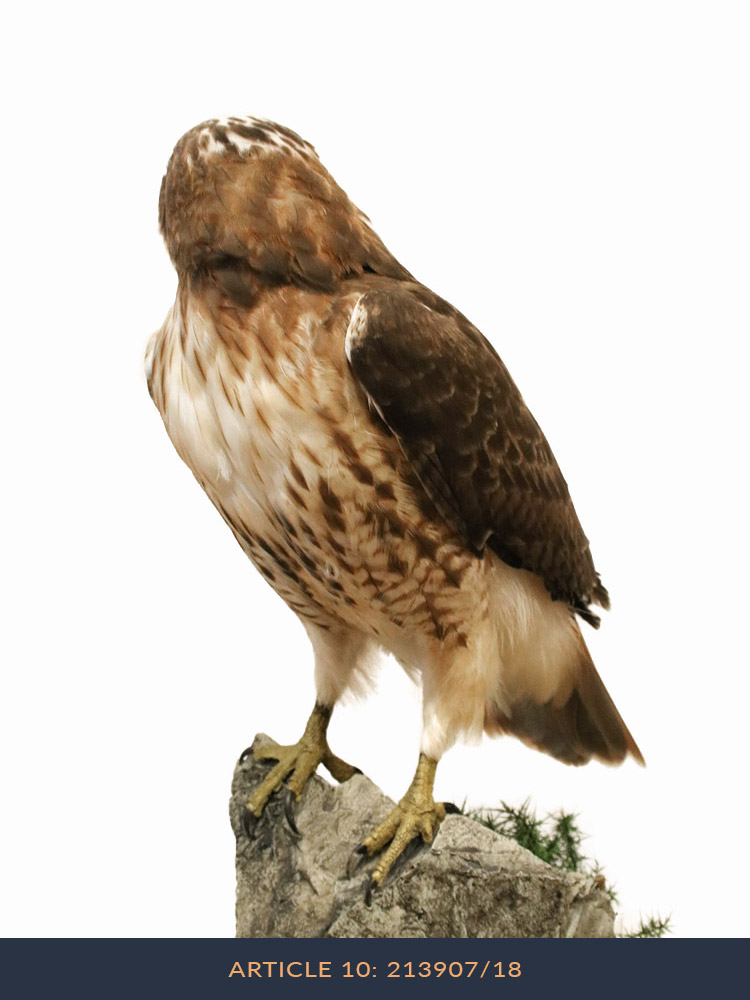
Medium sized Hawk native to North America.
Commonly used in falconry.
Died in captivity in UK by registered falconer.
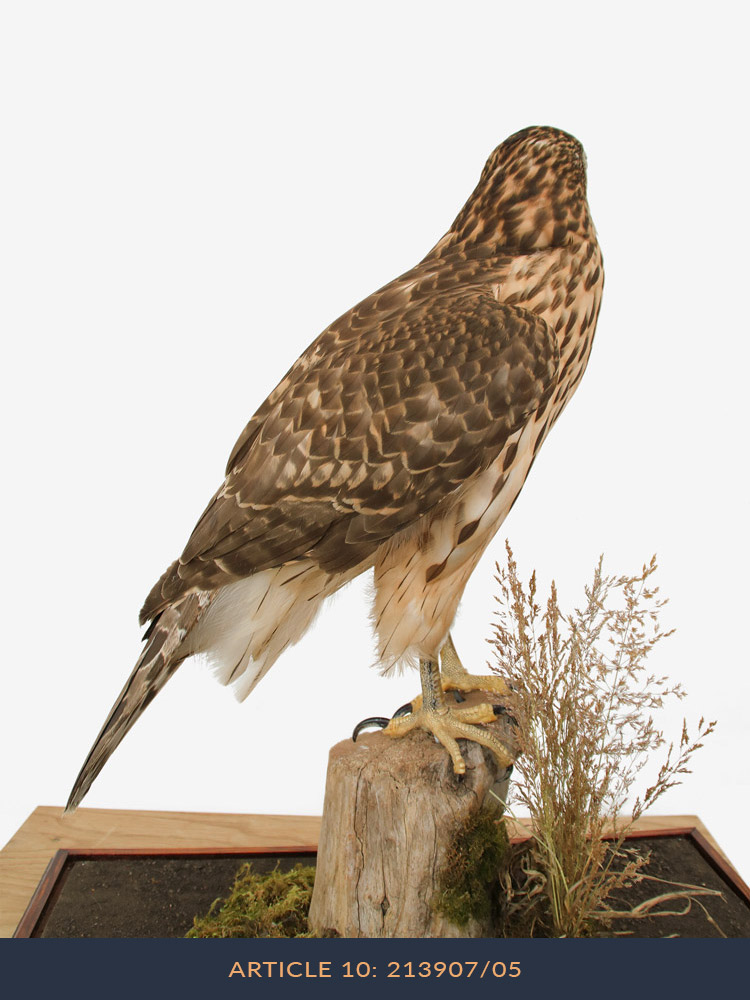
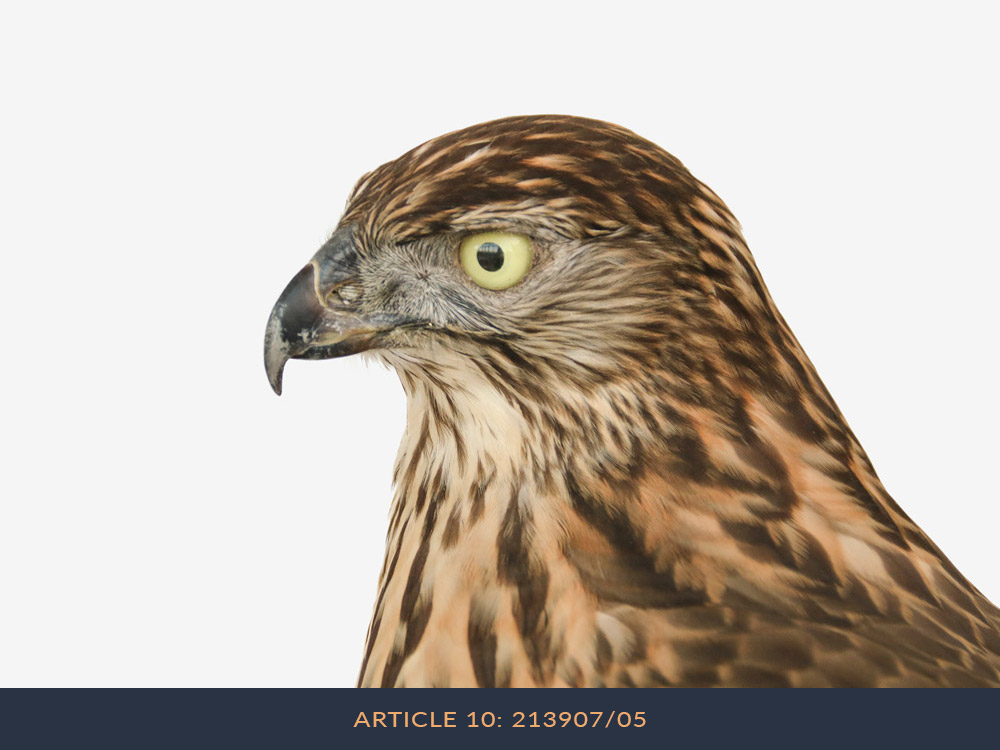
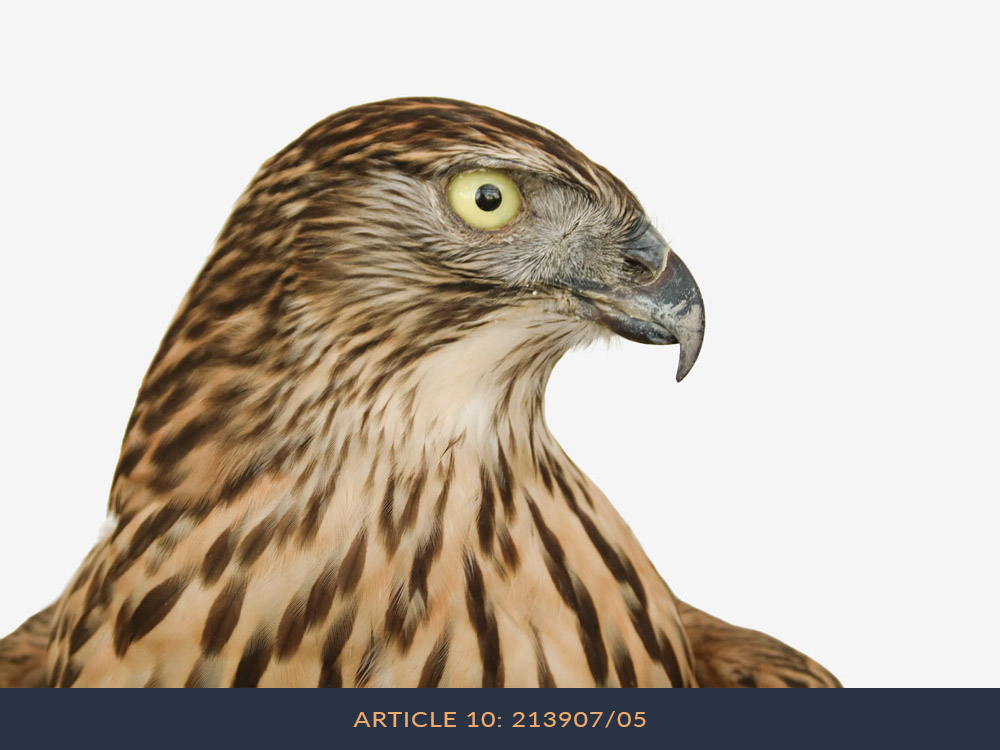
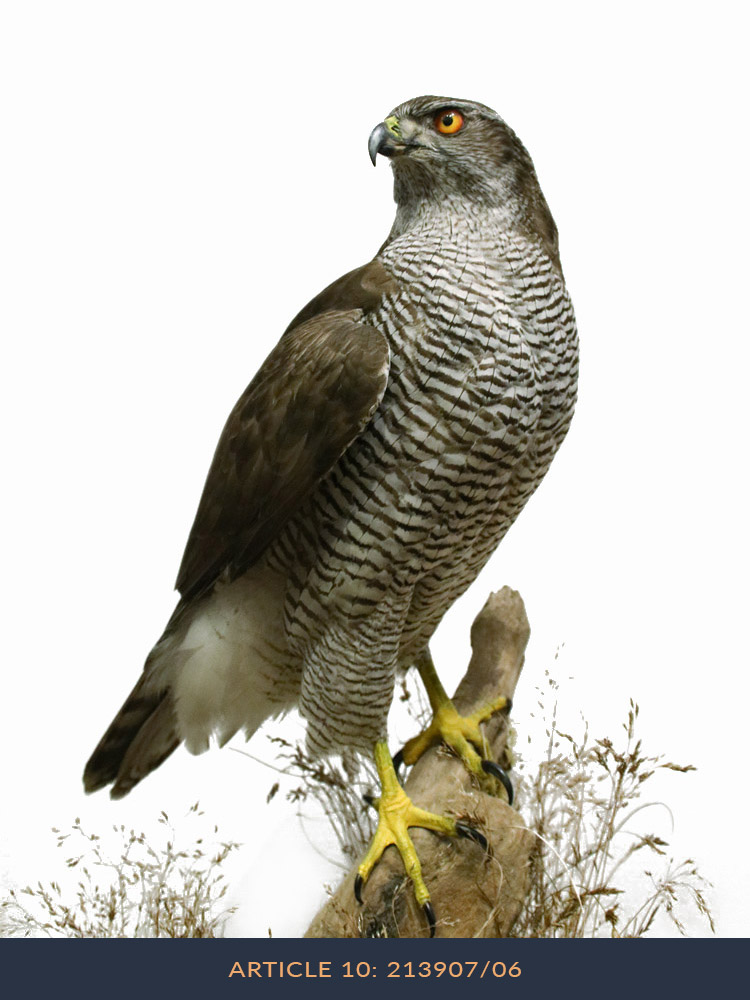
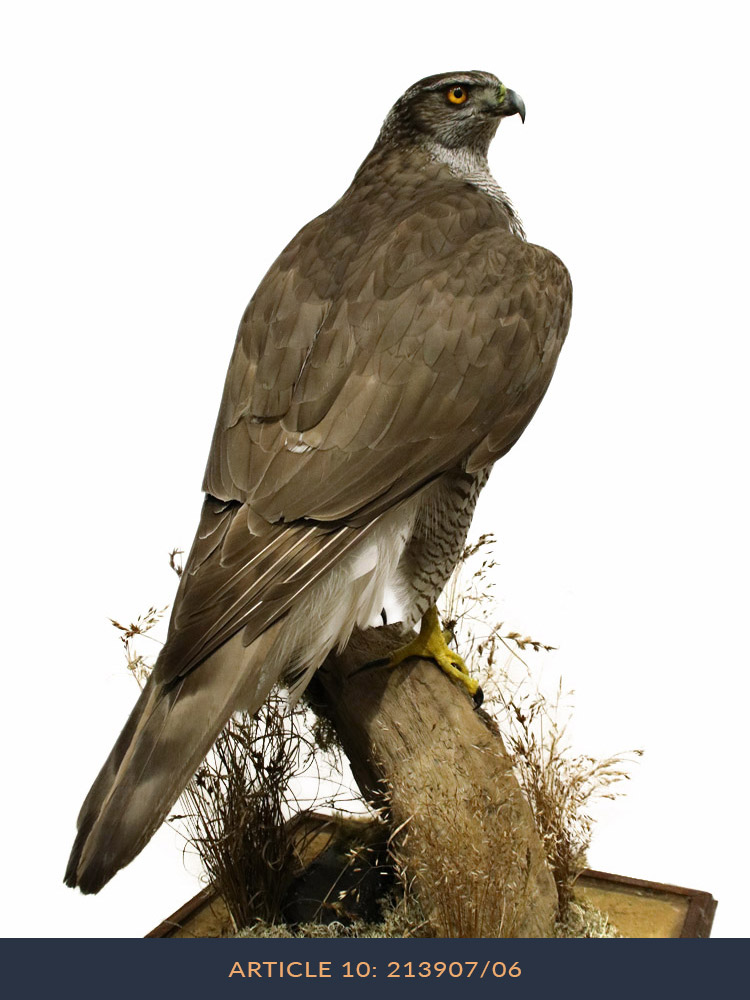
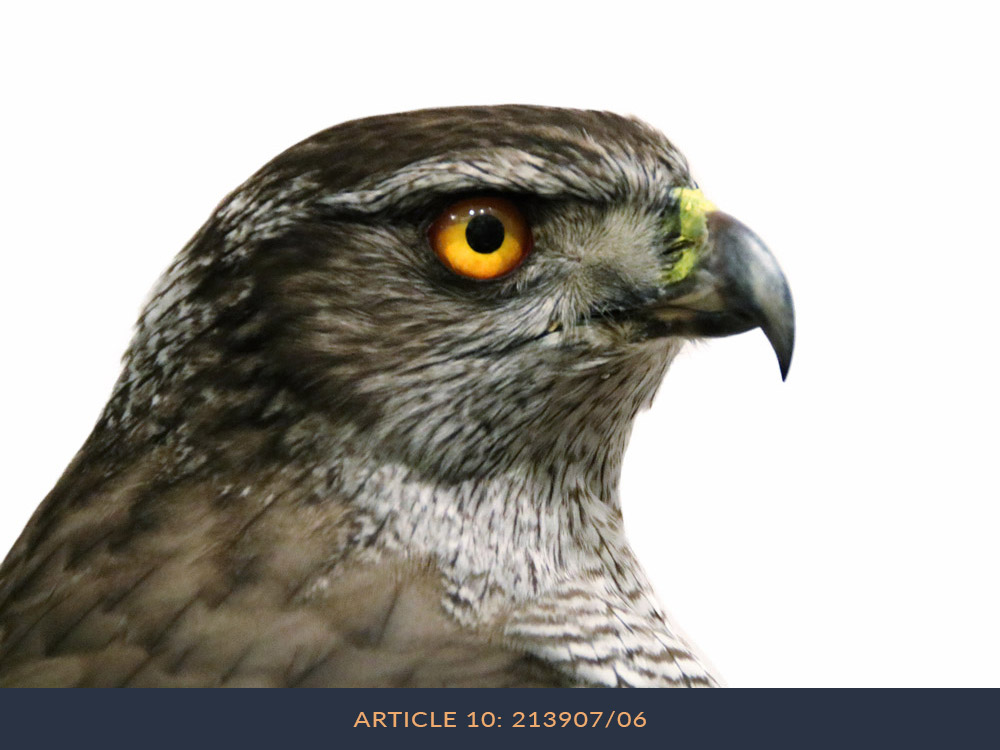
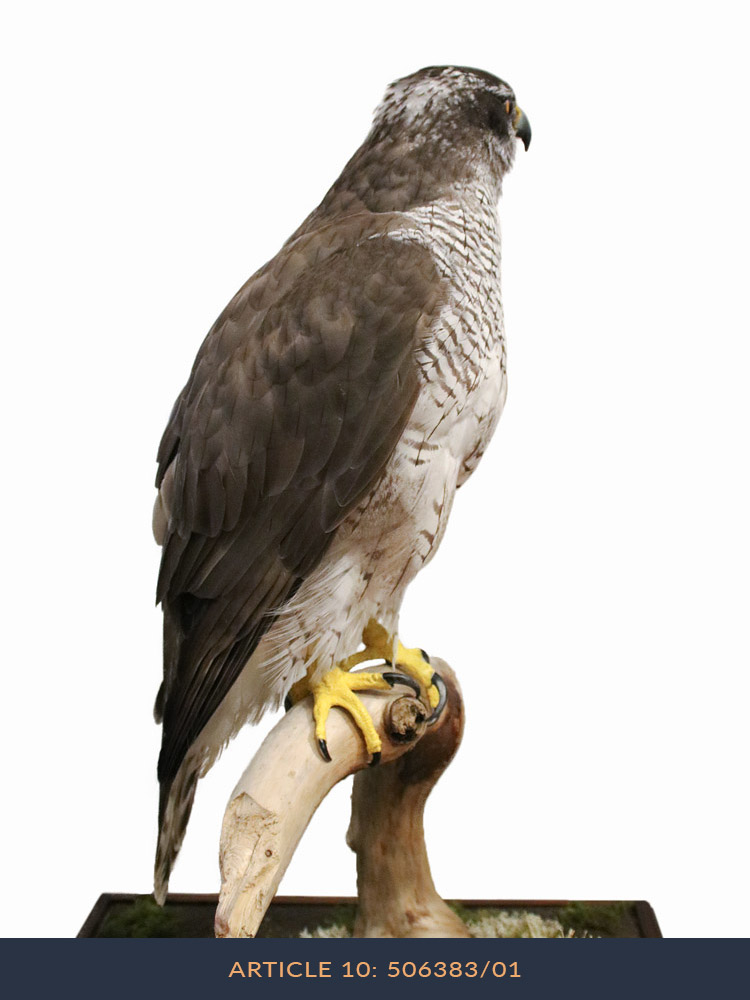
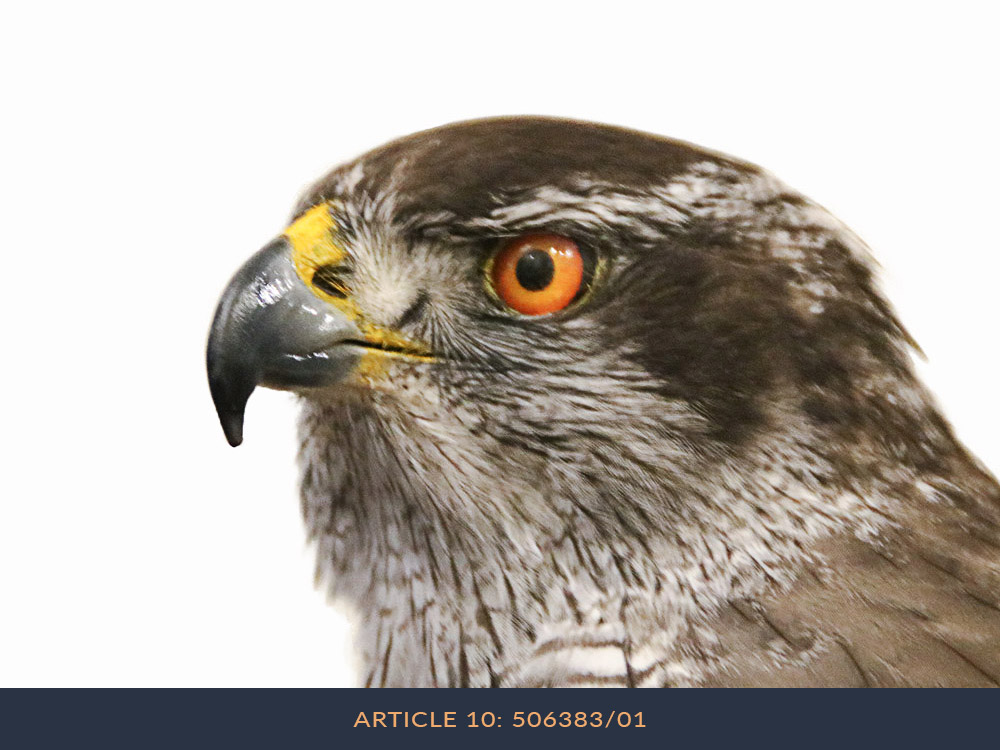
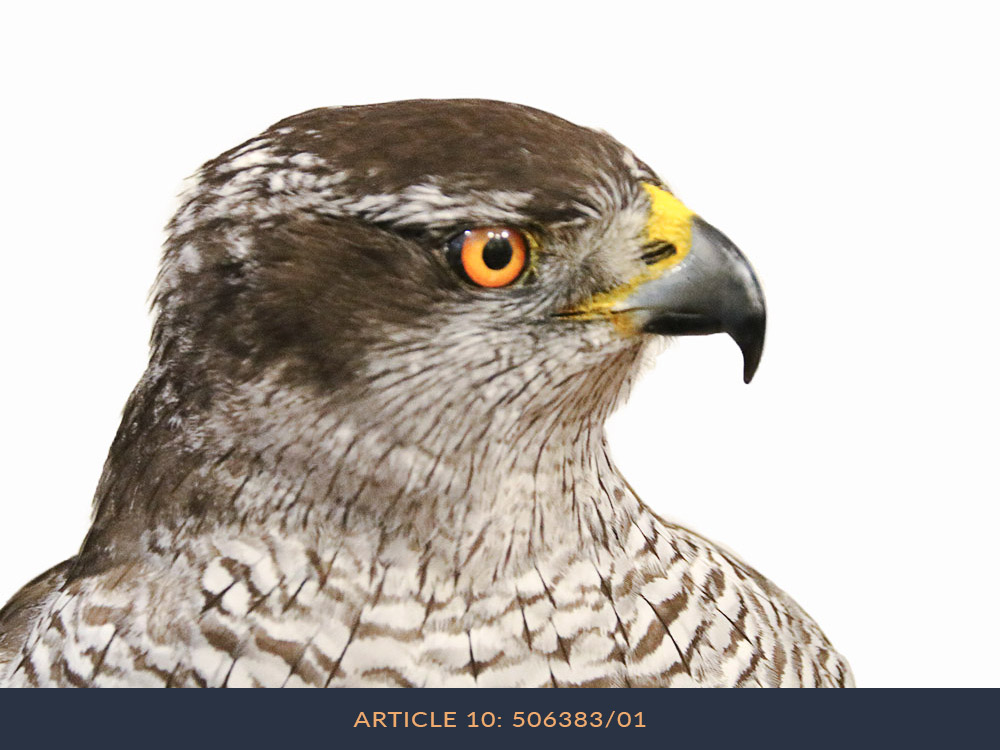
Large sized Hawk formerly entirely European until imported into the UK by falconers in the 70/80’s and lost whilst flying. Subsequently it can be said that falconers have contributed to the re-emergence in Britain of this stunning bird, widely found but rarely seen in forests.
This juvenile falconers bird, legally registered, was being flown and caught its jesses in a tree and died.
Common European scavenger, often seen in large flocks where they breed together. Opportunistic hunters, often scavenge unlike other Accipitradae, global population estimated to be up to 7 million.
Often used by falconry centres for flying displays.
Died of natural causes in falconer’s ownership.
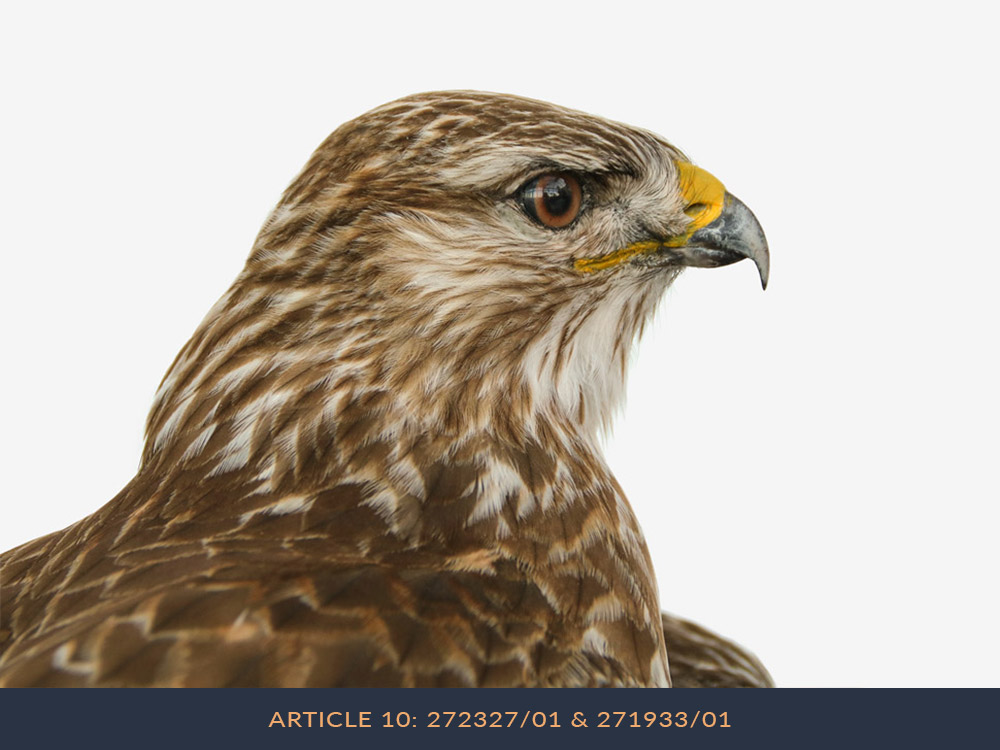
Massively abundant throughout Europe and a common sight now in Britain.
Not used much for falconry as there are other favourite species, but commonly found in falconry establishments for flying displays.
Died of natural causes in hands of falconer.
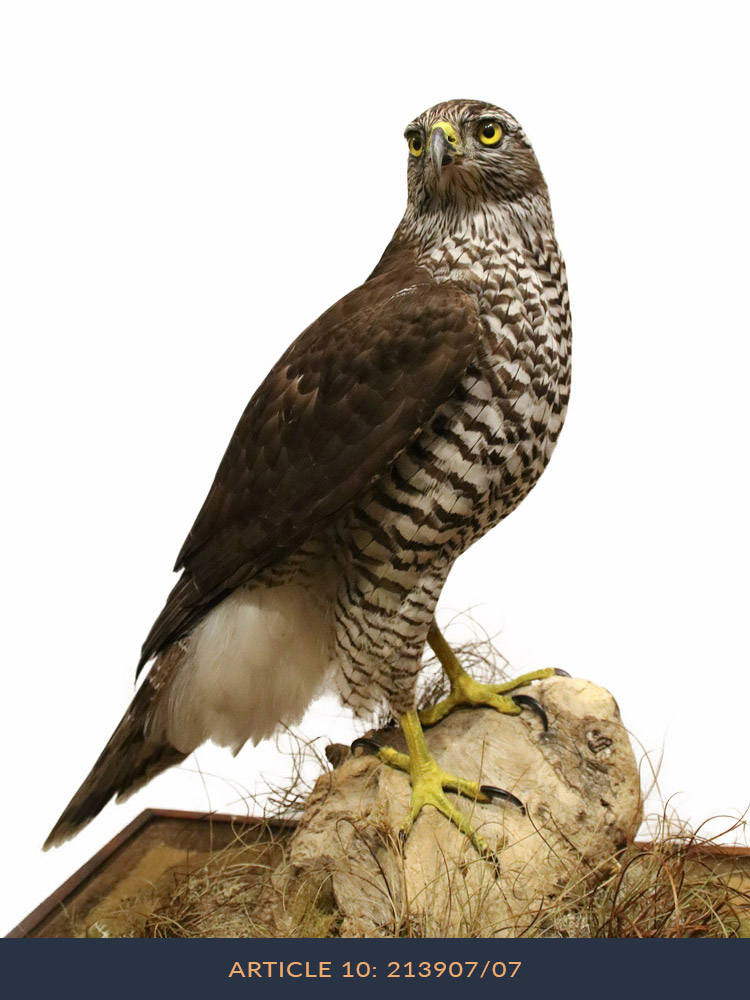
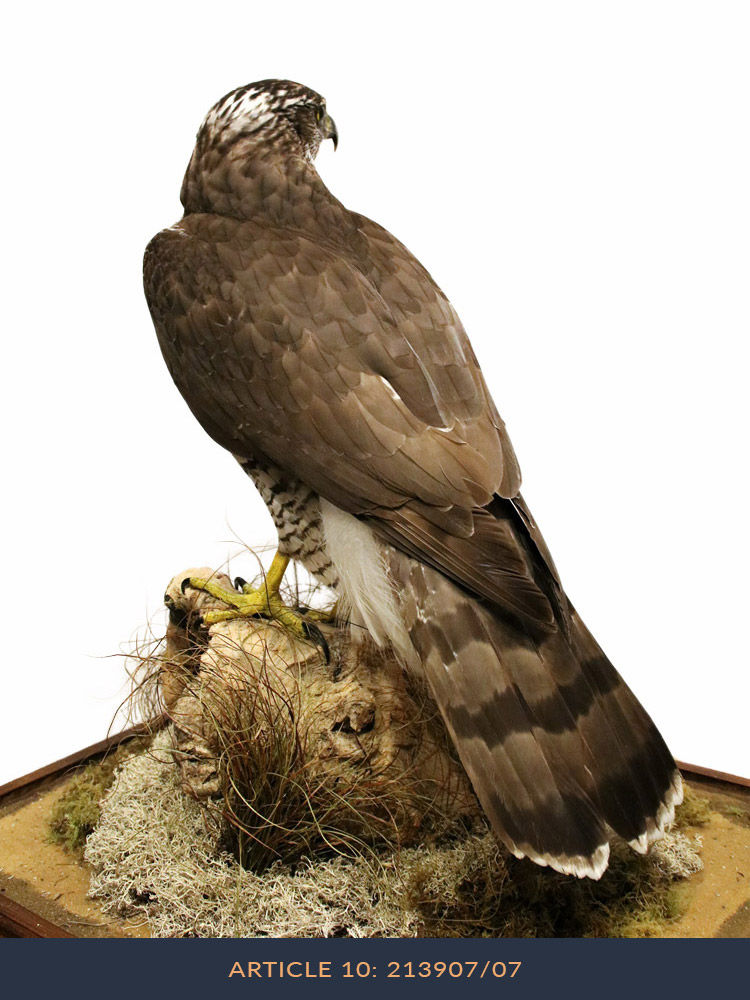
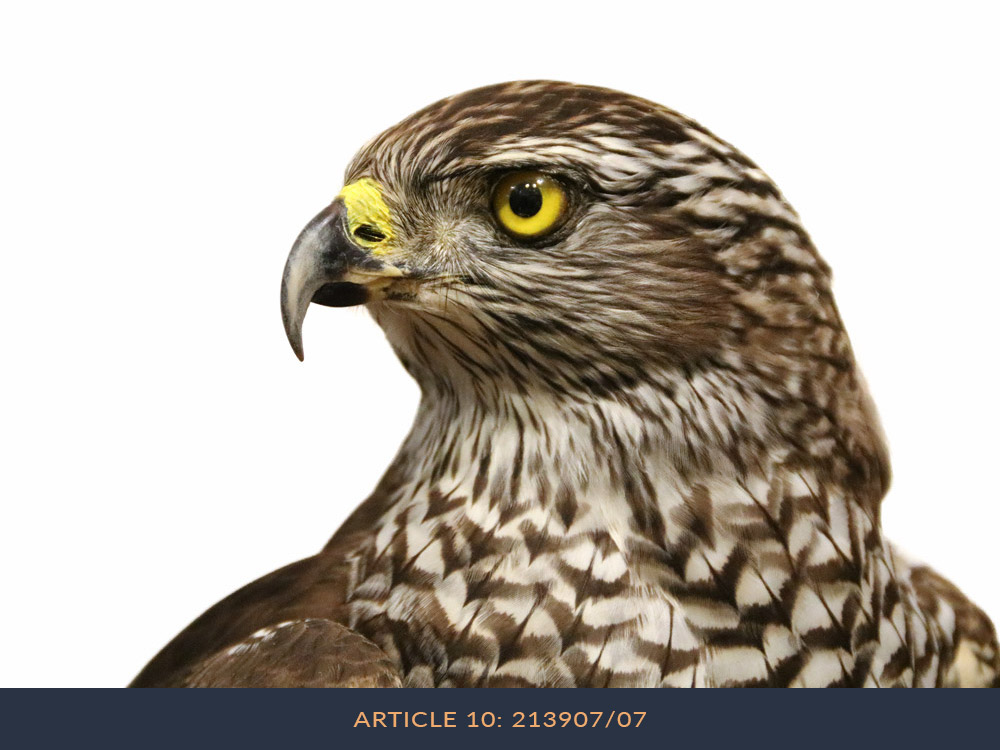
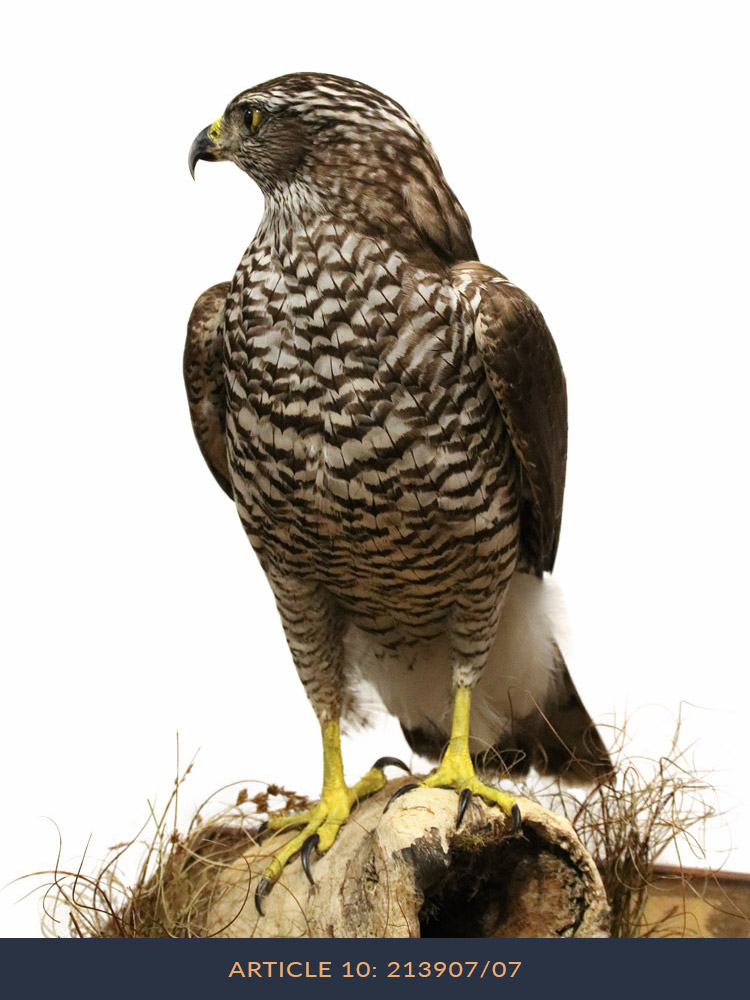
Large sized Hawk entirely European until imported into the UK by falconers in the 70/80’s and lost whilst flying. Subsequently it can be said that falconers have contributed to the re-emergence in Britain of this stunning bird, widely found but rarely seen in forests
A falconry bird, legally registered, died of natural causes.
Medium sized birds, largest of the Harrier family. Now found almost world wide, excluding the Americas. Commonly seen in the UK, stronghold in East Anglia.
Used to be found in raptor collections by zoos, display establishments, but rarely now.
Both birds died of natural causes.
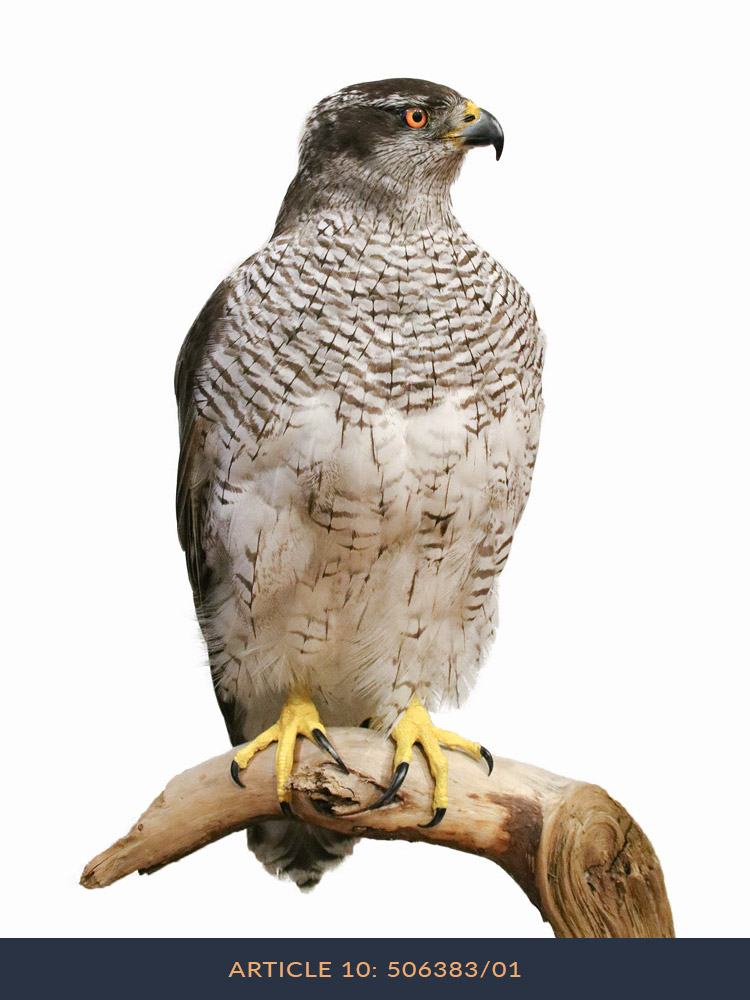
Large sized Hawk entirely European until imported into the UK by falconers in the 70/80’s and lost whilst flying. Subsequently it can be said that falconers have contributed to the re-emergence in Britain of this stunning bird, widely found but rarely seen in forests.
Addenda: Goshawks, together with Sparrowhawks, are highly stressed if taken from the wild and often die for this reason. Now, five decades later, they are bred in captivity and manned (trained) not to fear humans and are a delightful and favourite hunting bird.
Owned by a falconer.
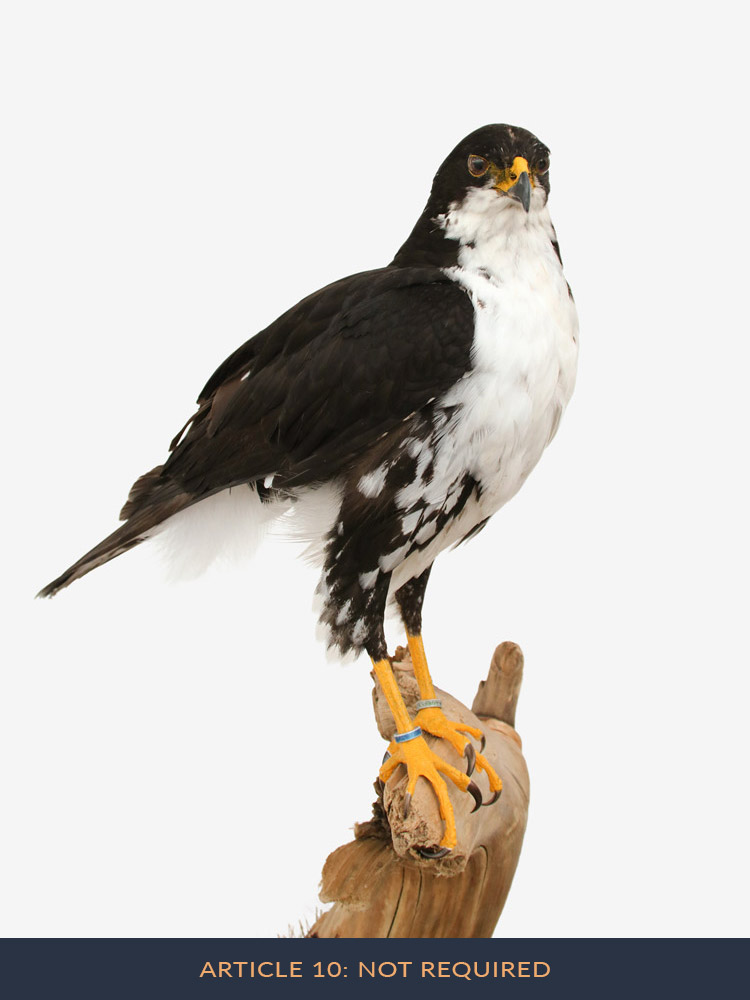
Sometimes known as Black Goshawk or Great Sparrowhawk. Largest African Accipiter.
Commonly used for falconry all over UK and bred in captivity.
Died of natural causes.
Massively abundant throughout Europe and a common sight now in Britain.
Not used much for falconry as there are other favourite species, but commonly found in falconry establishments for flying displays.
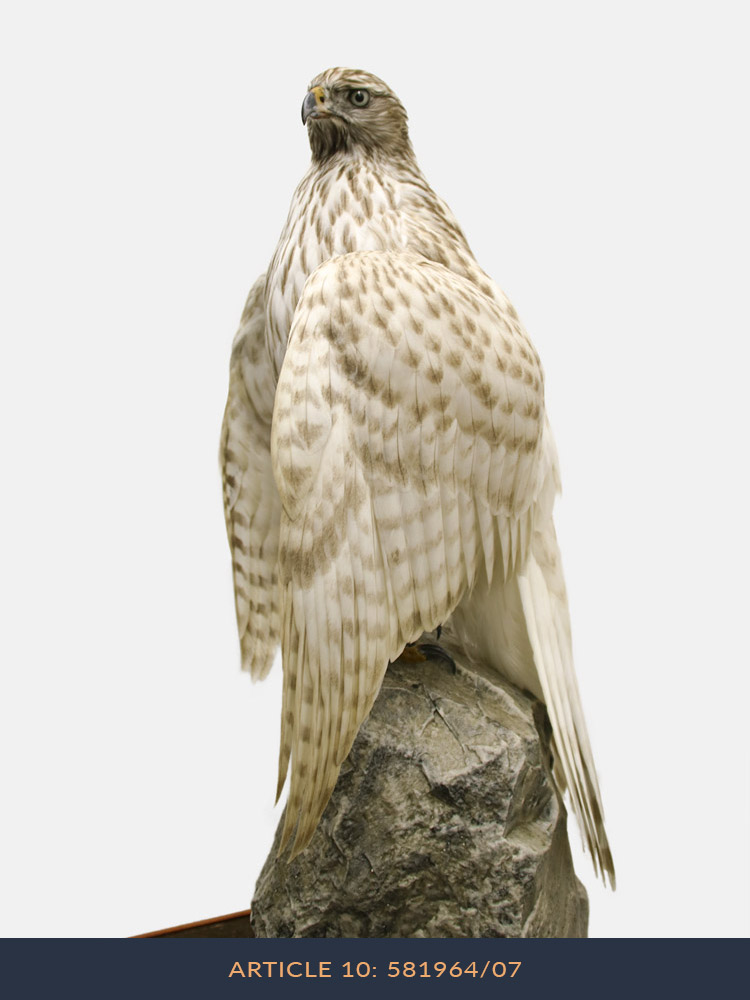
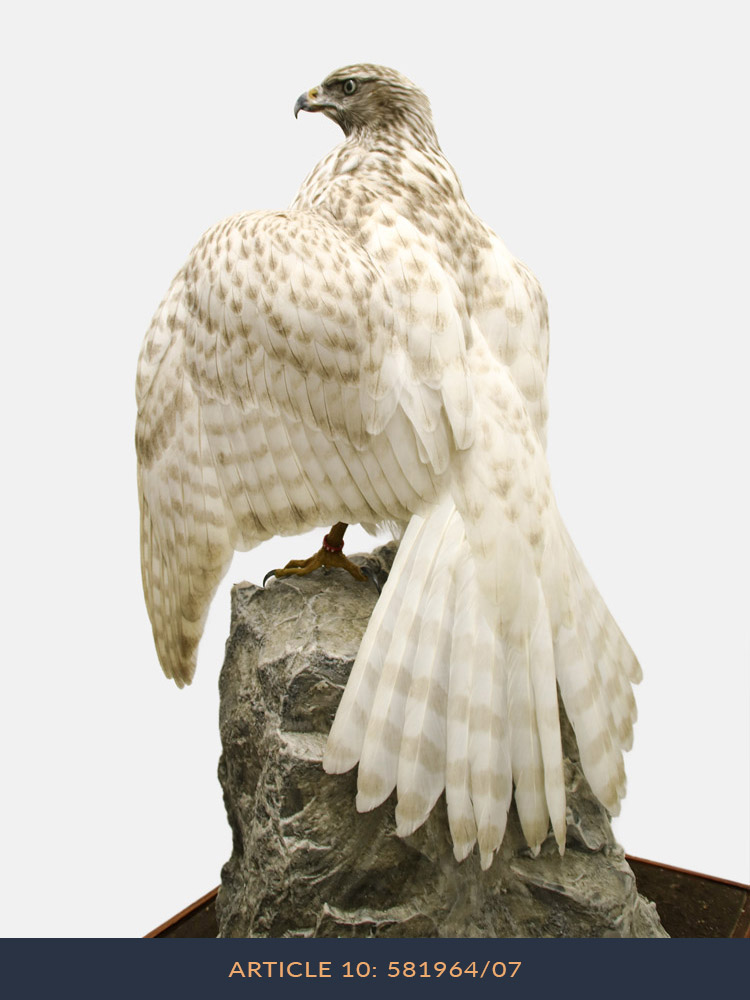
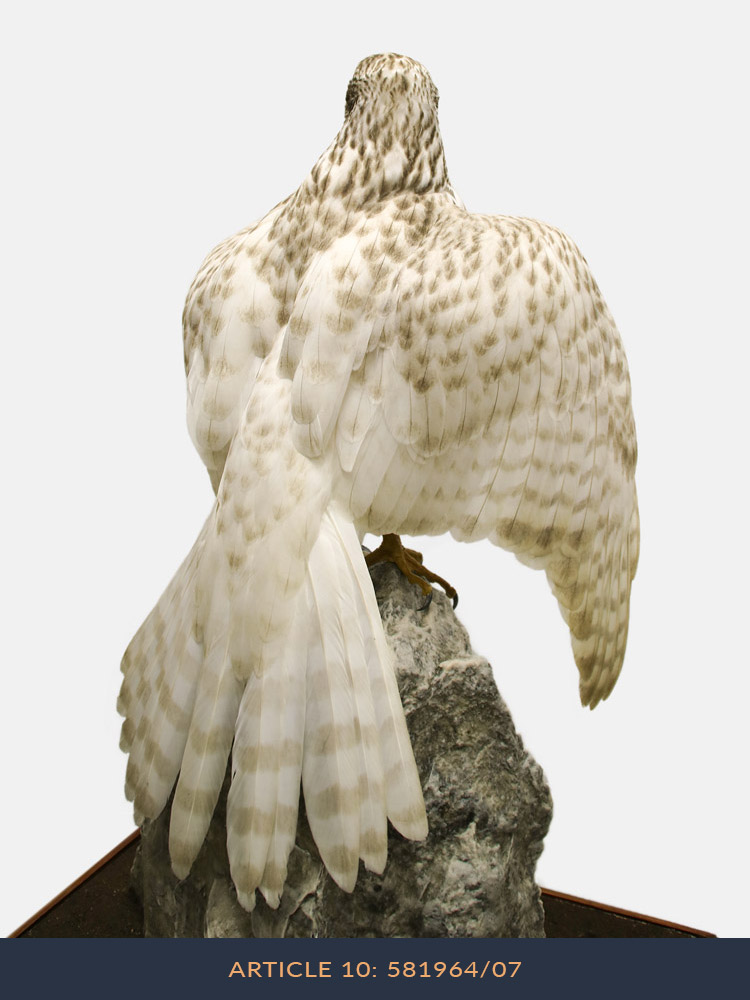
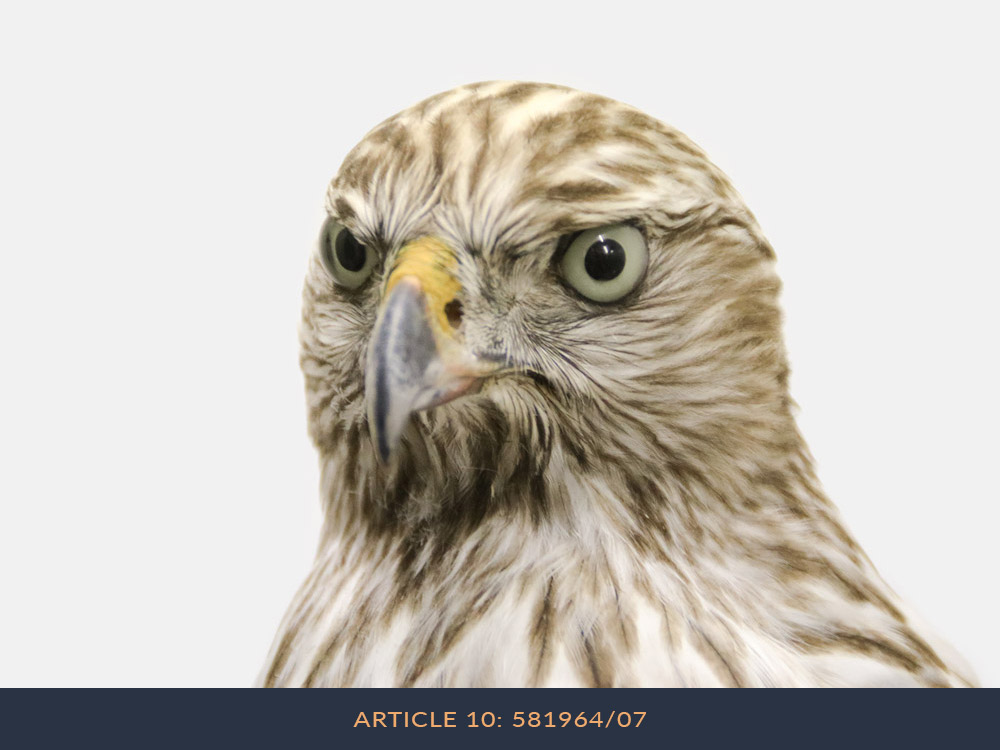
Within the Buzzard groups there are a large variety of colourations and this specimen has mostly cream feathering.
Falconer’s bird, died in captivity.
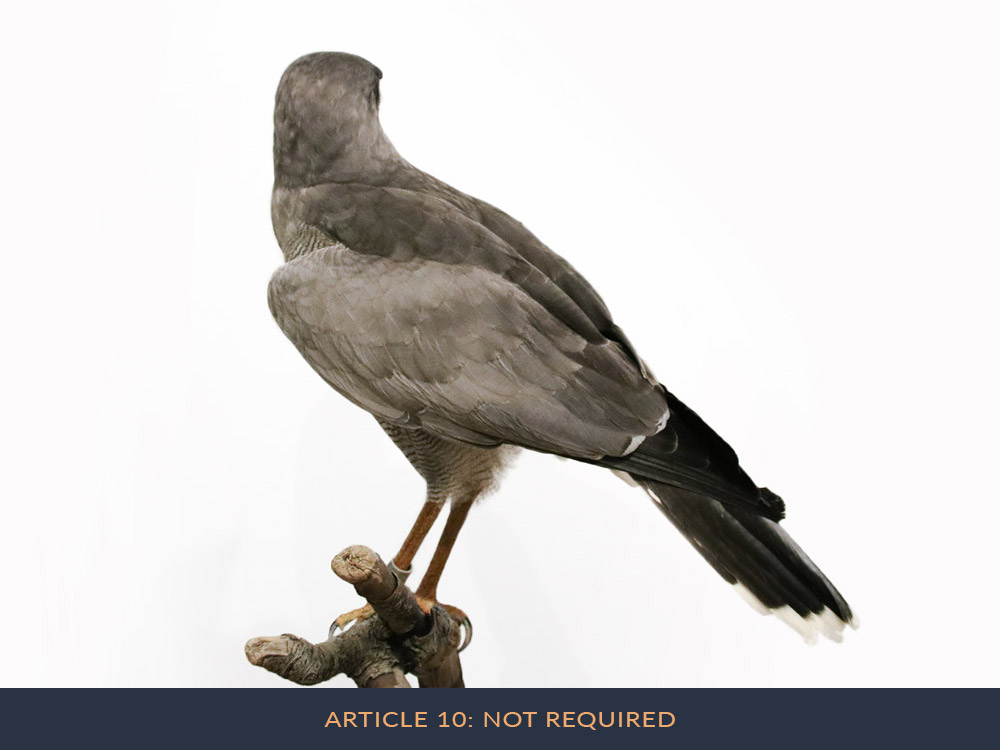
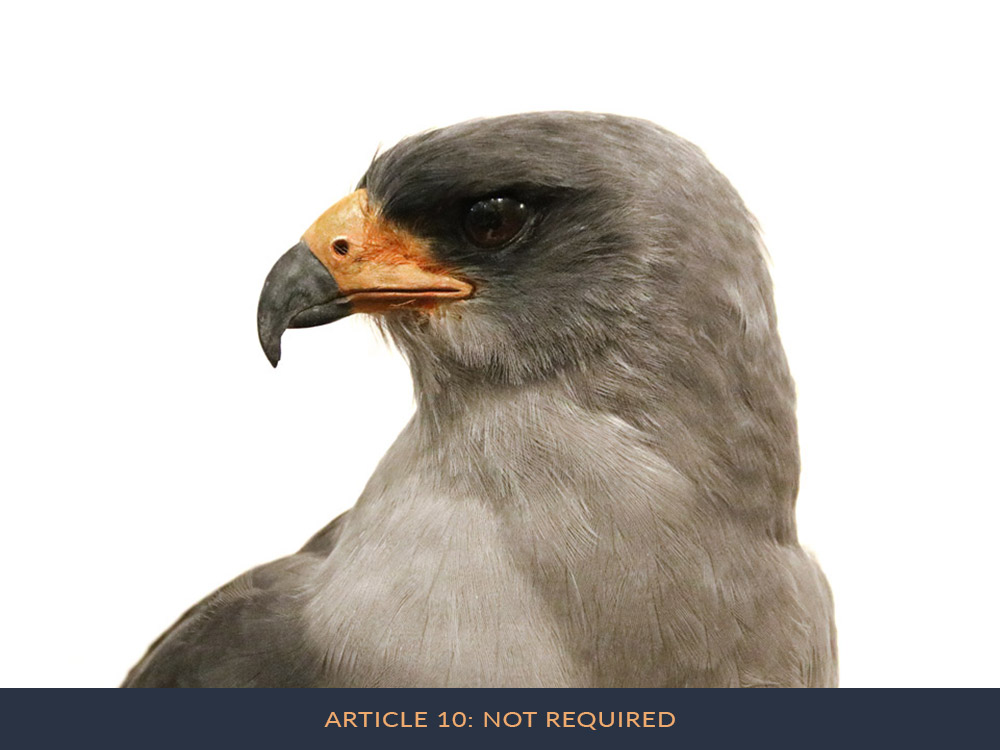
From the Accipiter family, native to sub-Saharan Africa.
Formerly found in bird of prey collections and establishments in the UK, now rarely seen as not used in falconry.
Died of natural causes.
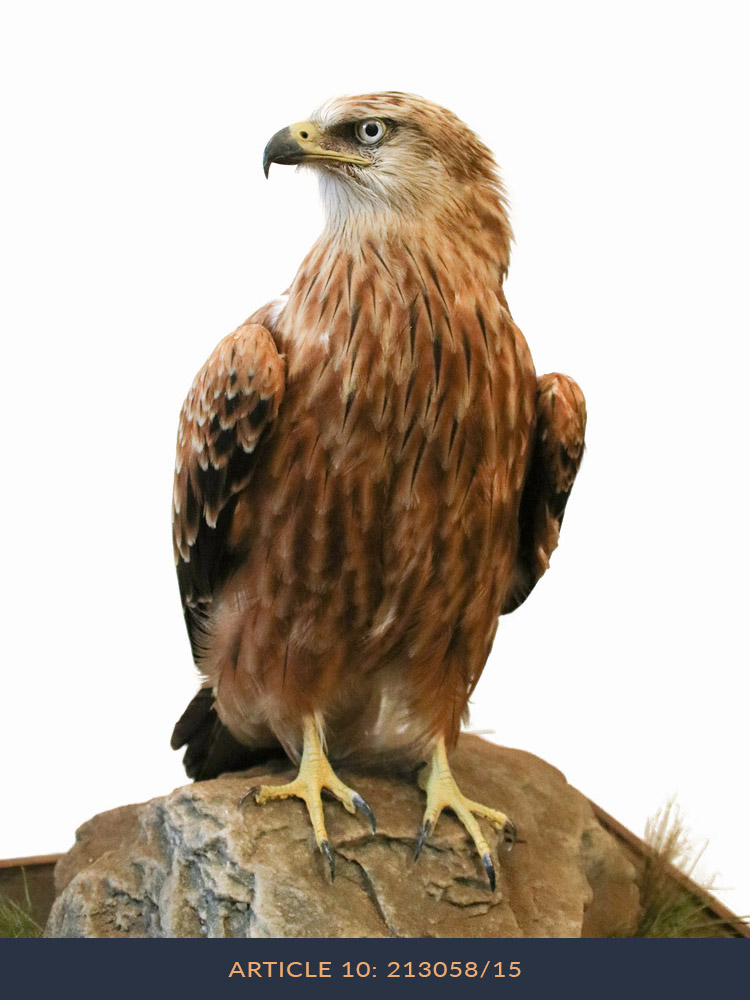
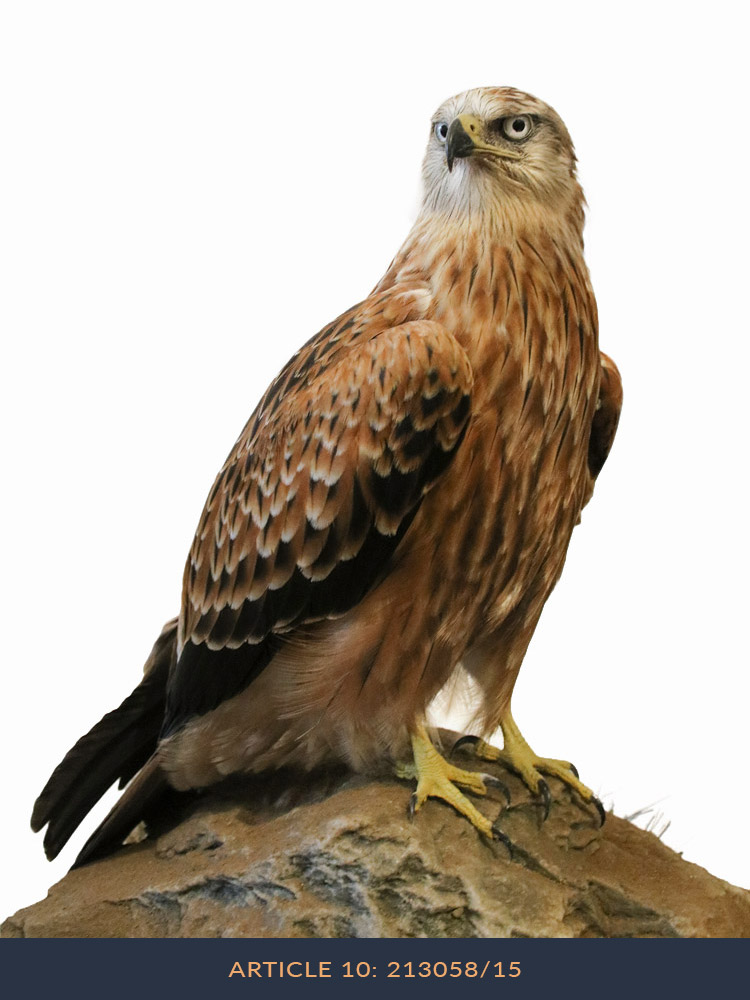
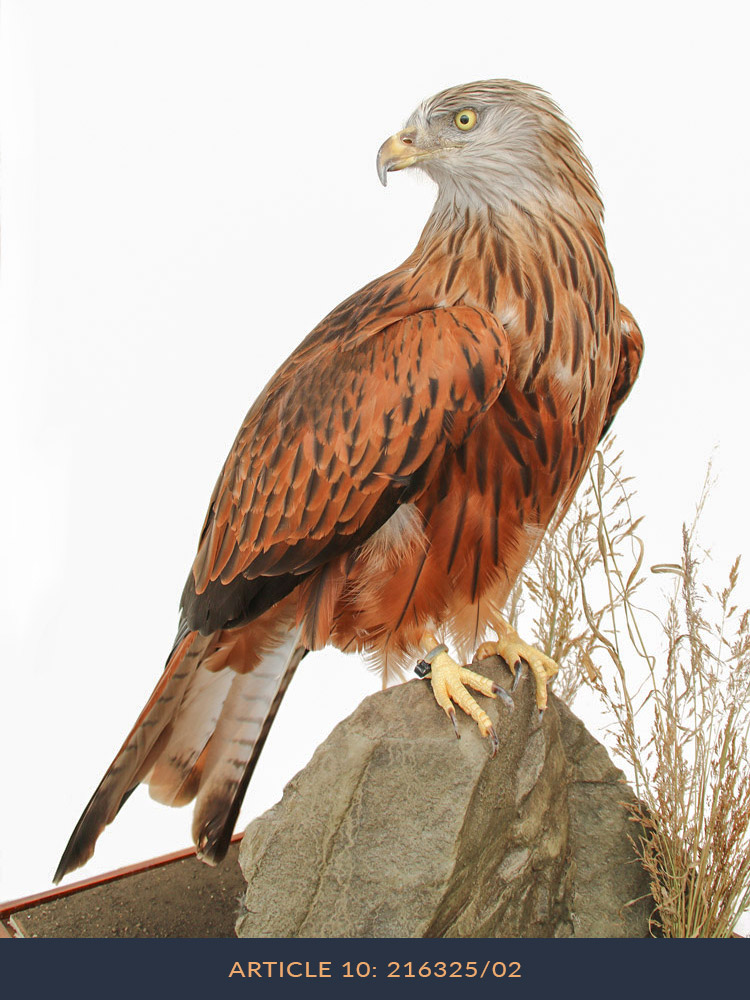
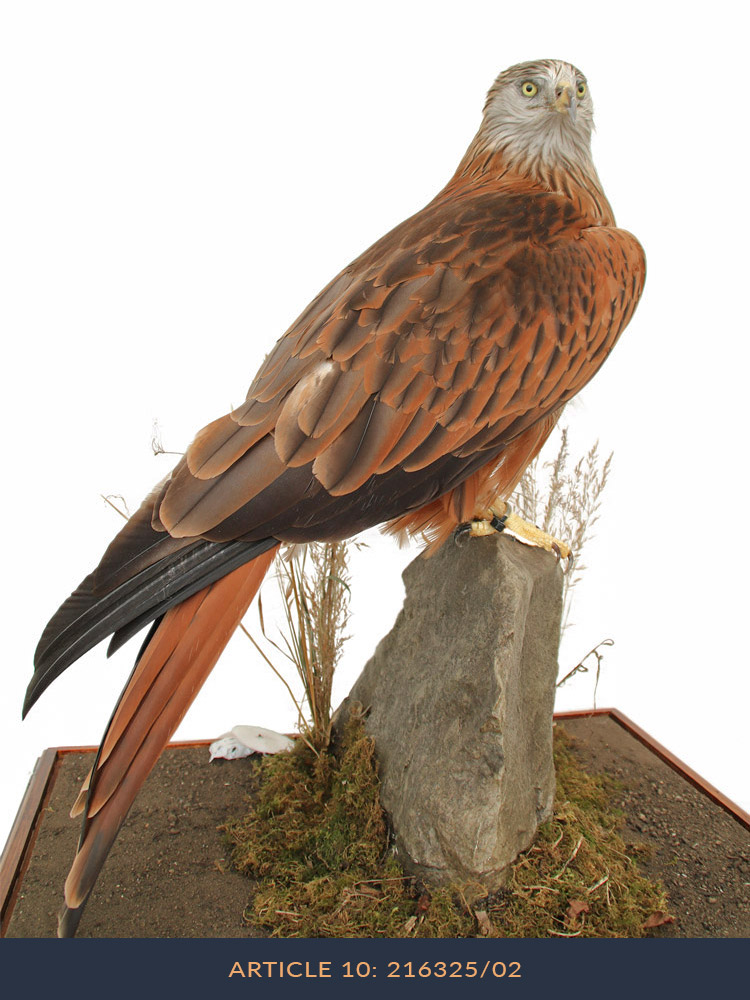
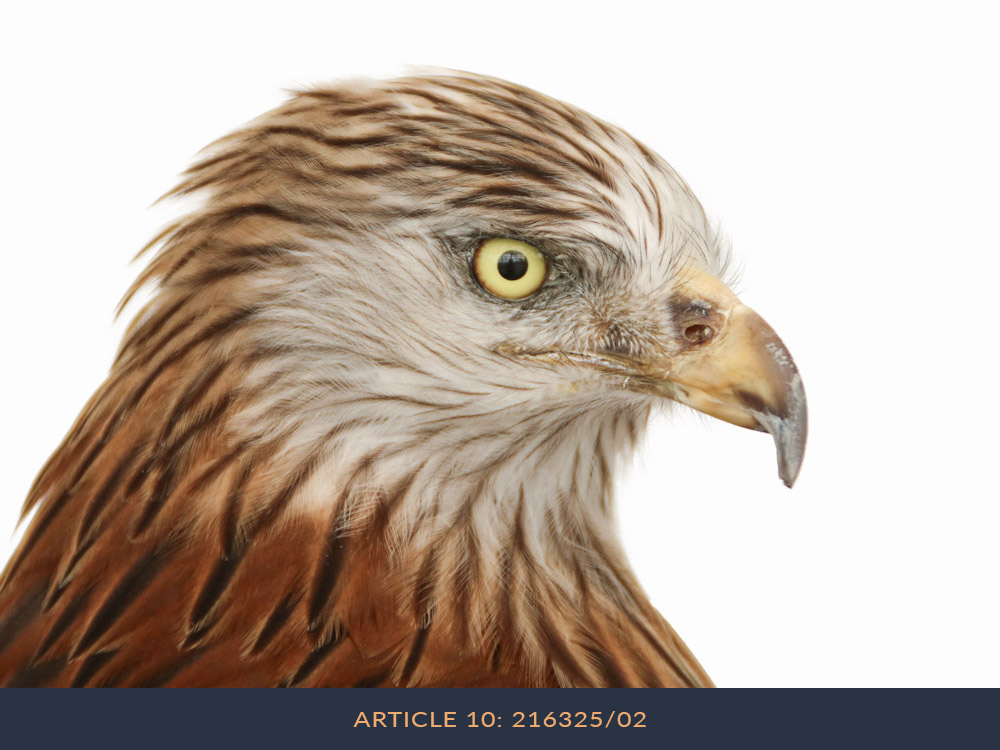
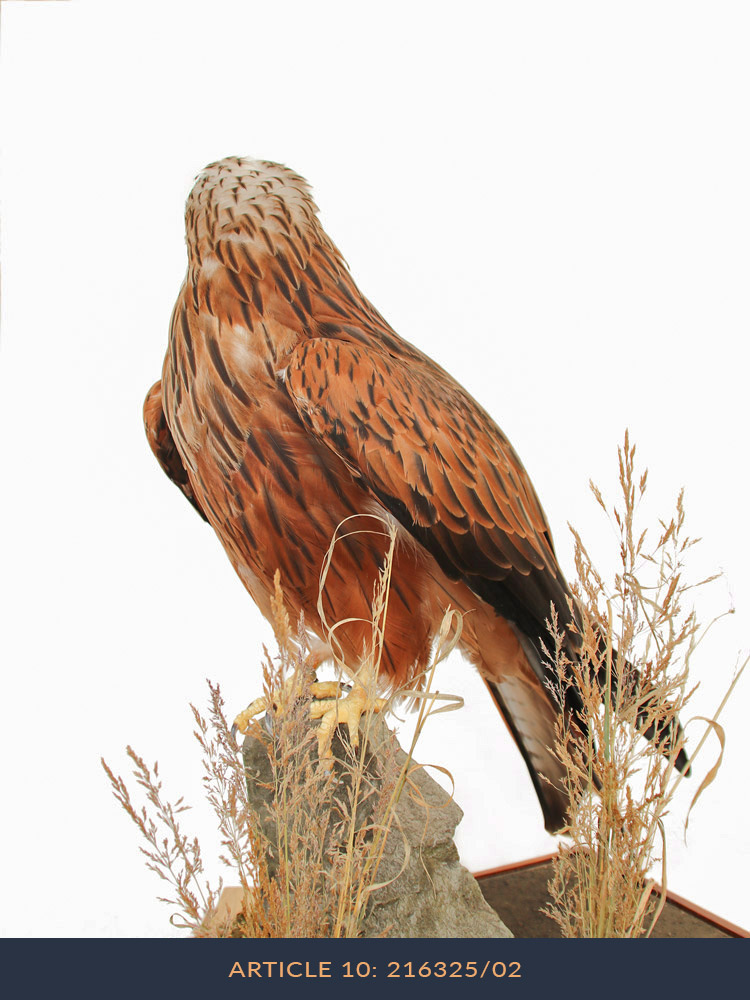
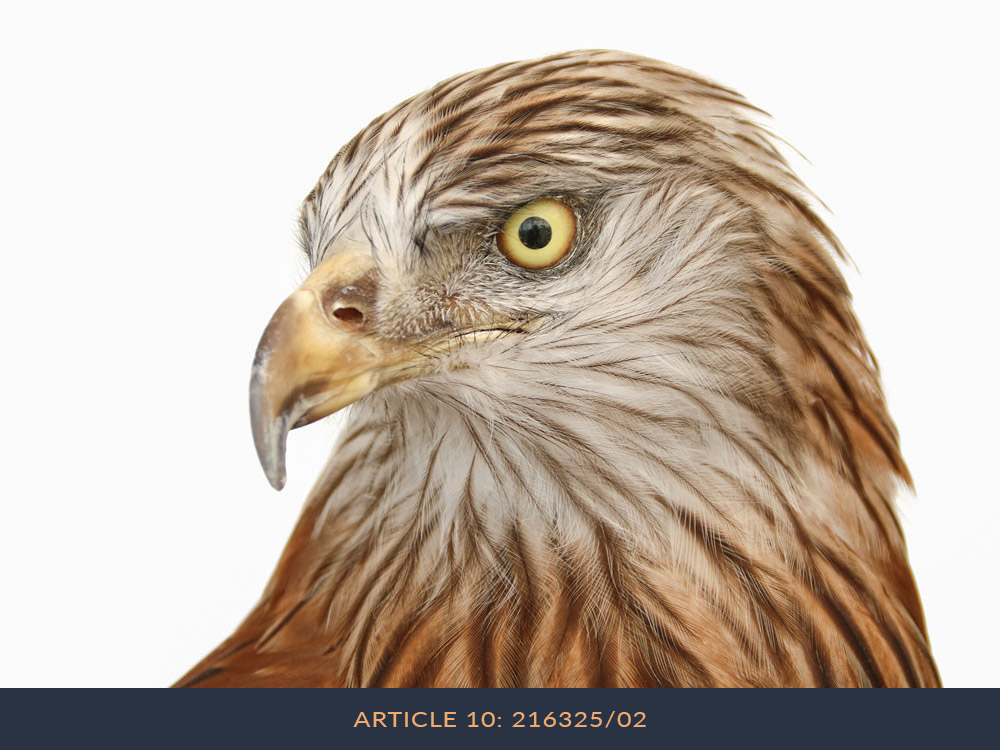
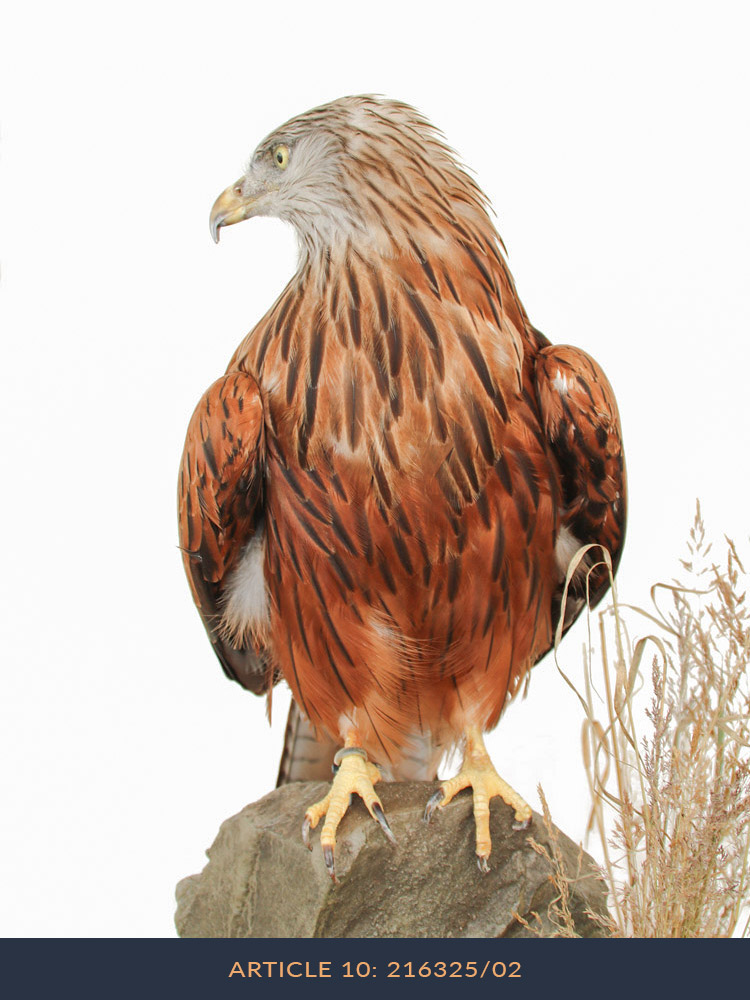
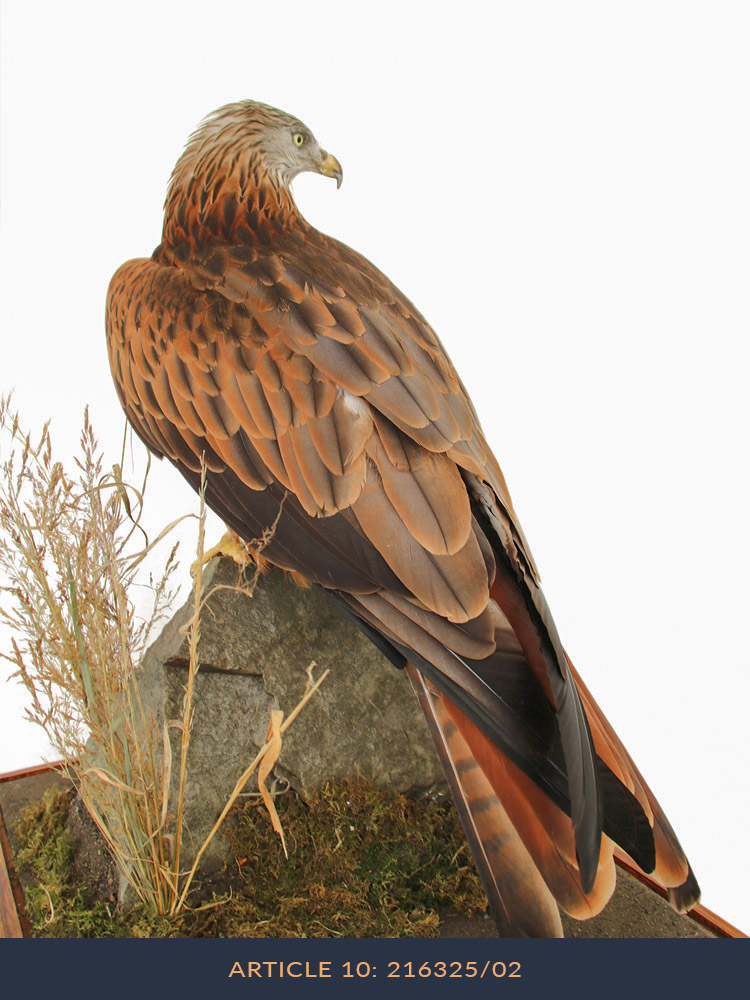
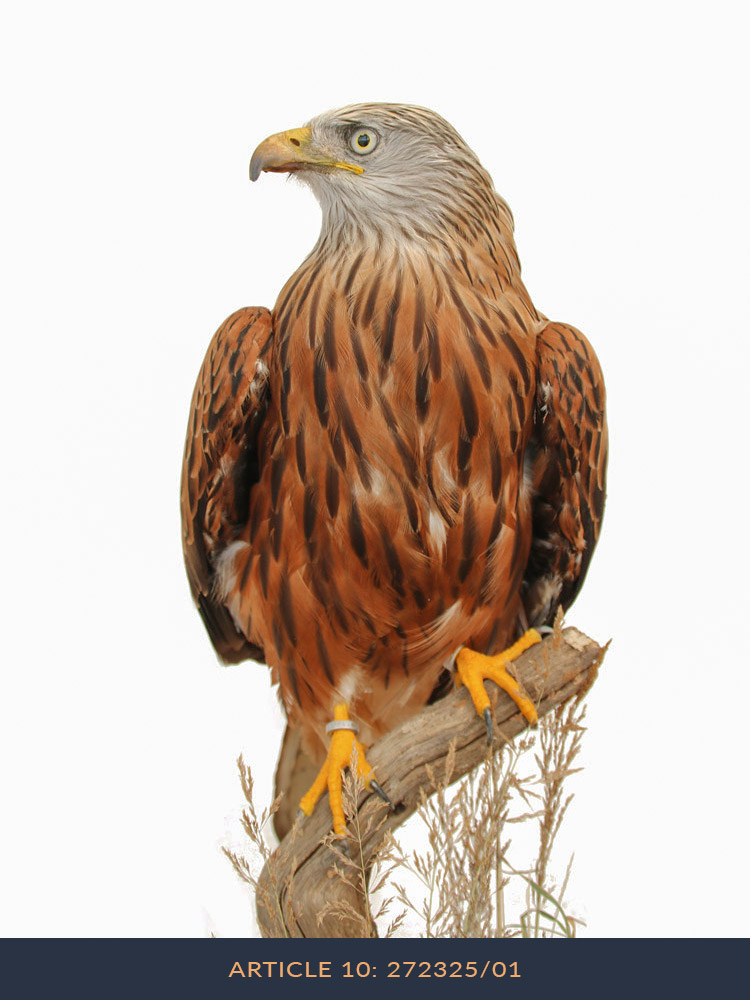
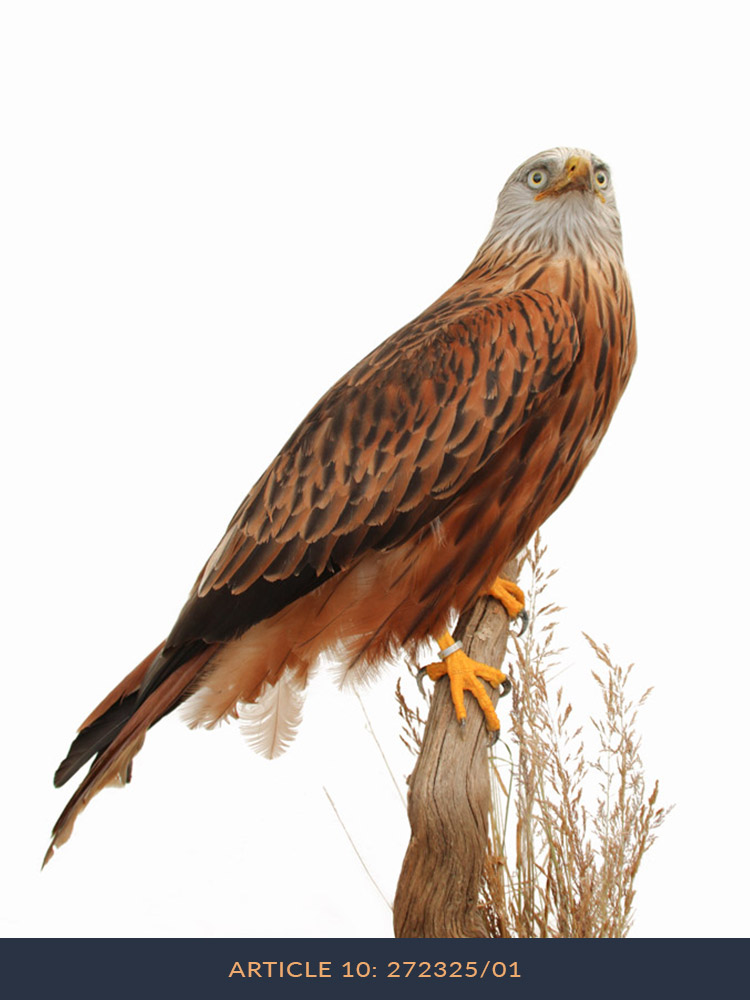
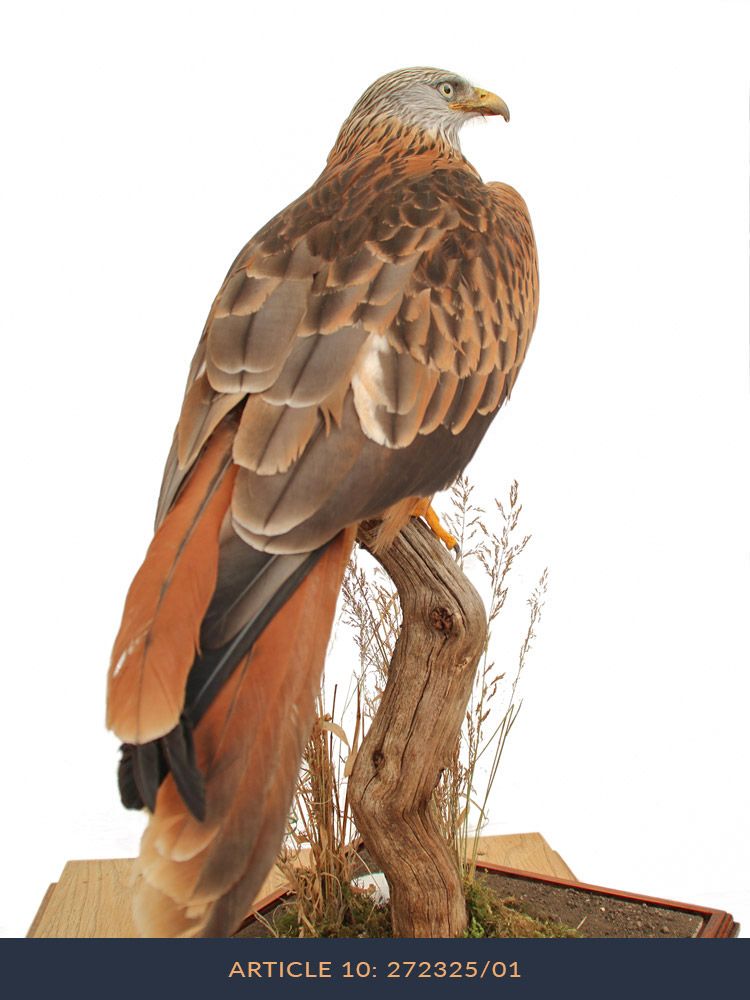
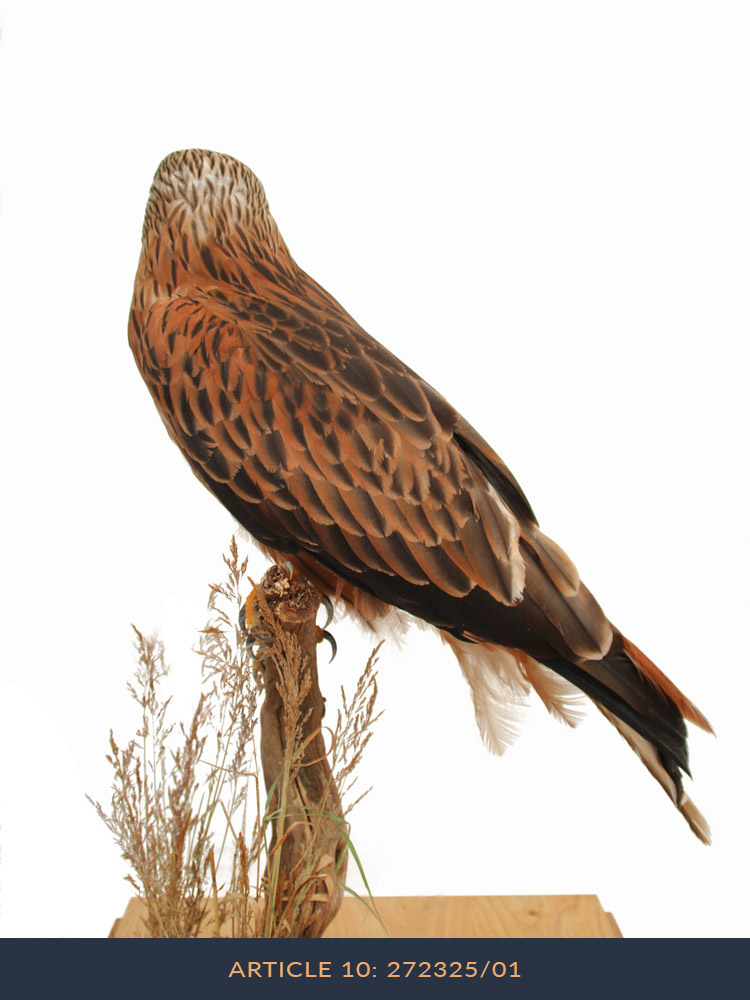
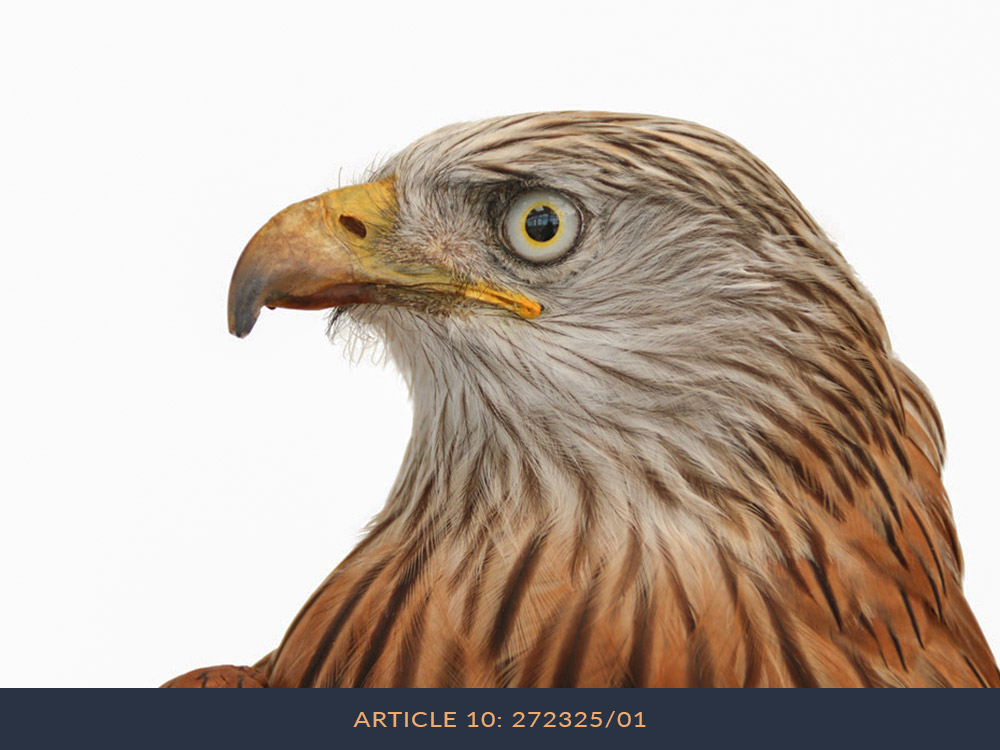
Formerly extremely rare in the UK after decades of persecution, the species was reintroduced in the 1980’s and now in 2021 Red Kites are as common to see as a House Sparrow. Opportunistic scavengers, up to 700 birds can be seen at Gigrin Farm, Rhayader, Mid Wales, for their 2pm feed, open to the general public. Now, unfortunately, often killed on road in attempting to scavenge.
Died of natural causes.
This kite is the Afro tropic variant of the extremely common Black Kite.
Often found in falconry establishments but not so much in the 2020’s
Died in captivity.
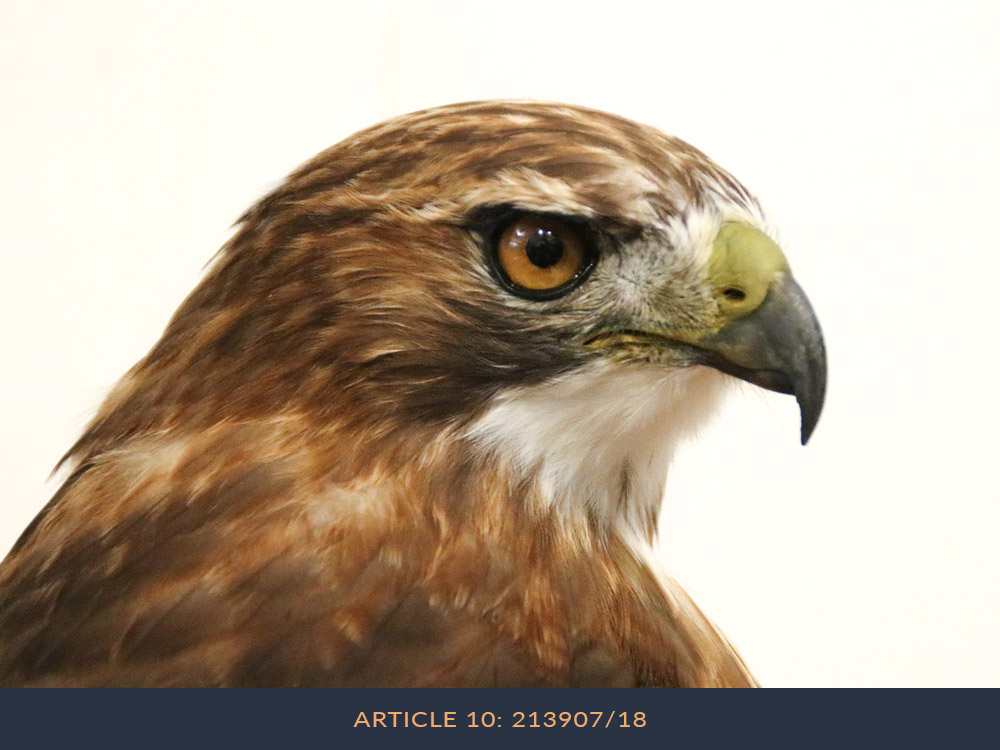
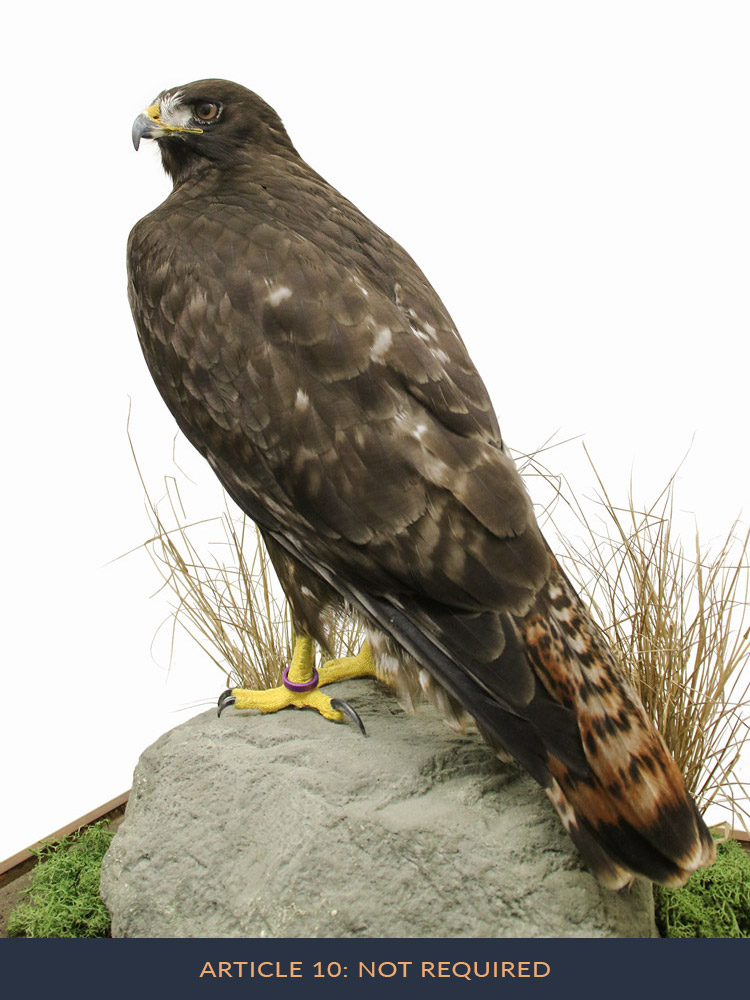
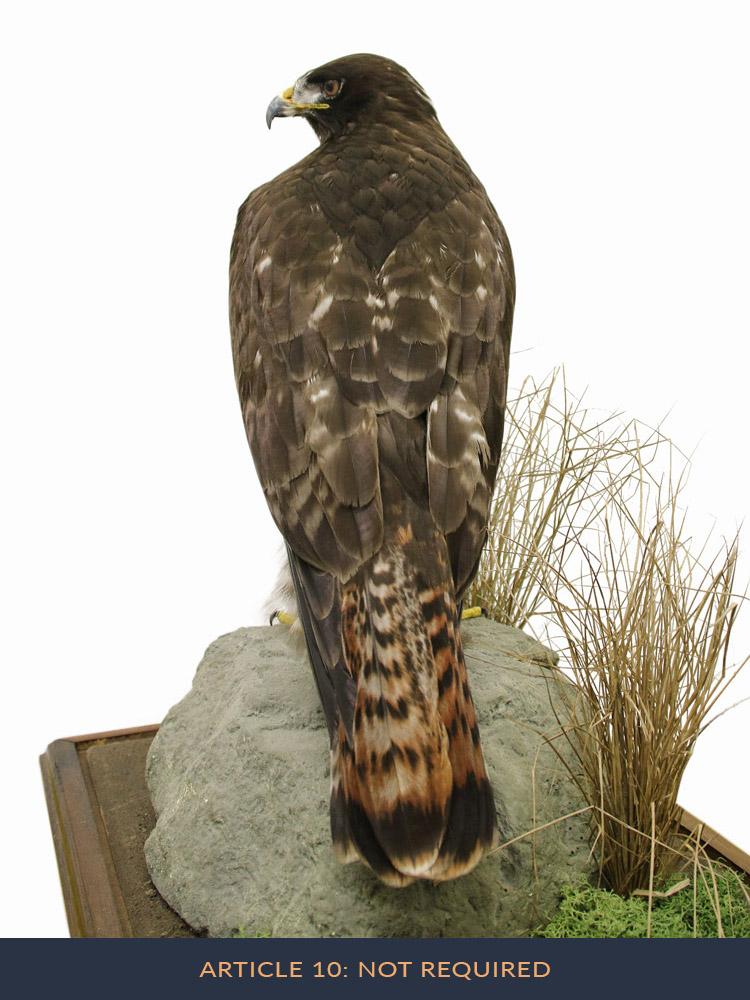
Breeds throughout North America, widely used in falconry in Europe and the Americas. Not so popular now as others have taken over.
A falconer’s bird.
Died naturally.
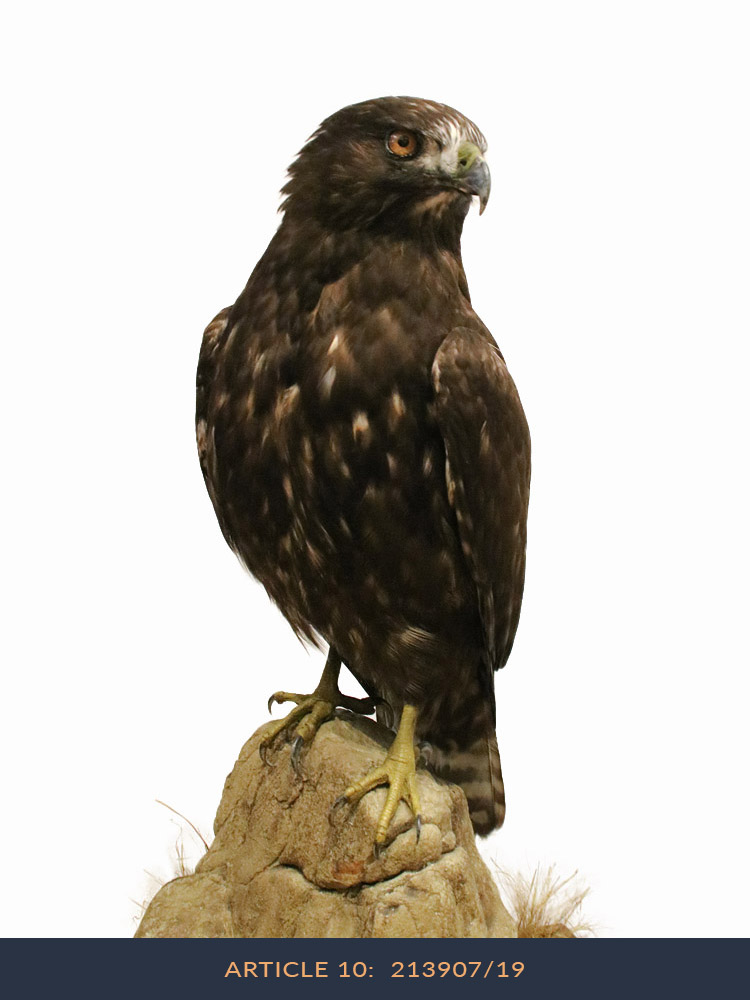
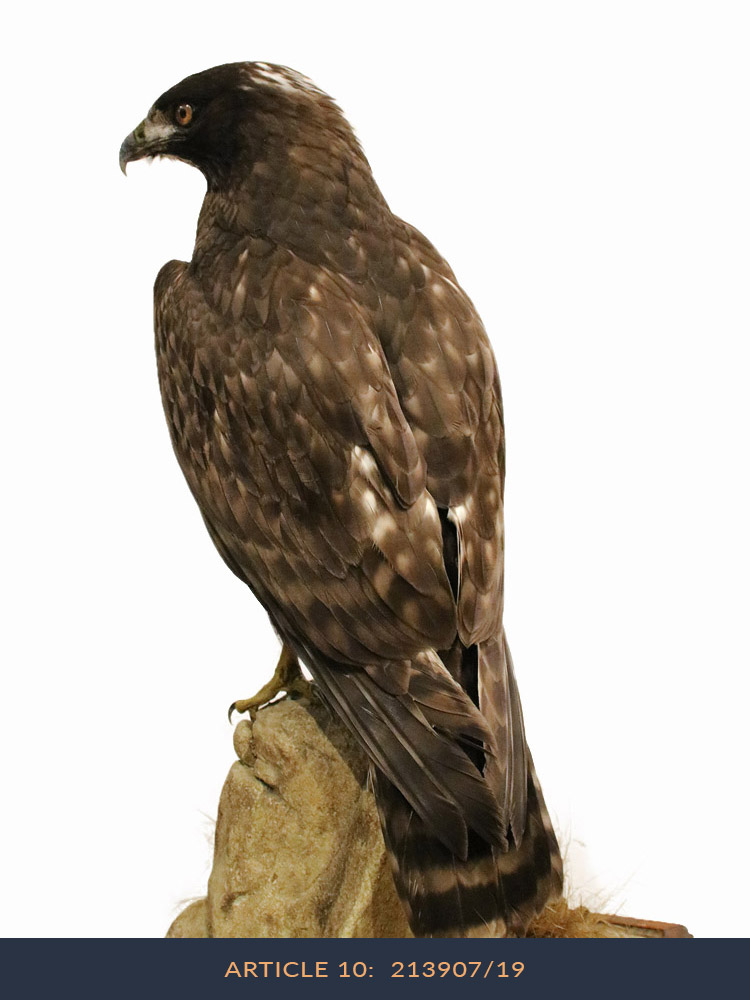
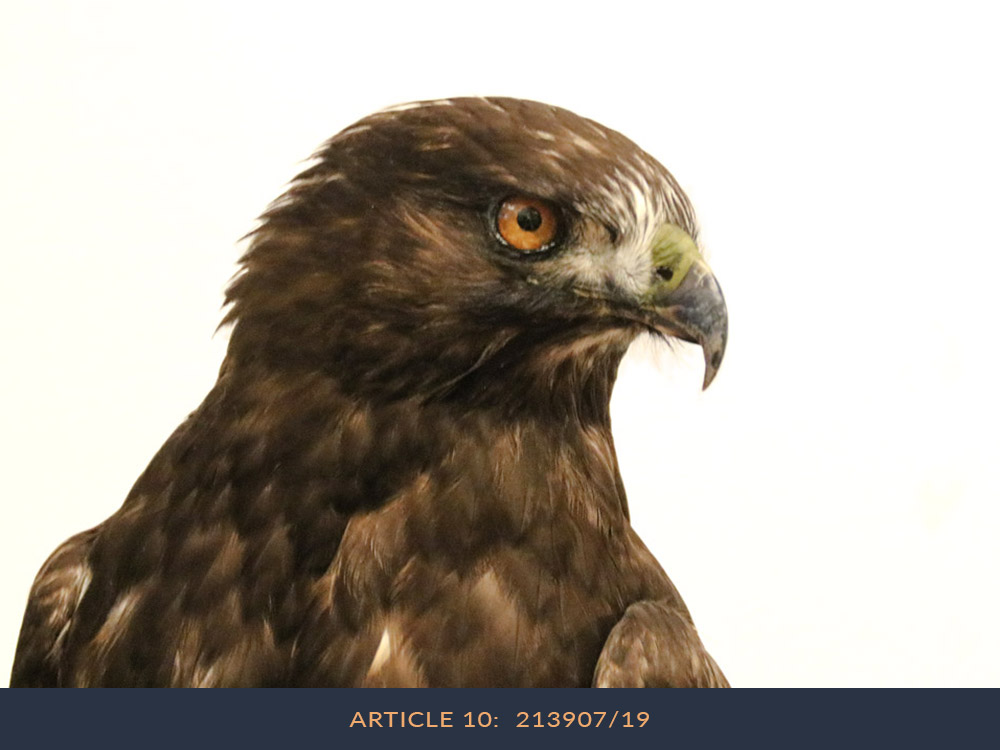
Breeds throughout North America, widely used in falconry in Europe and the Americas. Not so popular now as others have taken over. A sub species of the Red Tailed Hawk.
A falconer’s bird.
Died of natural causes.
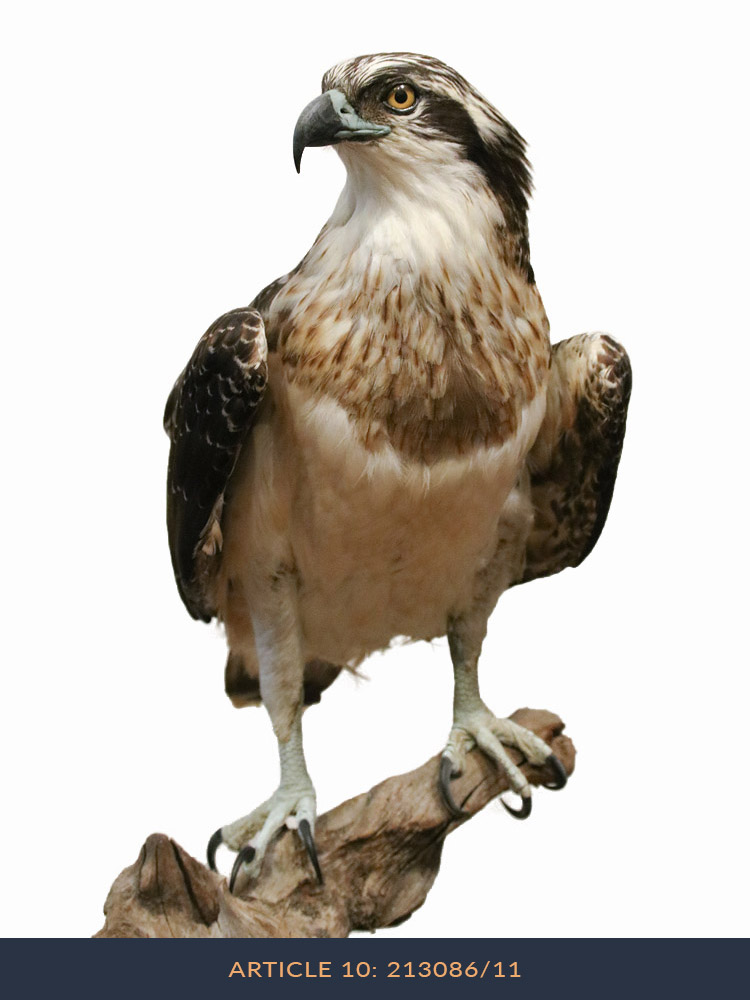
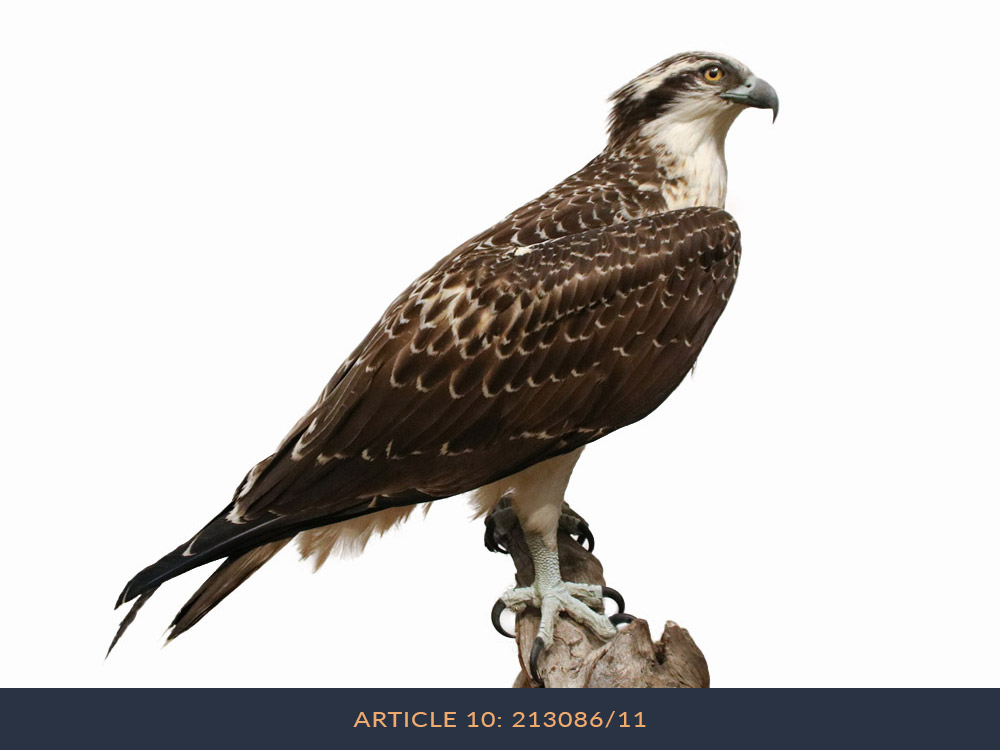
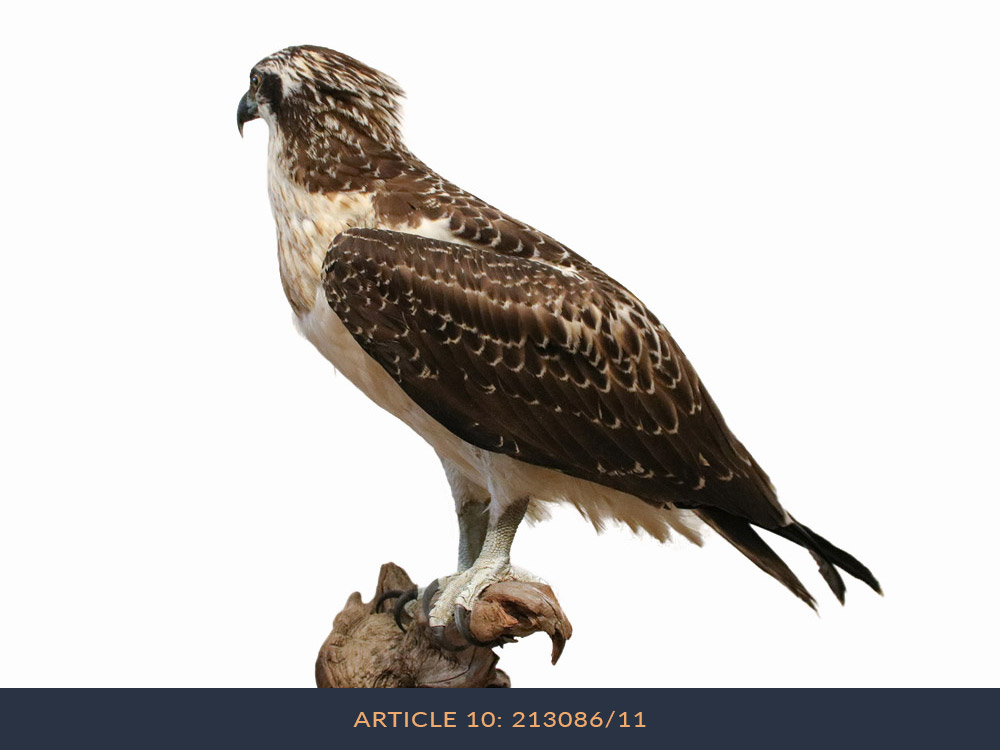
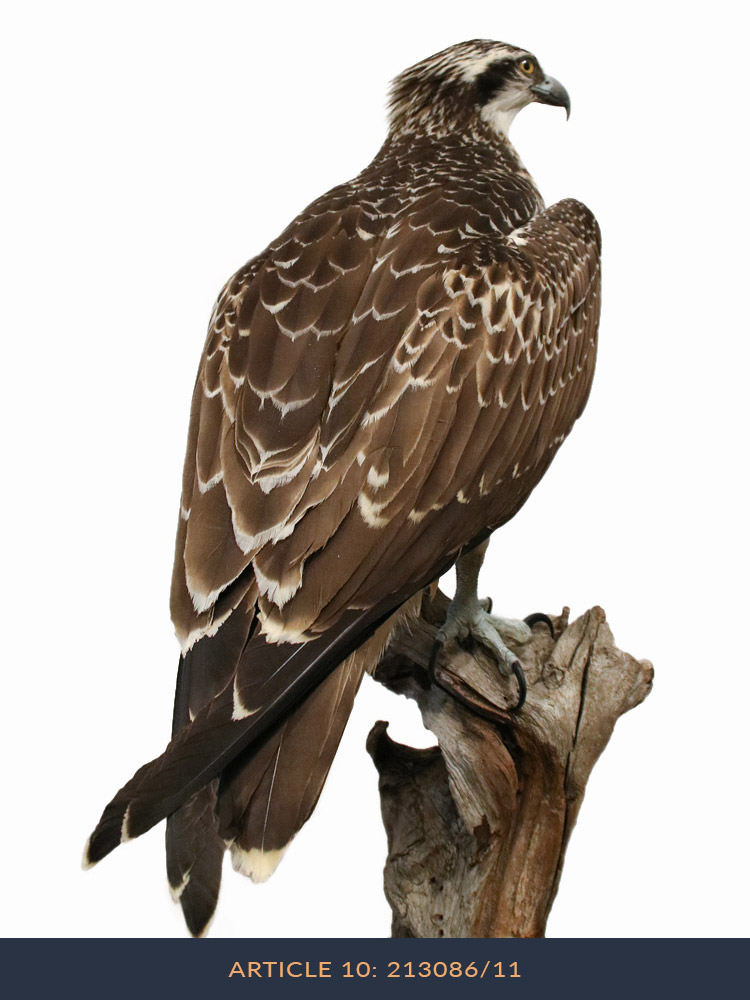
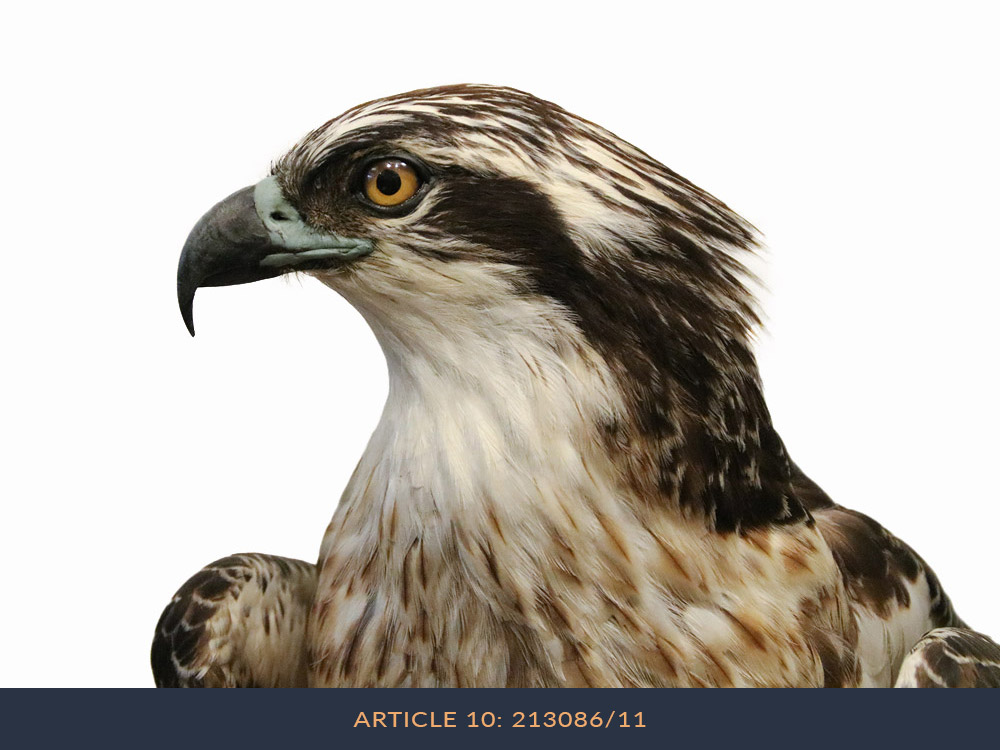
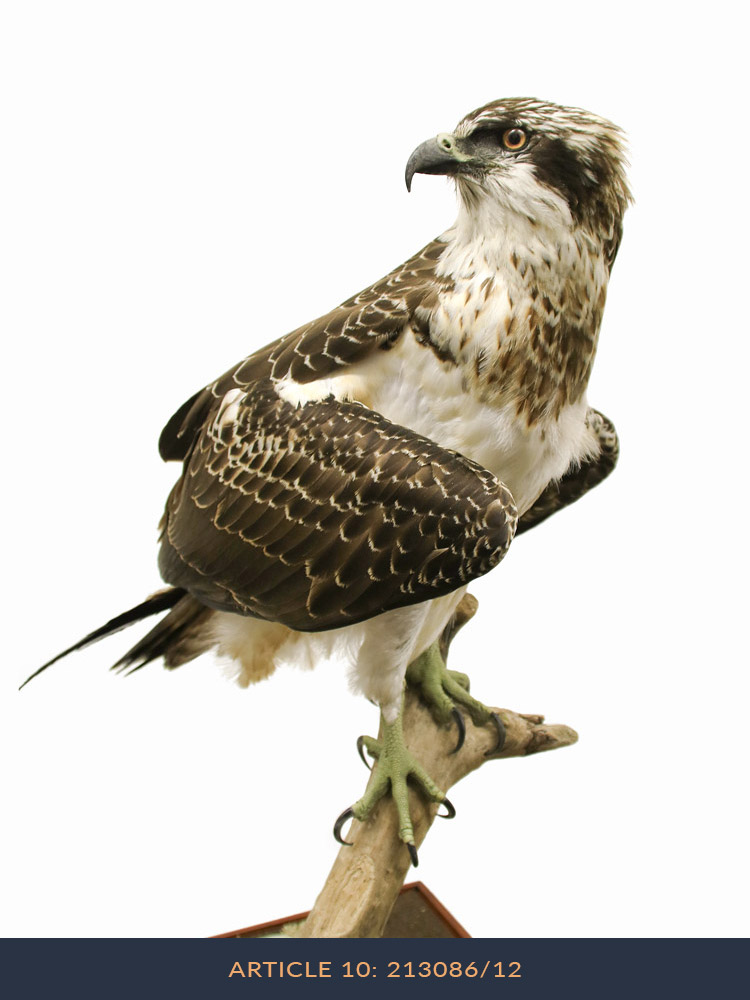
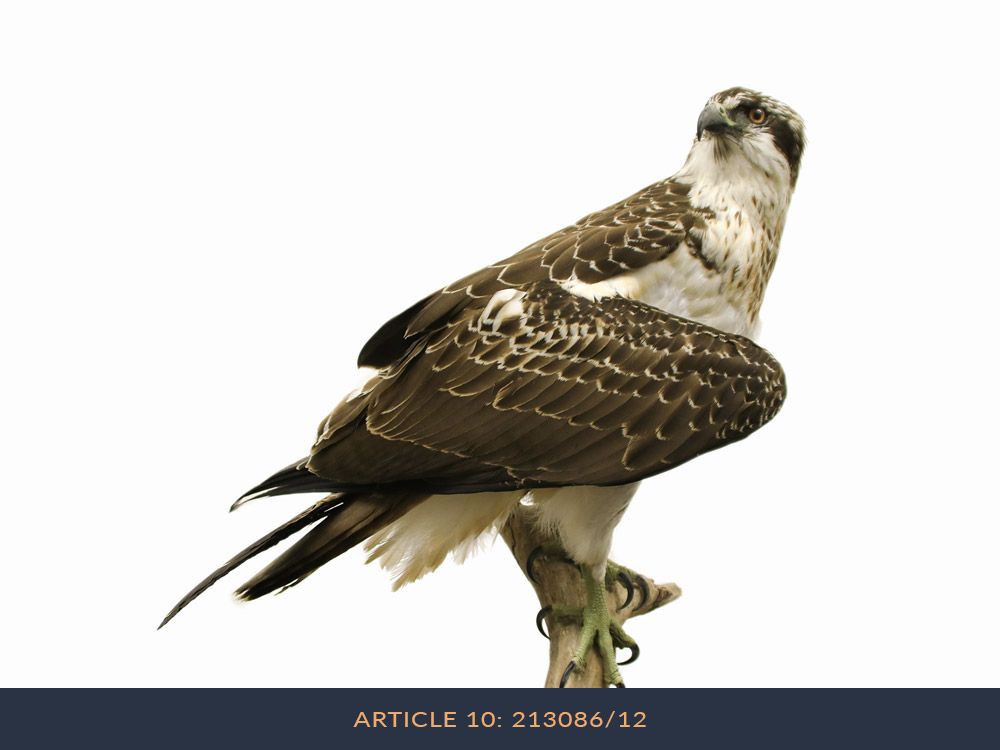
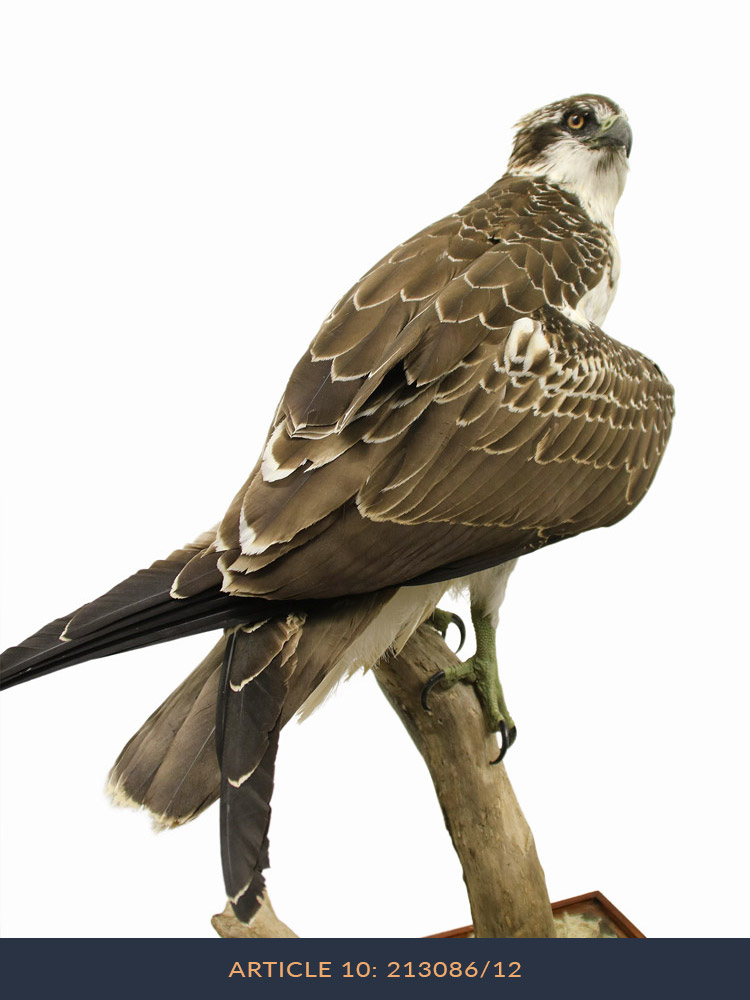
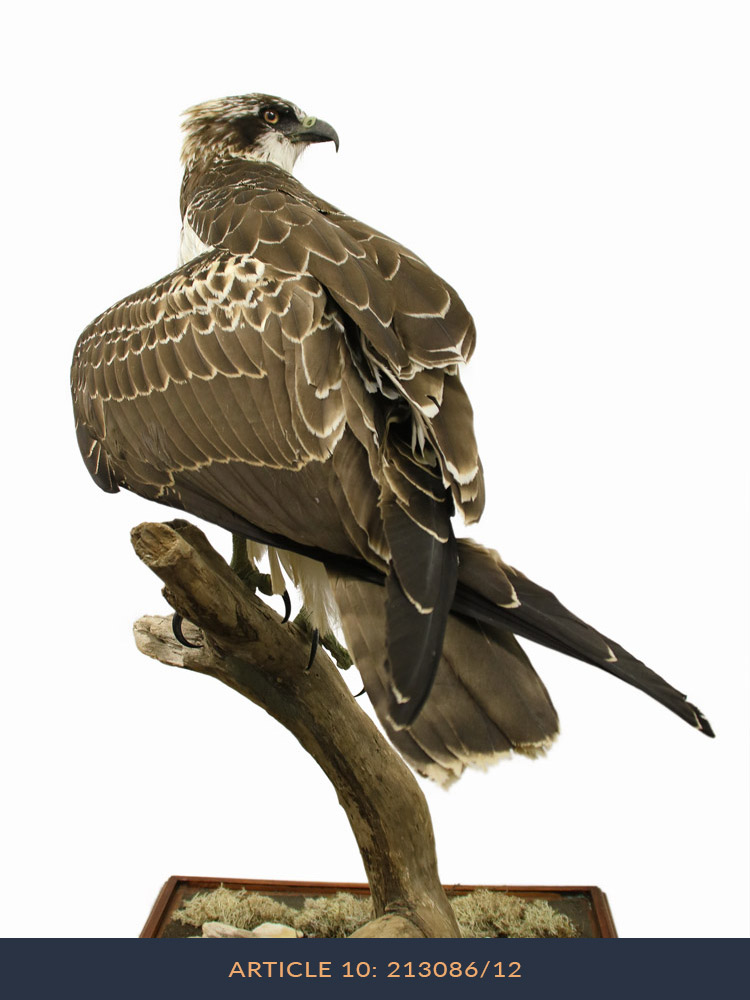
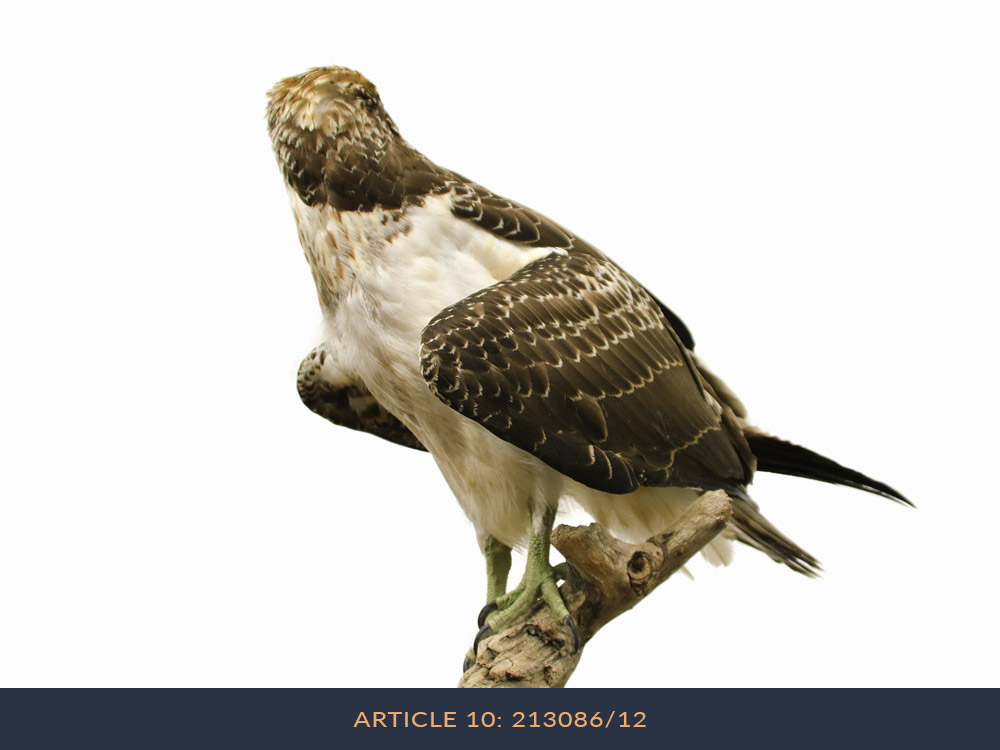
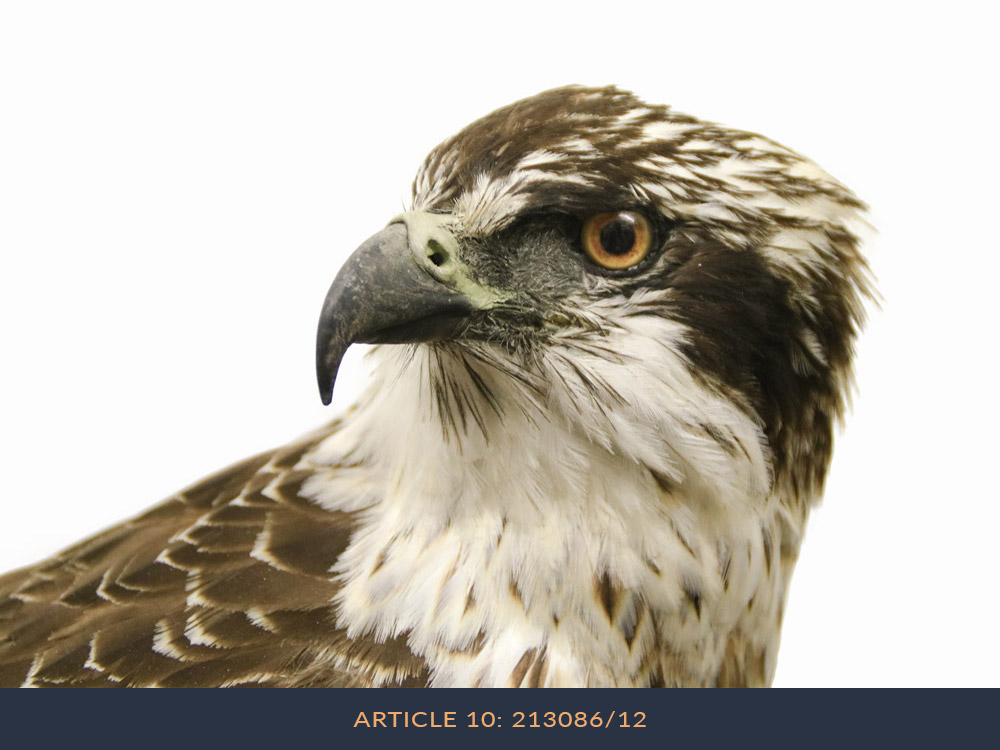
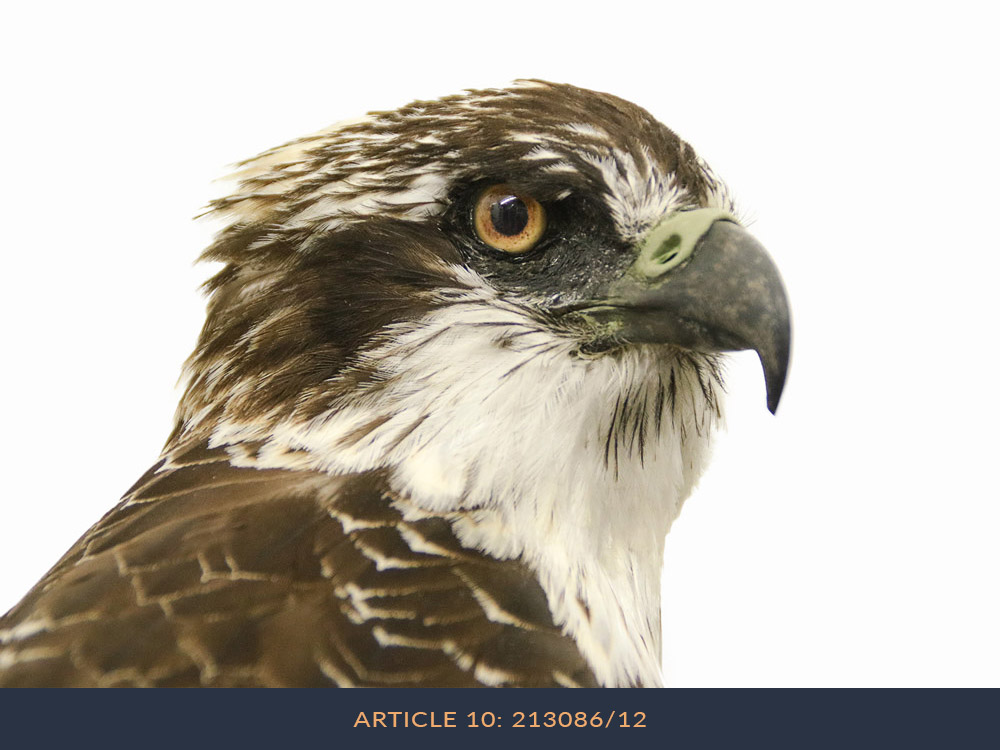
Rare in the UK until recently. Much more common in Europe and the Americas where it is as frequent as a seagull. Its diet is virtually all fish. Most infrequent taxidermy specimens are birds found dead or dying on fishing boats where they have landed, exhausted, or from rehabilitation centres.
One of three types of Harrier in England, this is the second rarest after the Montagu Harrier. A bird always at the centre of discussions between the grouse shooting fraternity and the conservationists.
Both these birds died of natural causes and were donated by a Government Research Station.
Rare in the UK until recently. Much more common in Europe and the Americas where it is as frequent as a seagull. Its diet is virtually all fish. Most infrequent taxidermy specimens are birds found dead or dying on fishing boats where they have landed, exhausted, or from rehabilitation centres.
Formerly extremely rare in the UK after decades of persecution, the species was reintroduced in the 1980’s and now in 2021 Red Kites are as common to see as a House Sparrow. Opportunistic scavengers, up to 700 birds can be seen at Gigrin Farm, Rhayader, Mid Wales, for their 2pm feed, open to the general public. Now, unfortunately, often killed on road as attempting to remove carcasses from the road.
Found frequently now in UK falconry flying display collections, open to the public.
Breeds throughout North America, widely used in falconry in Europe, the UK and the Americas. Not so popular now as others have taken over. A sub species of the Red Tailed Hawk.
Asian species of Harrier of medium size. The adult male (featured here) is more gaily coloured than the conservatively coloured brownish female.
Found at individual falconry display establishments in the UK and Europe.
Died of natural causes.
Commonly seen in Southern Africa, perched on roadside telegraph poles.
Have been used for falconry, but rarely now in 2021.
Died of natural causes.
Formerly extremely rare in the UK after decades of persecution, the species was reintroduced in the 1980’s and now in 2021 Red Kites are as common to see as a House Sparrow. Opportunistic scavengers, up to 700 birds can be seen at Gigrin Farm, Rhayader, Mid Wales, for their 2pm feed, open to the general public. Now, unfortunately, often killed on road as attempting to remove carcasses from the road.
Found frequently now in UK falconry flying display collections, open to the public.
Massively abundant throughout Europe and a common sight now in Britain.
Not used much for falconry as there are other favourite species, but commonly found in falconry establishments for flying displays.
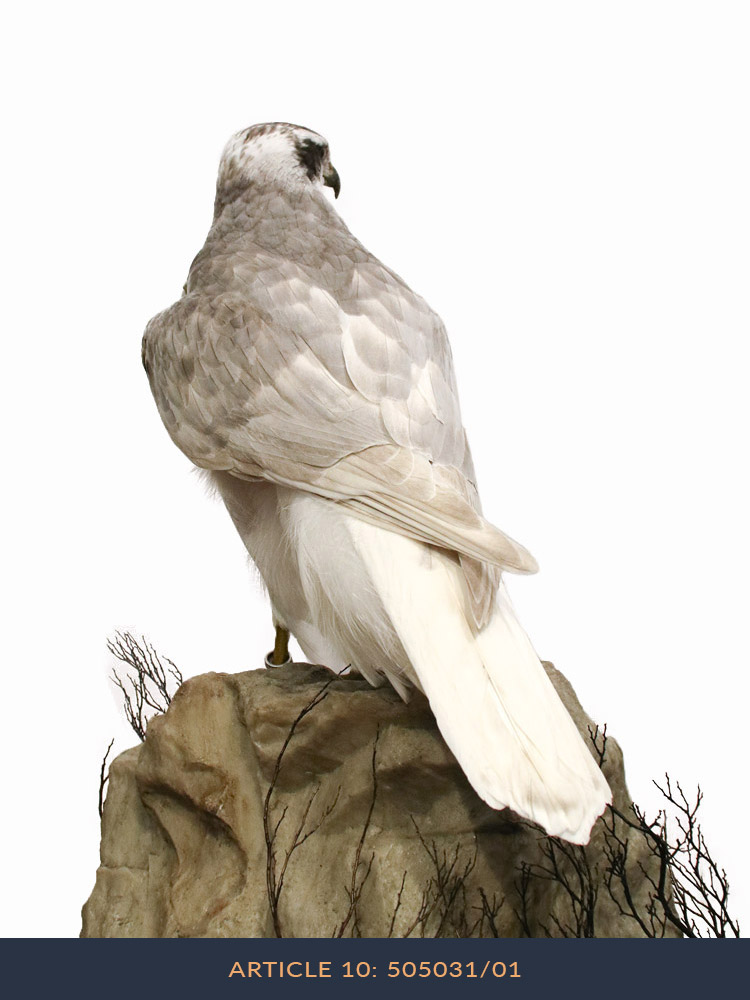
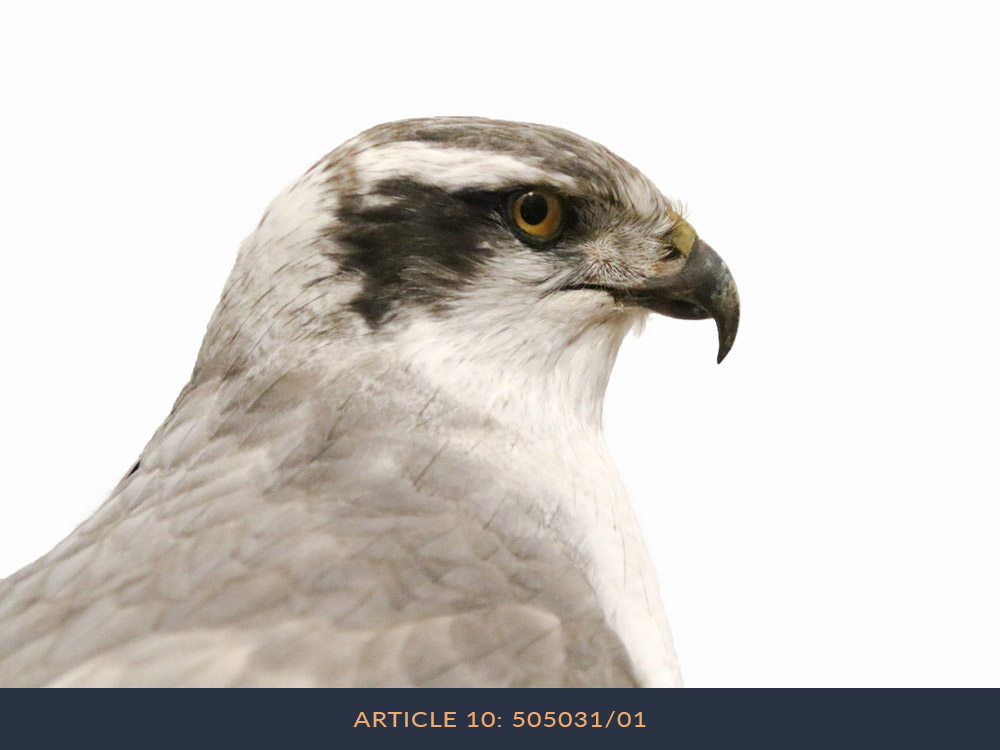
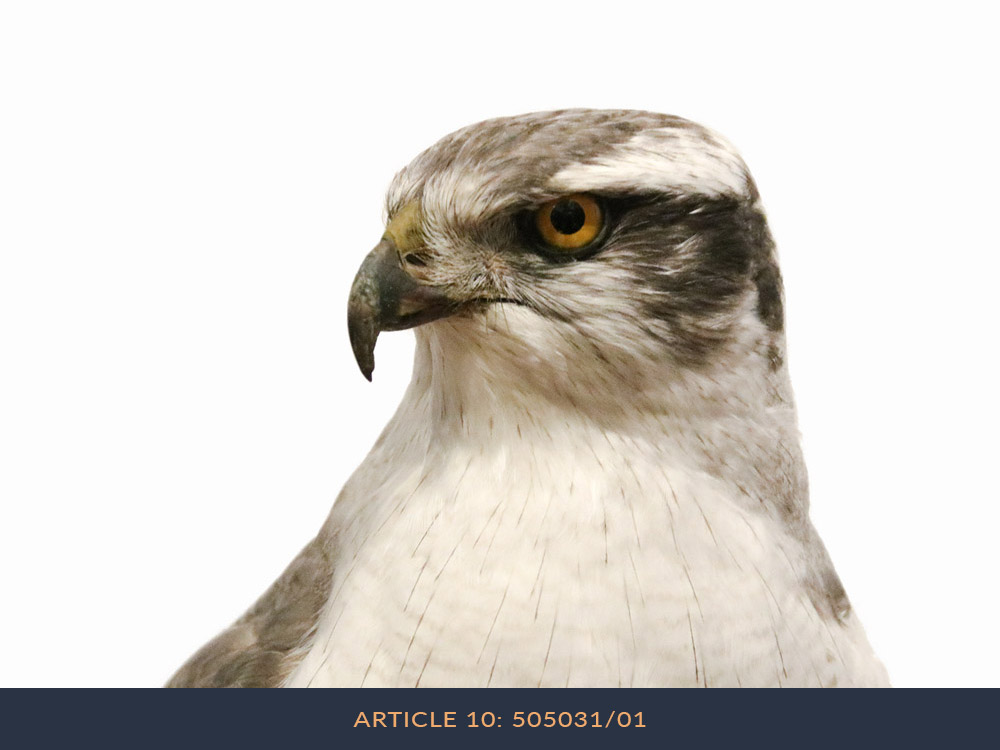
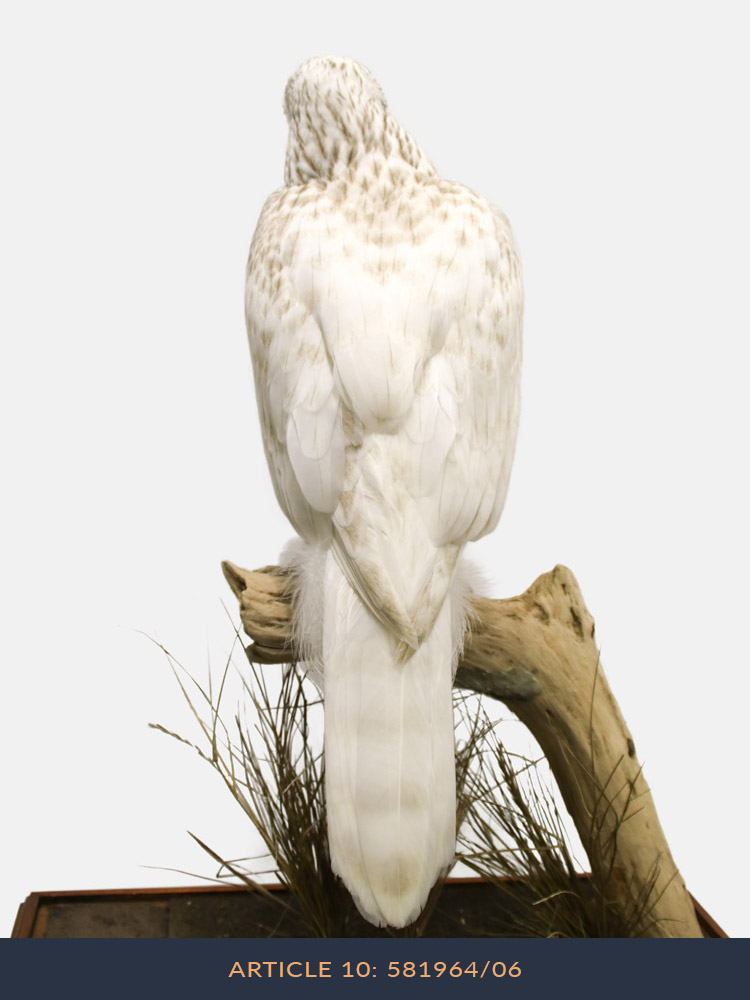
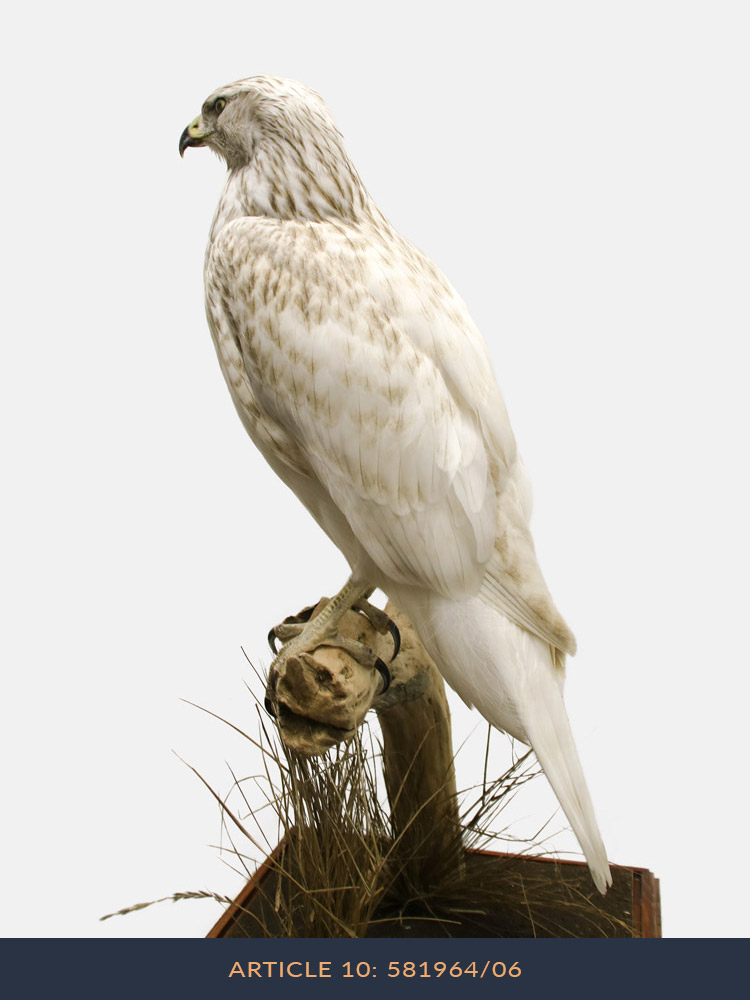
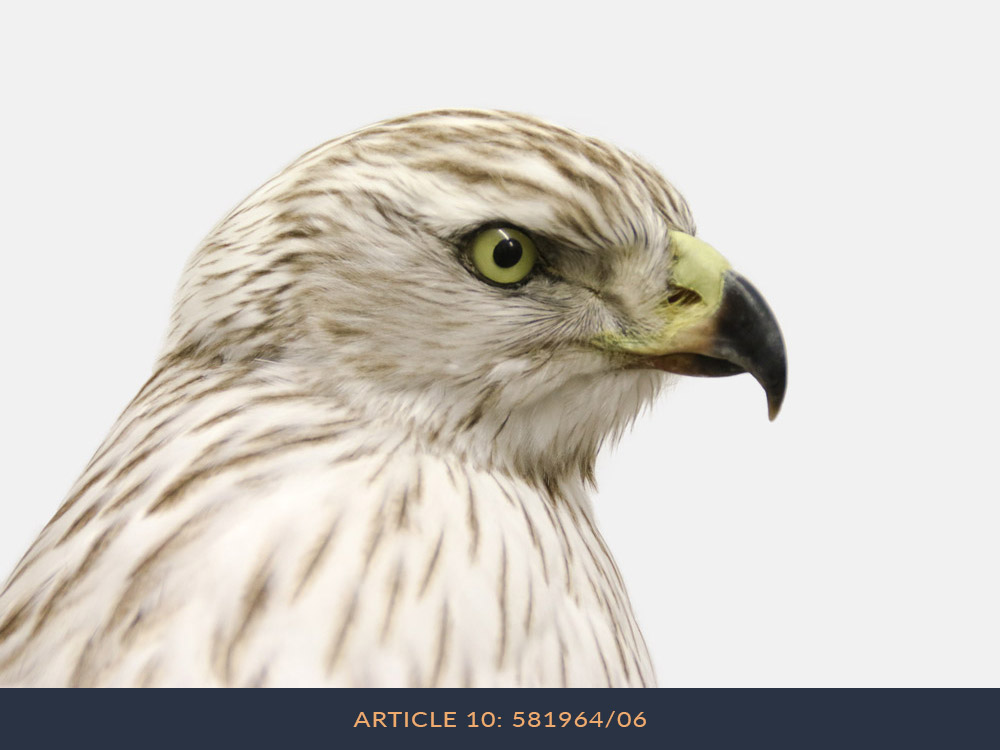
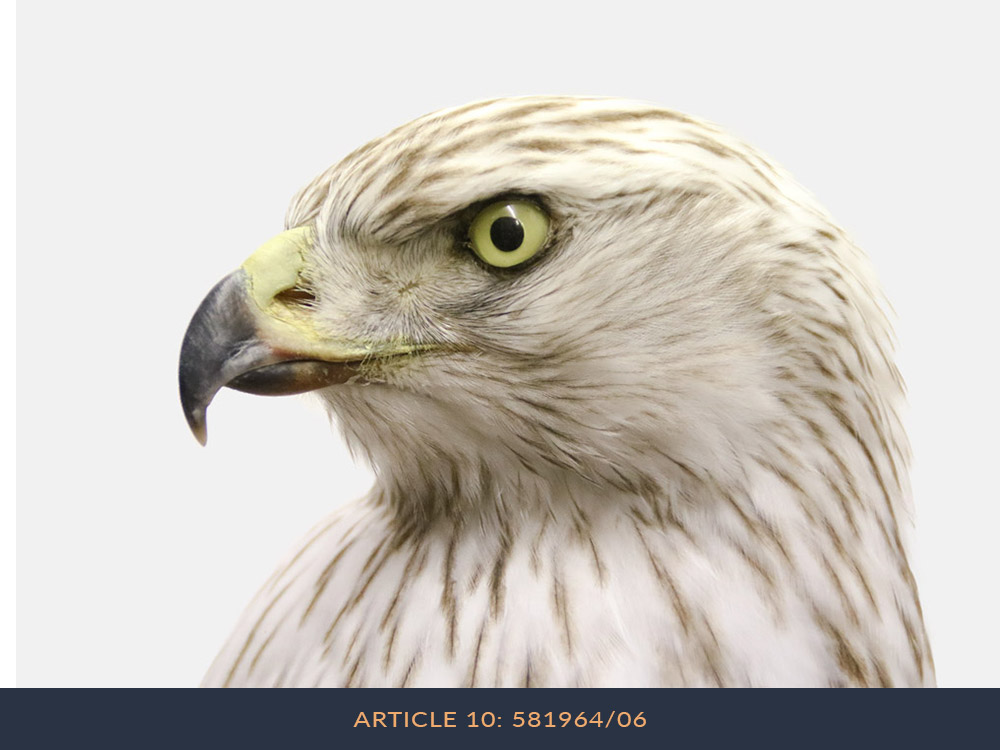
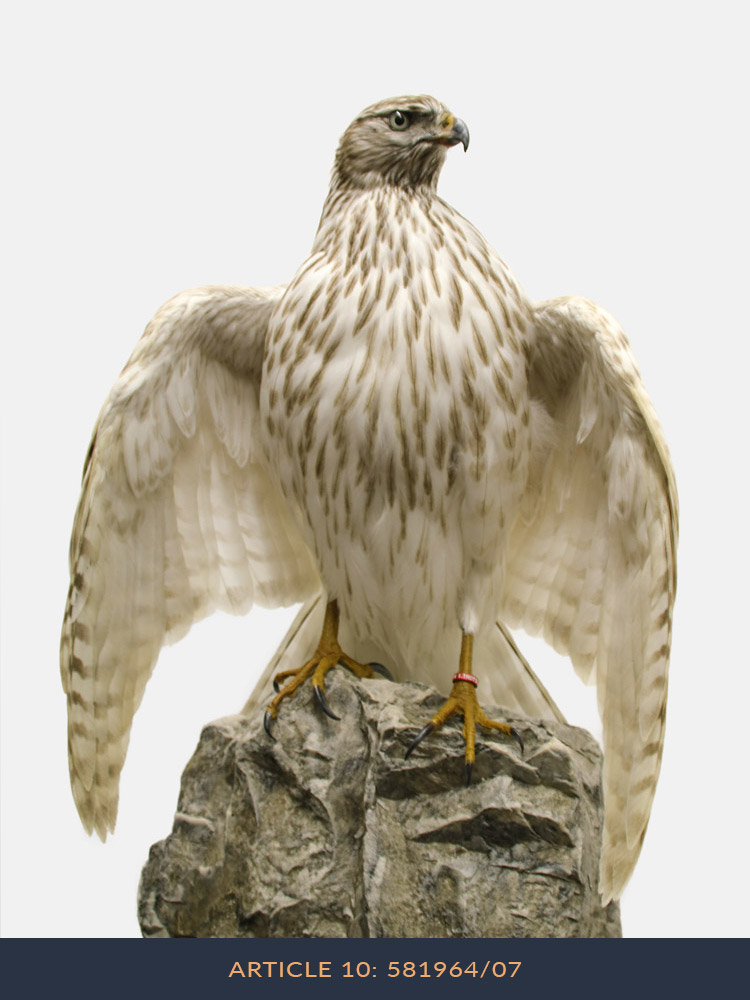
Albidus Goshawks originate from Siberia and Kamchatka. Their colouration and breeding ability have made them a massive favourite for Austringers (Goshawk keeper) in Europe. Properly manned and bred, they are a true killing machine without any of the old inherited ‘stress’ characteristics.
Died of natural causes, a falconer’s bird.
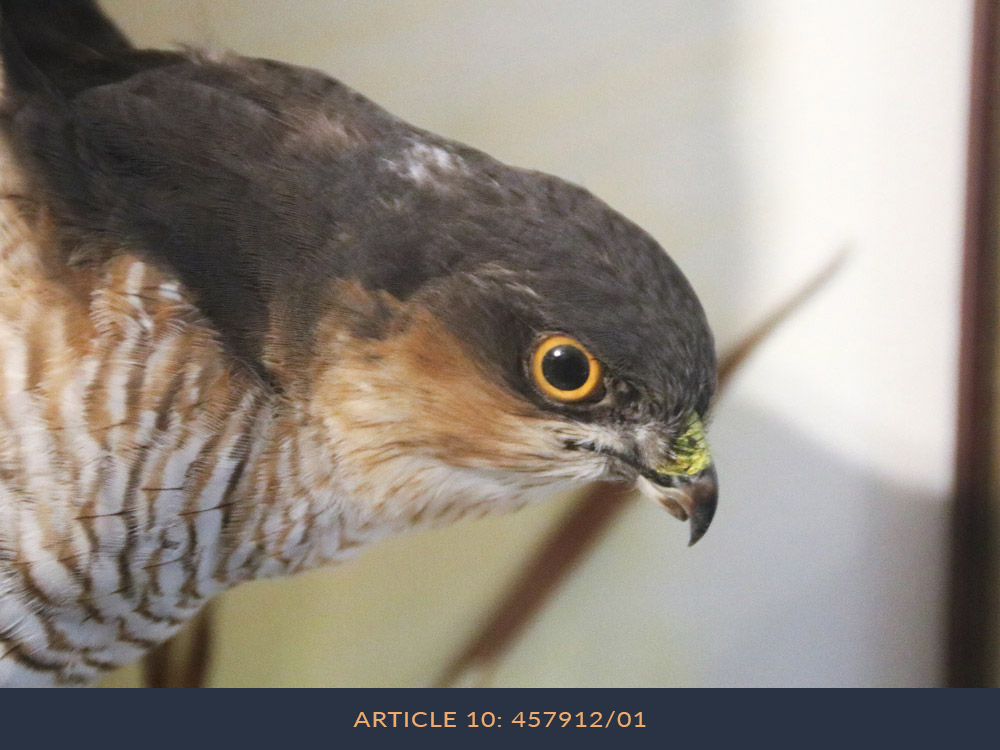
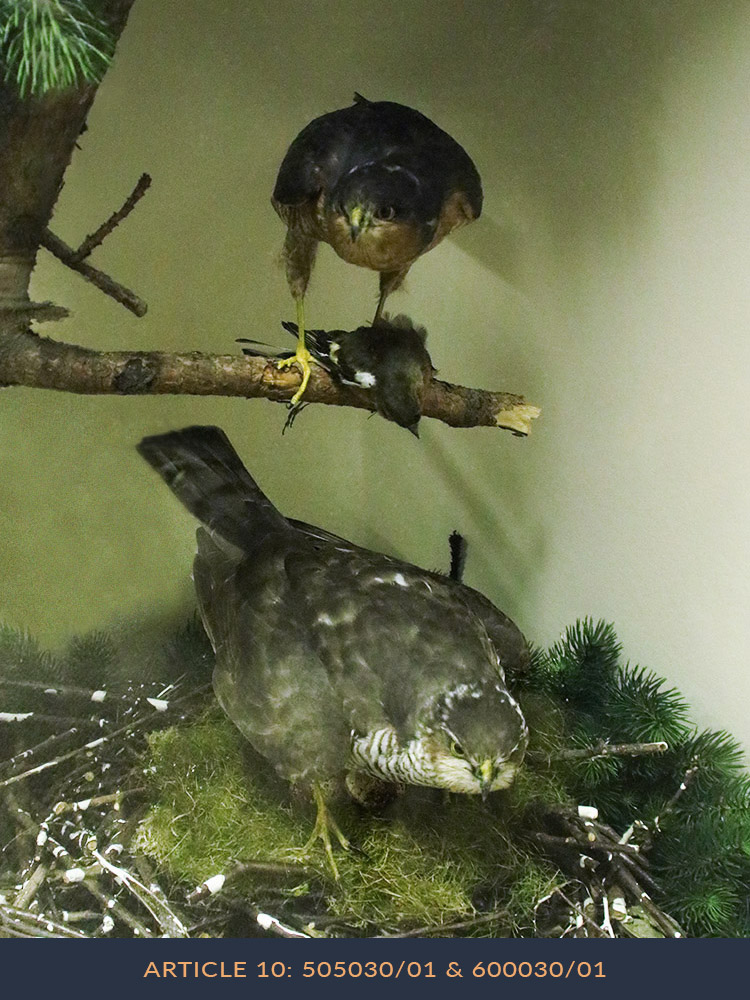
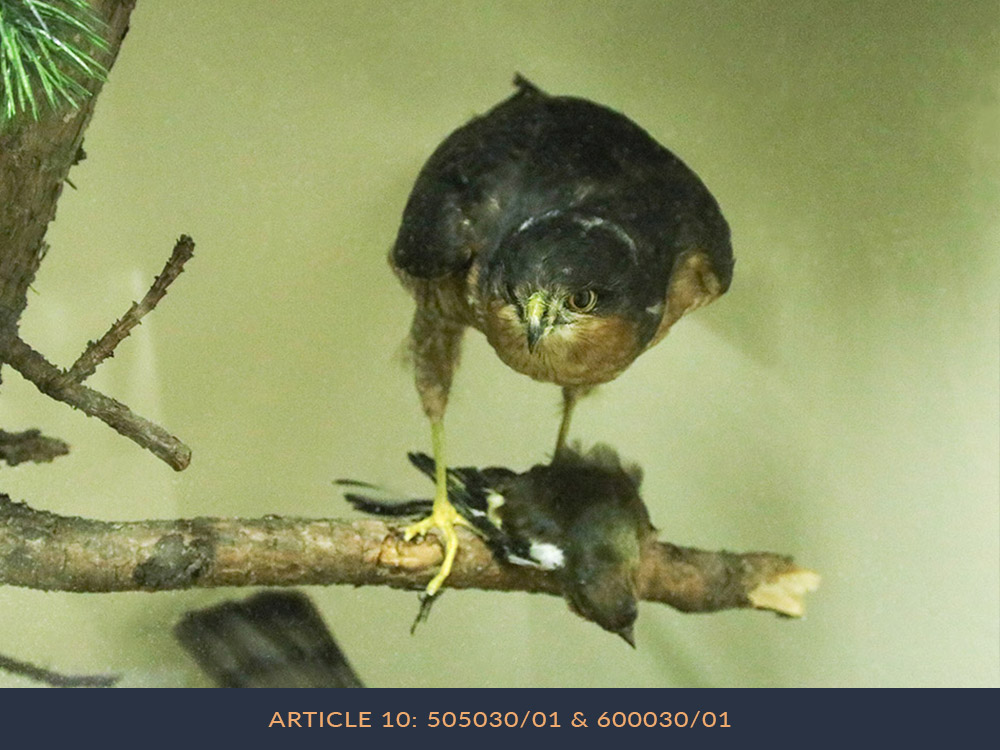
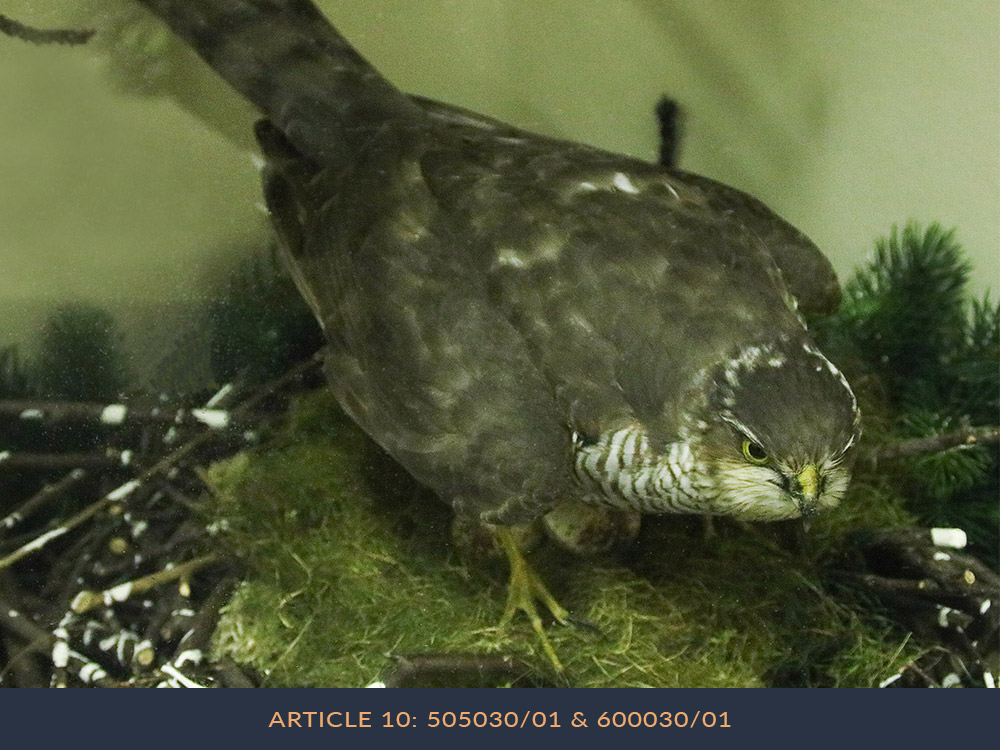
Commonly found in Europe and the UK, the Sparrowhawk is the much, much smaller version of the Goshawk. A patch of feathers in the garden is most likely the neighbourhood Sparrowhawk on his daily visit.
Ultra common for falconry, not quite so much now as Goshawks are preferred.
Died of natural causes.
Medium sized raptor, found on Indian sub Continent, South East Asia and Australia.
Imported for attempts at falconry and falconry display establishments
Died of natural causes.
Commonly found in Europe and the UK, the Sparrowhawk is the much, much smaller version of the Goshawk. A patch of feathers in the garden is most likely the neighbourhood Sparrowhawk on his daily visit.
Ultra common for falconry, not quite so much now as Goshawks are preferred.
Sometimes known as Black Goshawk or Great Sparrowhawk. Largest African Accipiter.
Commonly used for falconry all over UK.
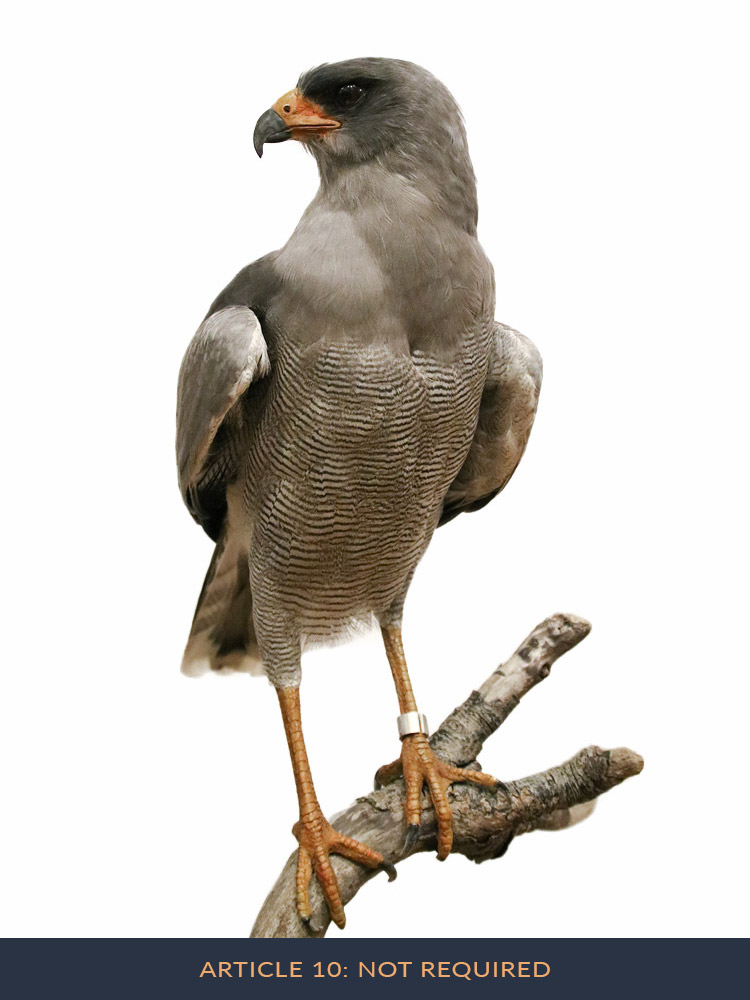
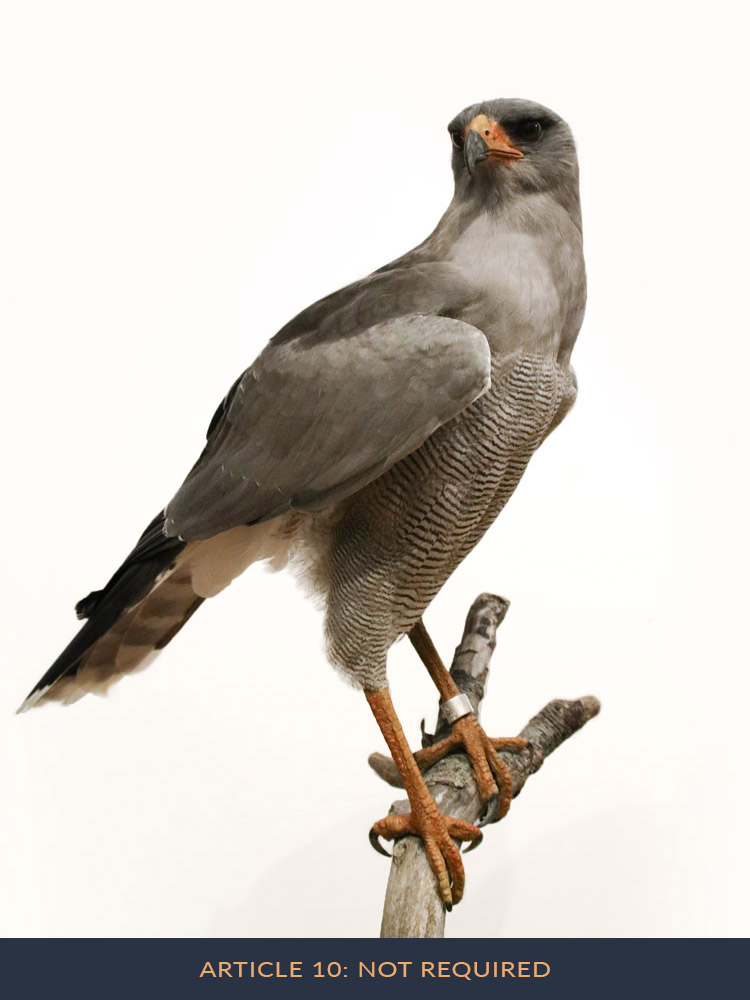
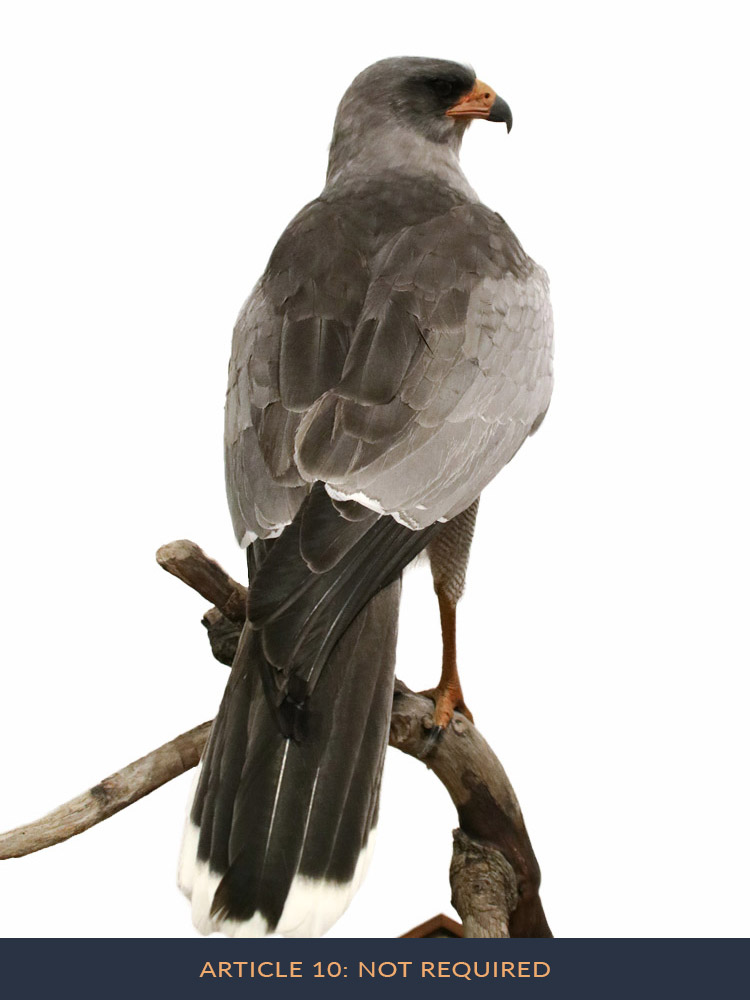
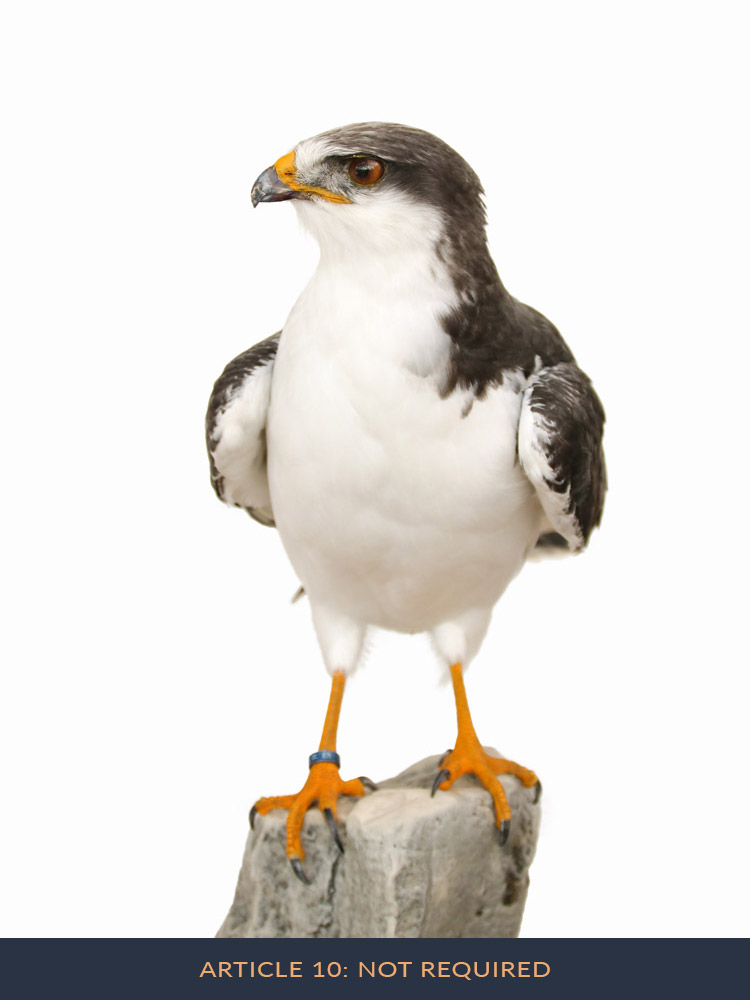
Small species of African and Arabian bird of prey. Accipiter family.
Used (infrequently) for falconry, as was with this imported bird.
Albidus Goshawks originate from Siberia and Kamchatka. Their colouration and breeding ability have made them a massive favourite for Austringers (Goshawk keeper) in Europe. Properly manned and bred, they are a true killing machine without any of the old inherited ‘stress’ characteristics.
Large sized Hawk entirely European until imported into the UK by falconers in the 70/80’s and lost whilst flying. Subsequently it can be said that falconers have contributed to the re-emergence in Britain of this stunning bird, widely found but rarely seen in forests.
Addenda: Goshawks, together with Sparrowhawks, are highly stressed if taken from the wild and often die for this reason. Now, five decades later, they are bred in captivity and manned (trained) not to fear humans and are a popular hunting bird.
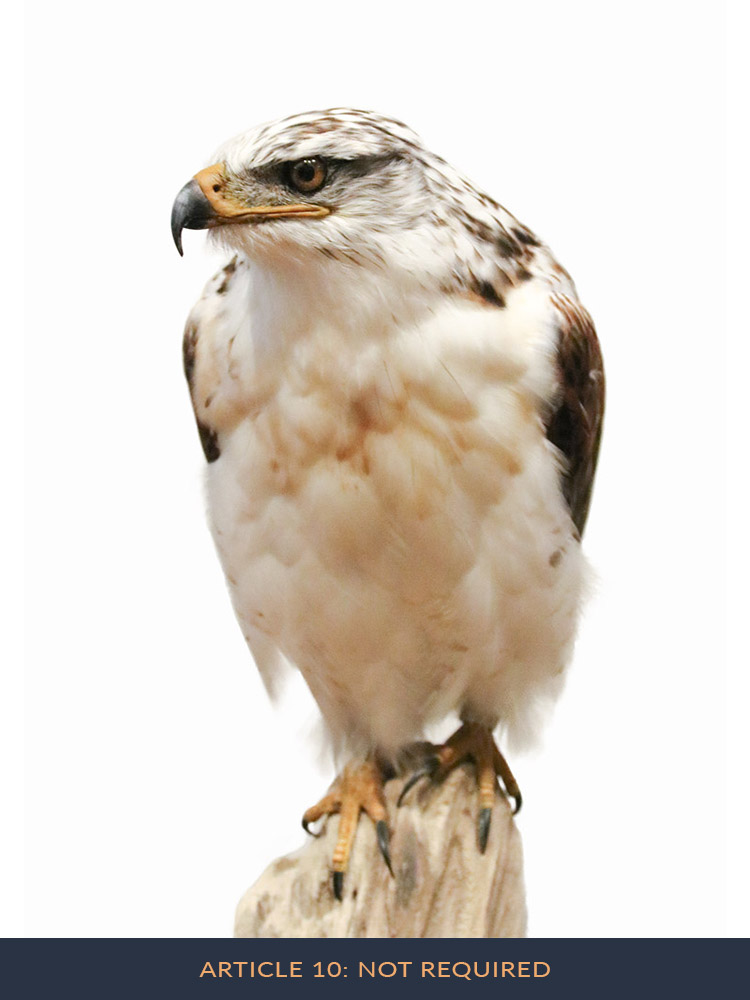
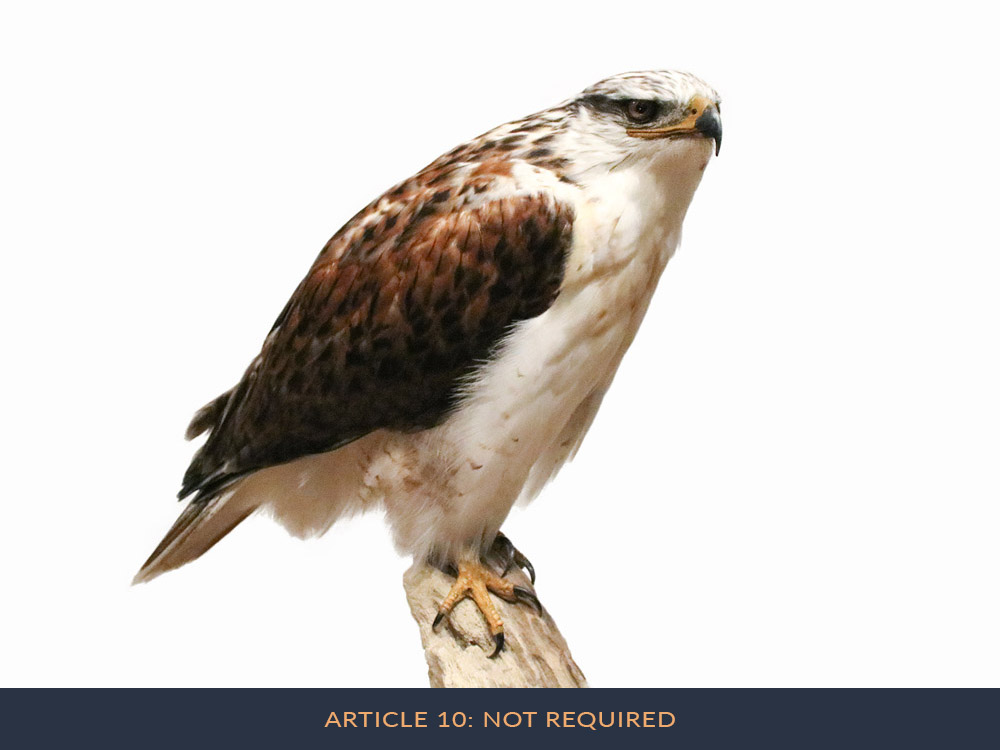
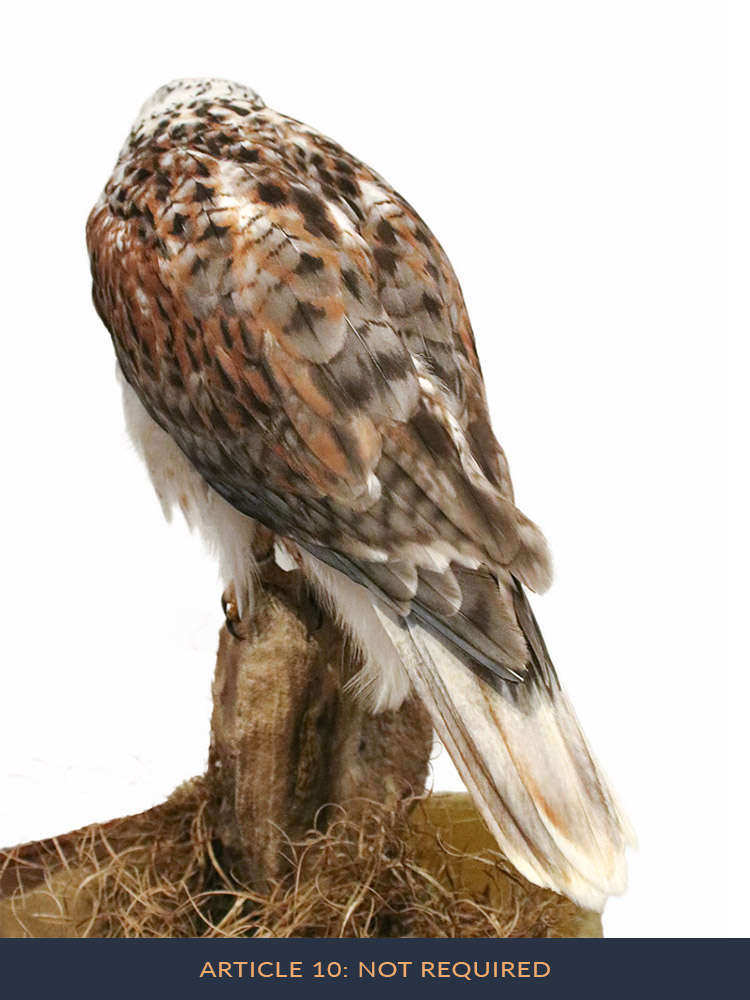
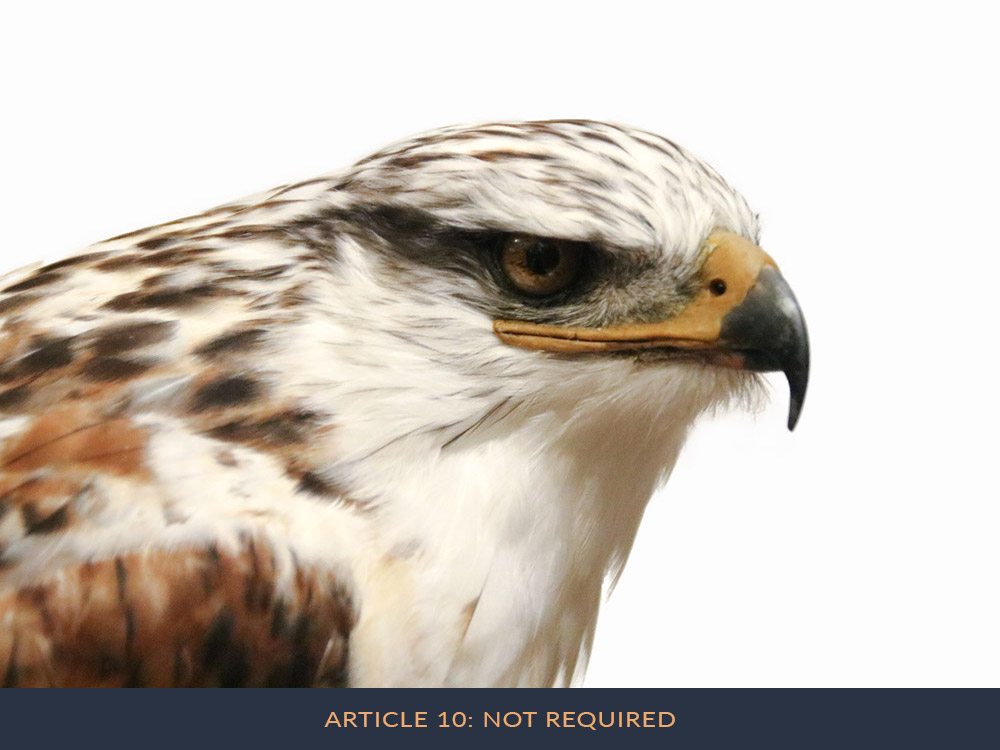
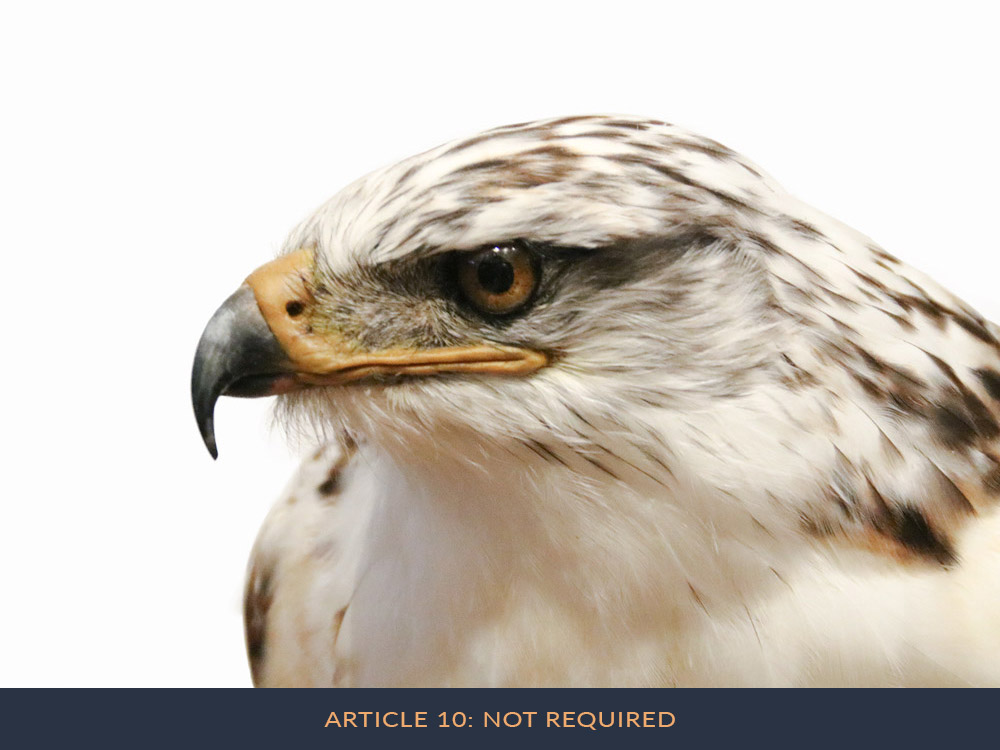
A large broad winged Hawk, endemic to interior parts of North America and often imported by falconers into UK.
Originates from South America, polymorphic species of Family Accipitridea.
Rarely used for falconry.
Died in Welsh breeding establishment of natural causes.
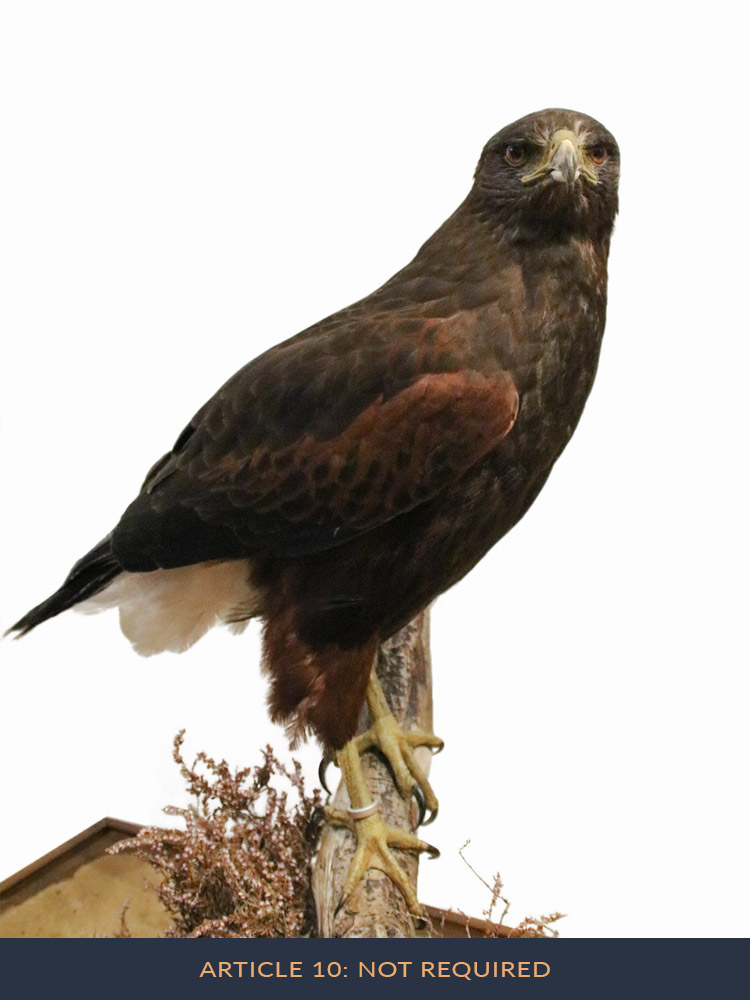
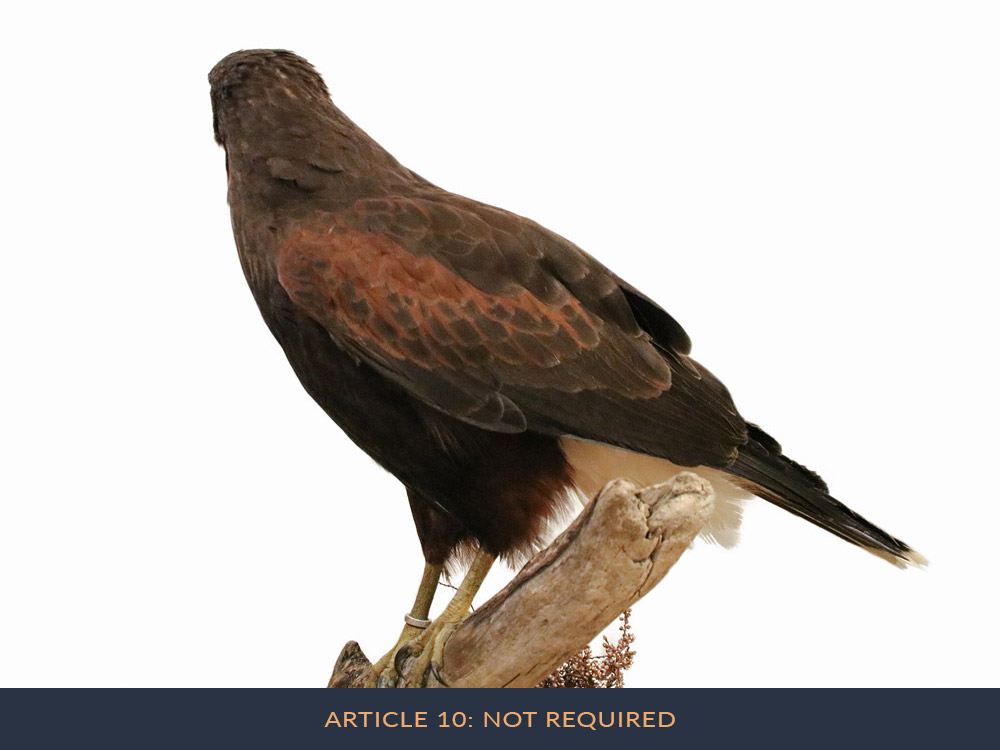
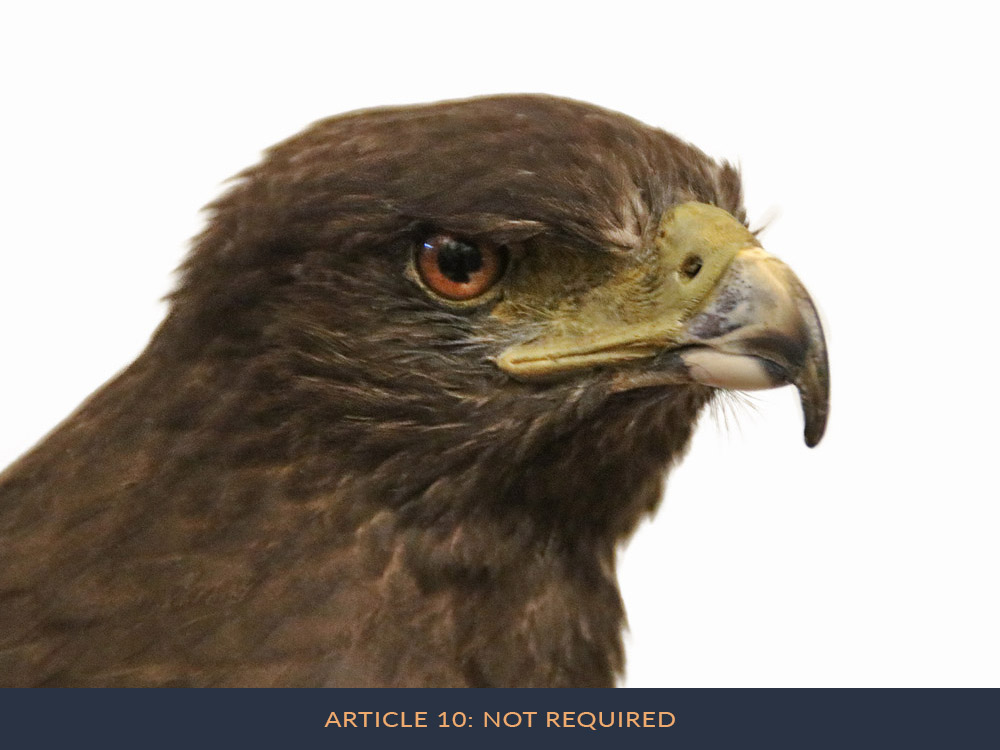
Breeds from Southern USA all way South to Chili. Incredibly friendly raptor, very easy to man (tame) and widely used by incoming new falconers as considered ‘bombproof’.
Very common in UK captivity.
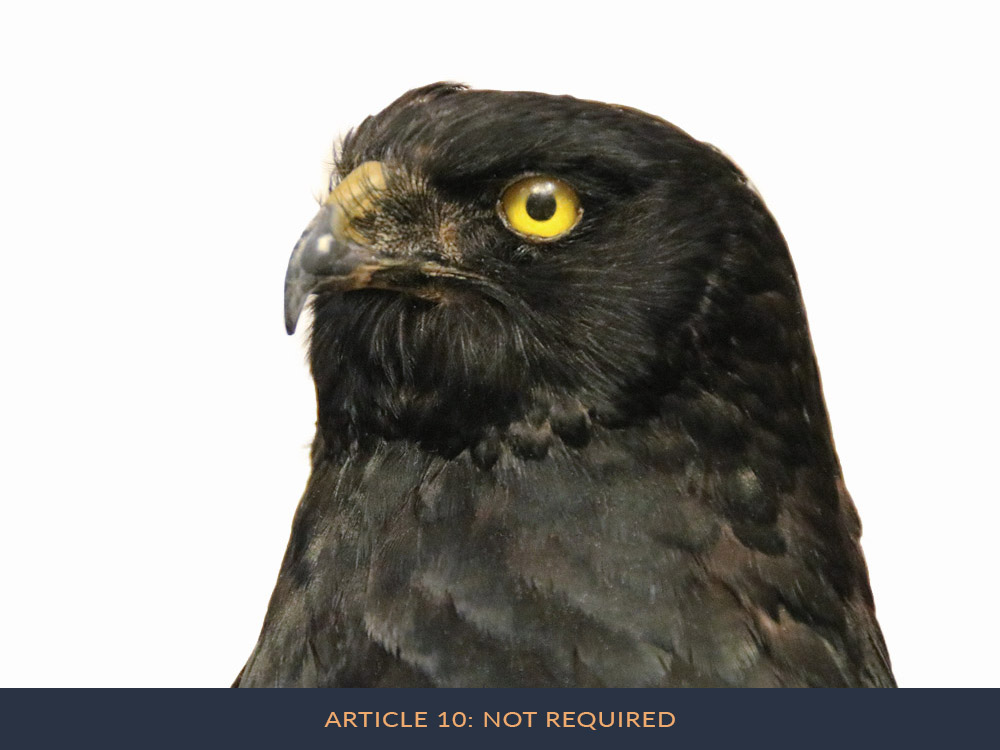
Rare black phase. Sometimes known as Black Goshawk or Great Sparrowhawk. Largest African Accipiter.
Commonly used for falconry all over UK.
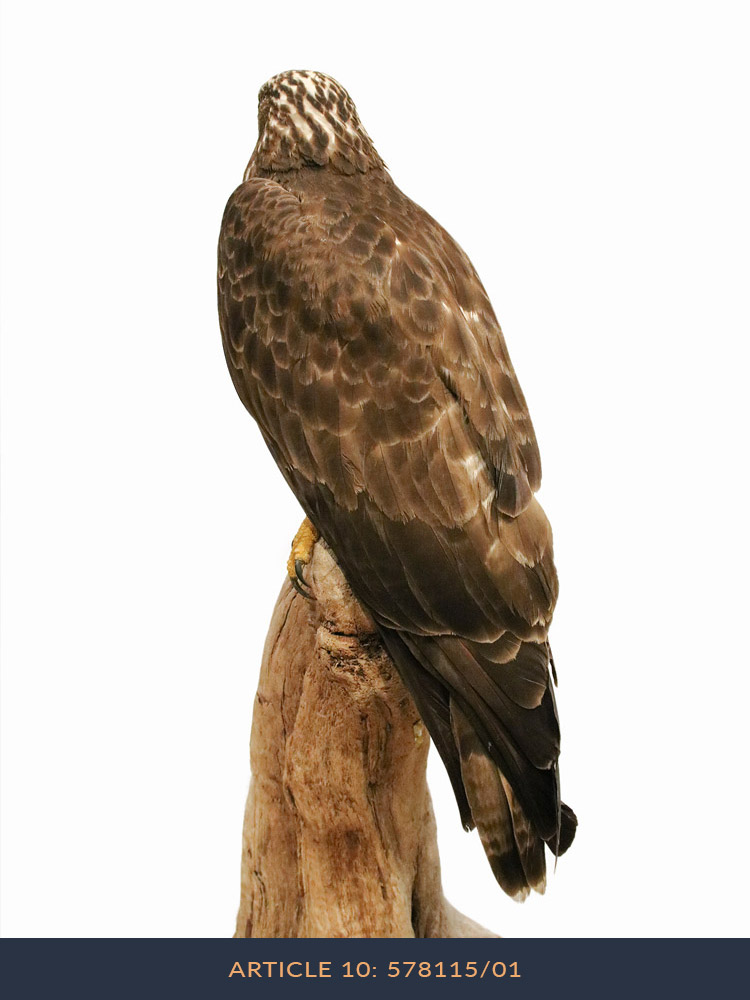
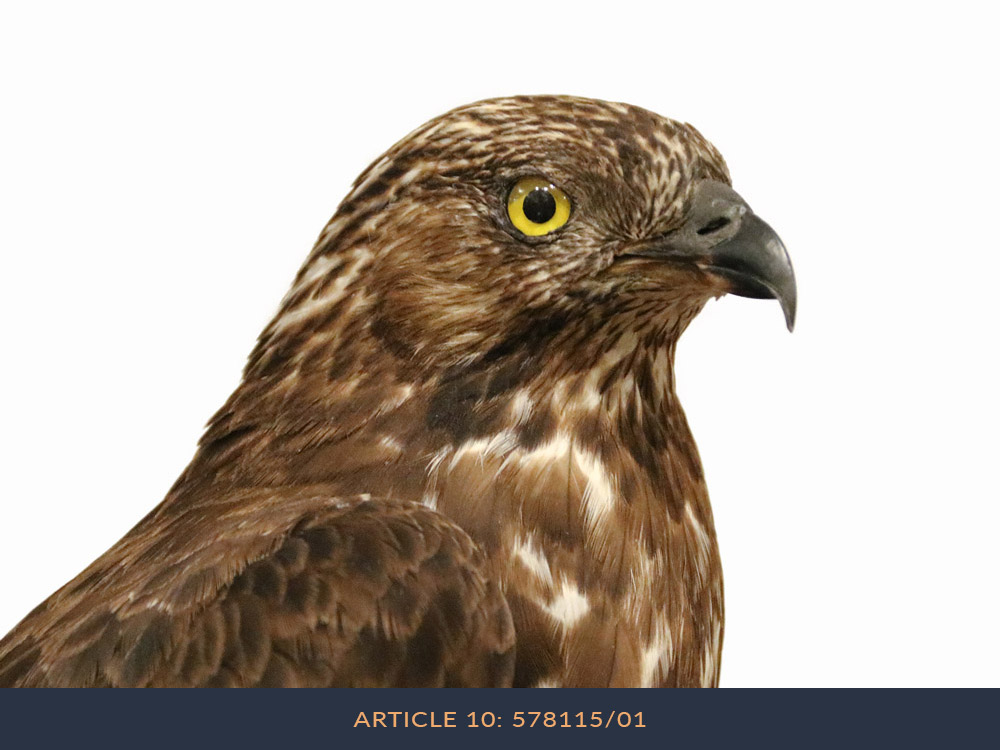
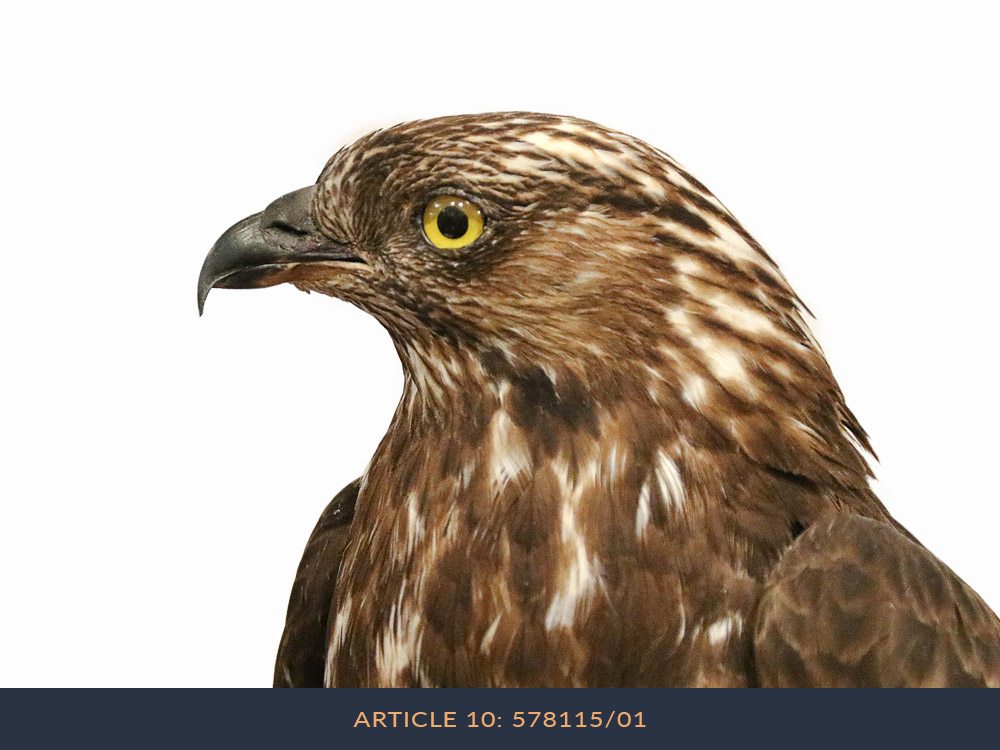
A common species in Europe with many different colour variations and an irregular sighting in the UK. Feeds on wasps as a favourite.
Have been used for falconry displays in the UK.
Died of natural causes.
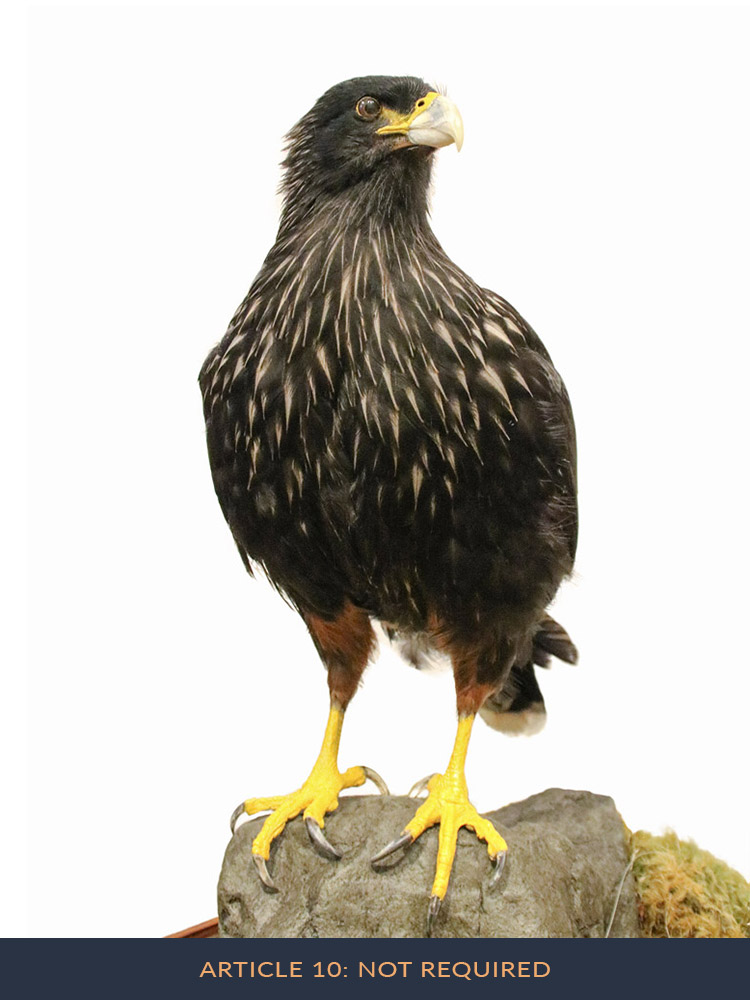
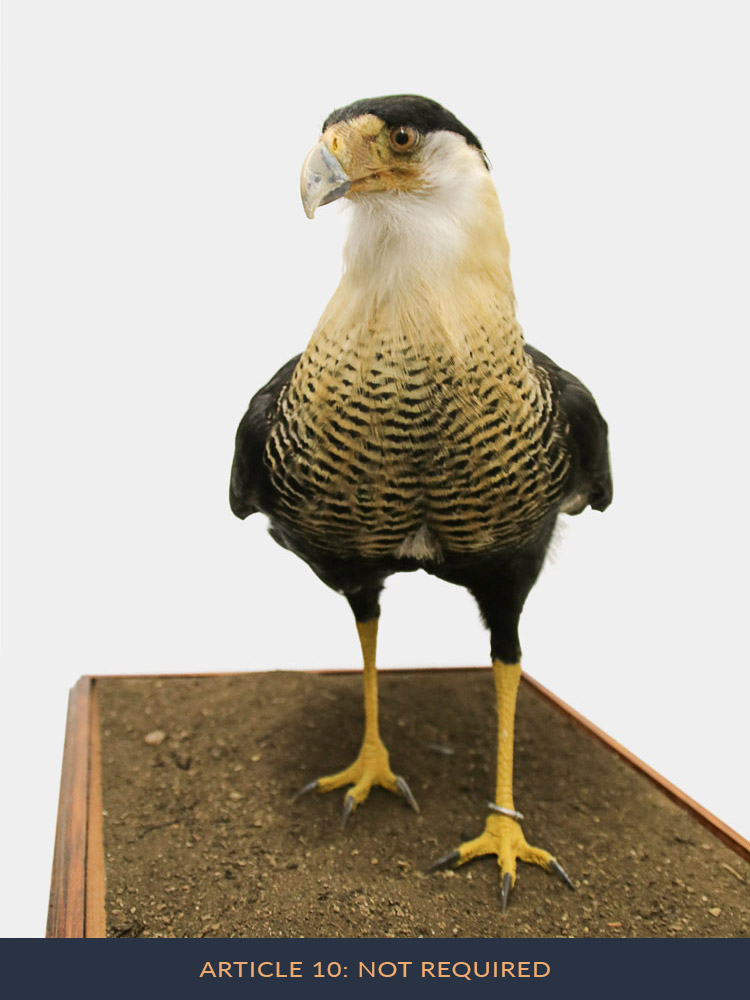
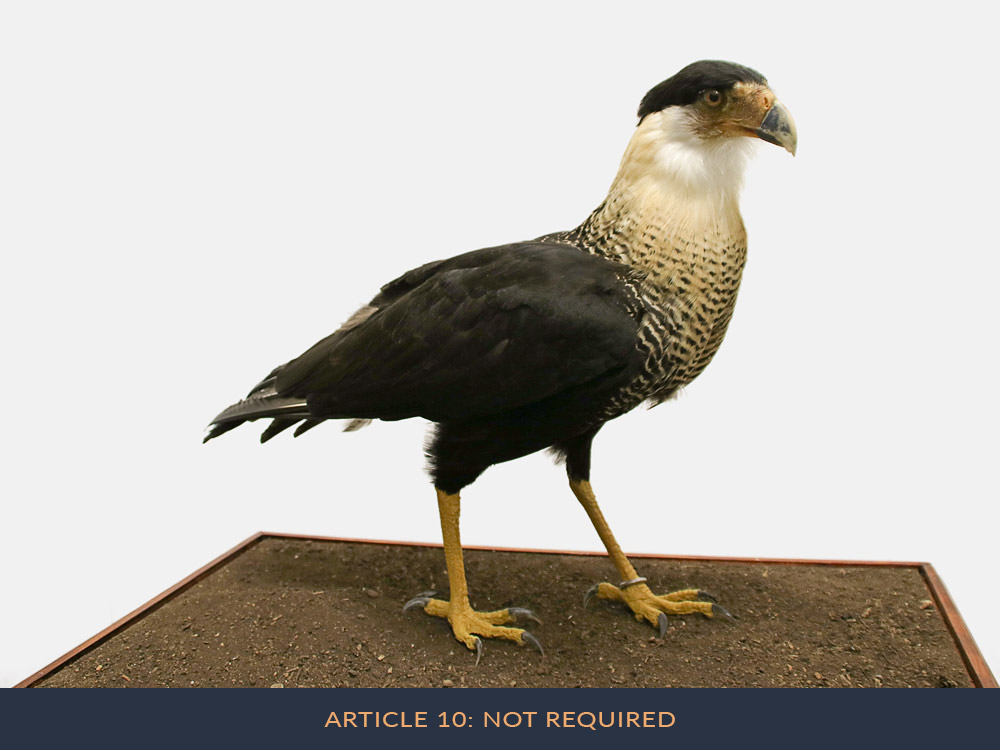
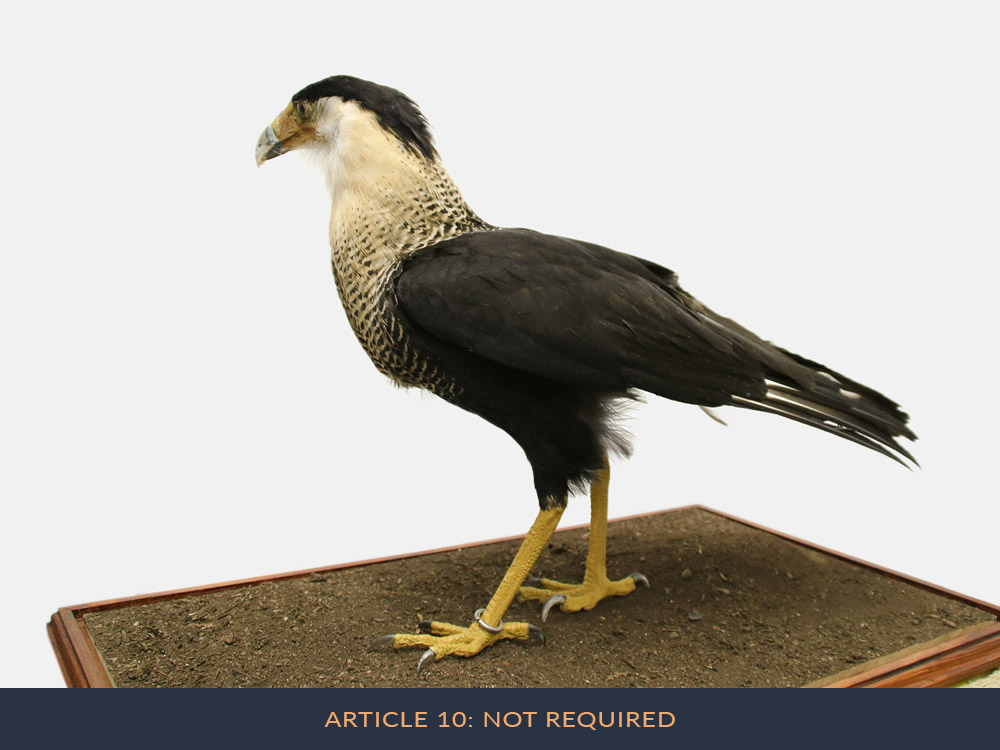
Known in the Falkland Islands as Johnny Rook, primarily prevalent in the South Americas.
Introduced into European and UK breeding establishments as a falconry bird, rarely used as such, often just for flying displays.
Found throughout Australia and similar species found in Africa, Eurasia and North America. Imported into the UK.
Found in a number of raptor establishments.
Albidus Goshawks originate from Siberia and Kamchatka. Their colouration and breeding ability have made them a massive favourite for Austringers (Goshawk keepers) in Europe. Properly manned and bred, they are a true killing machine without any of the old inherited ‘stress’ characteristics.
Died of natural causes.
Albidus Goshawks originate from Siberia and Kamchatka. Their colouration and breeding ability have made them a massive favourite for Austringers (Goshawk keepers) in Europe. Properly manned and bred, they are a true killing machine without any of the old inherited ‘stress’ characteristics
Died of natural causes.
Found in South America and USA, mainly Florida. Found in UK public establishments as a display bird and bred here.
Died of natural causes.