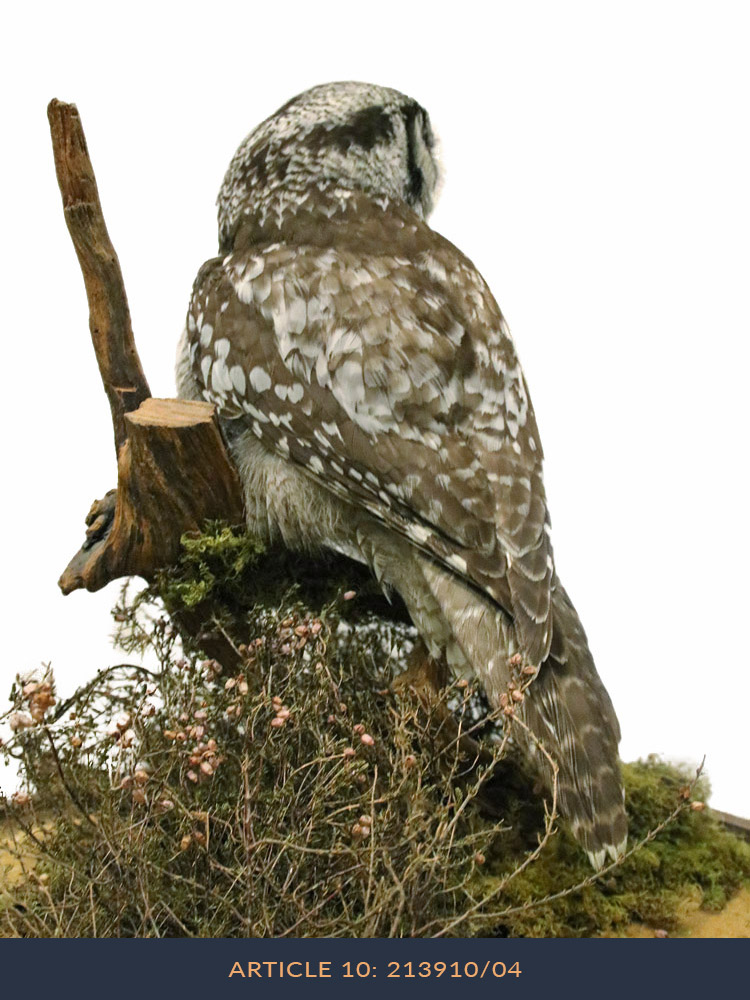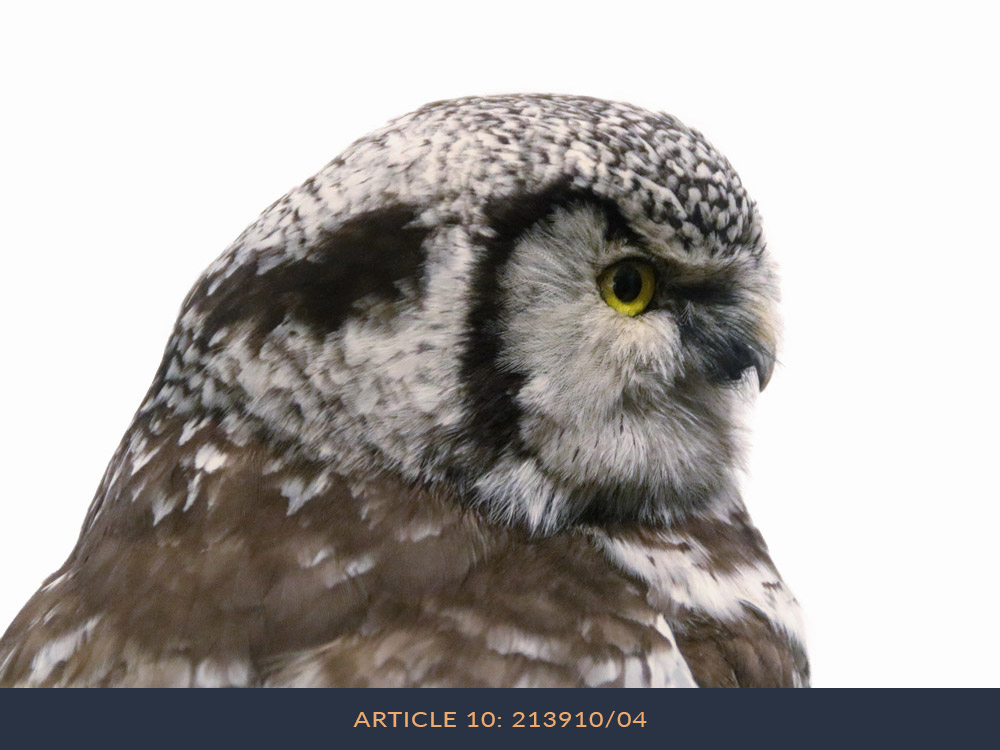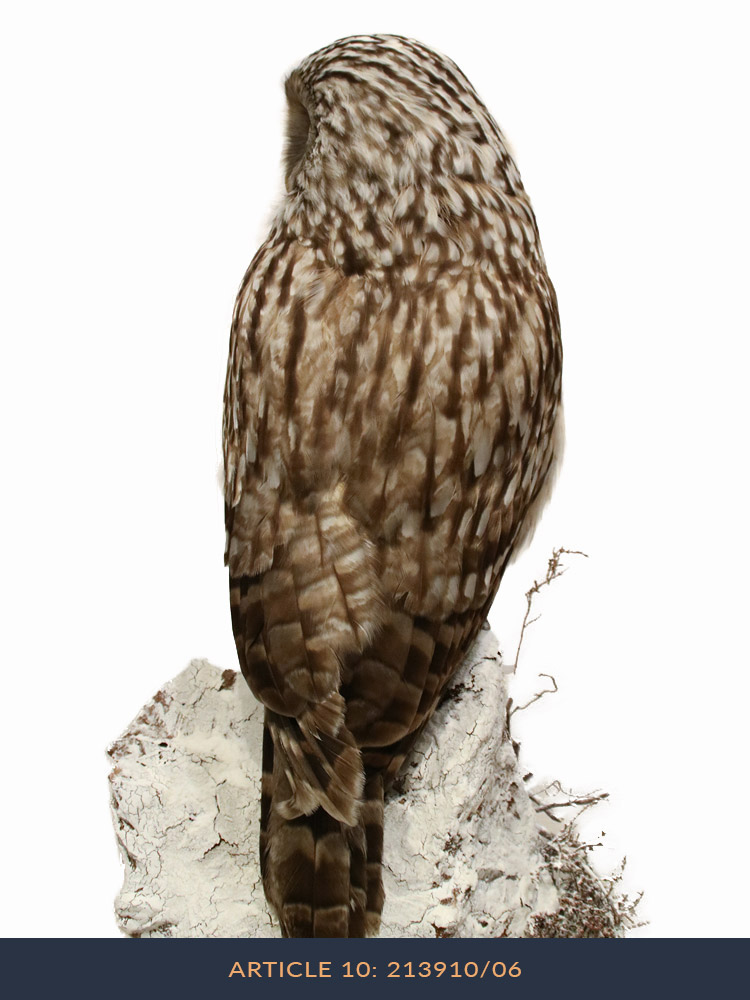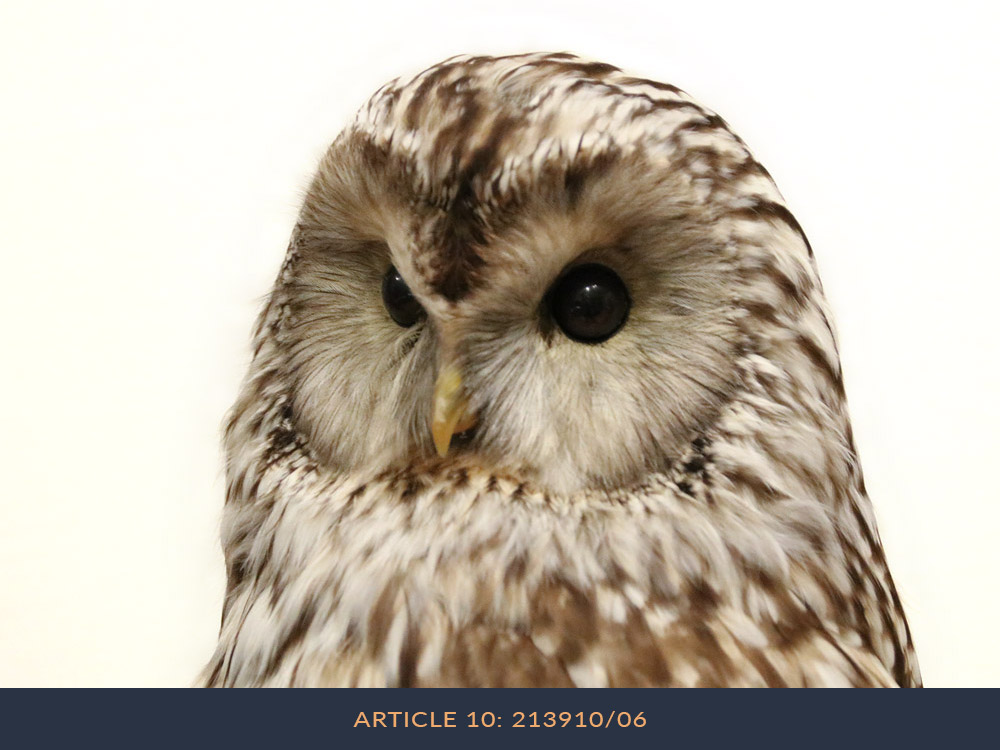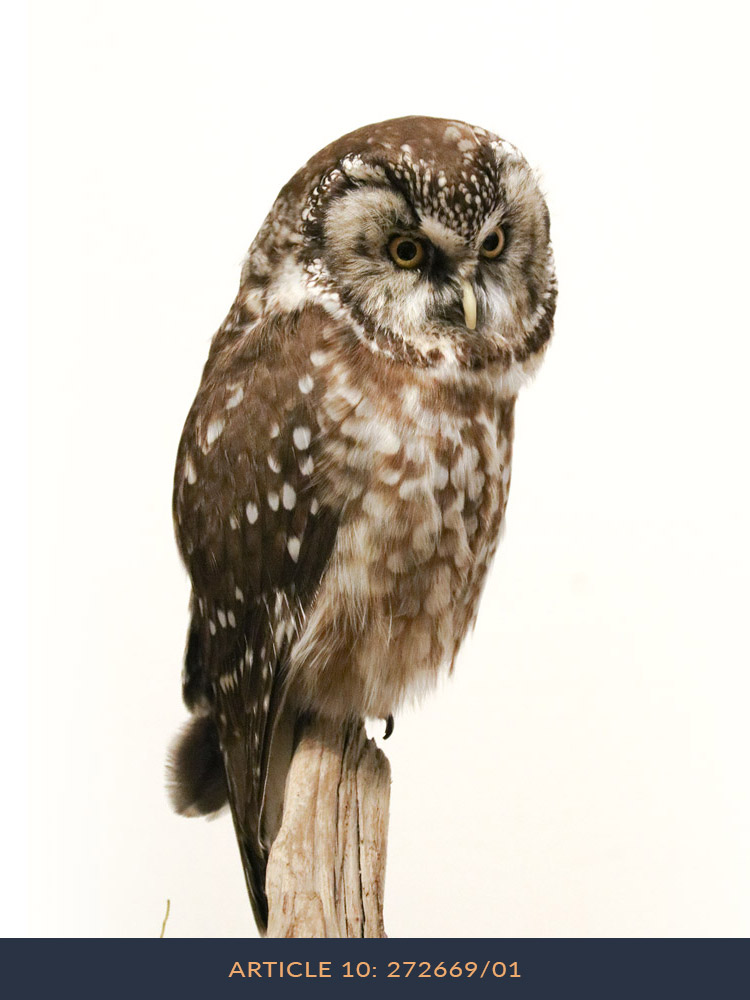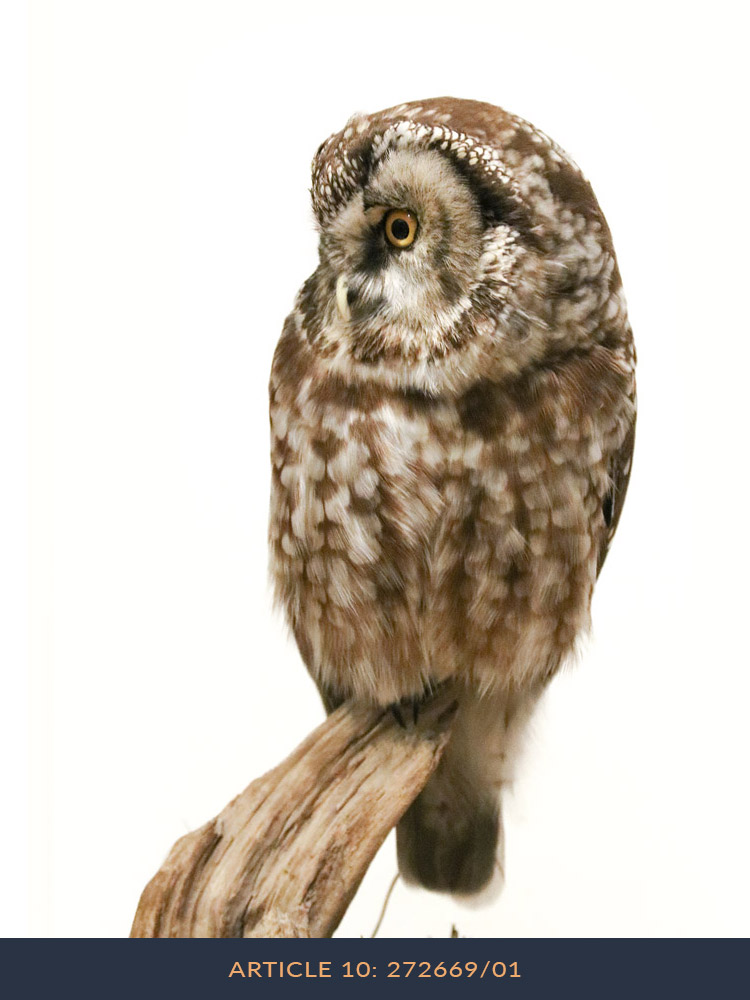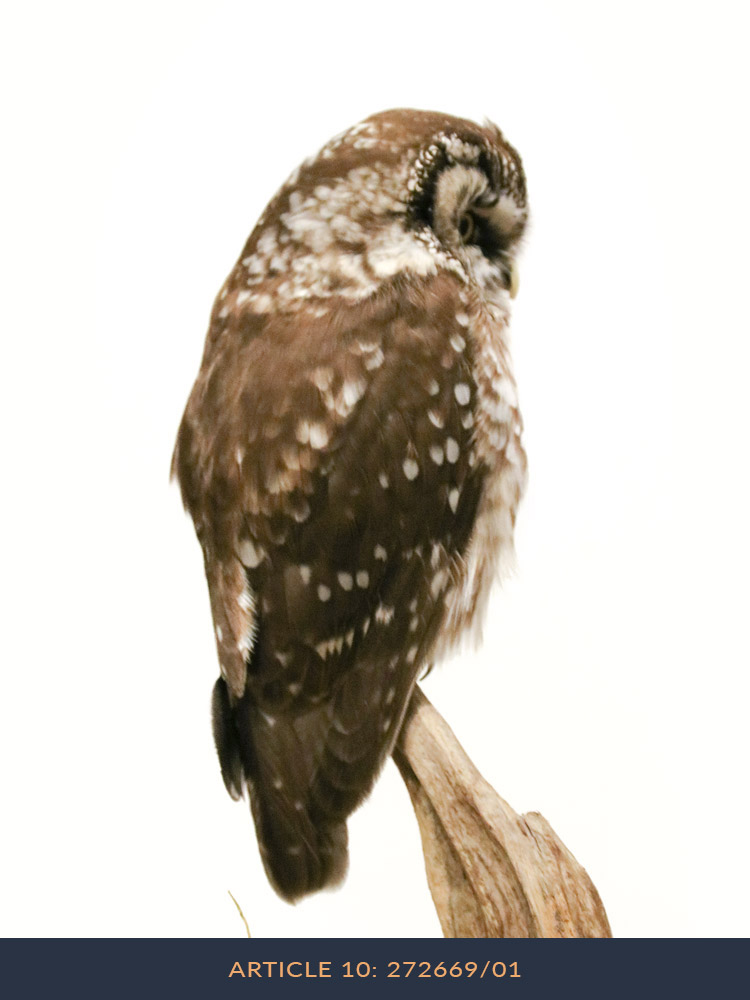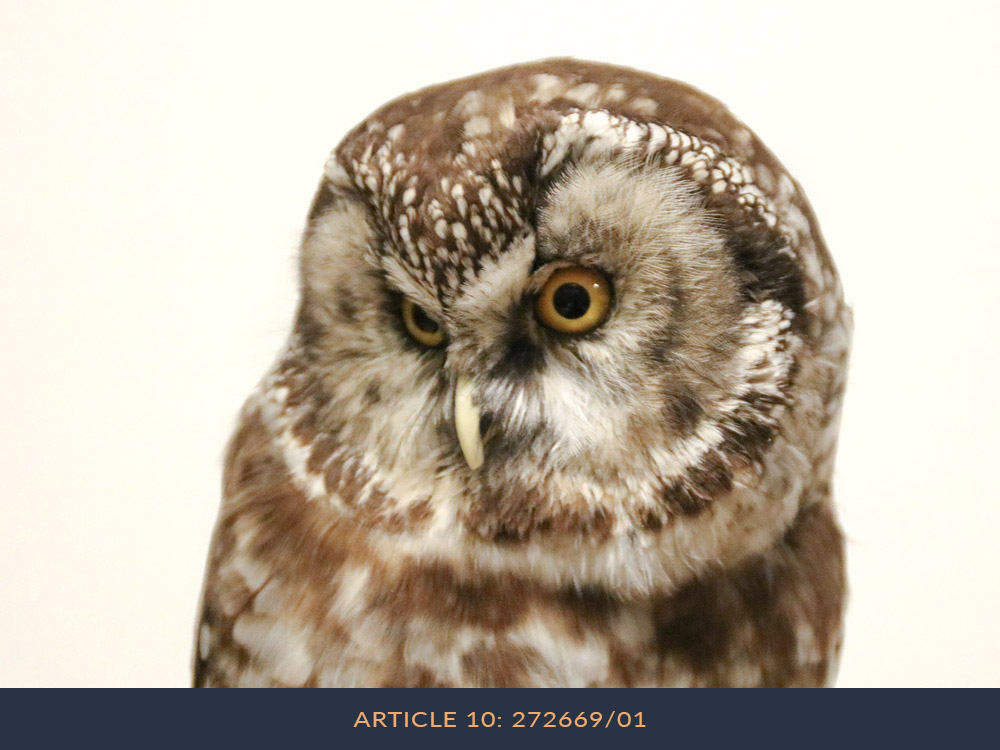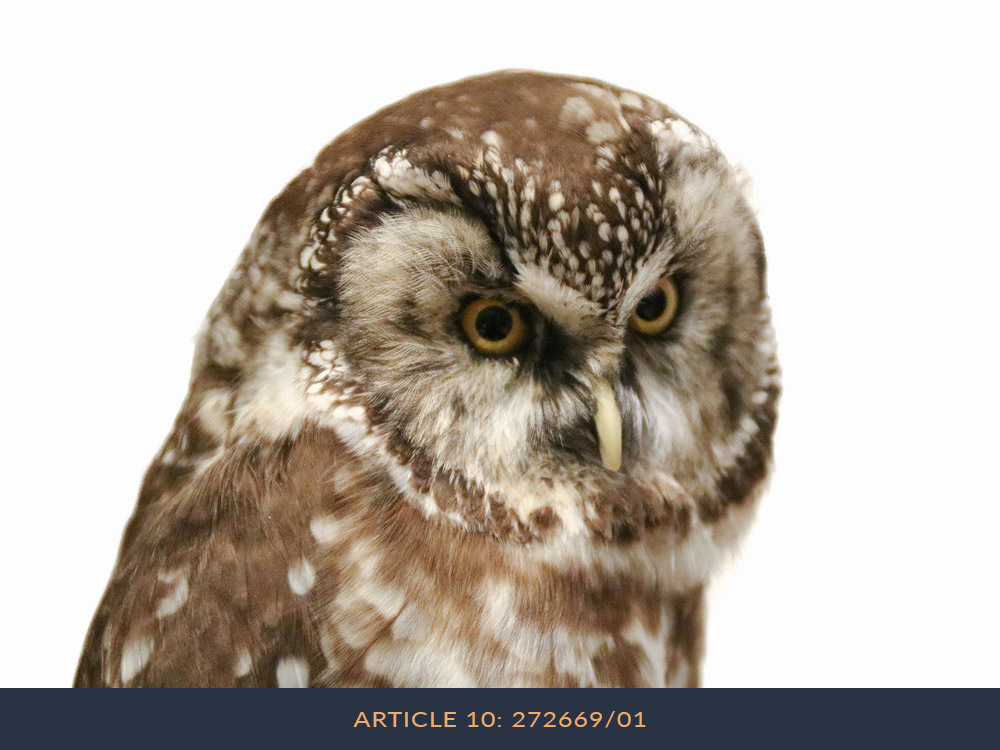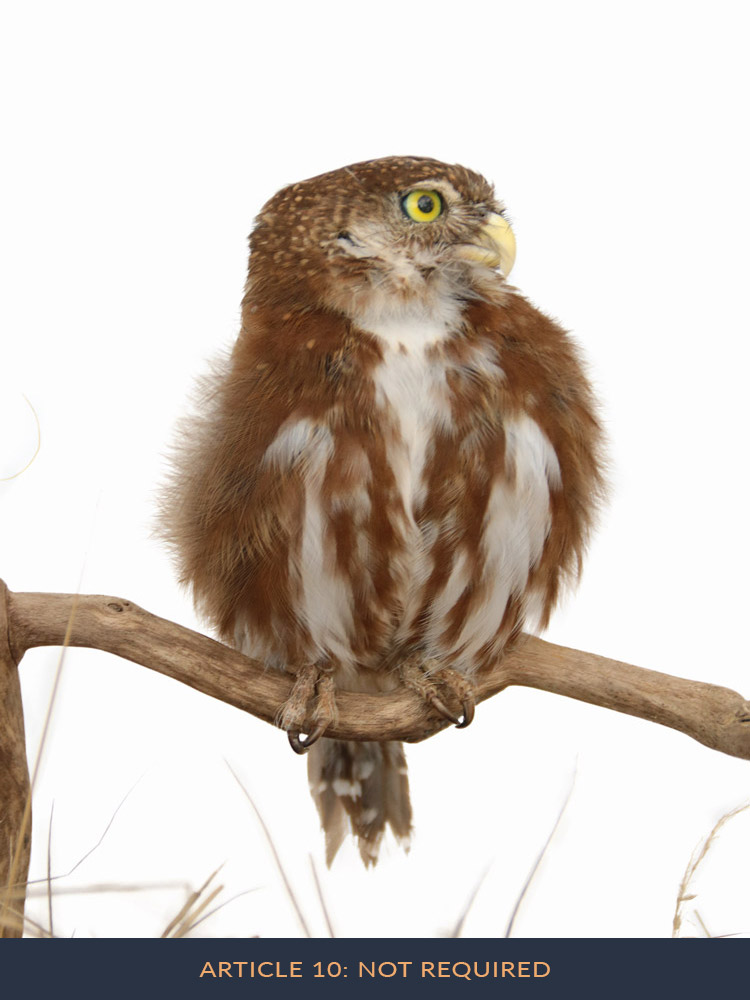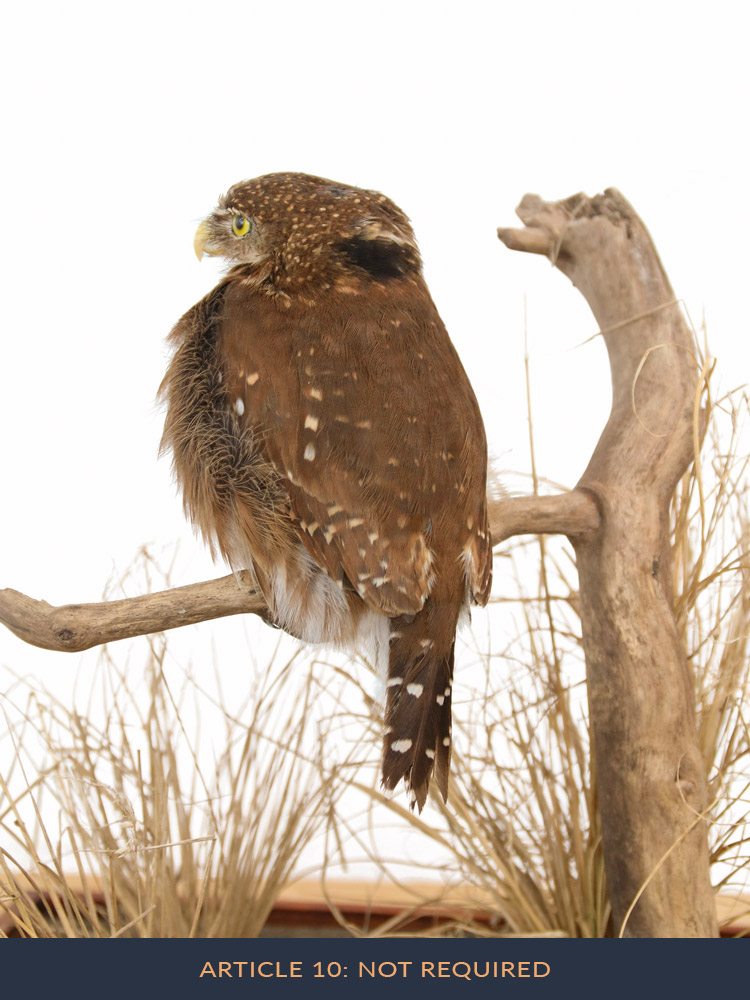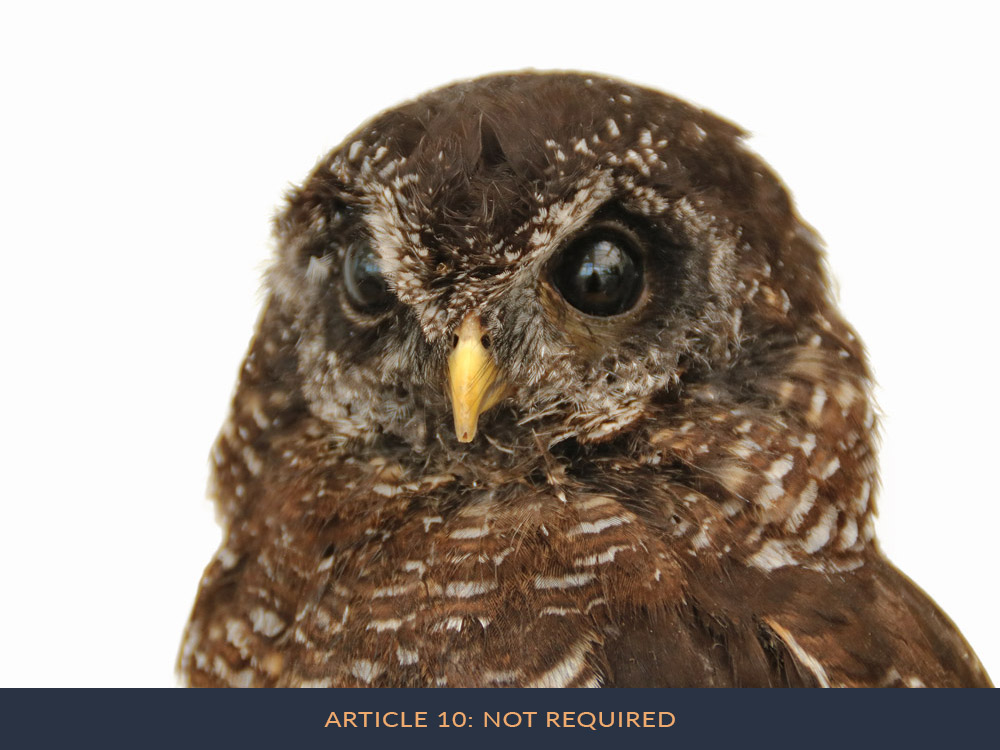
The Northern Hawk Owl is medium sized and neither nocturnal or crepuscular, being active only during the day.
It is non migratory but is frequently found in UK raptorial collections open to the public and often bred here.
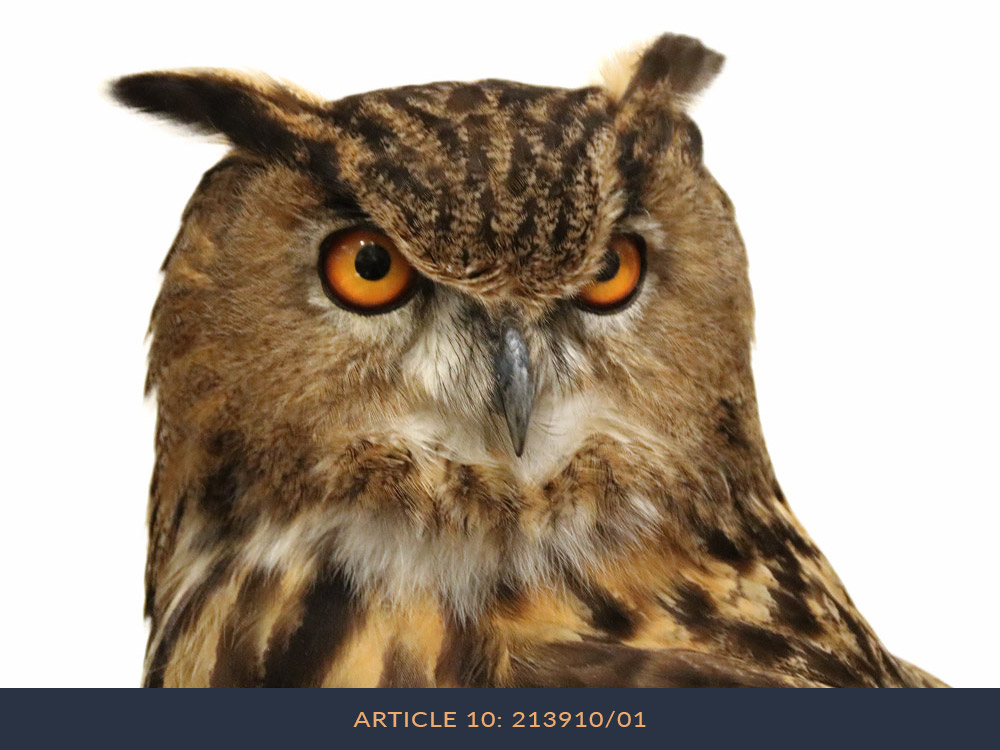
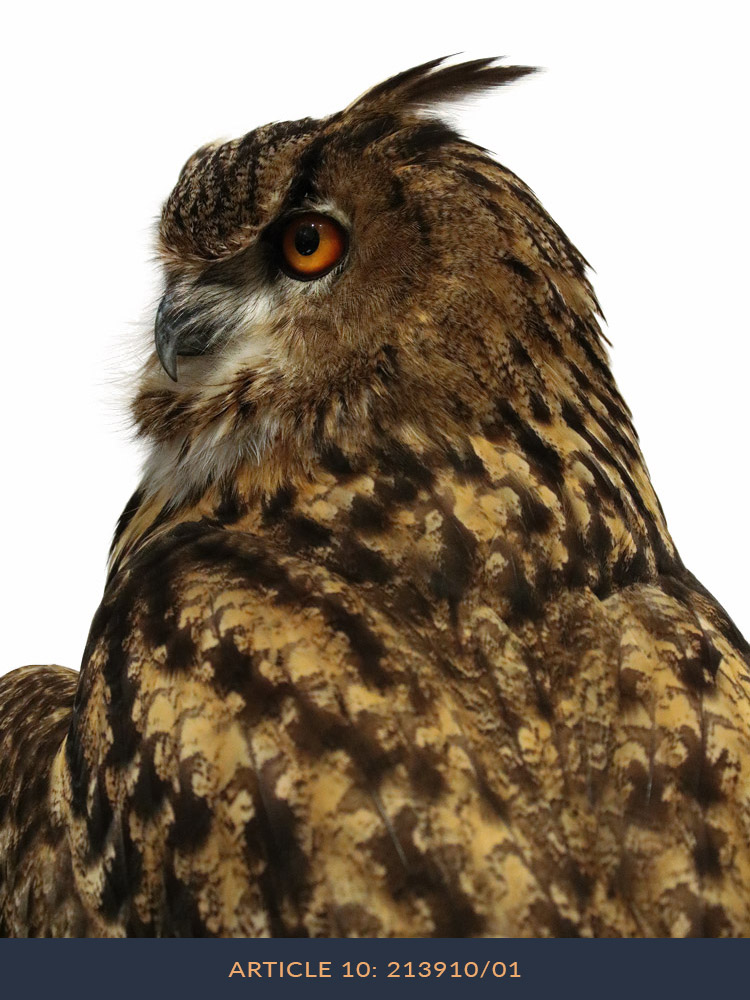
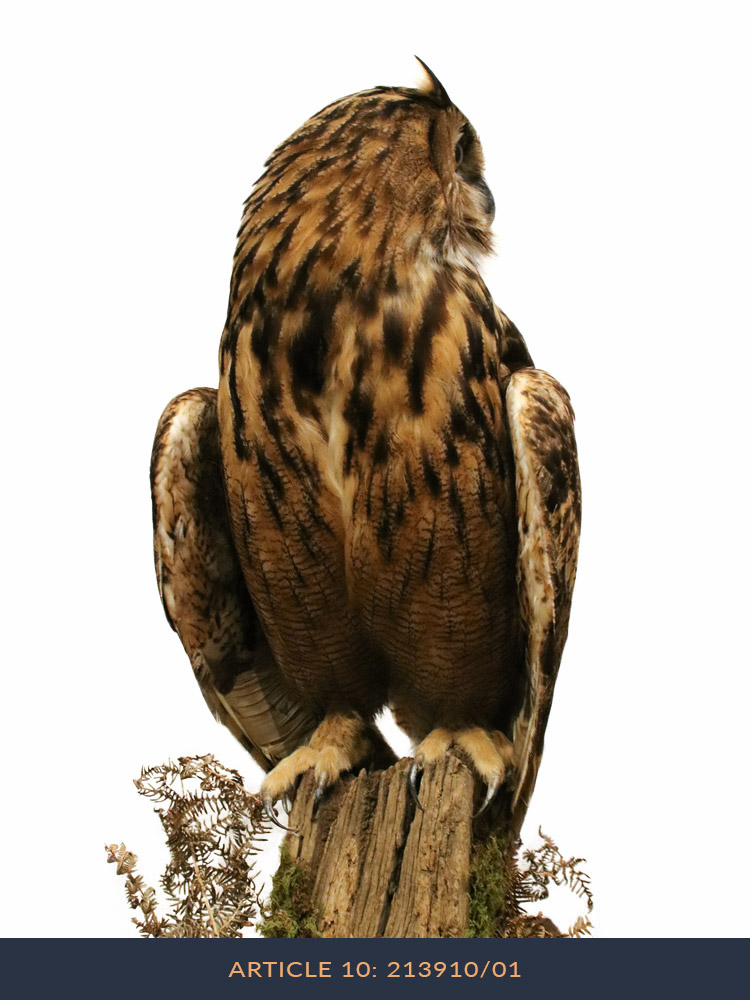
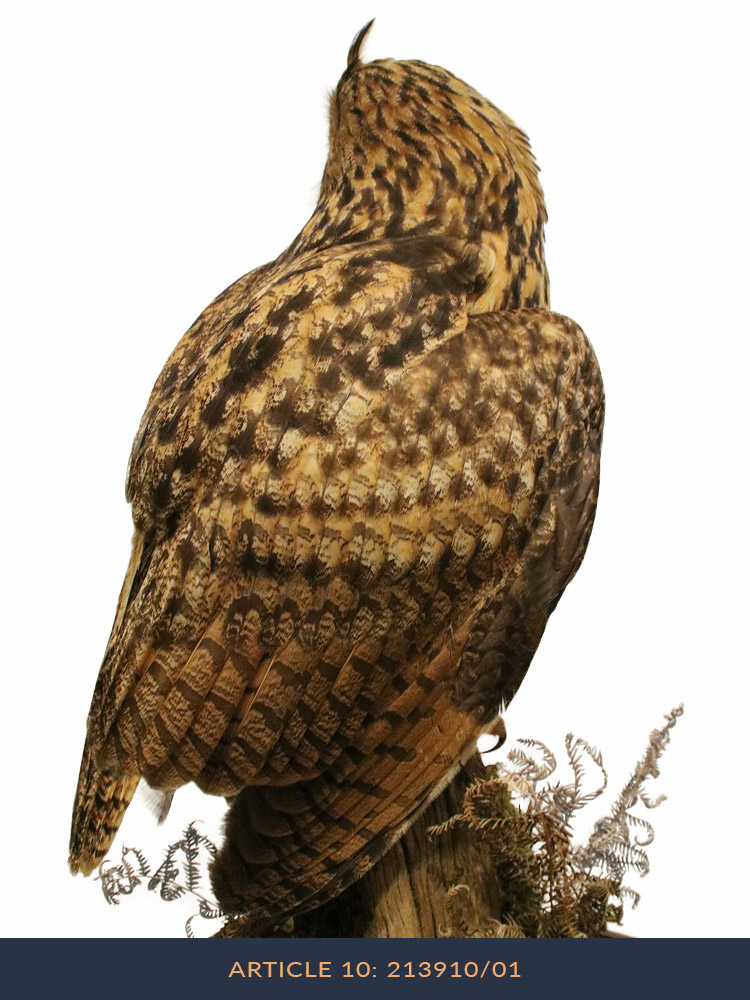
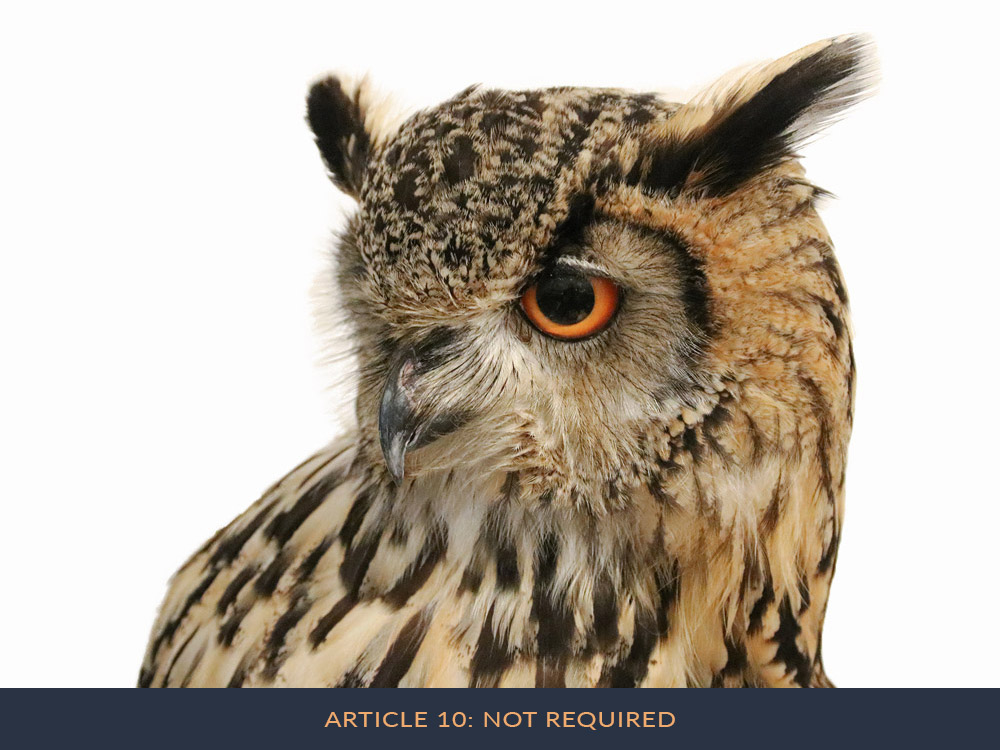
The Eurasian Eagle Owl is truly massive, once seen never forgotten, covering all of Eurasia. They now breed extensively in the wild in the UK, due mainly to falconers and breeders losing their charges. In Norfolk, 6 were ‘released’ when their aviary was demolished in a mini tornado and none were ever recaptured. Now reasonably commonplace. They kill anything, feather or fur.
Still UK bred in captivity, though less common now.
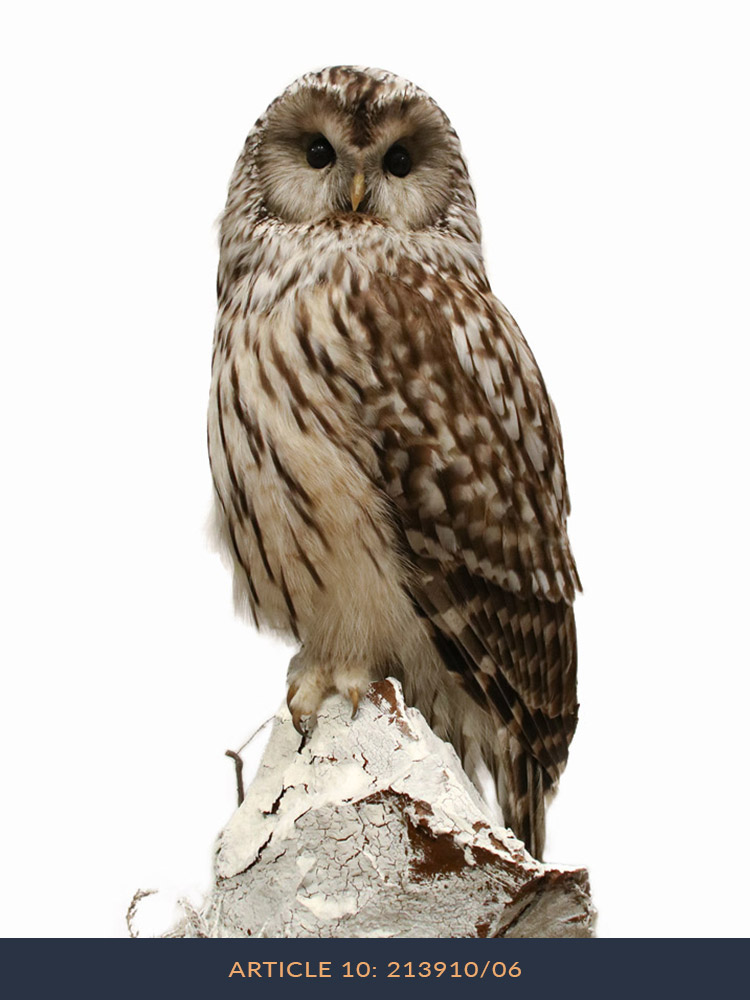
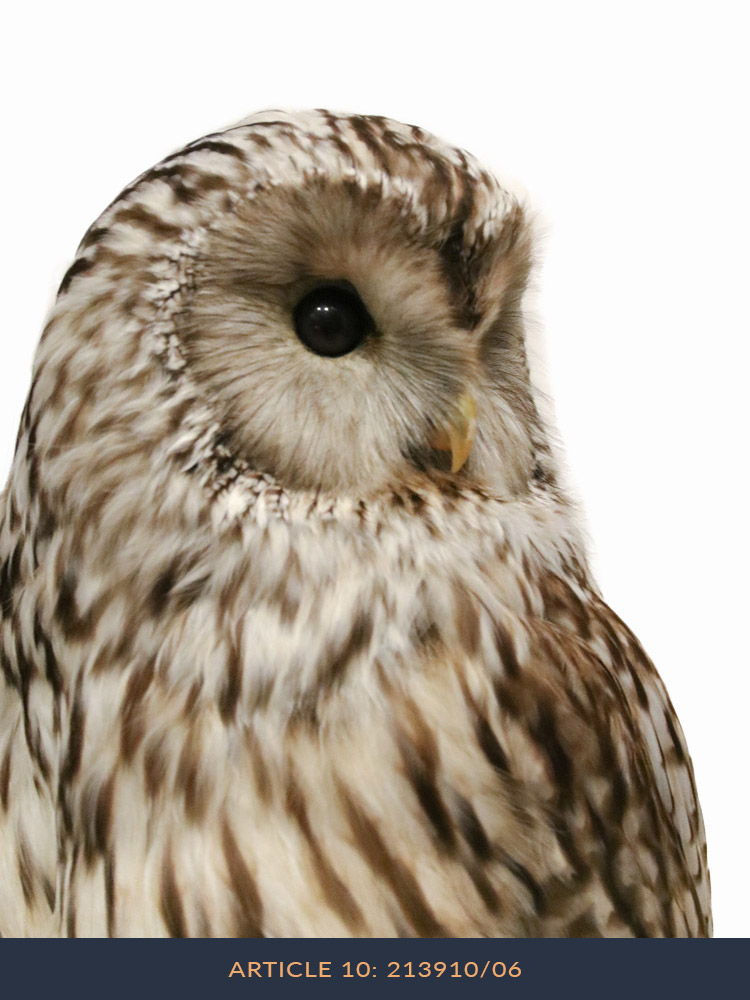
A large nocturnal owl, evident in Russia (Ural Mountains) but stretching broadly from Scandinavia eastwards to Japan. The light morph is the most common, but dark morphs occur.
Bred regularly in captivity in the UK for the last seven decades.
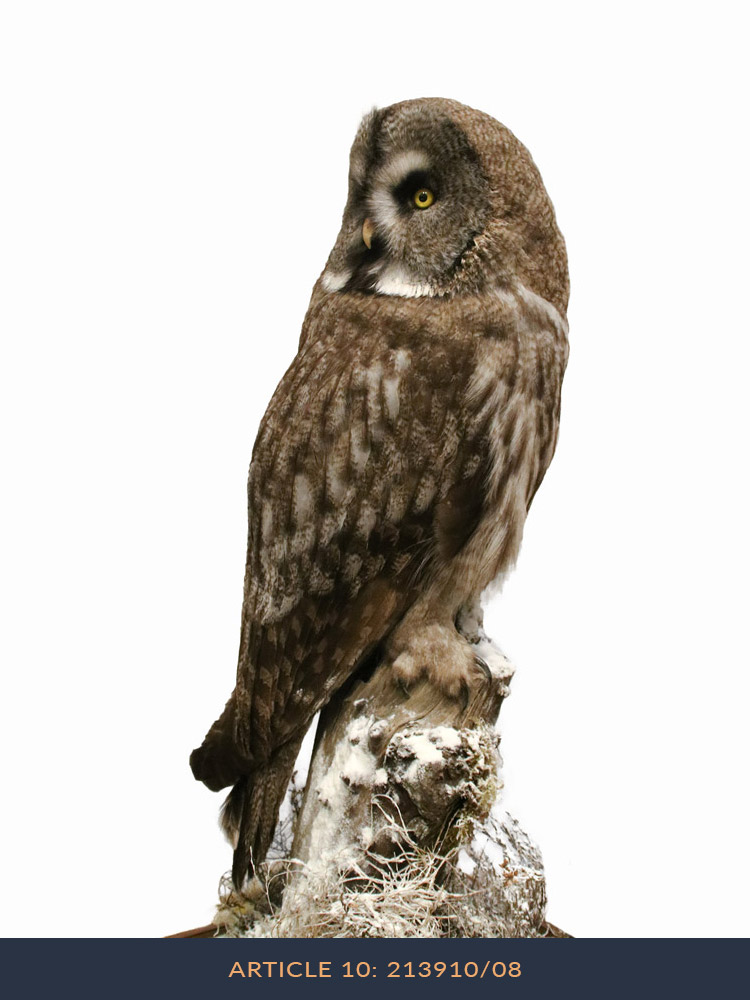
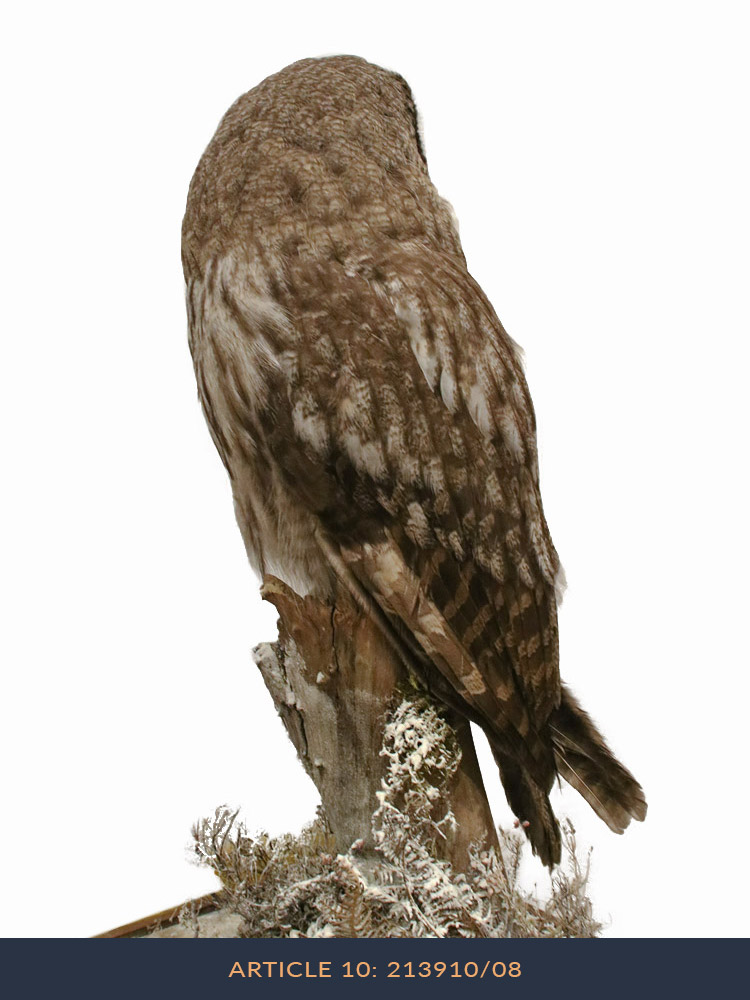
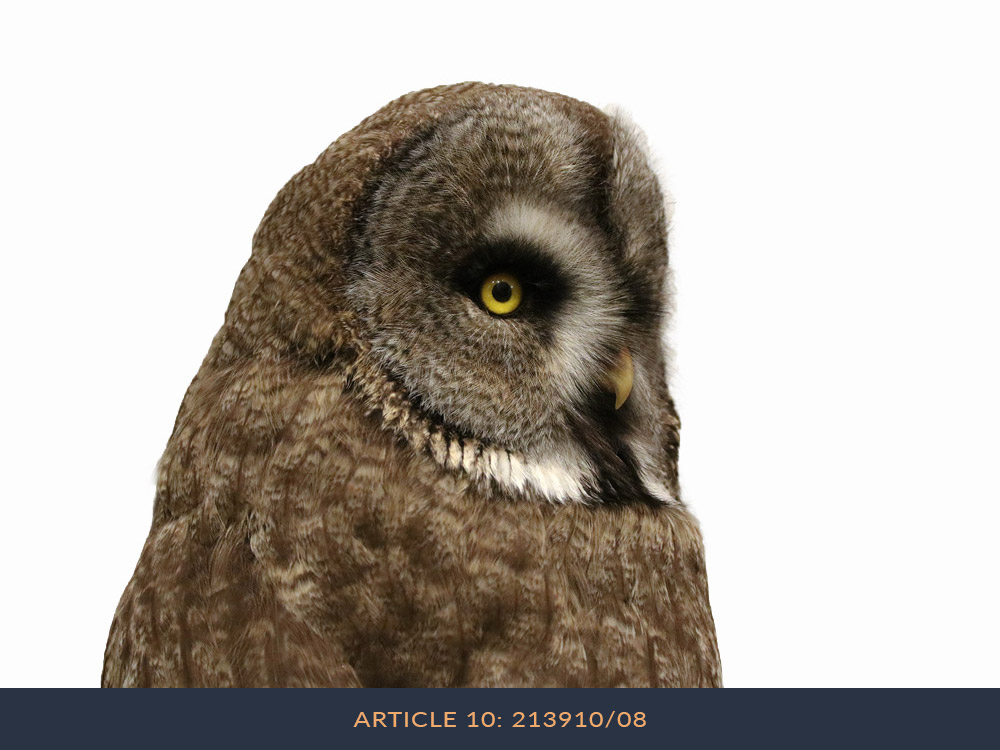
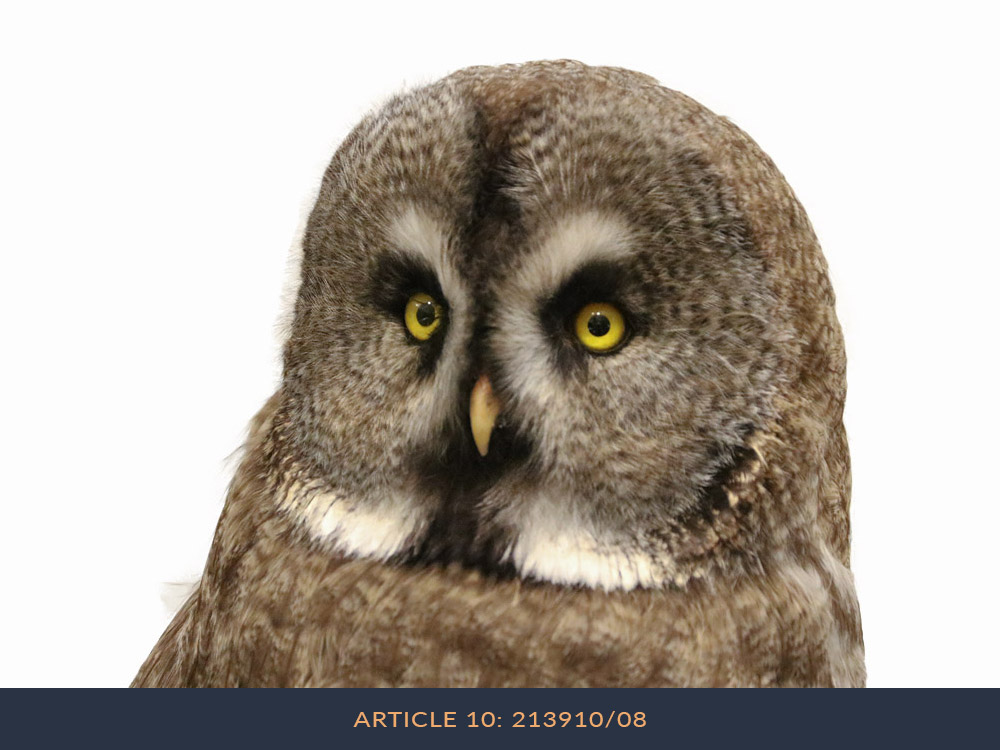
An extremely large owl on a par with the Eurasian Eagle Owl, distributed across the Northern Hemisphere. It is also called Phantom of the North, Lapland Owl or Sooty Owl.
Also bred in captivity in the UK.
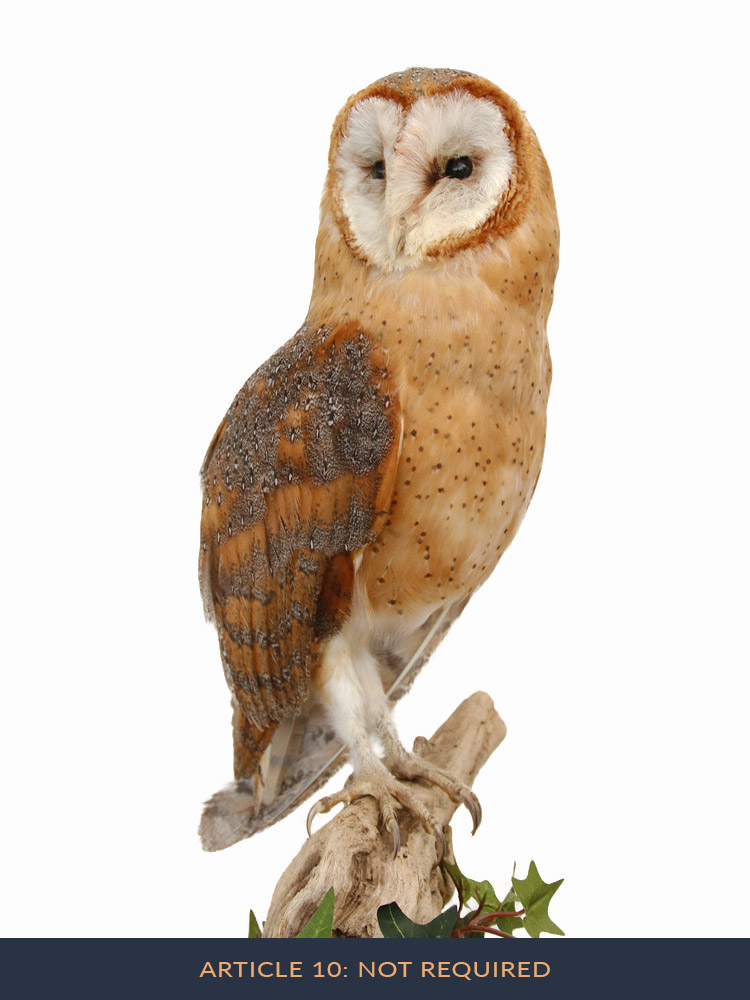
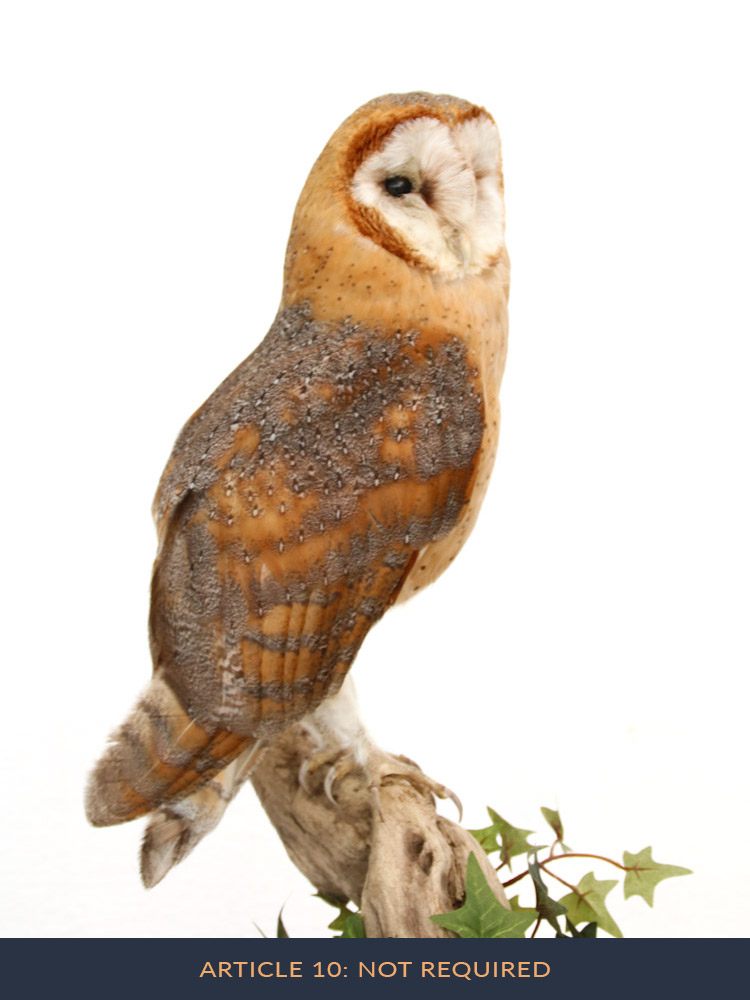
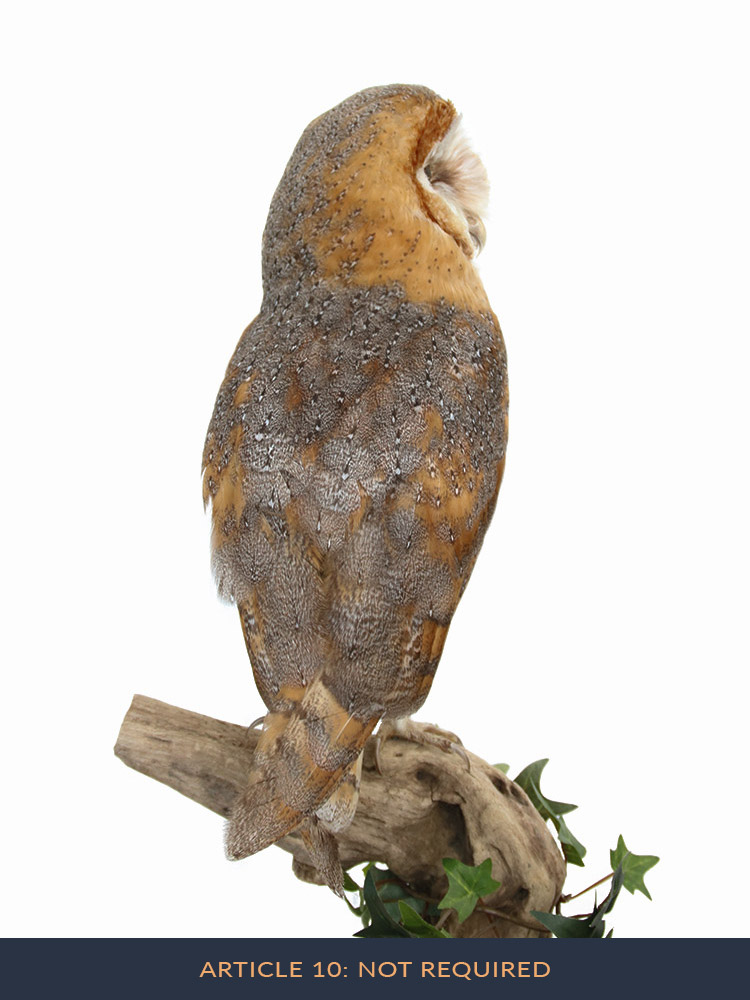
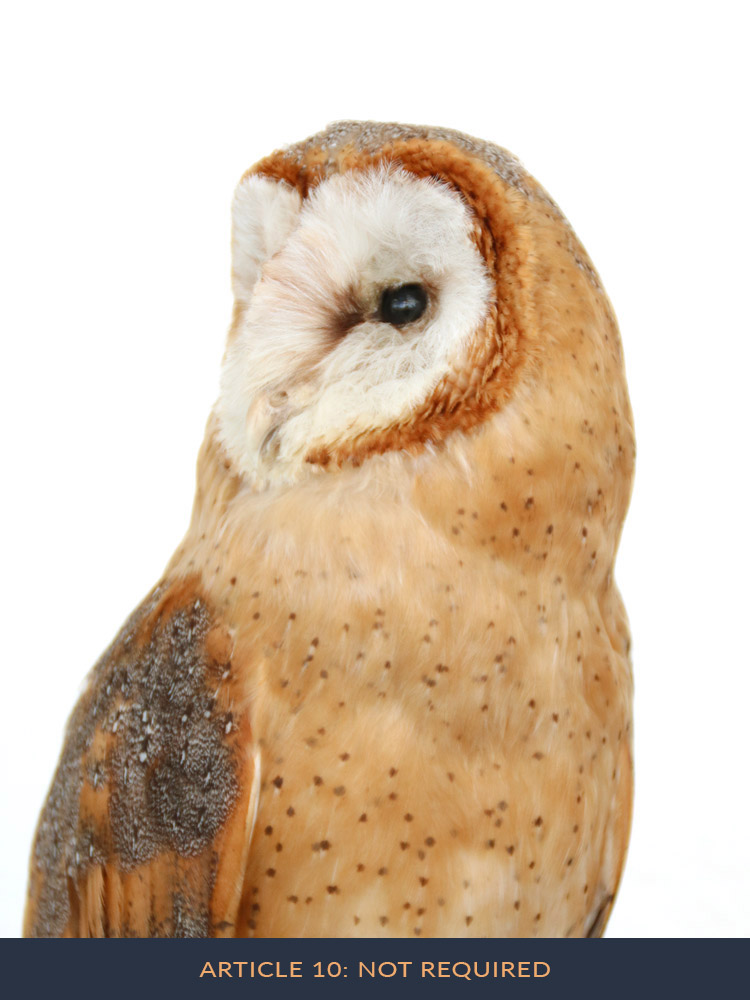
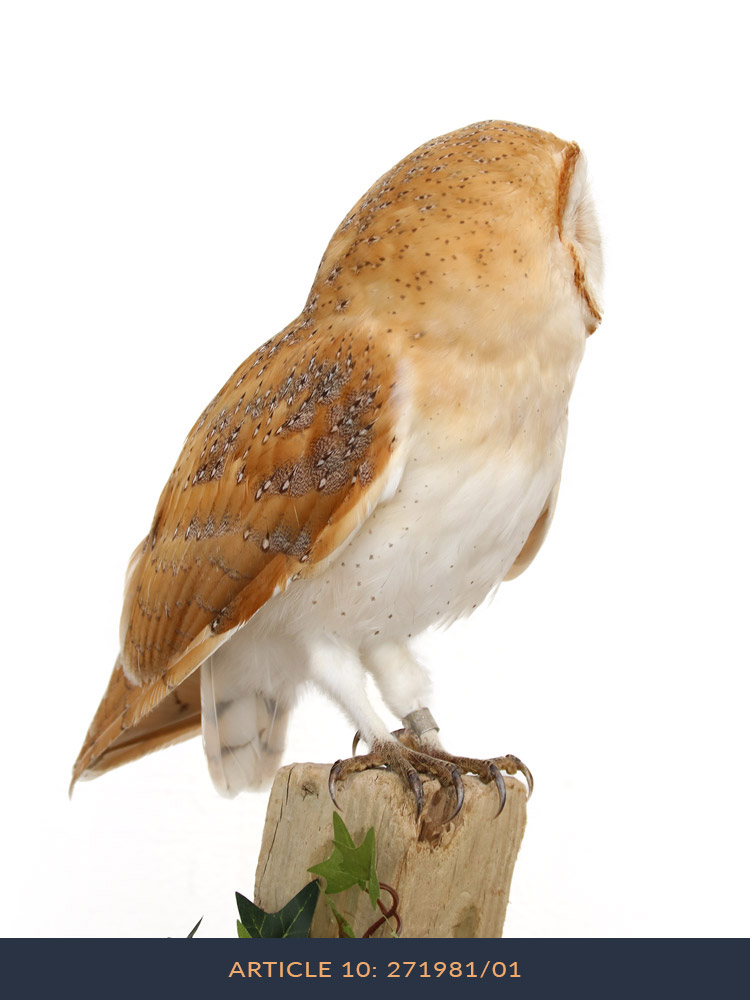
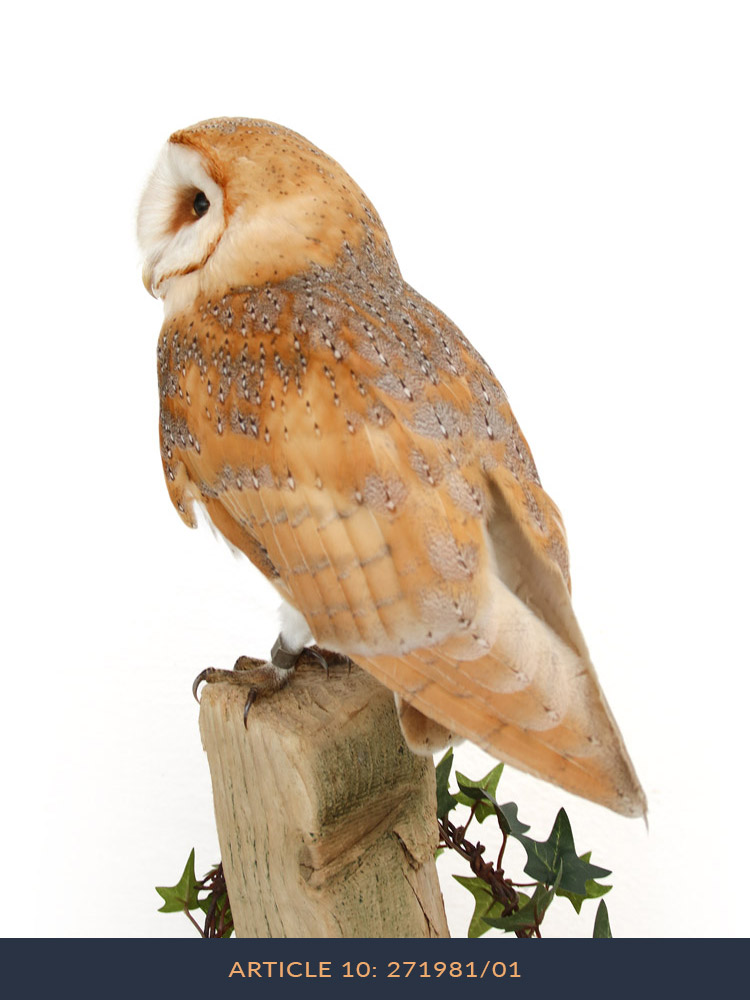
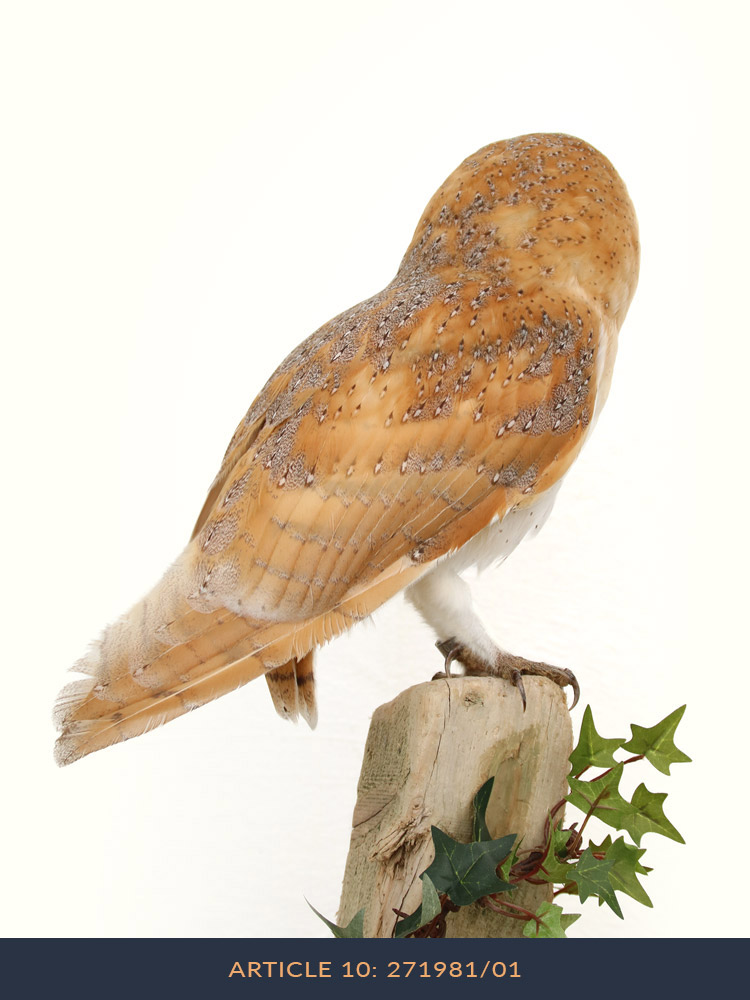
A sub species of the much whiter European Barn Owl found from North Eastern Europe, Western Russia and Norway.
Bred in captivity in the UK for over 30 years. Died on 11 May 2004.
Covers most of the warmer parts of Europe, the Palearctic East to Korea and North Africa. Easily recognised by its bobbing head.
Resident in the UK and often bred in captivity.
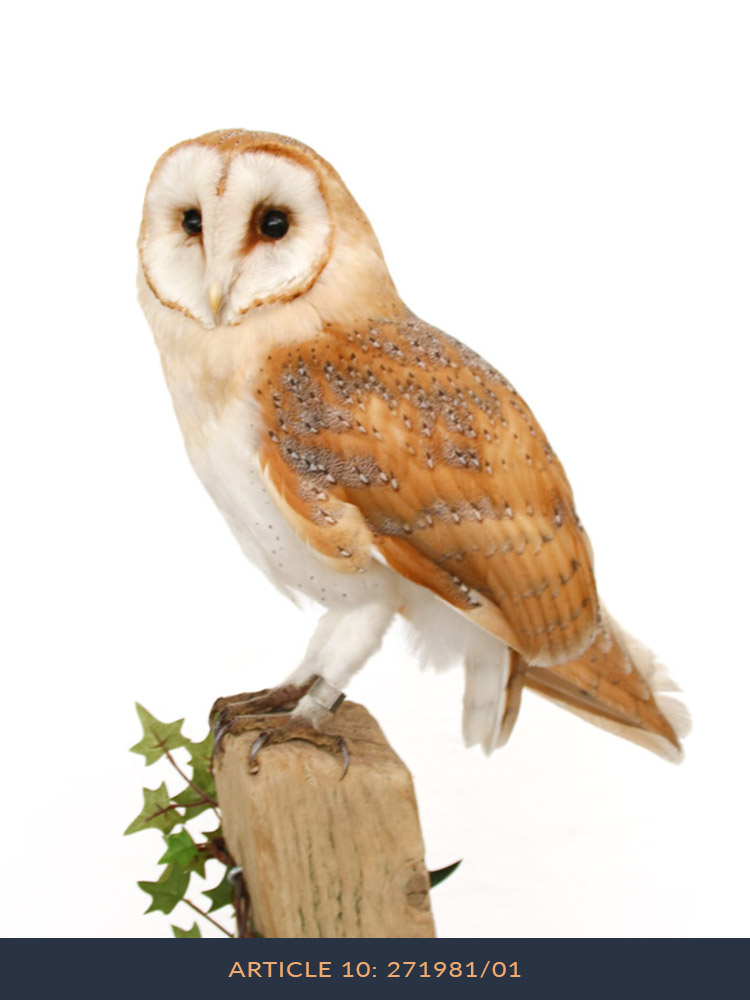
A beautiful light beige and white owl often seen at dusk and dawn: the most widely distributed owl in the entire world.
It is also known as the Common Barn Owl to distinguish it from the other species in its family.
Bred extensively in captivity in the UK. Died on 6 July 2004.
Found in The USA where it is called the Boreal Owl and extensively in Europe, named after the Swedish Naturalist, Peter Tengmalm.
Bred in captivity in the UK for a long period.
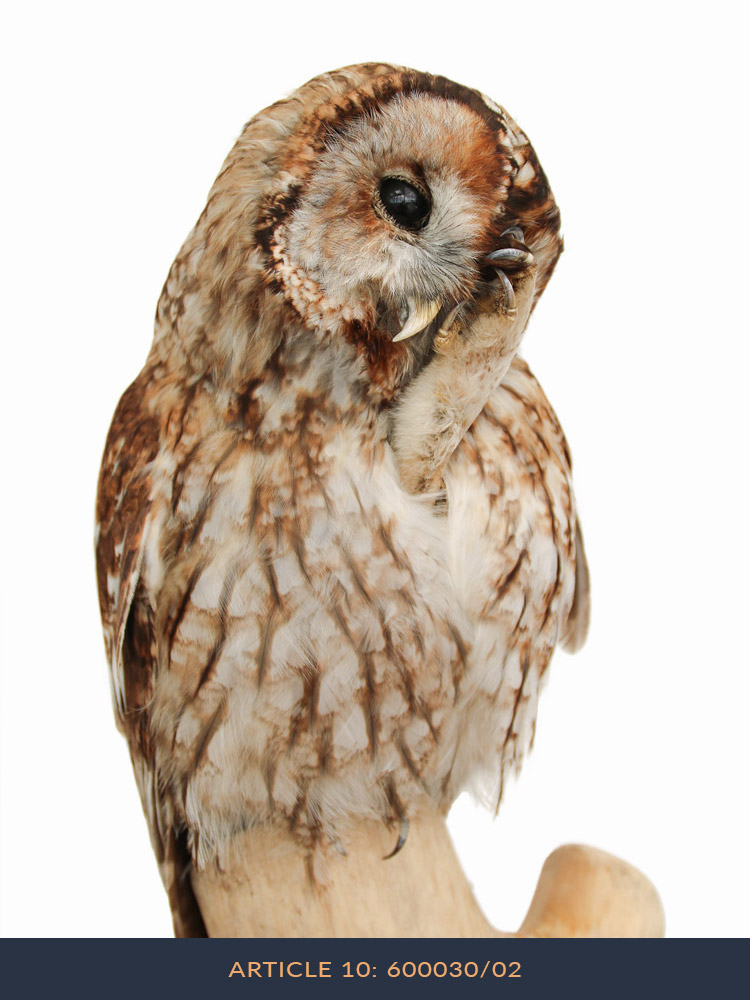
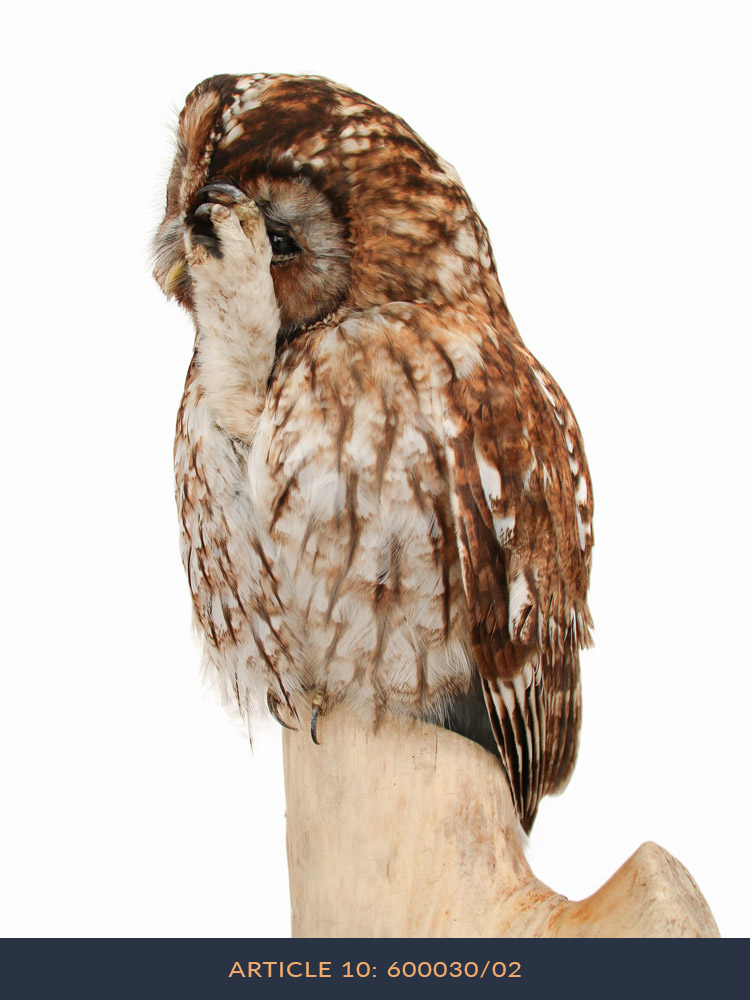
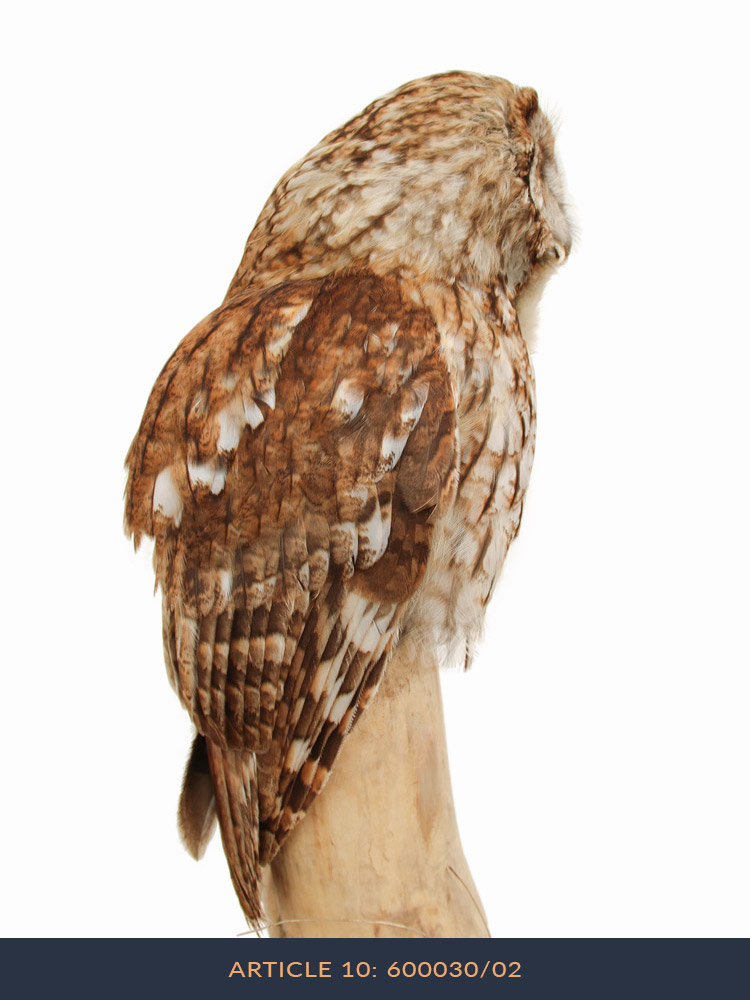
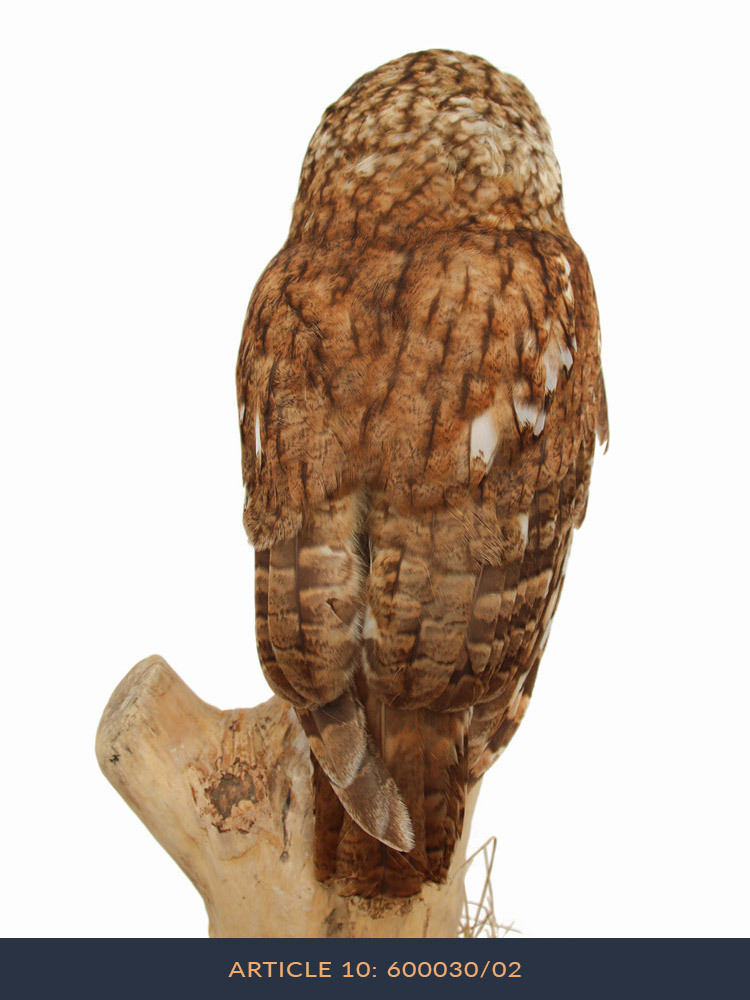
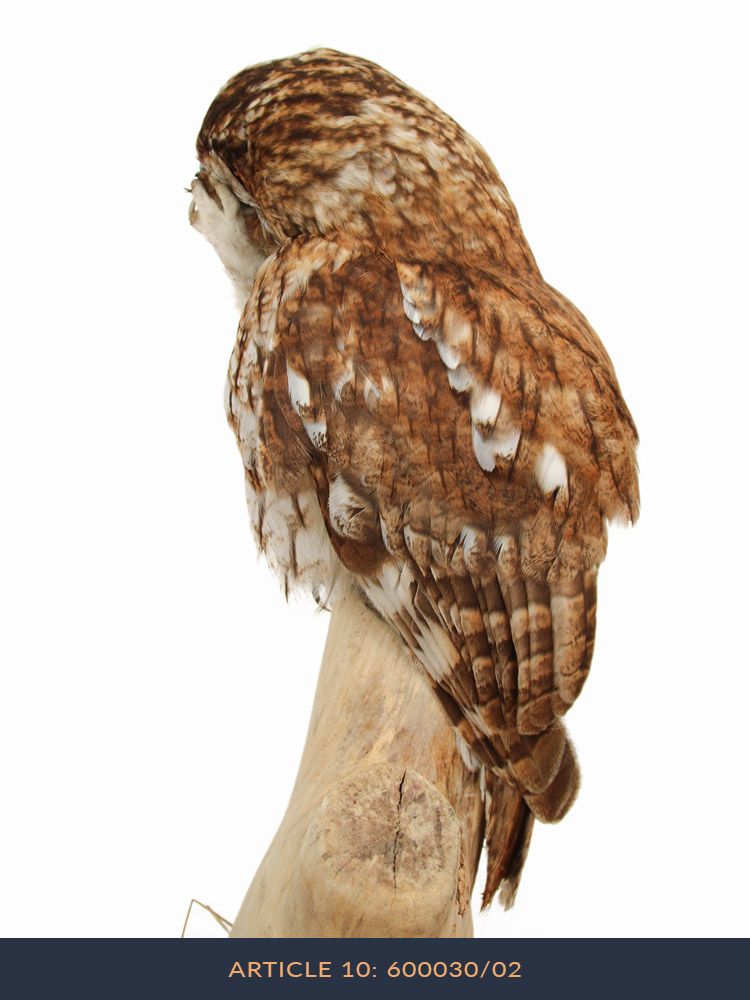
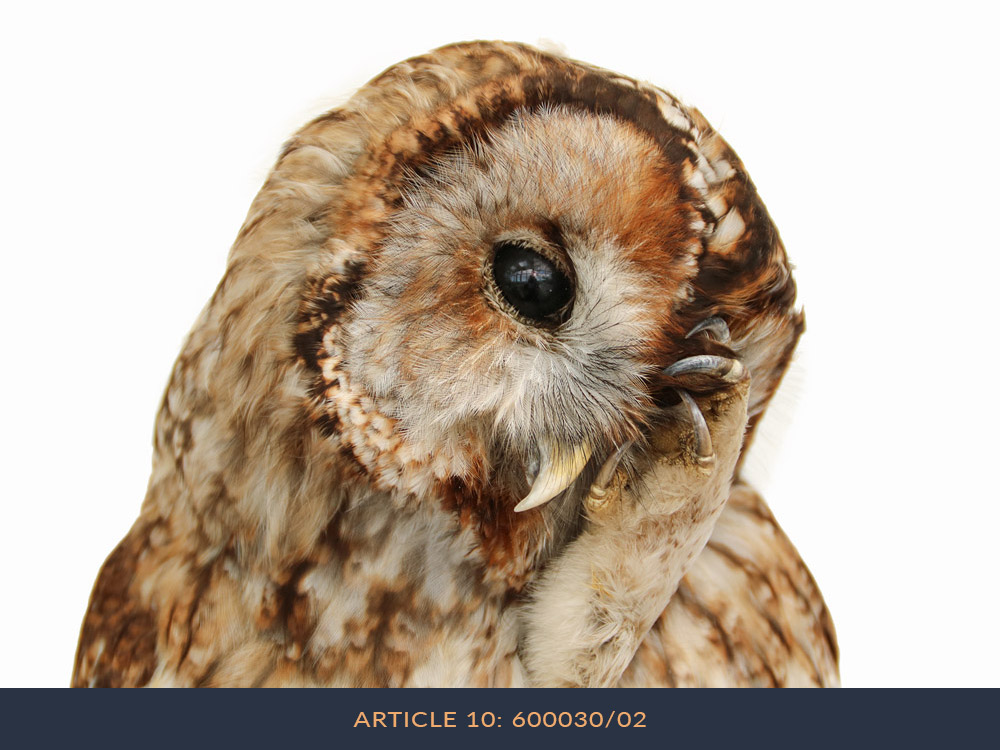
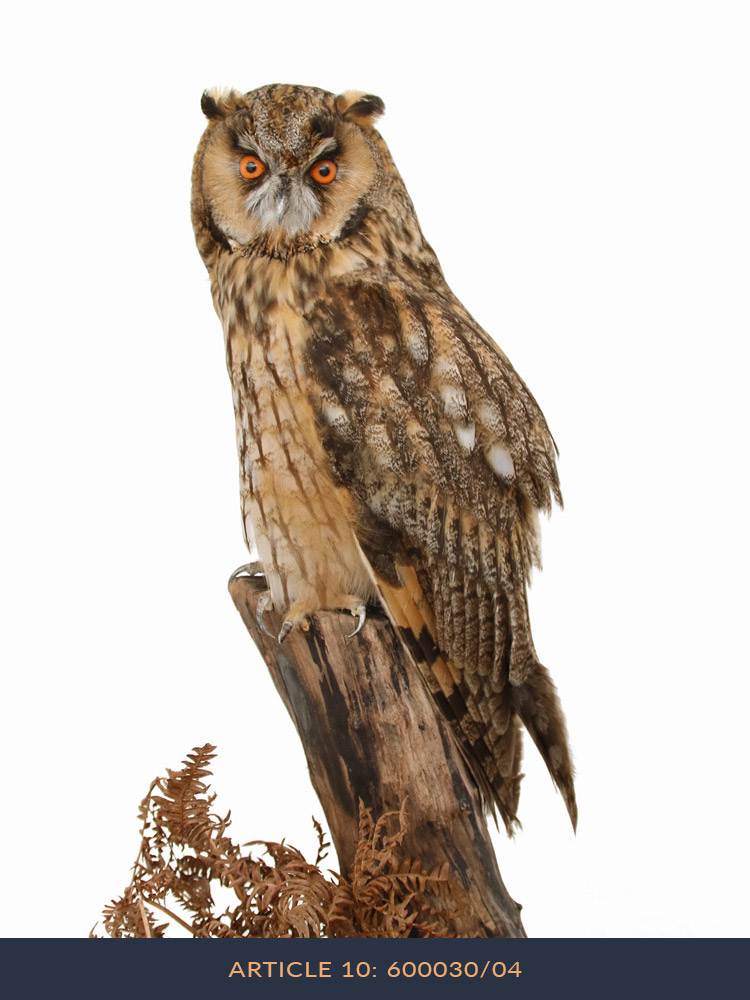
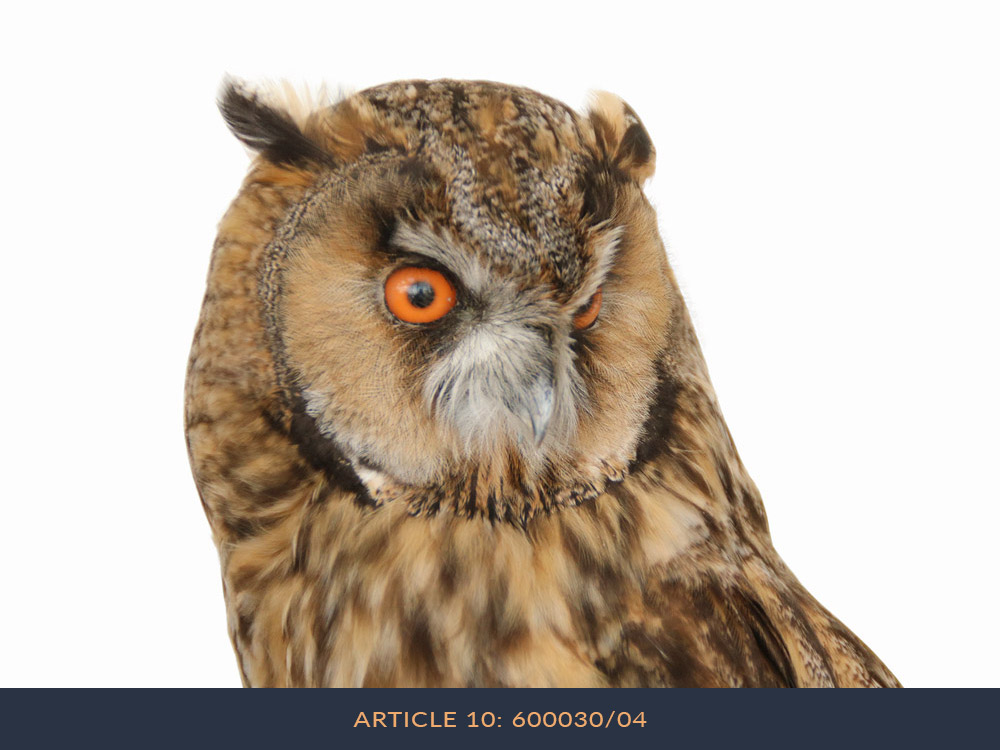
The most common UK owl, widely seen and found all through the Palearctic. However, it does not breed in Ireland!
Regularly bred in captivity in England, Wales and Scotland.
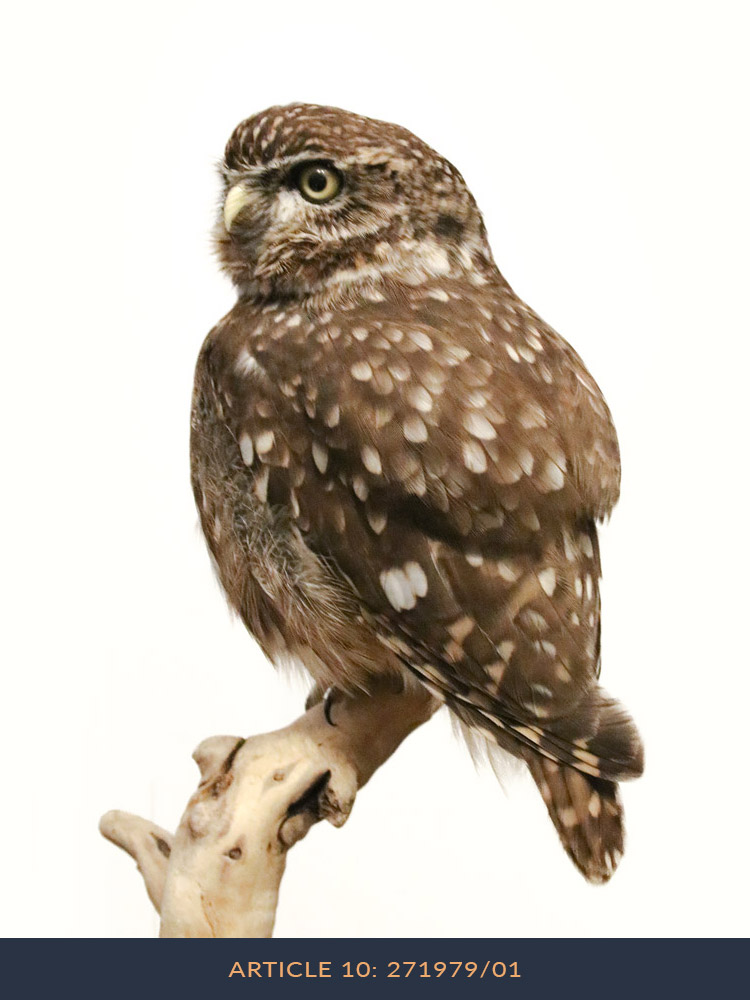
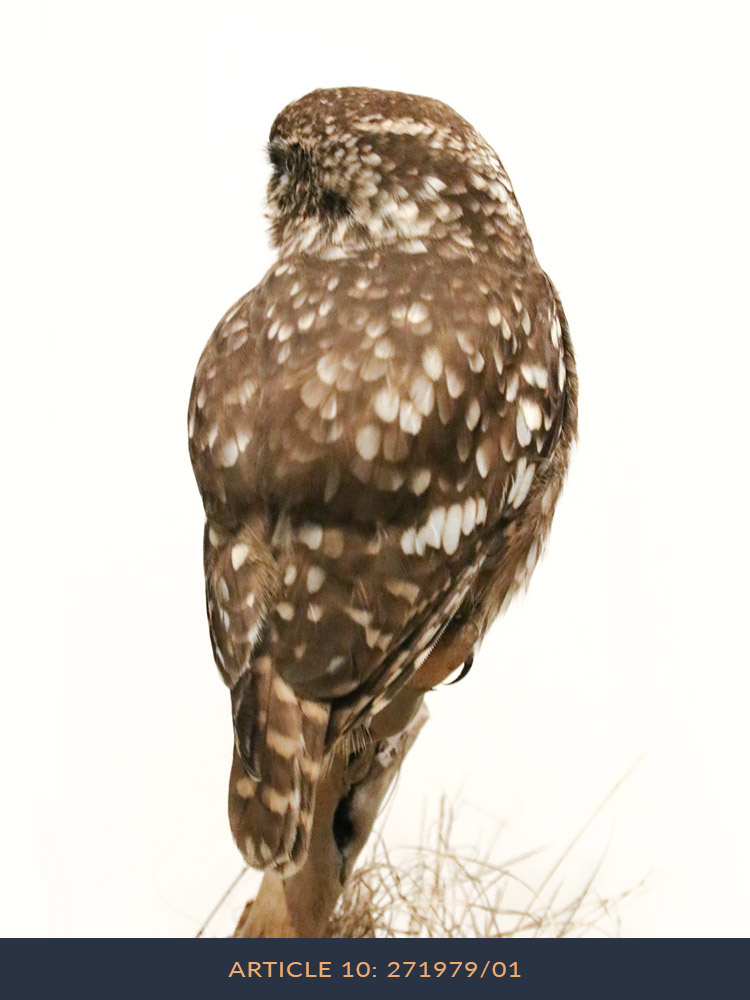
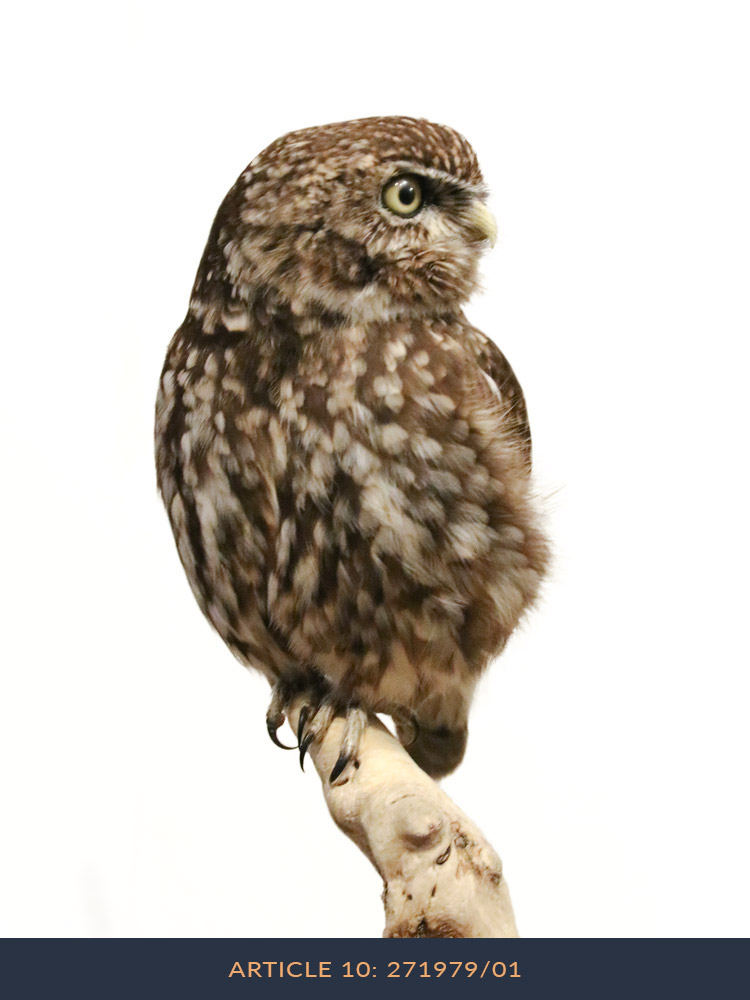
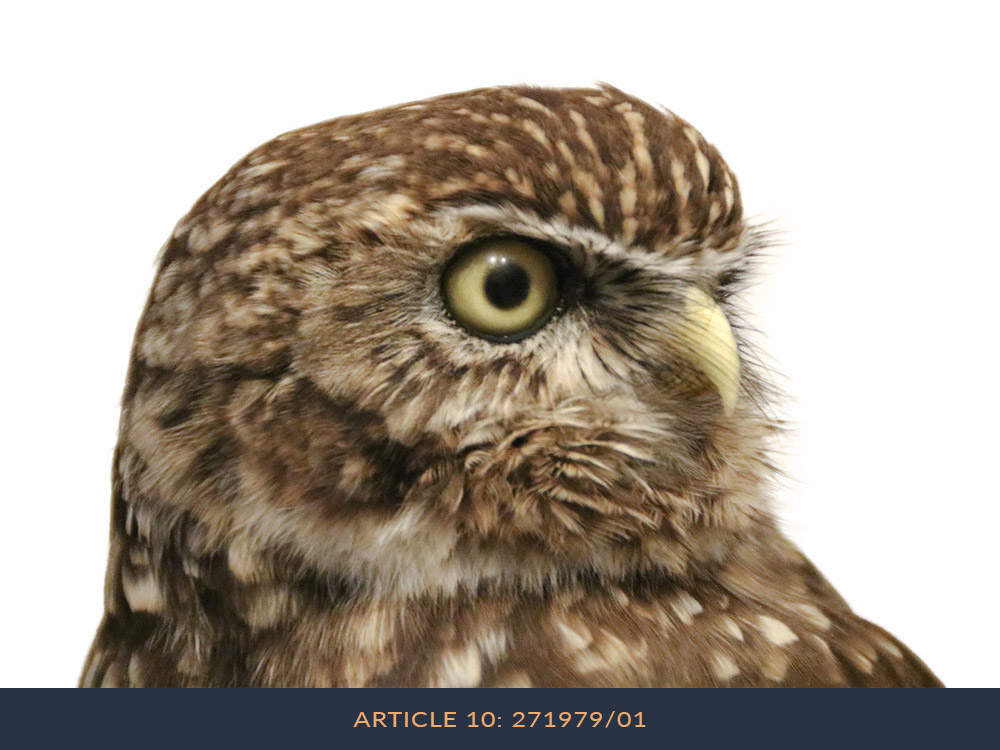
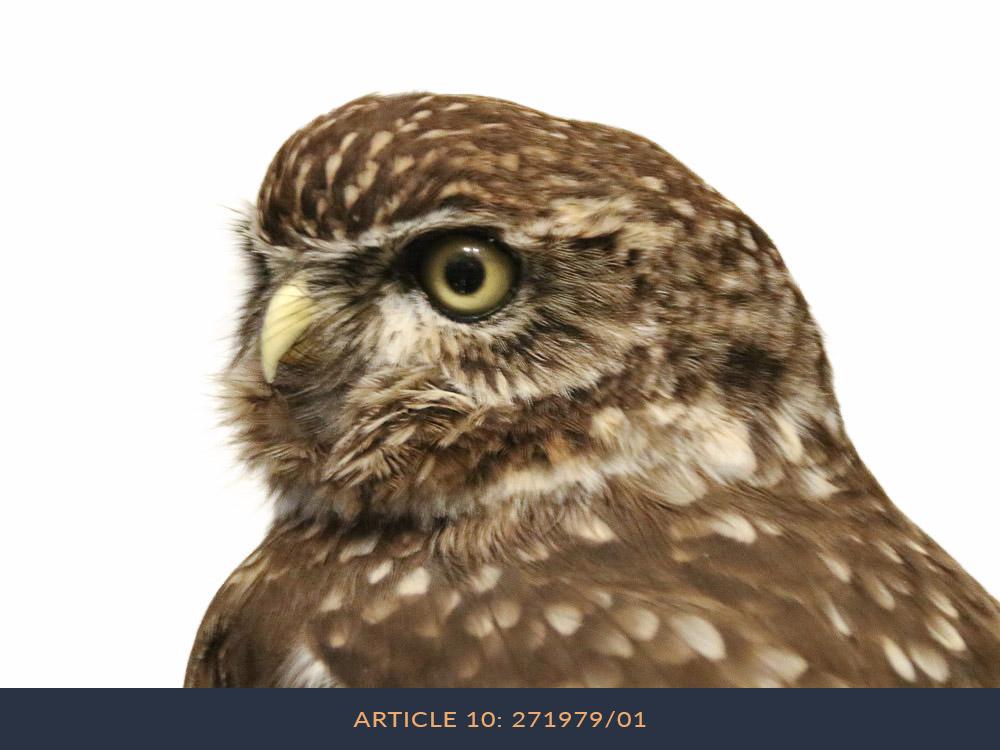
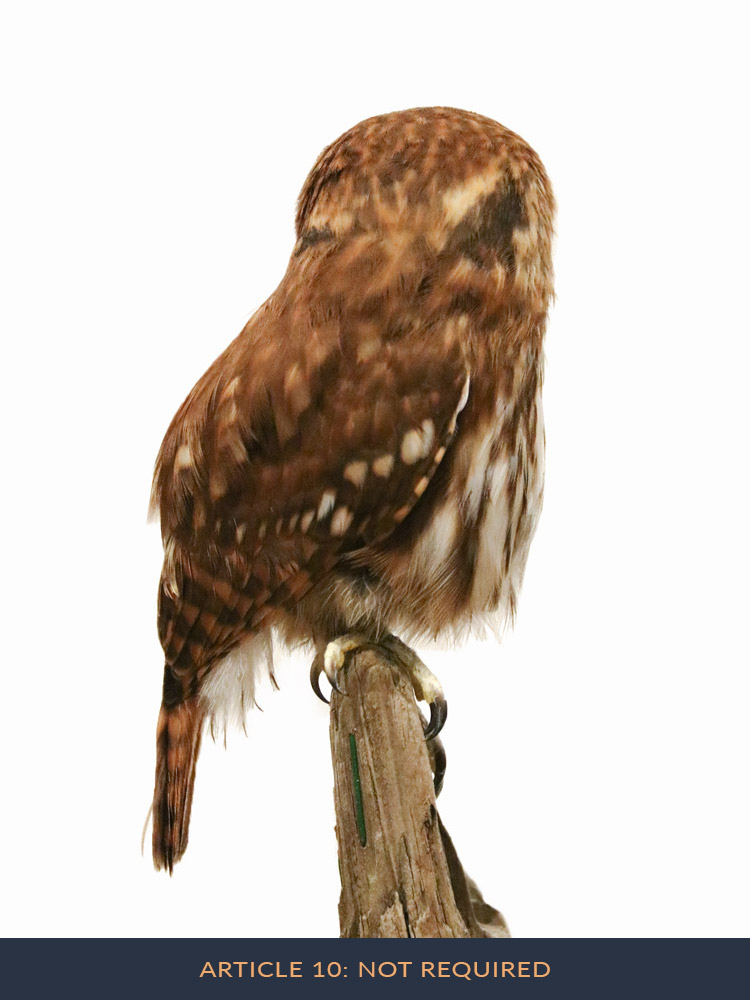
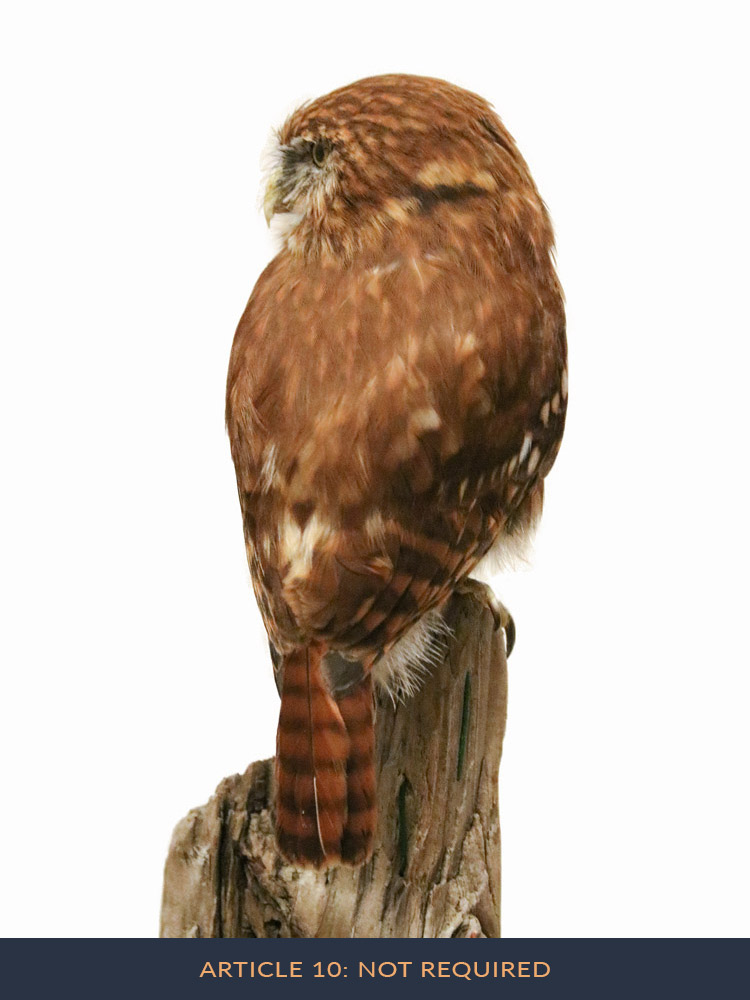
The Eurasian Pygmy Owl consists of up to 35 species worldwide, most being nocturnal.
They have a particular taste for songbirds, are widely bred in captivity in the UK and often seen in falconry collections open to the public.
Medium sized owl with extensive breeding range throughout Europe, the Palearctic and North America.
Often seen in the UK in the wild and commonly bred in captivity.
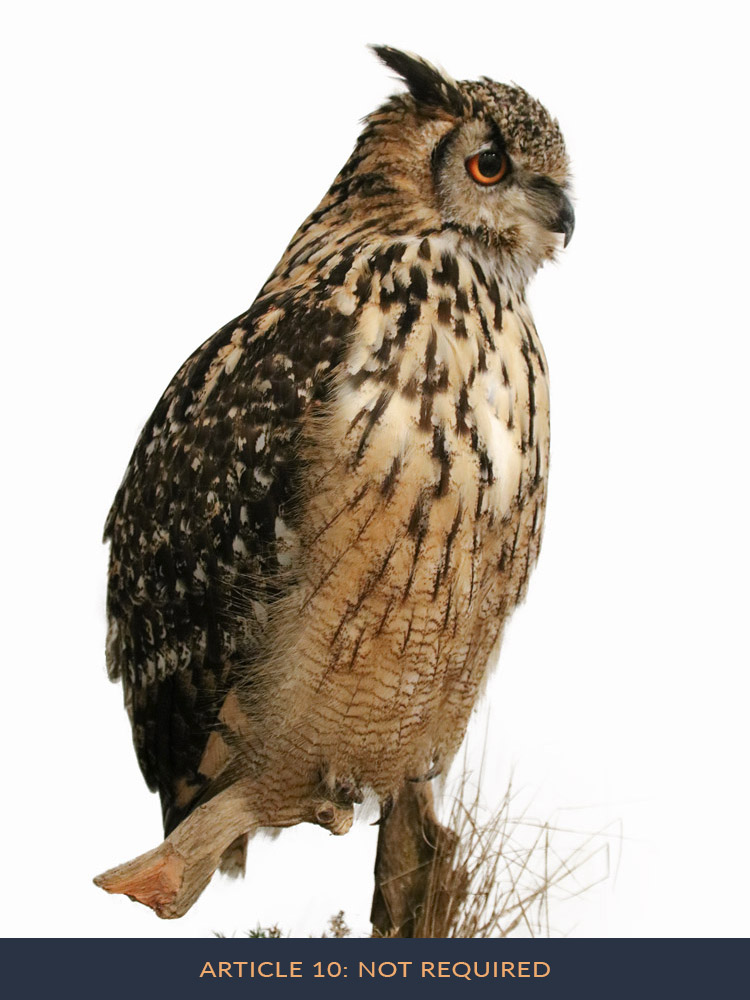
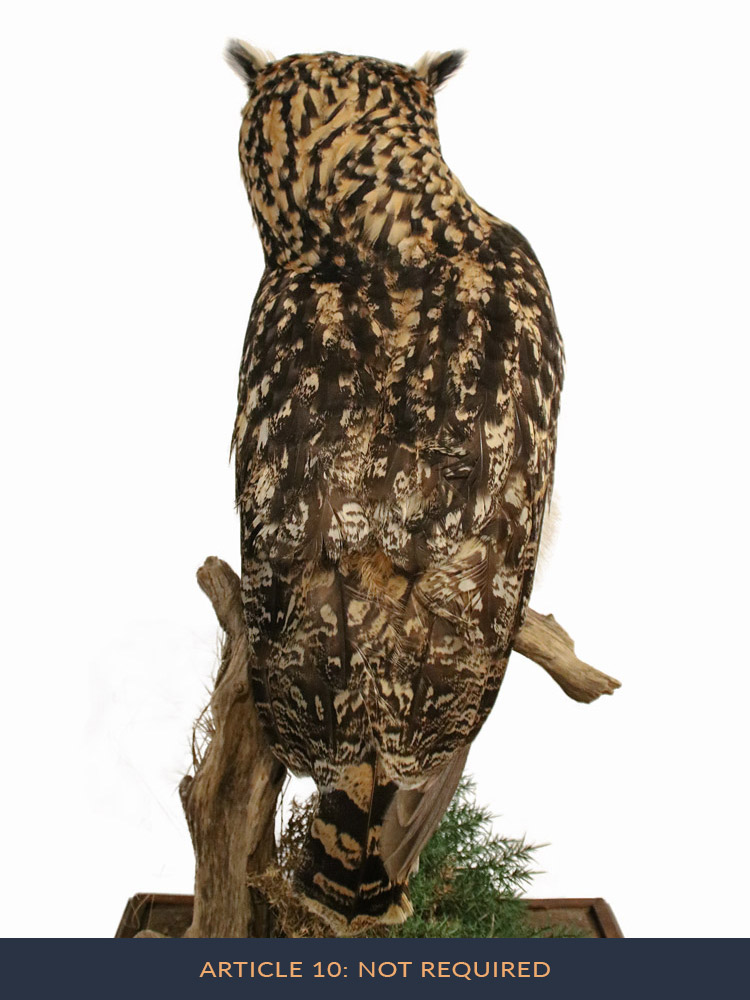
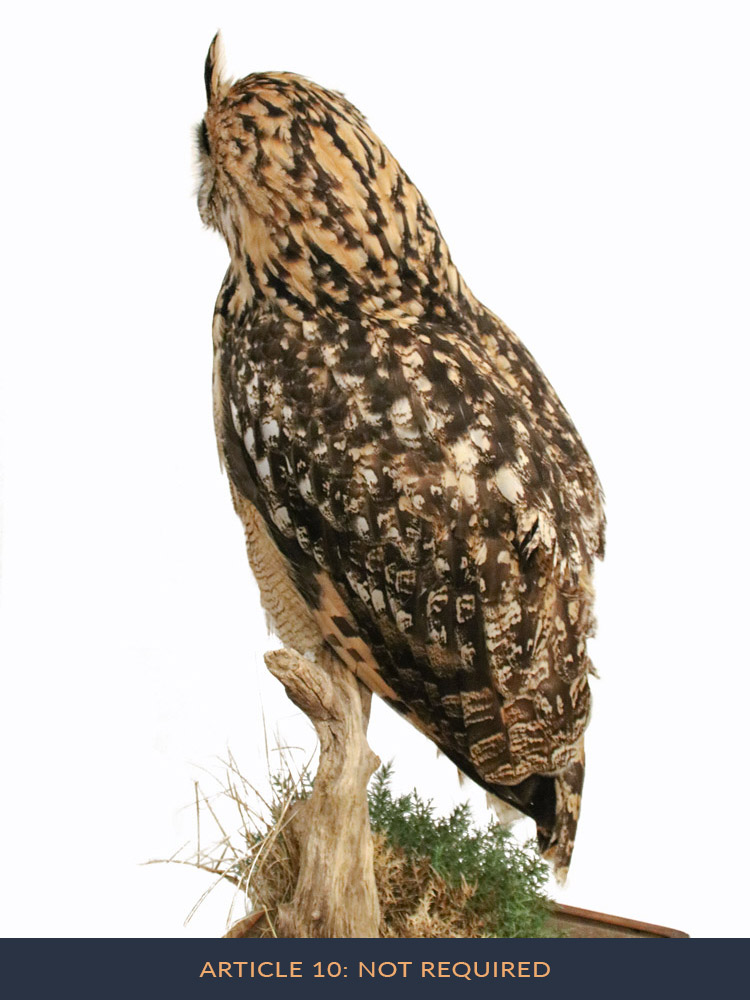
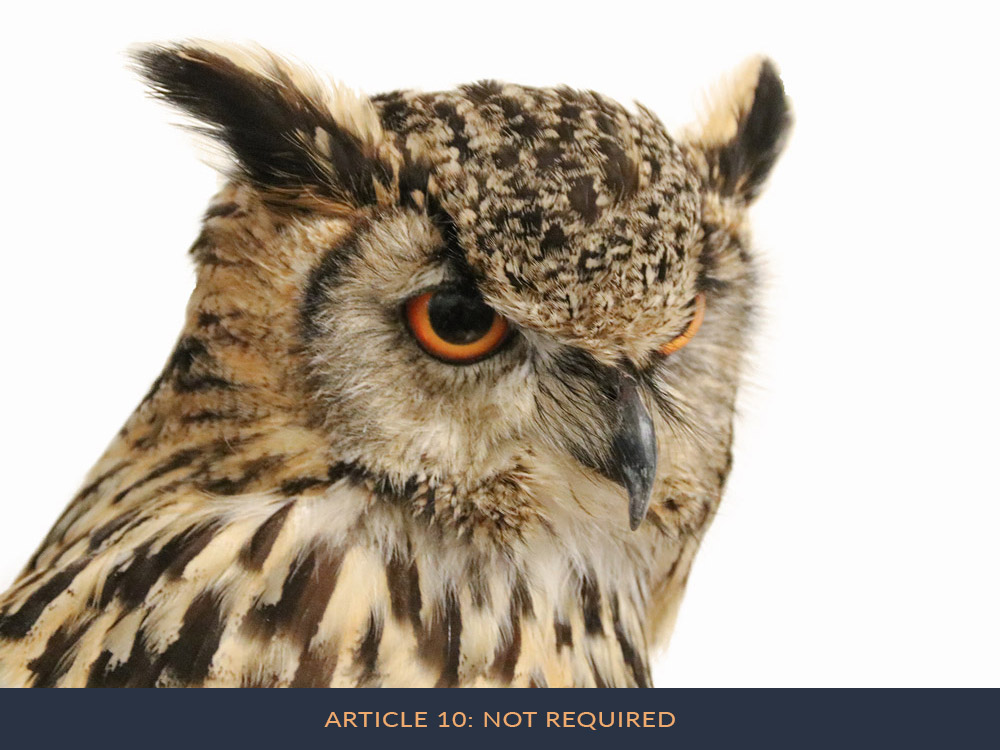
Also called Indian Eagle Owl, a large horned owl native to the sub continent. He has a deep resonant booming call.
Often found in UK display establishments and collections open to the public and bred here in captivity.
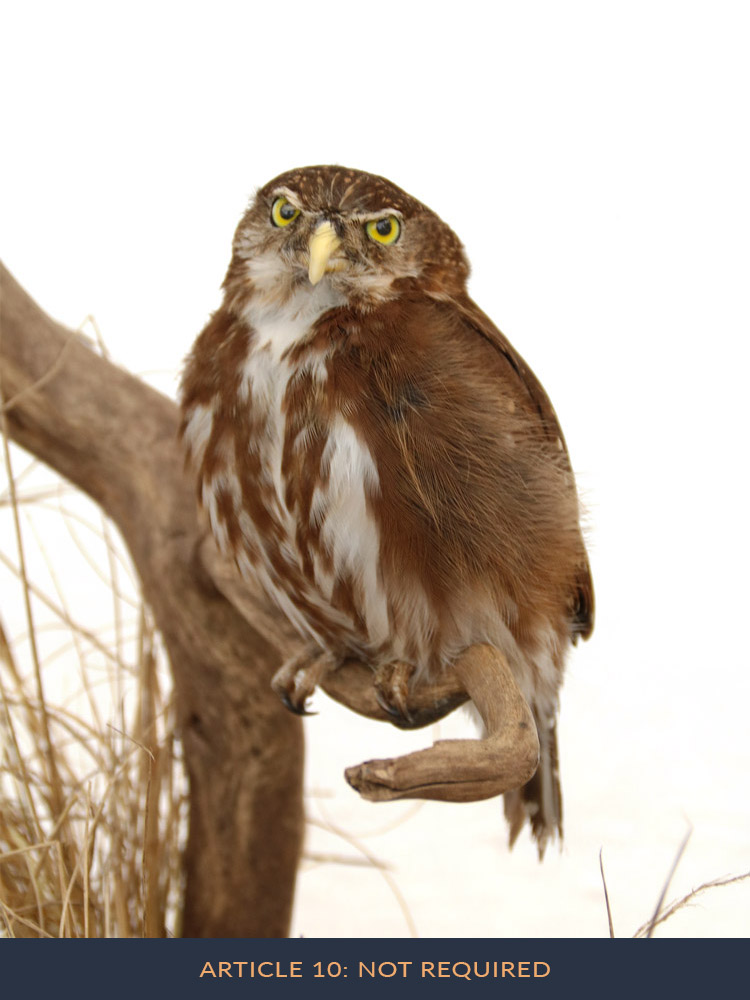
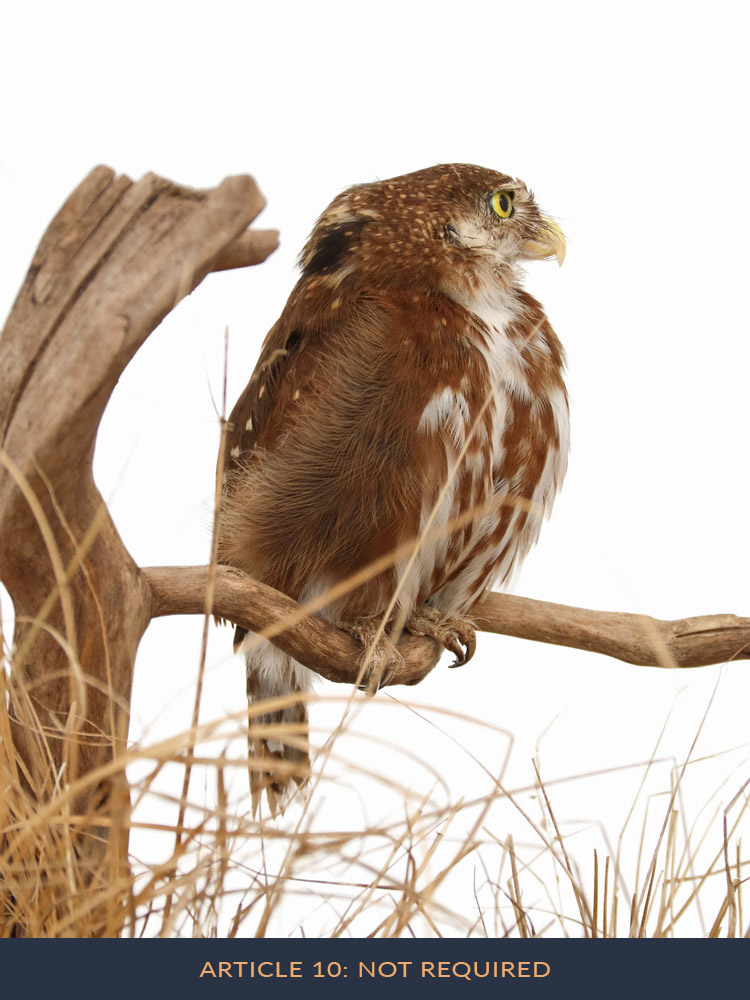
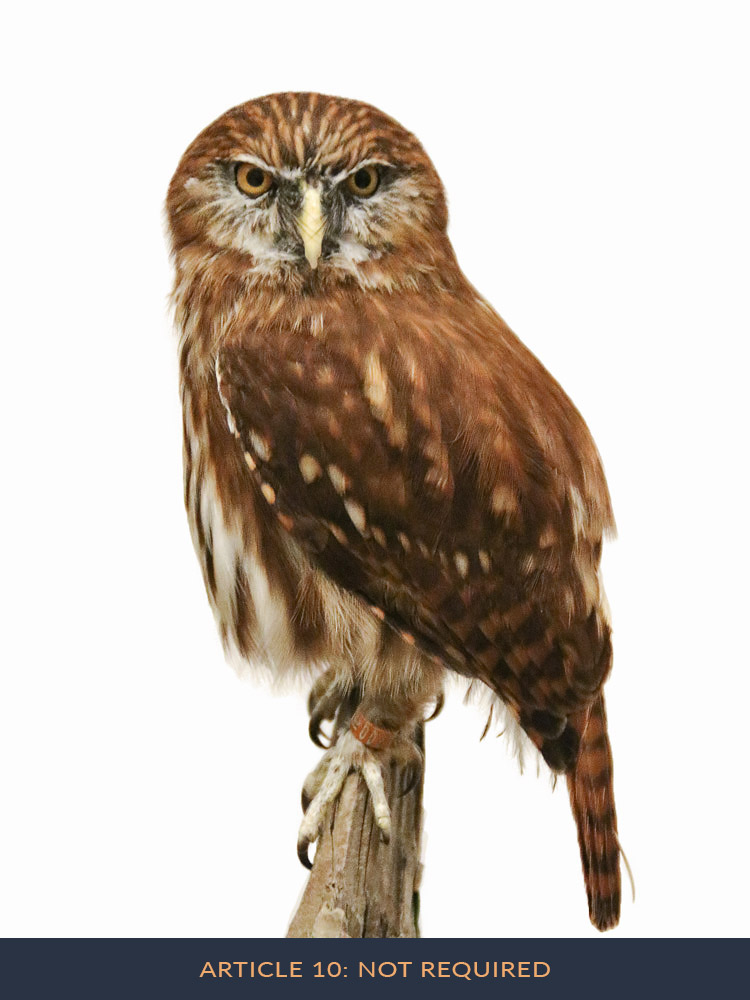
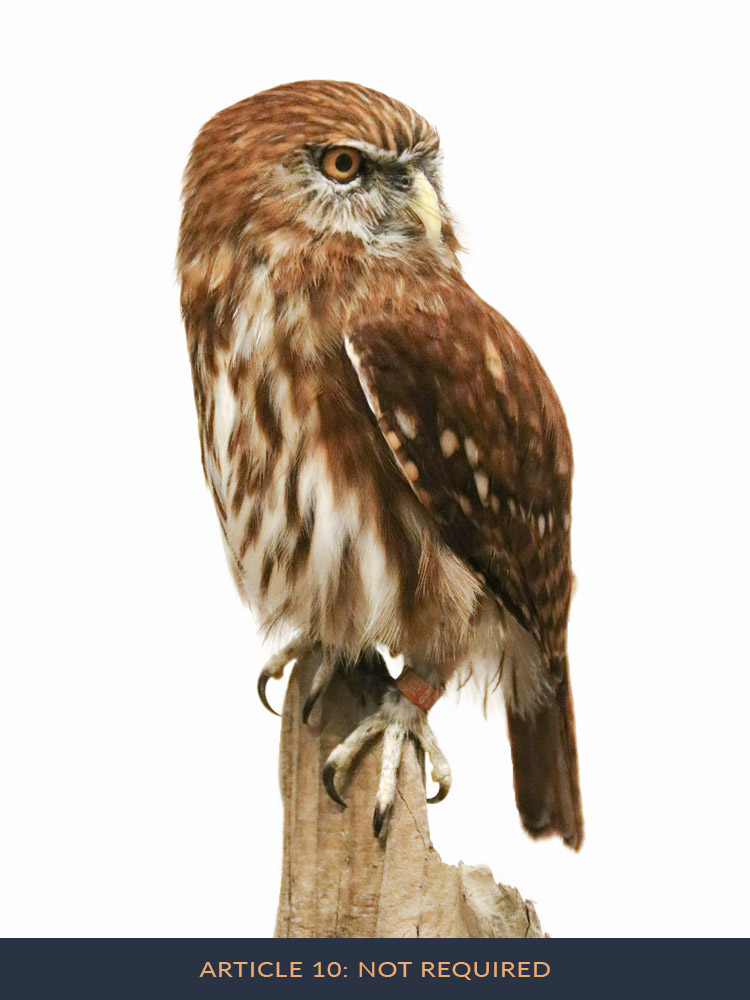
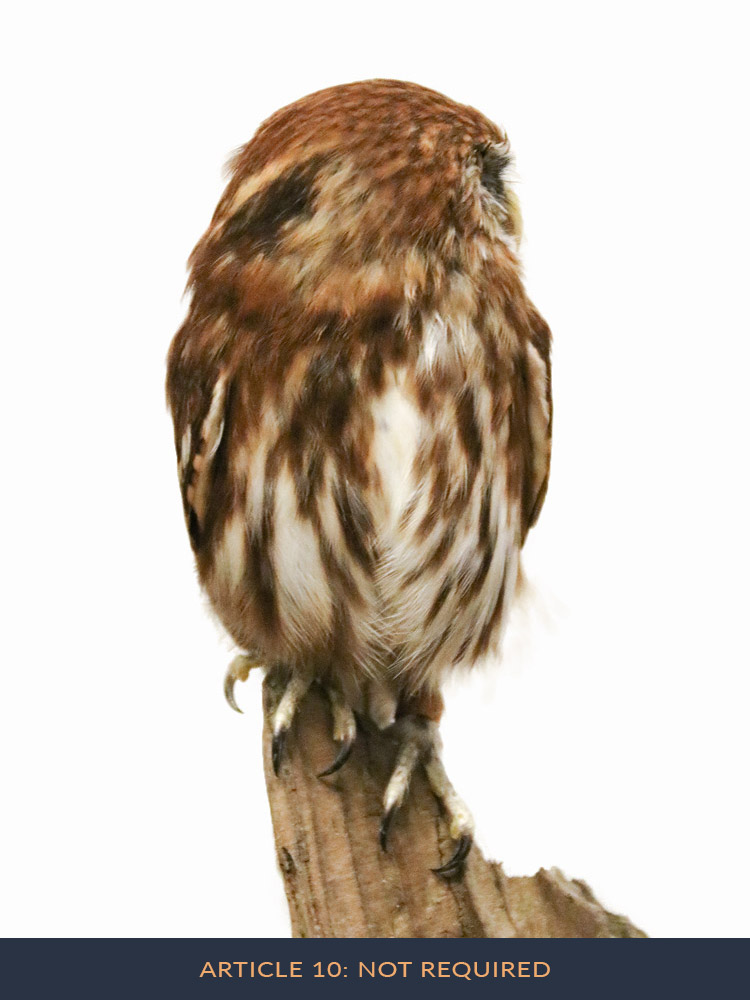
Small owl that breeds in Arizona all the way South to Argentina.
Has been bred in the UK in captivity for a long time.
Restricted to the Americas with 23 varying sub species known at present. 7-10 inches tall, females larger.
Bred in captivity in the UK.
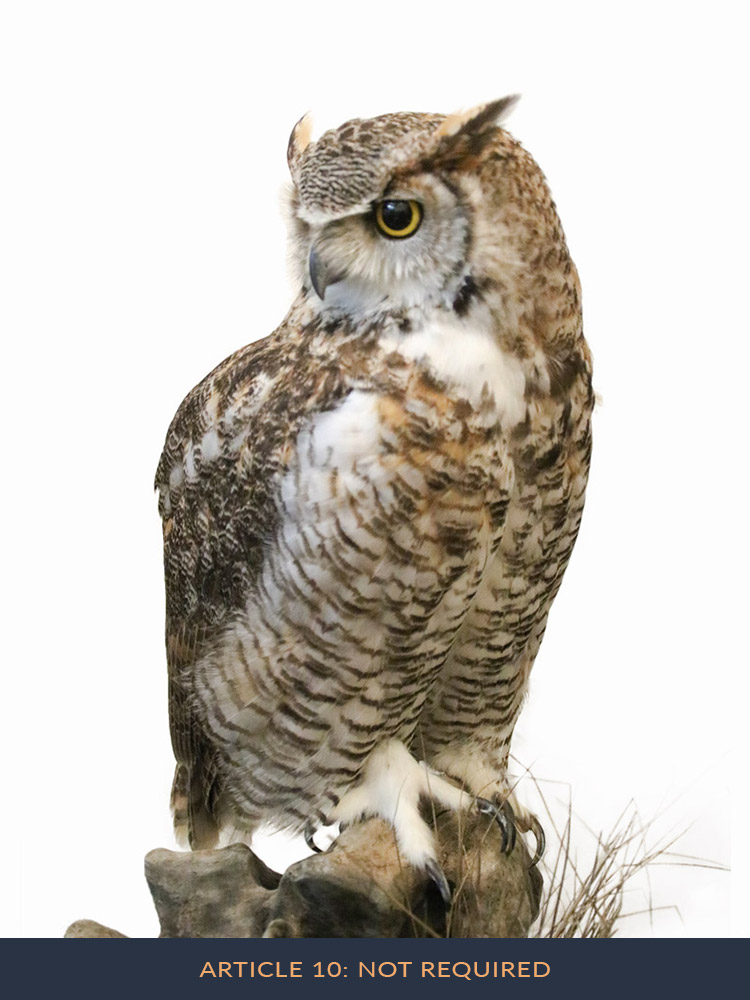
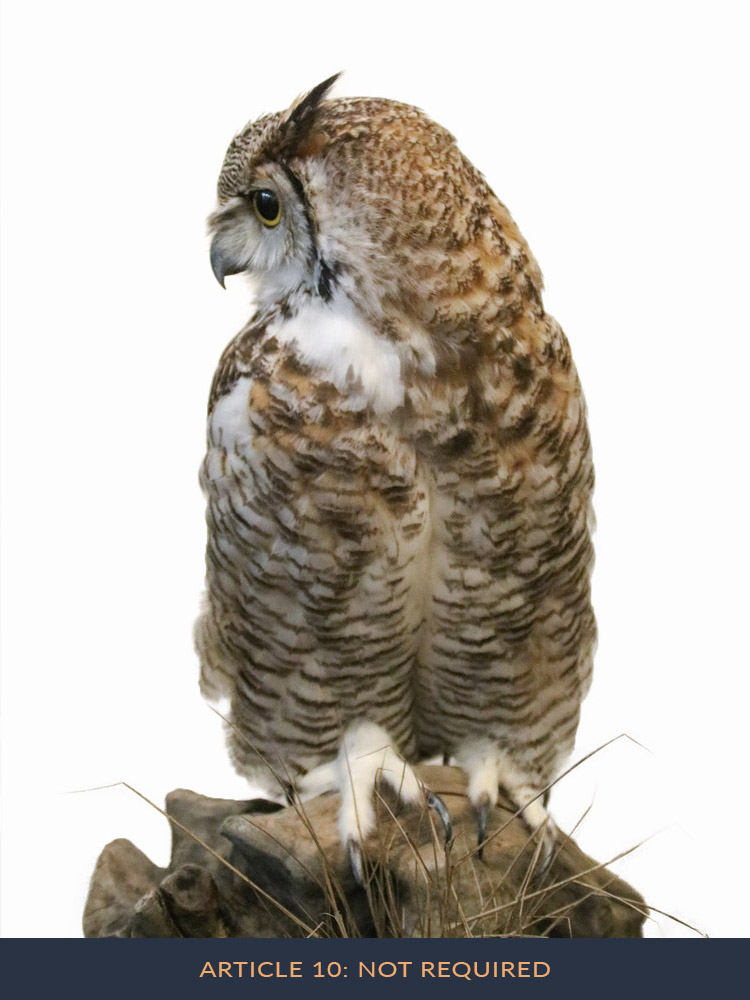
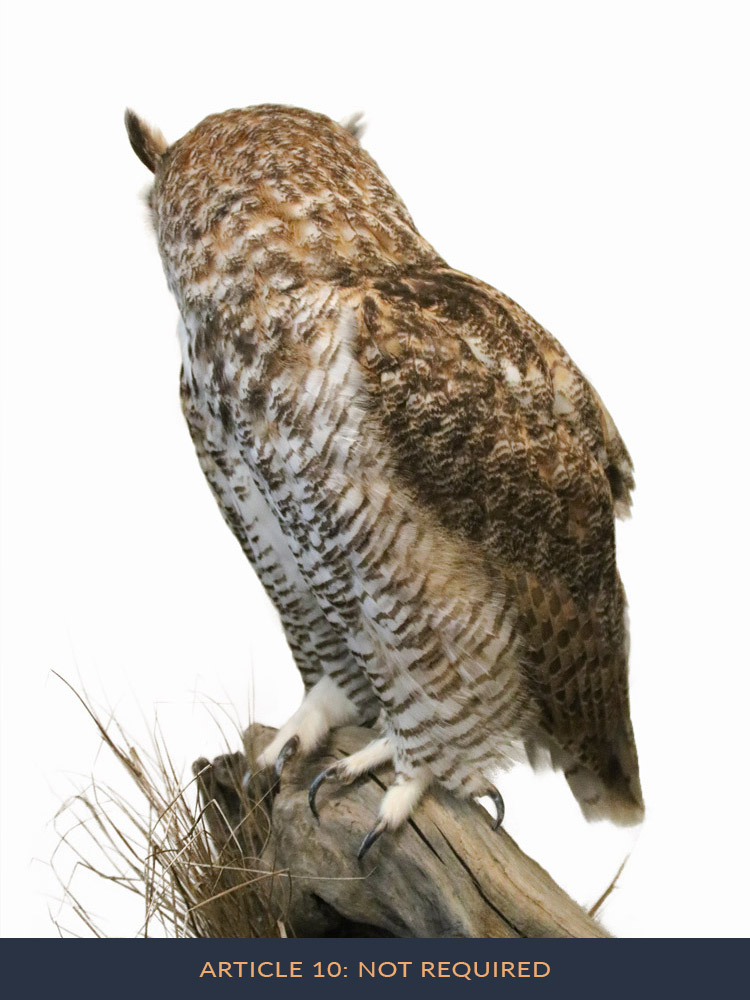
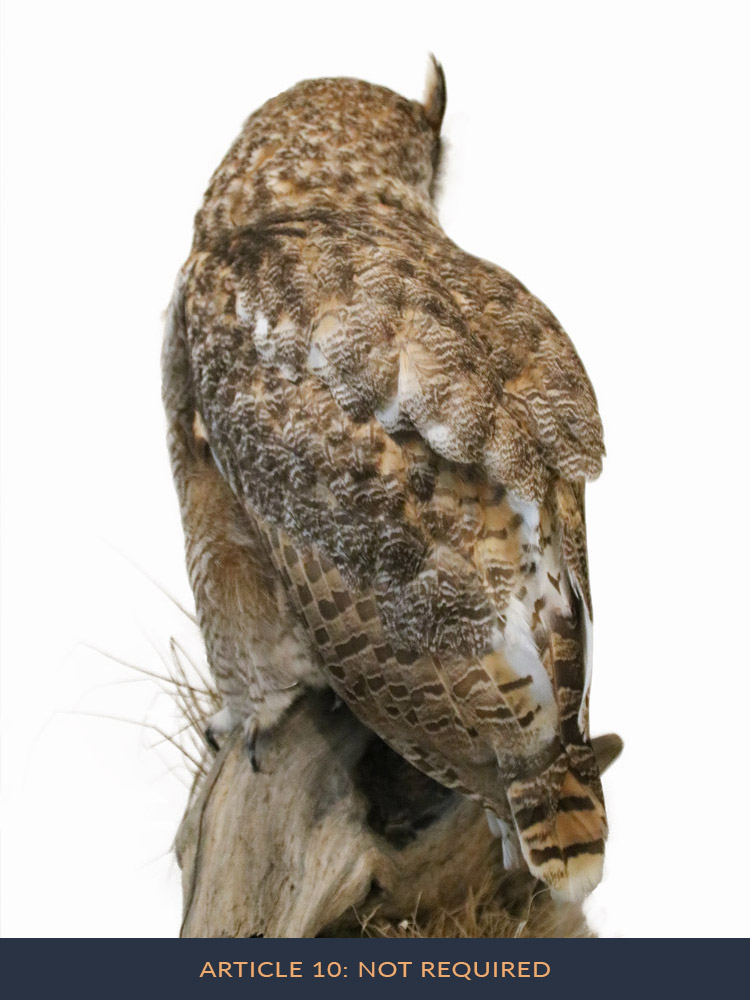
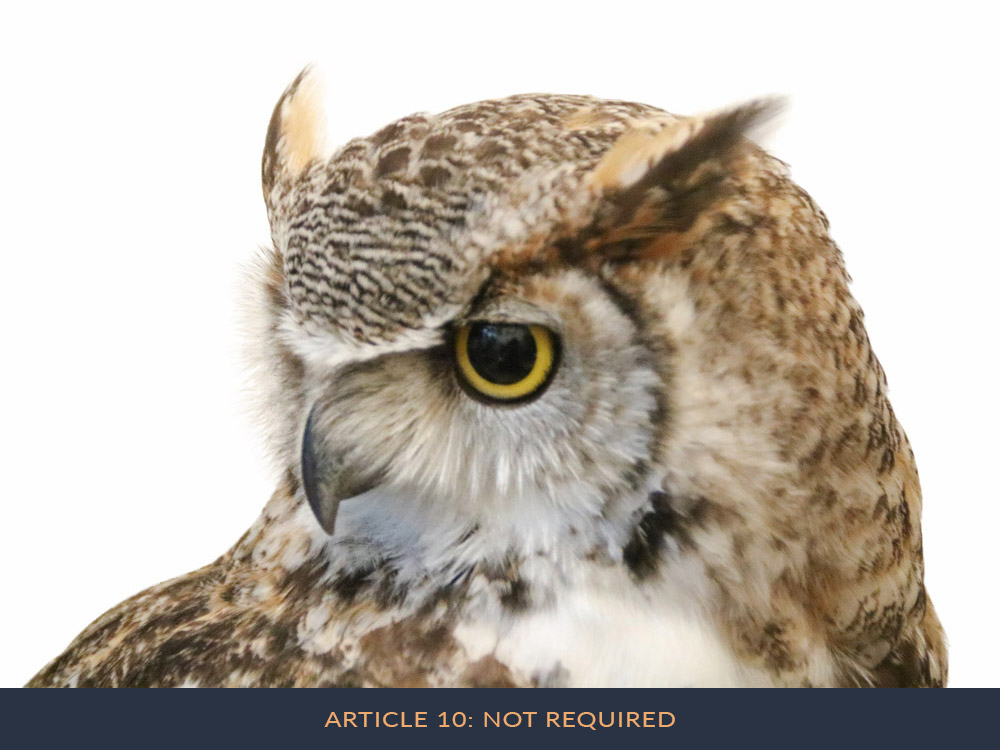
A very large owl, native to the Americas. Extremely adaptable with a vast range of diet: rabbits, hares, rats, mice, voles, birds, reptiles, amphibians plus, of course, the Prairie Dog.
Bred extensively in captivity in Europe and the UK.
One of the smallest of the Eagle Owl family found mainly in South Africa.
Specialized care and diet is required if breeding in captivity with correct ratio of calcium to phosphorus and specific husbandry needs that should be met. Despite the pitfalls,
Spotted Eagle Owls are bred in UK aviaries.
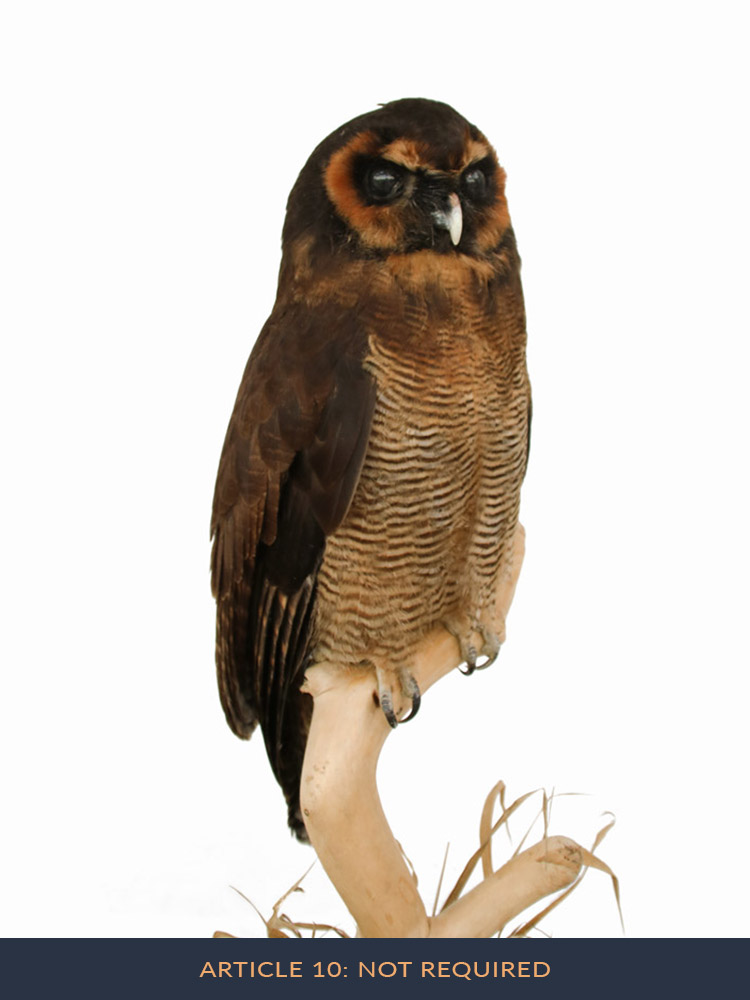
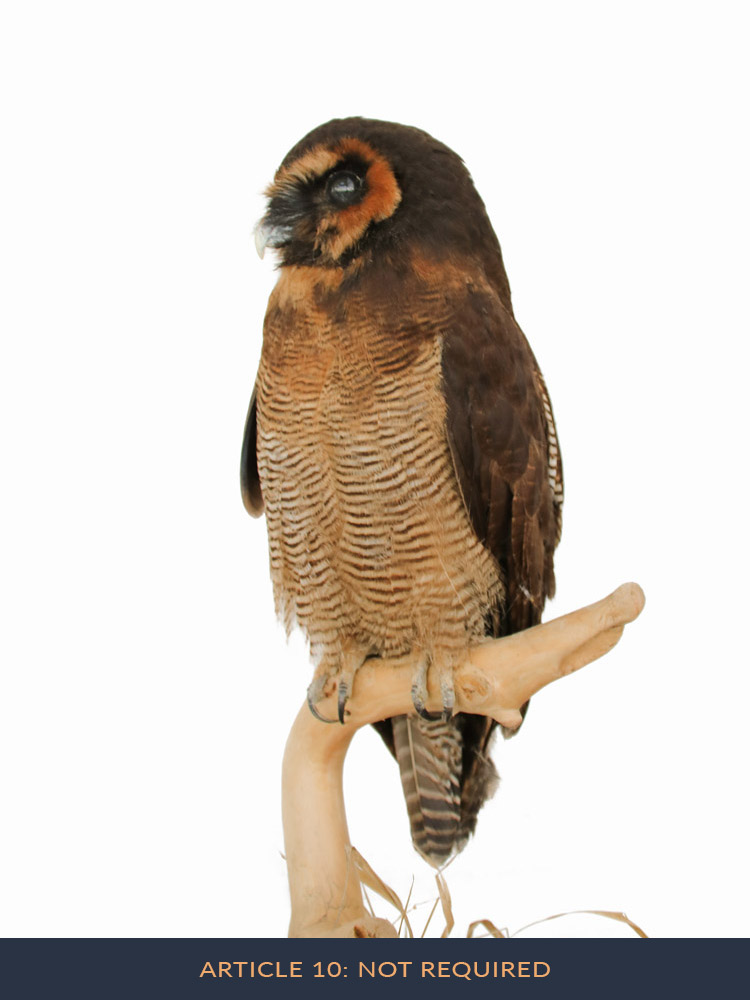
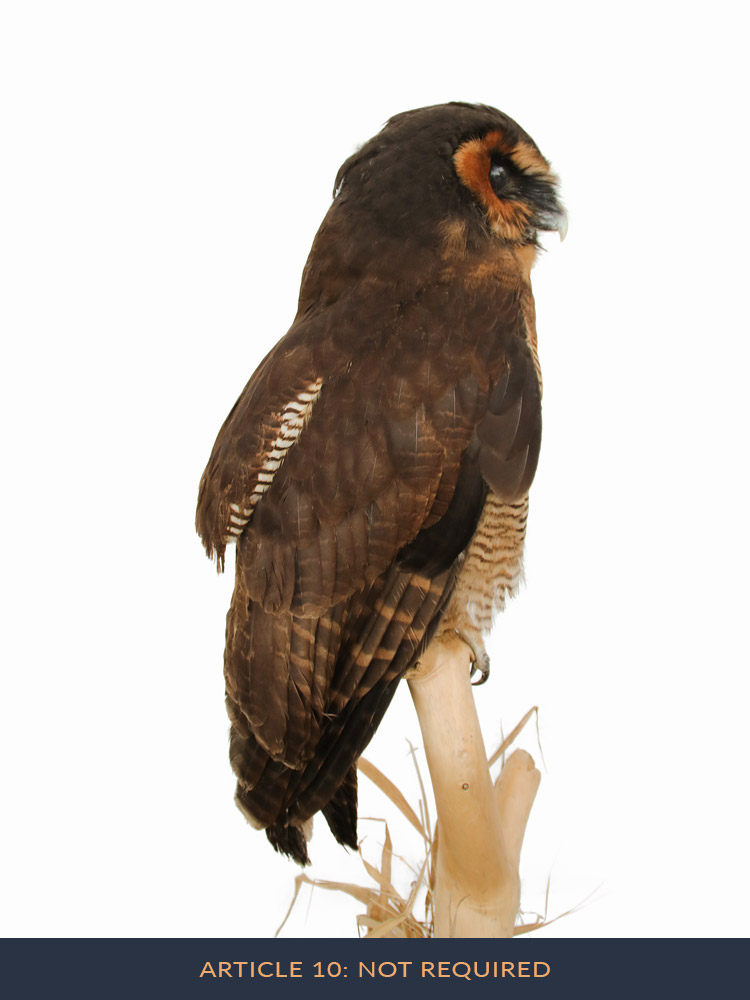
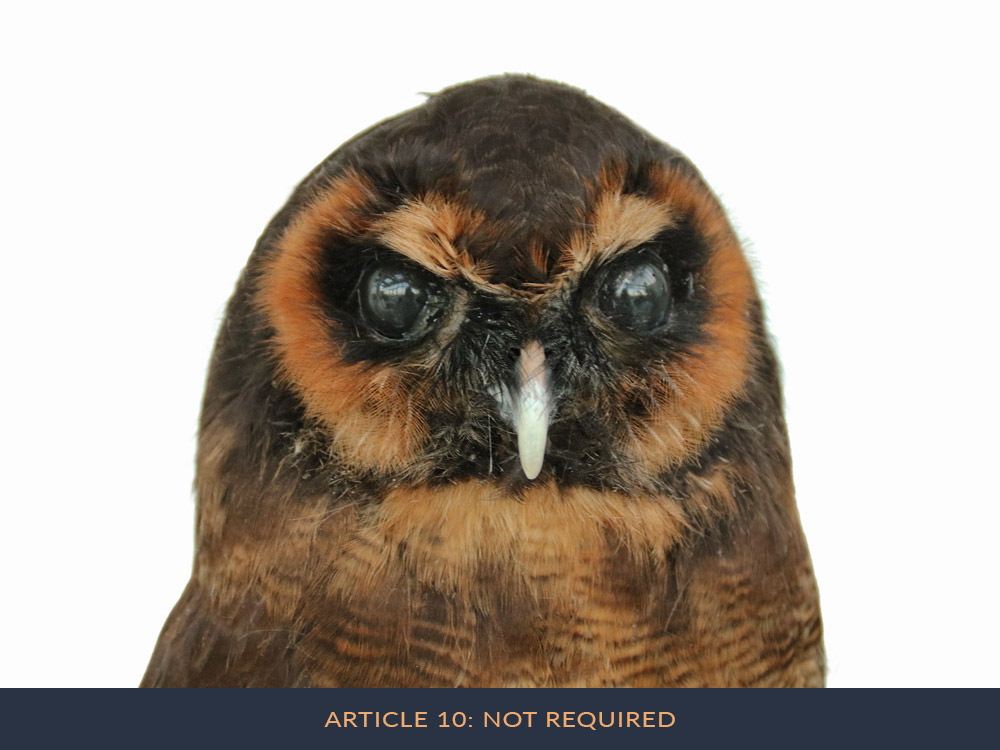
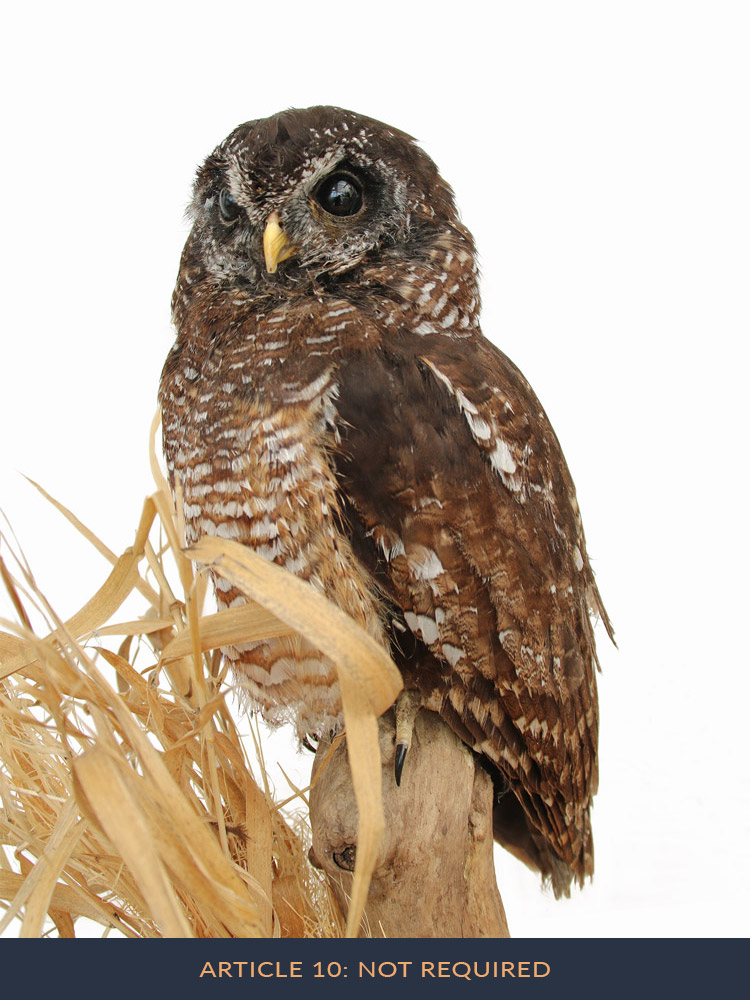
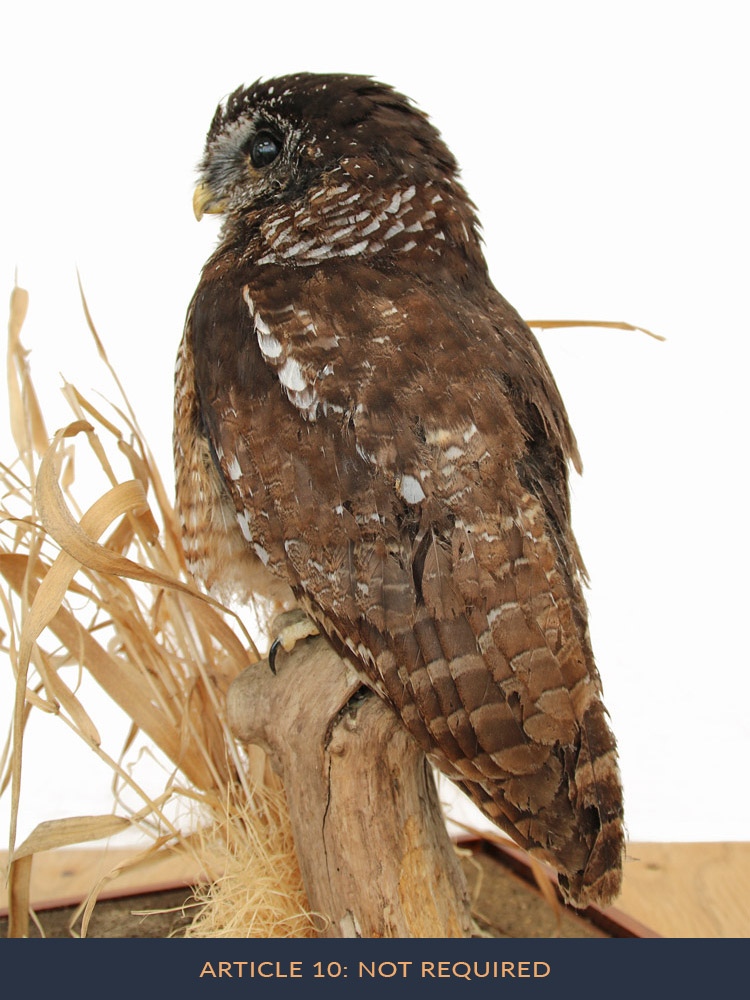
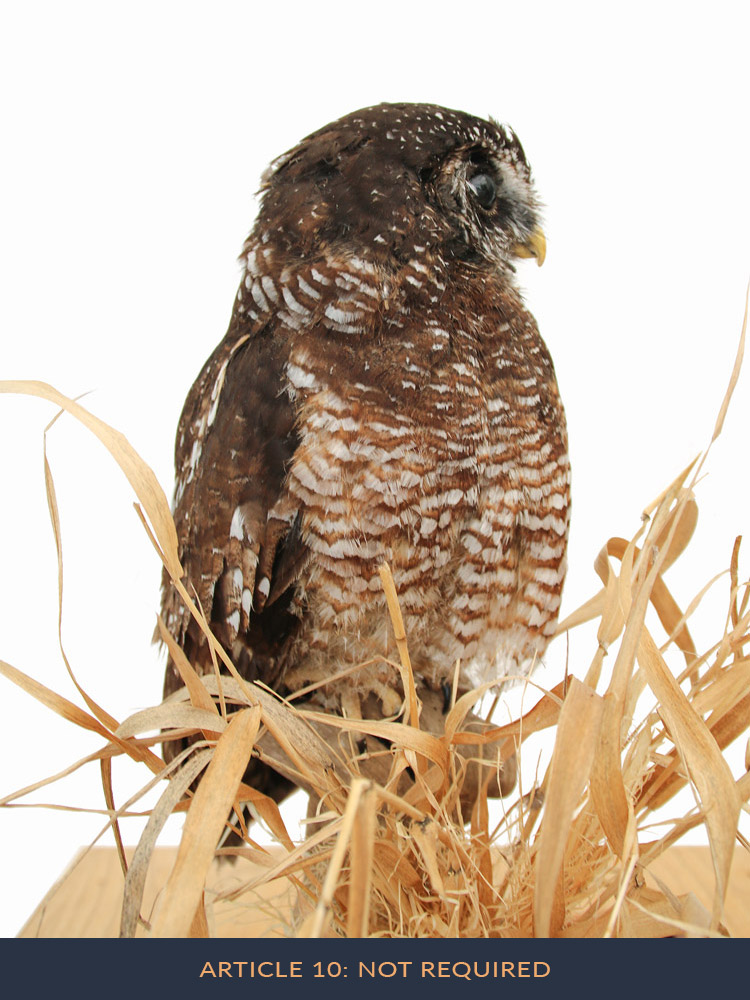
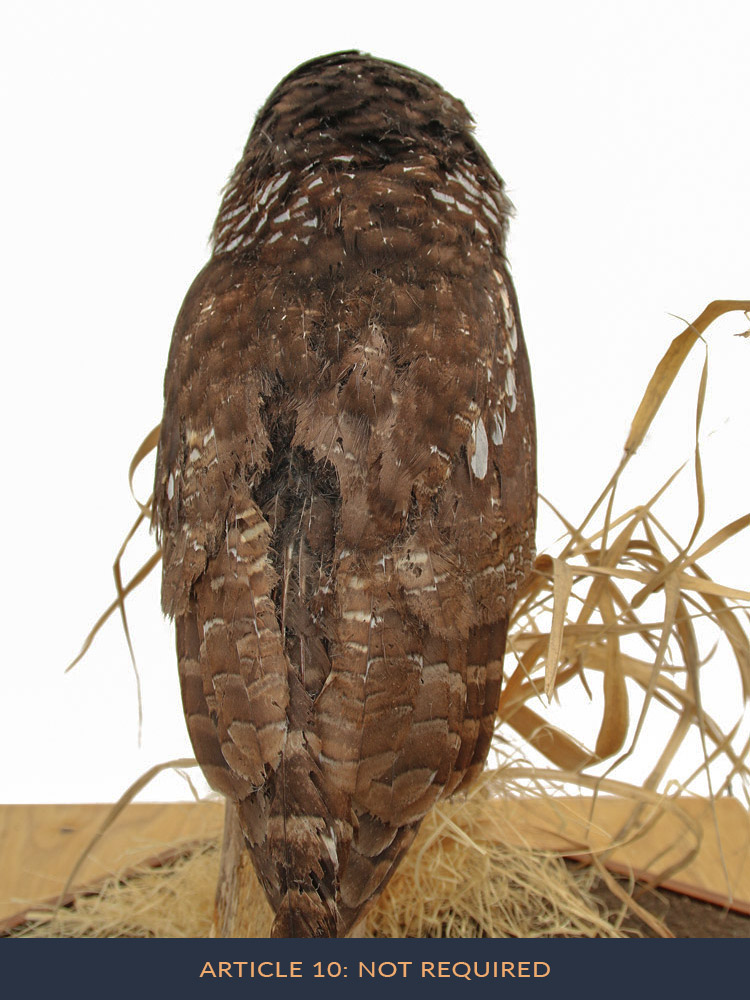
Sometimes called the African Wood Owl, widespread in sub Saharan Africa. Bred in captivity in the UK.
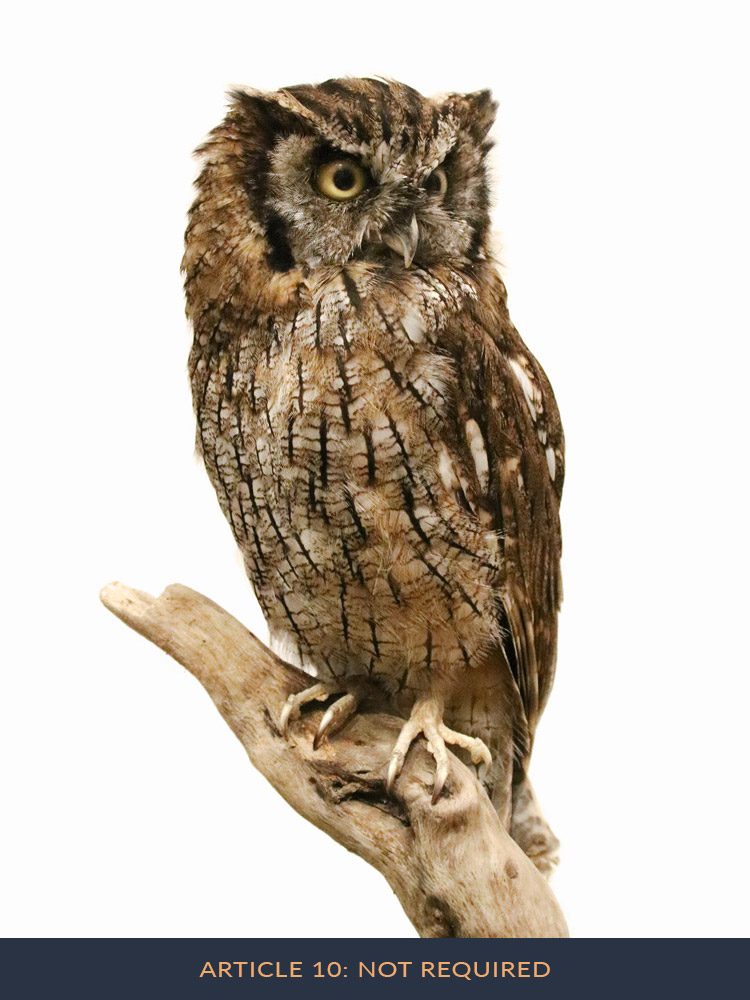
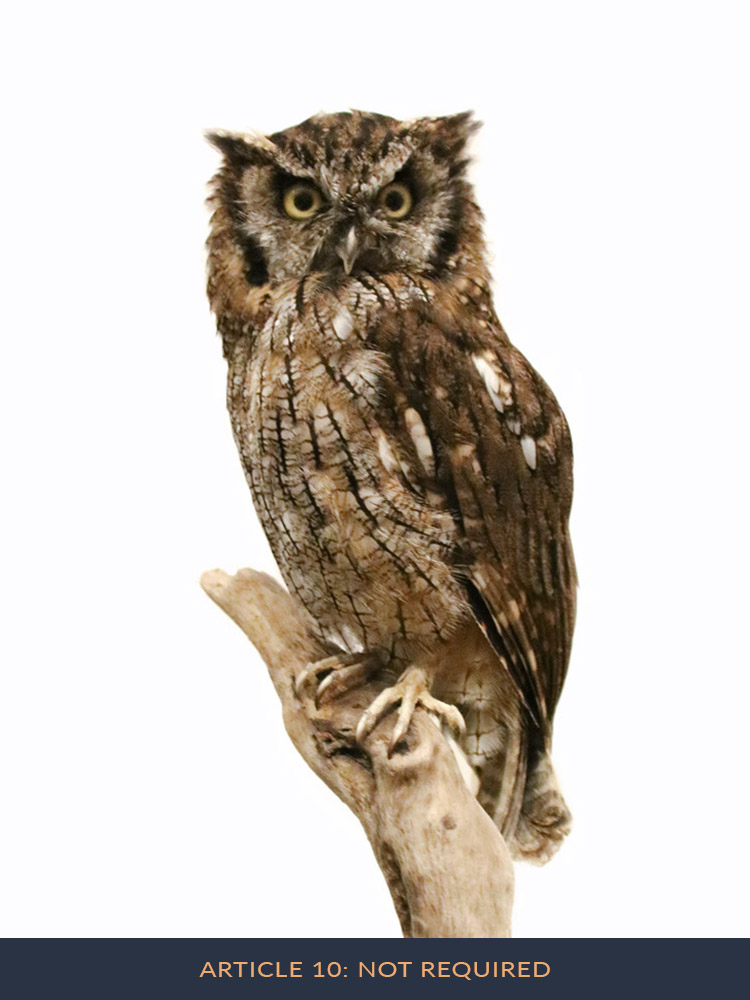
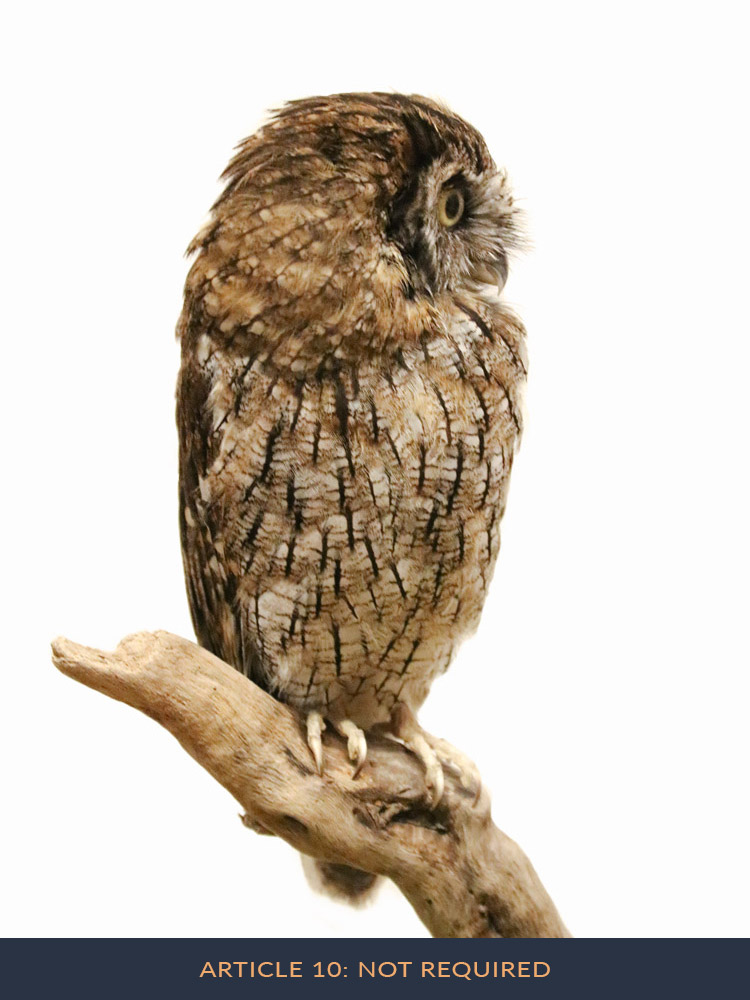
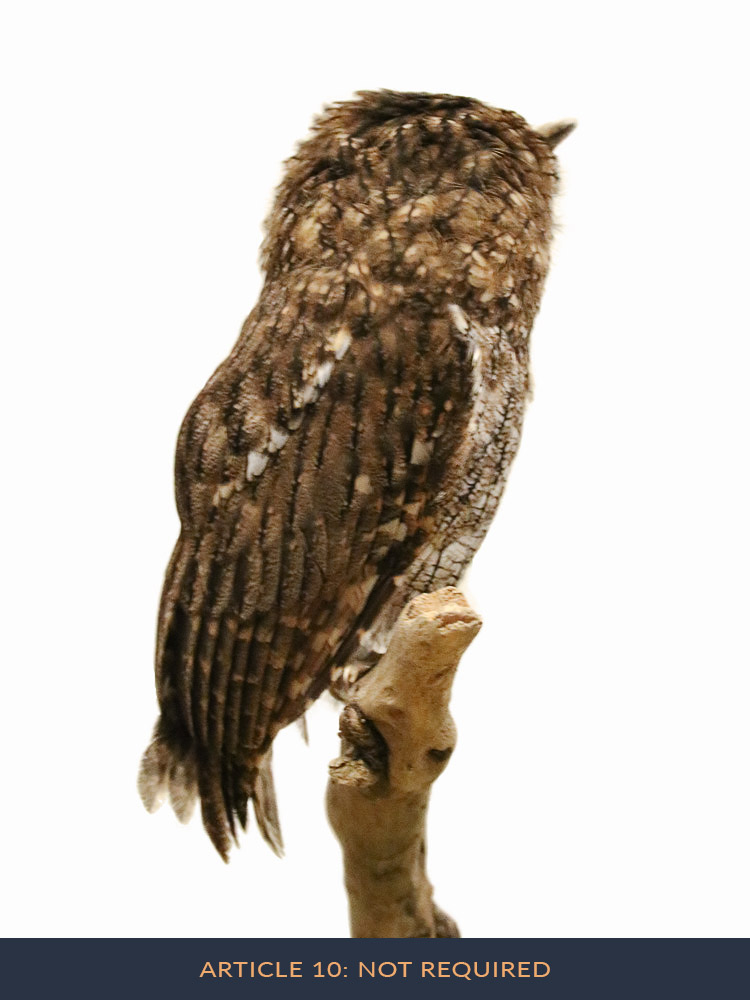
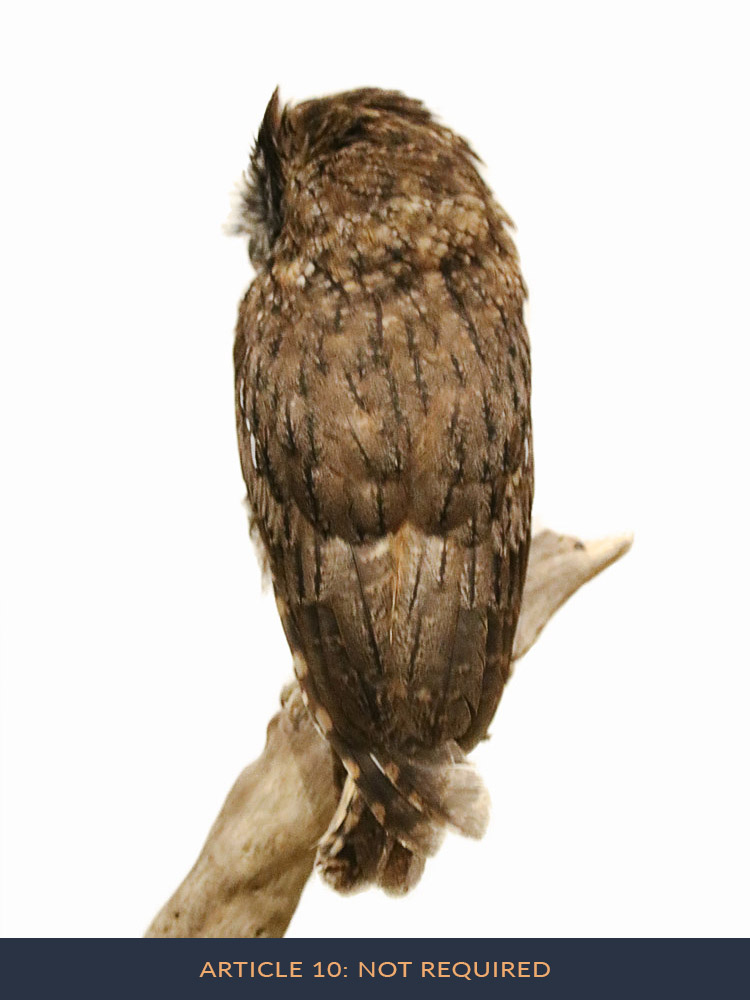
Medium sized owl found in Central and South America from Mexico to Brazil and Argentina. Territorial, found in dry forests and jungles up to 2,500 feet.
Bred in the UK in captivity.
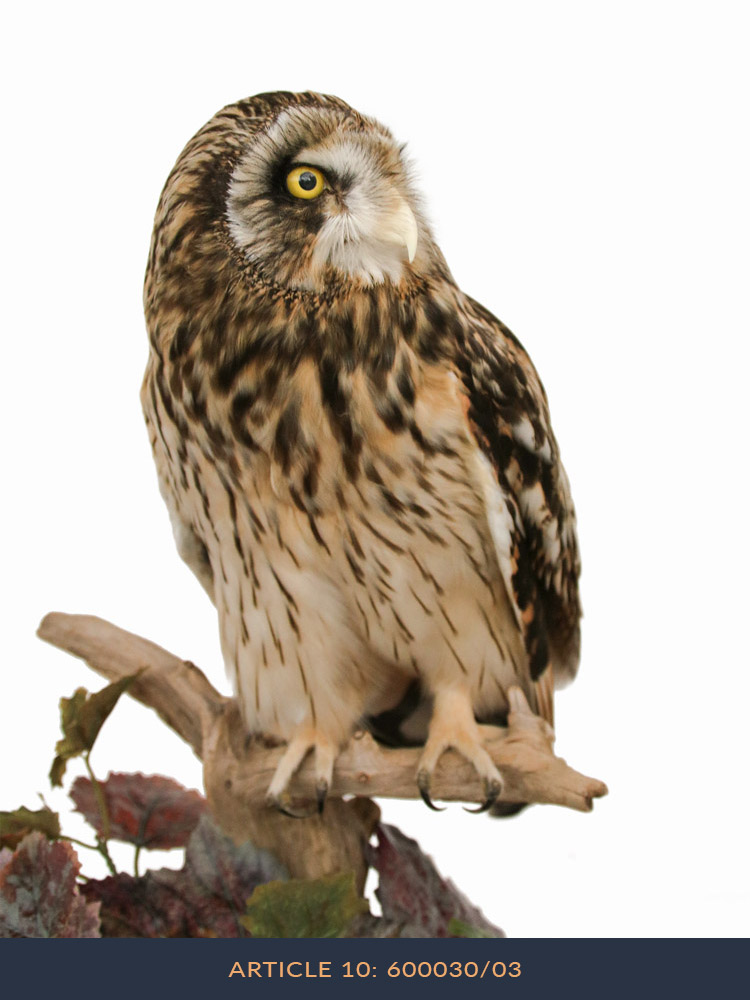
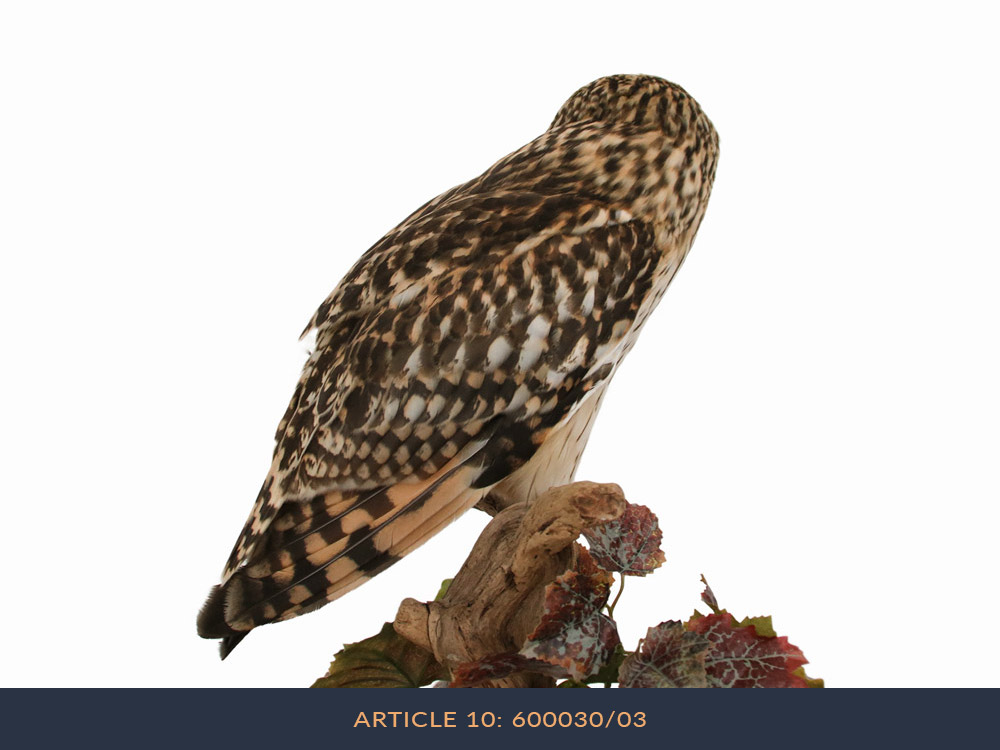
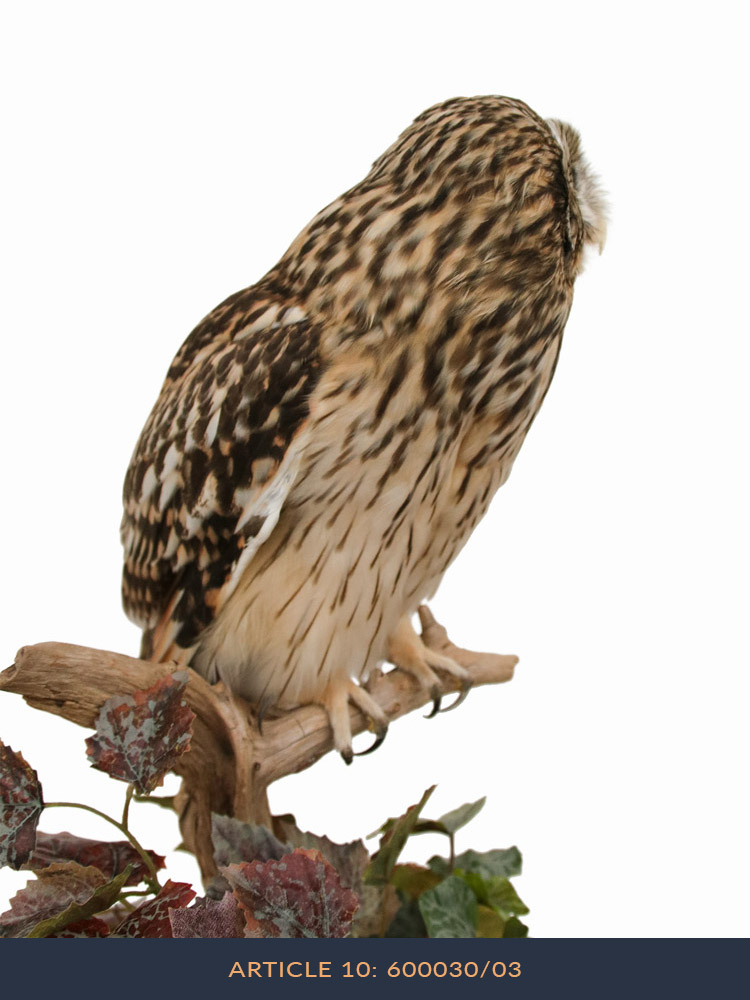
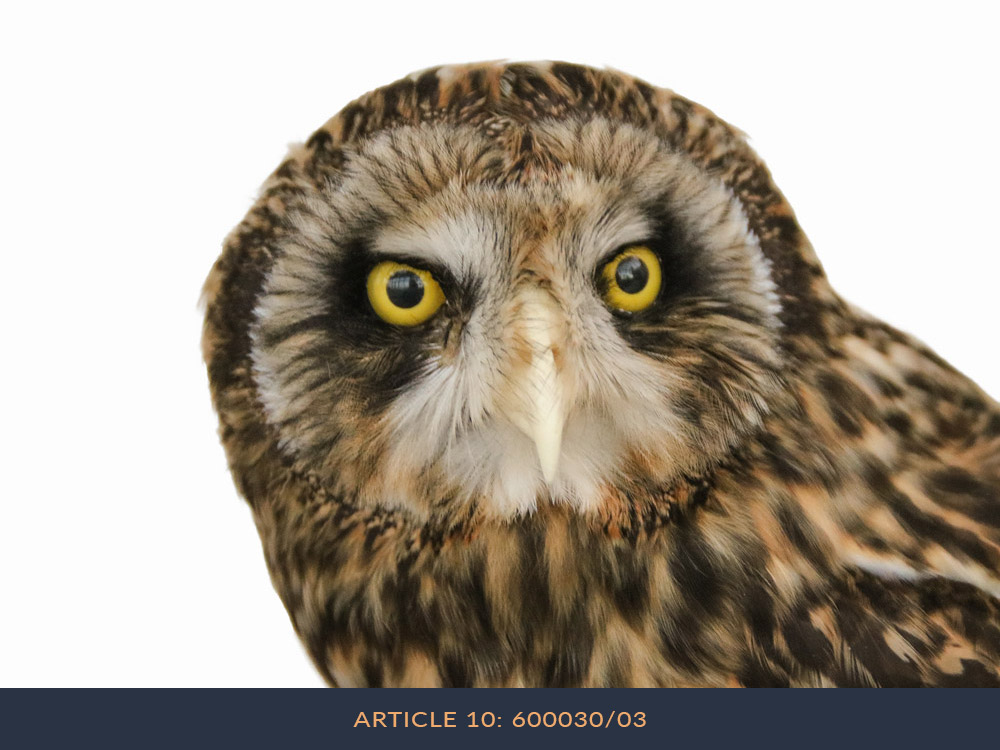
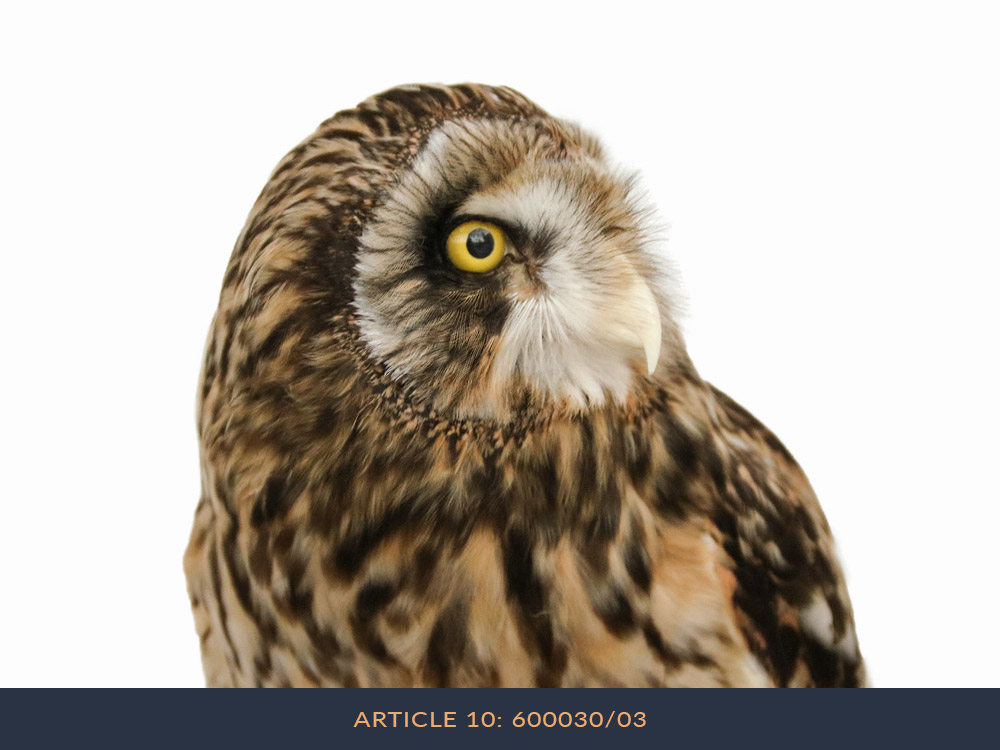
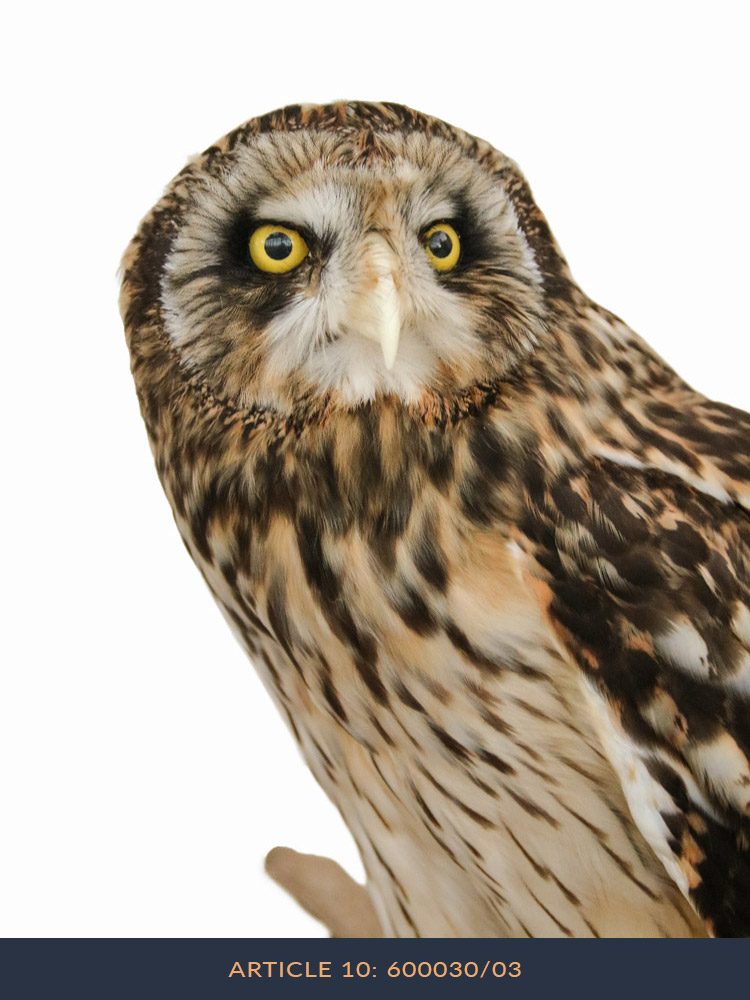
Widespread grassland species, it appears on all continents except Antarctica and Australia, thus it is one of the most widely distributed birds on Planet Earth. Seen sparingly in the wild in the UK for decades, they have held their own.
They are often bred in captivity though this bird, unfortunately, was a road traffic accident casualty.