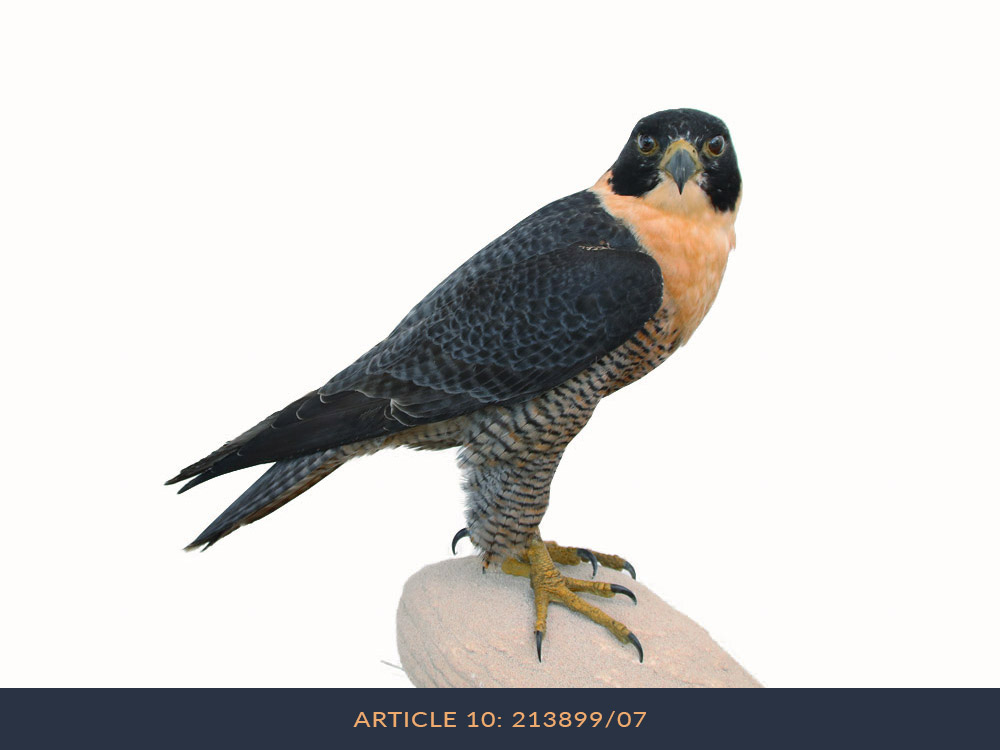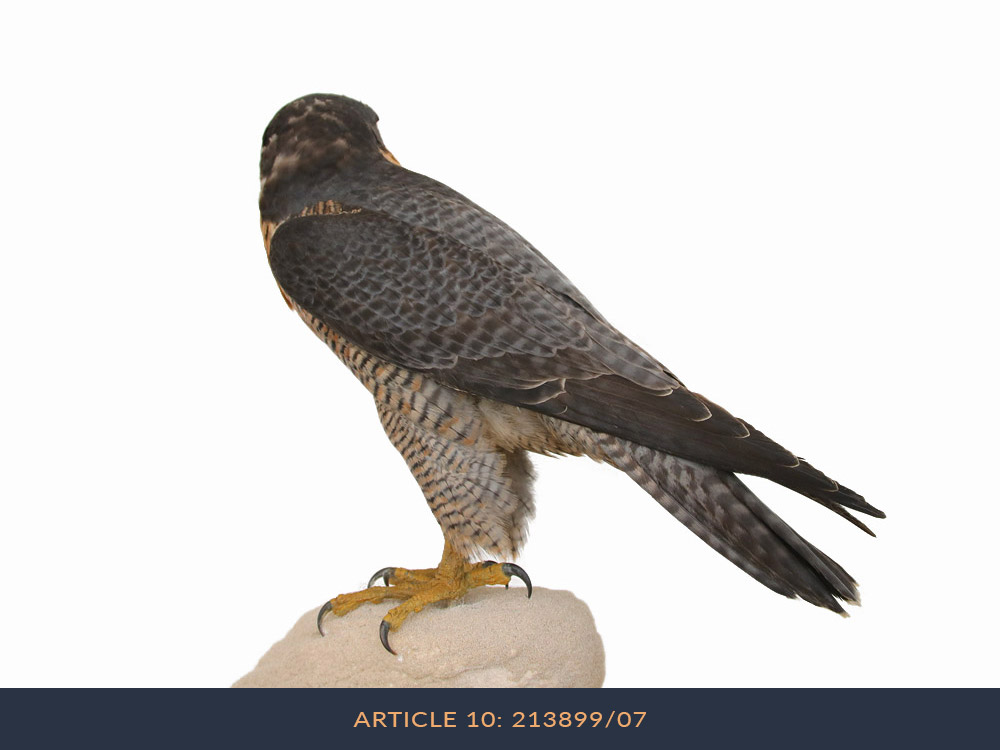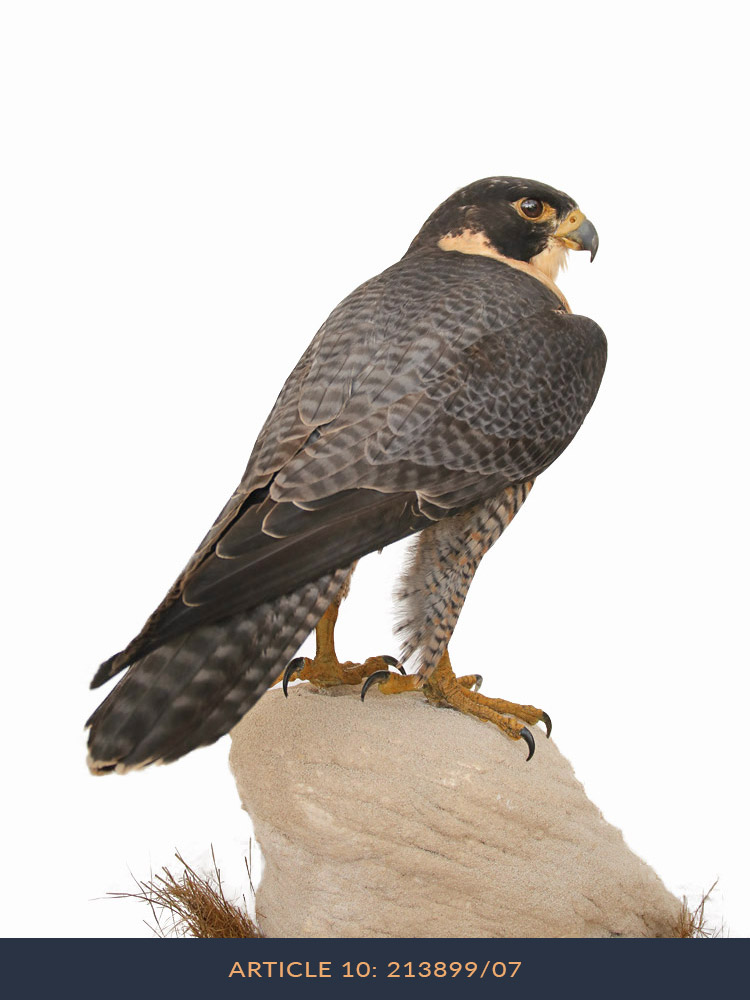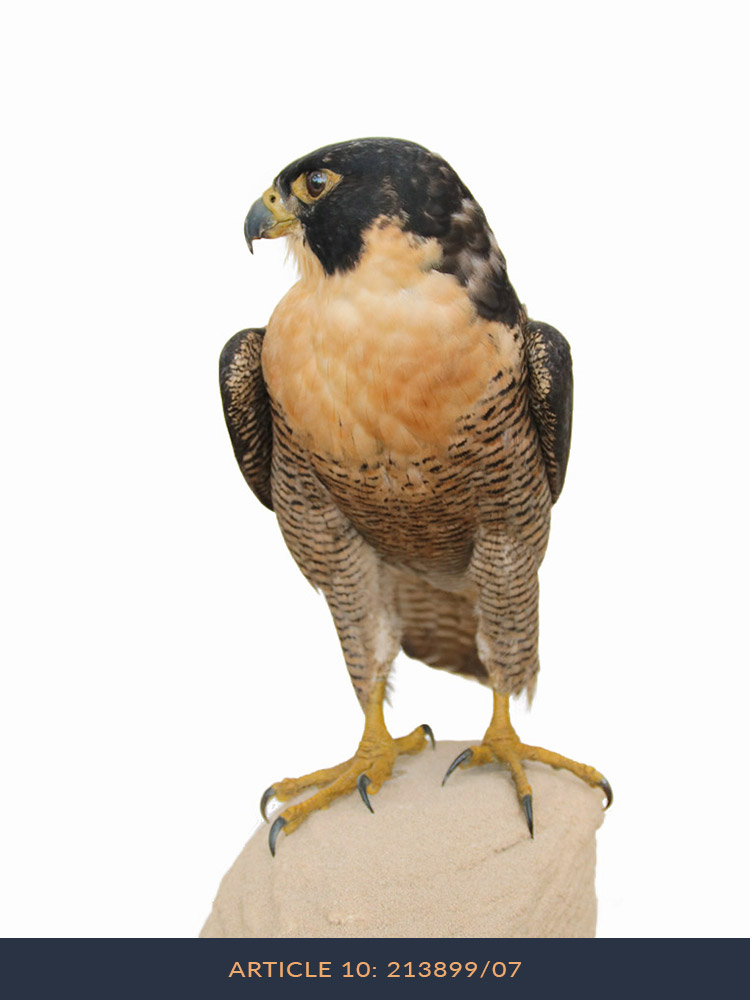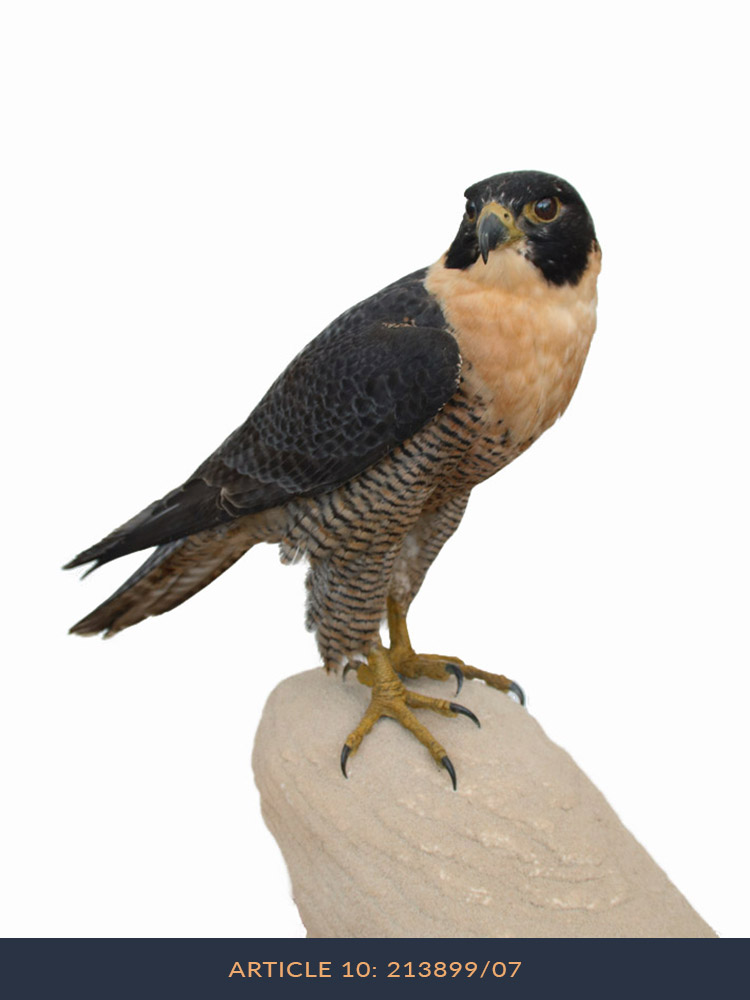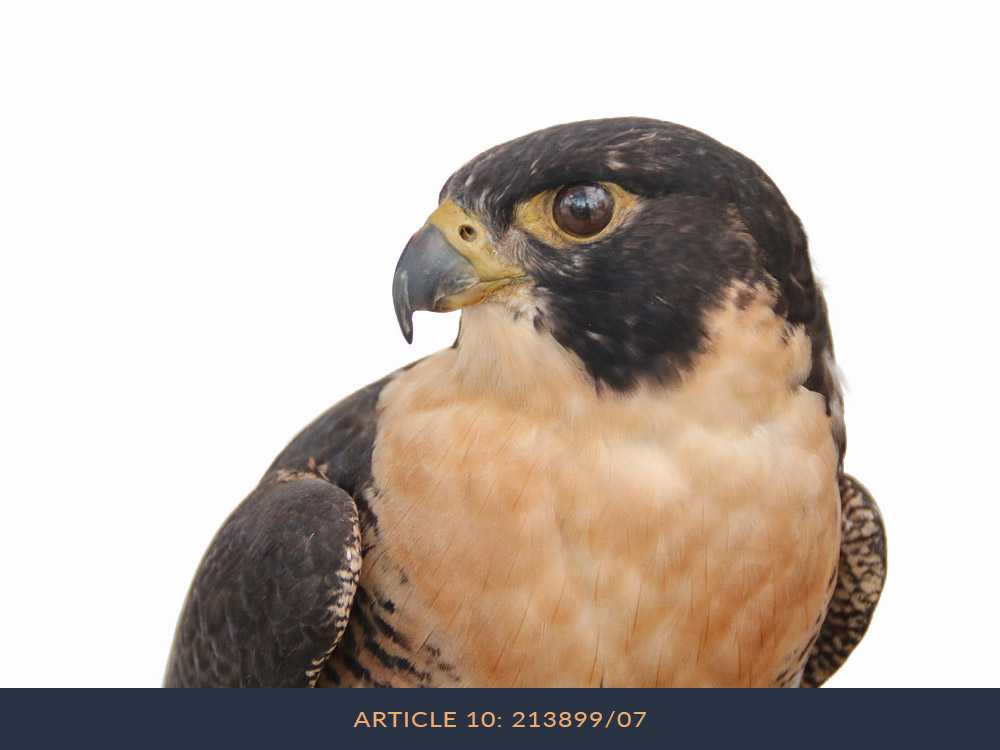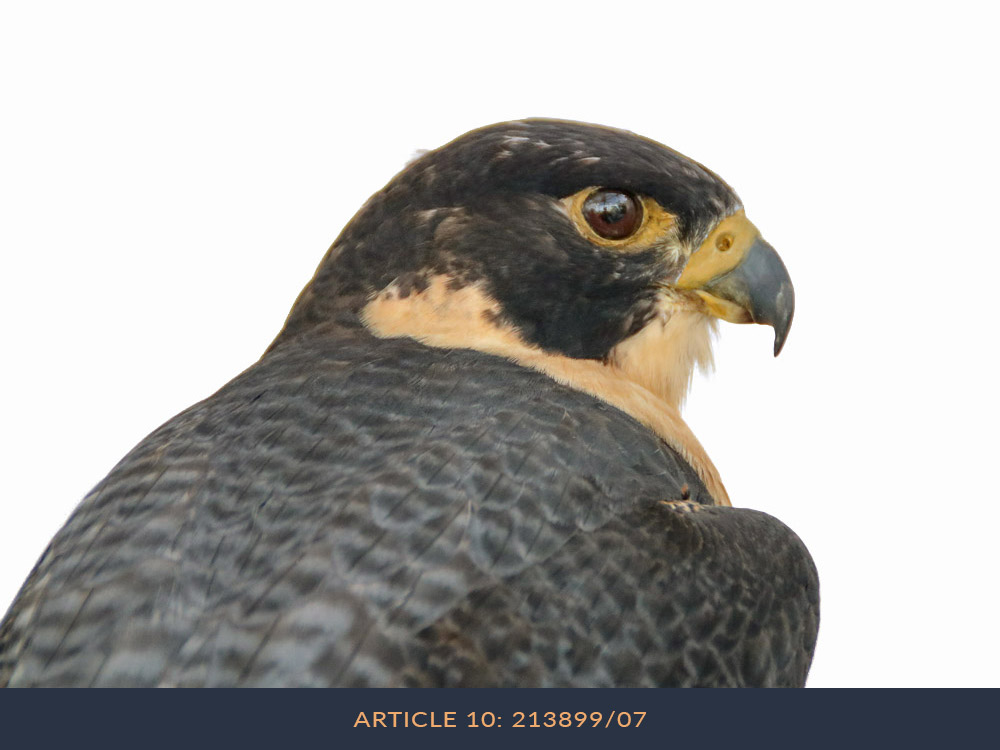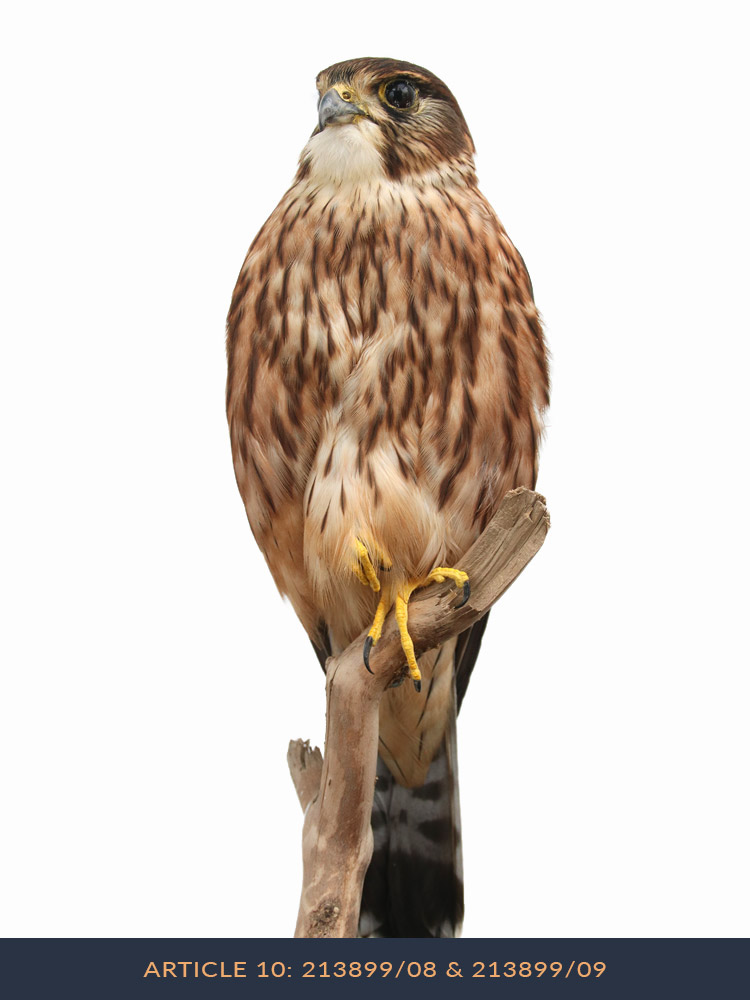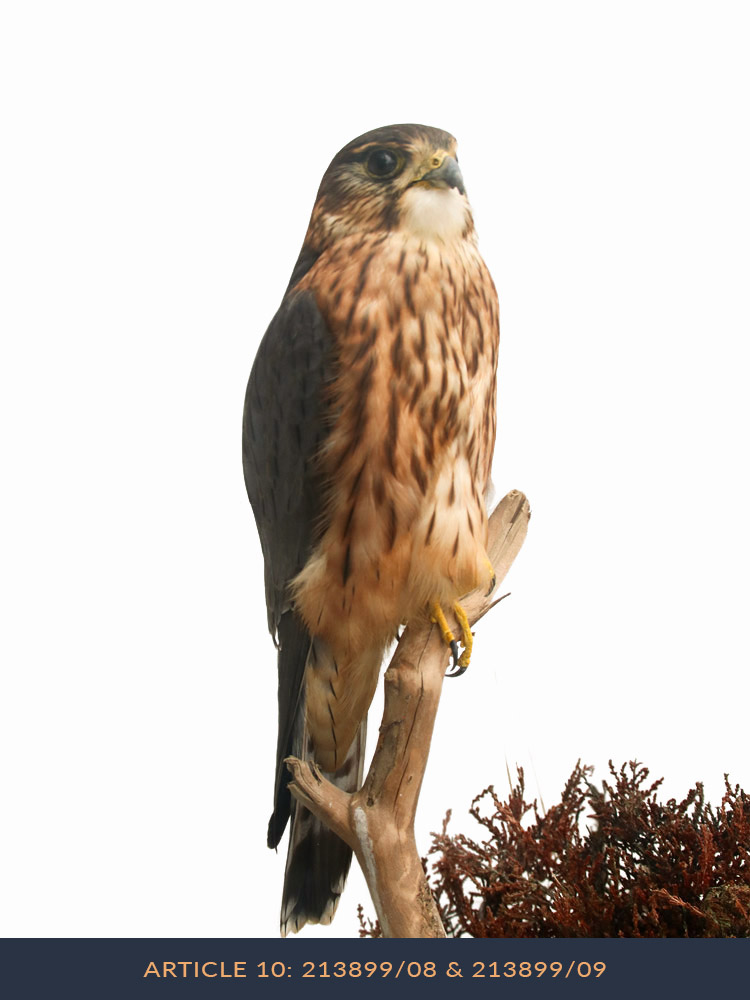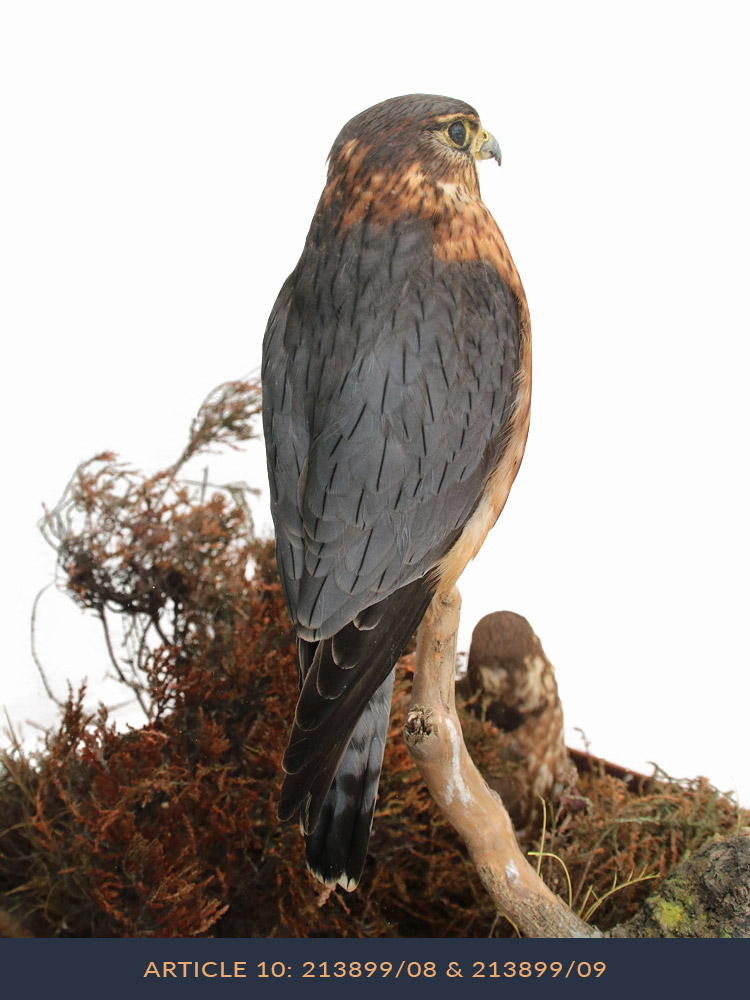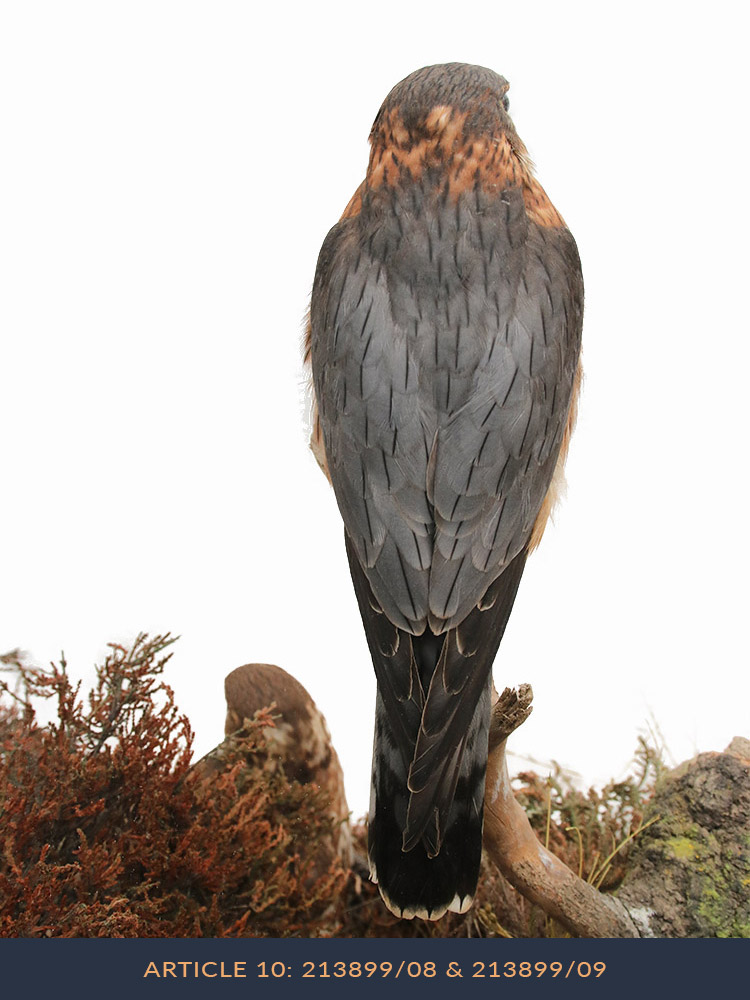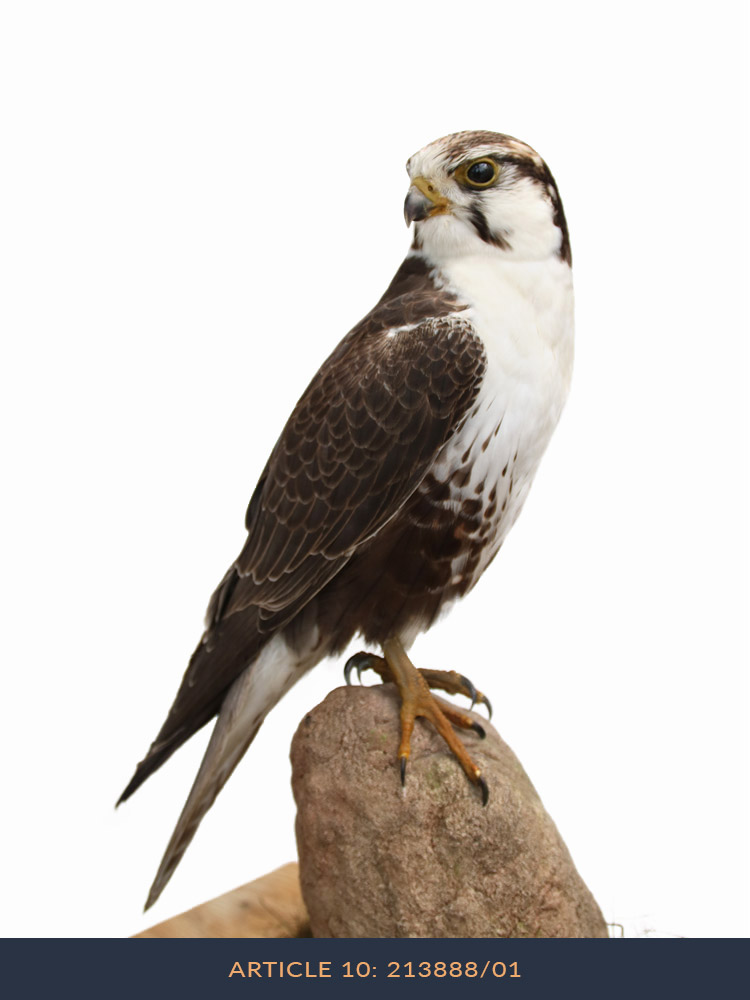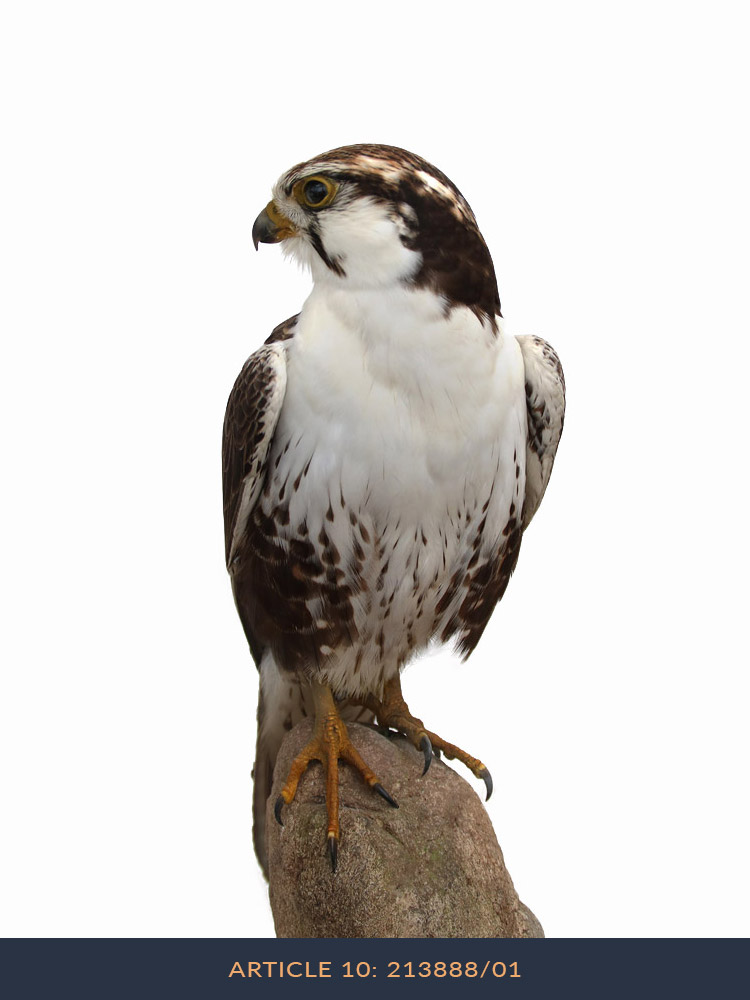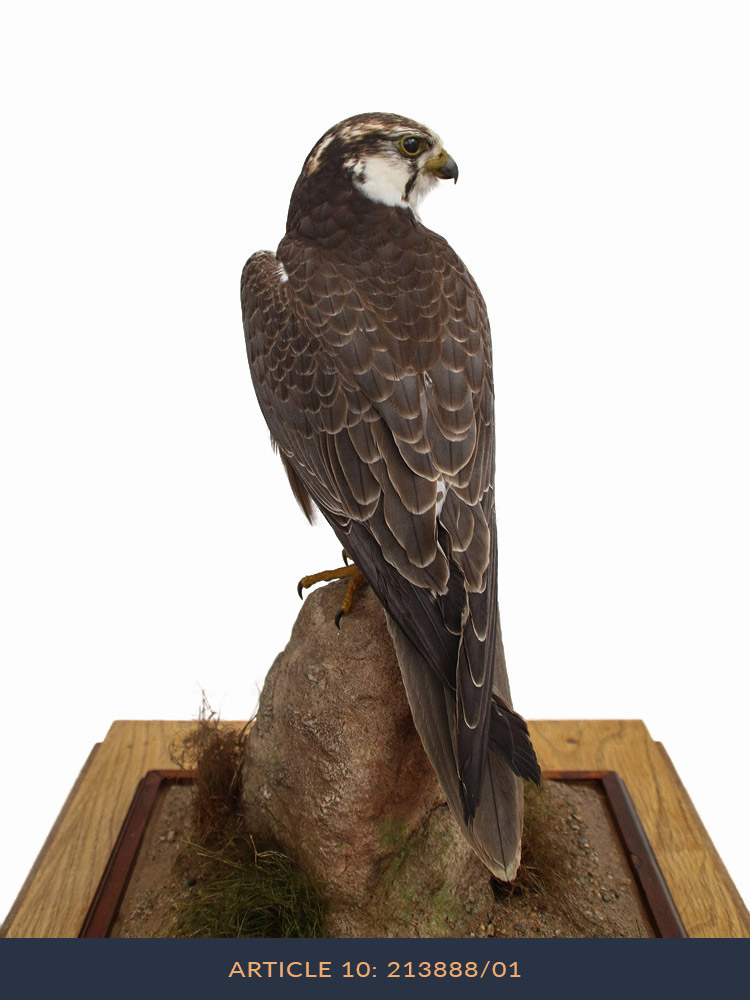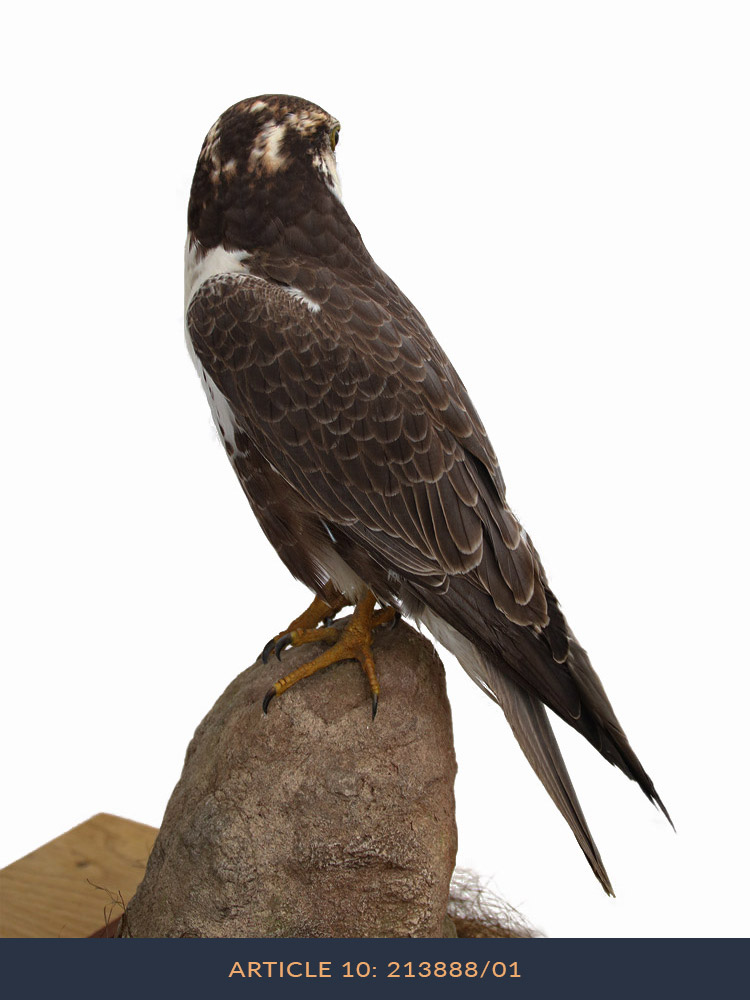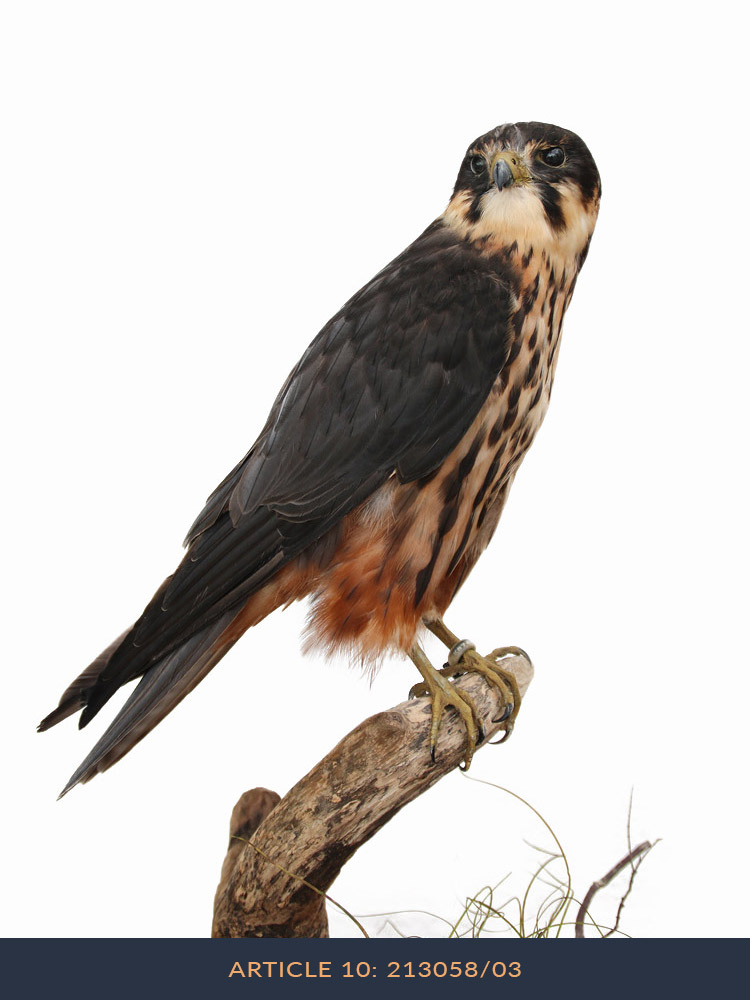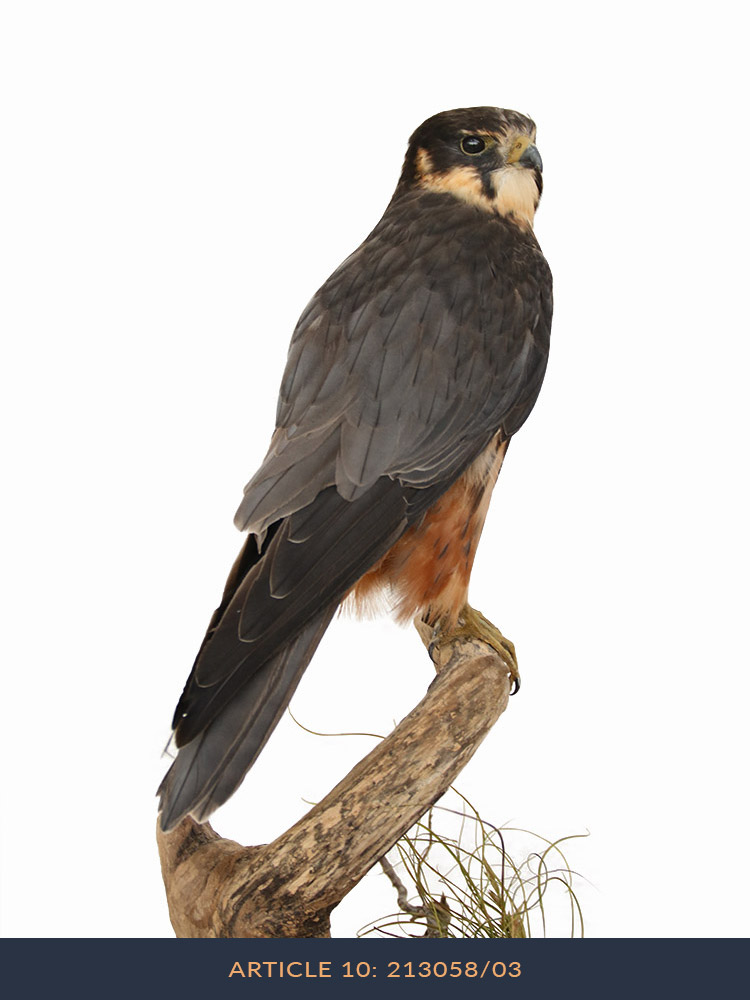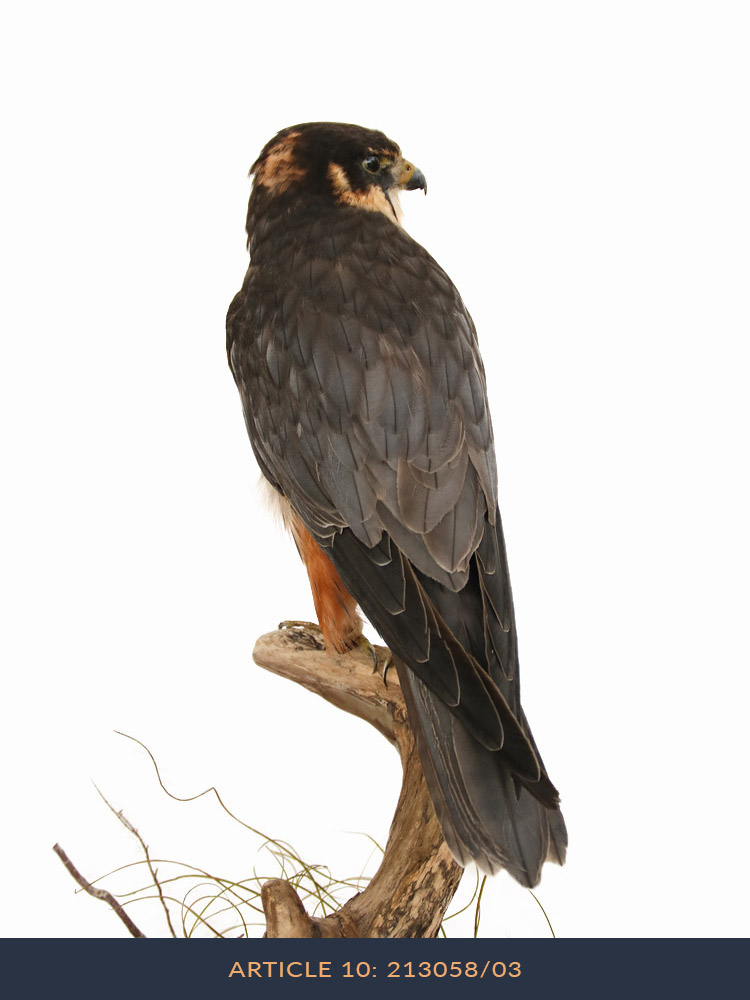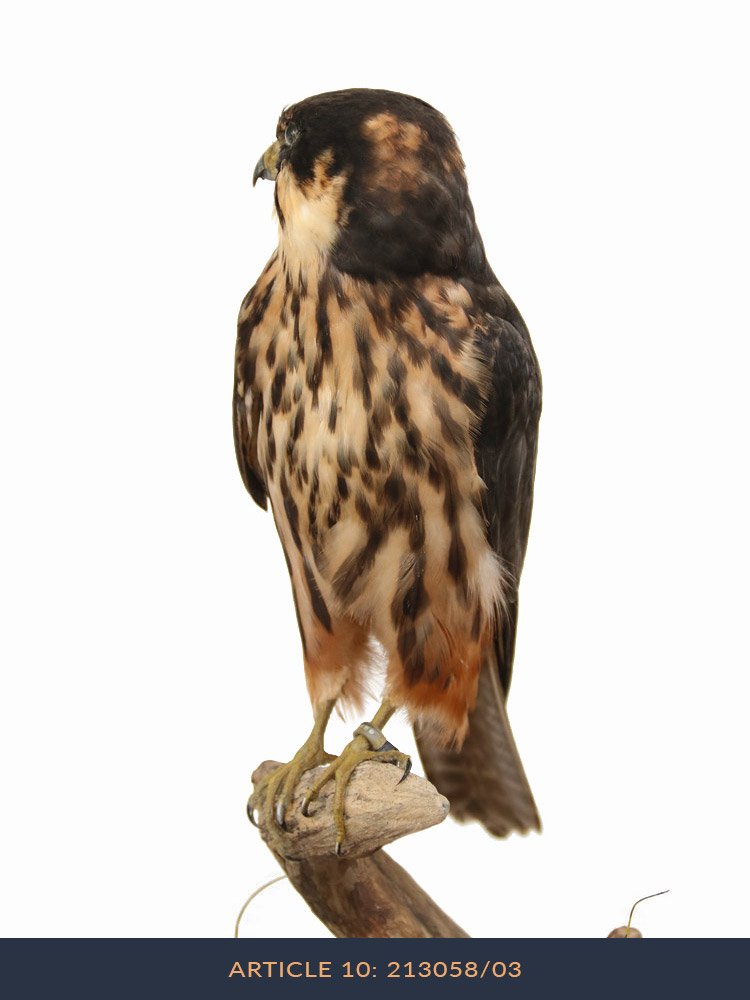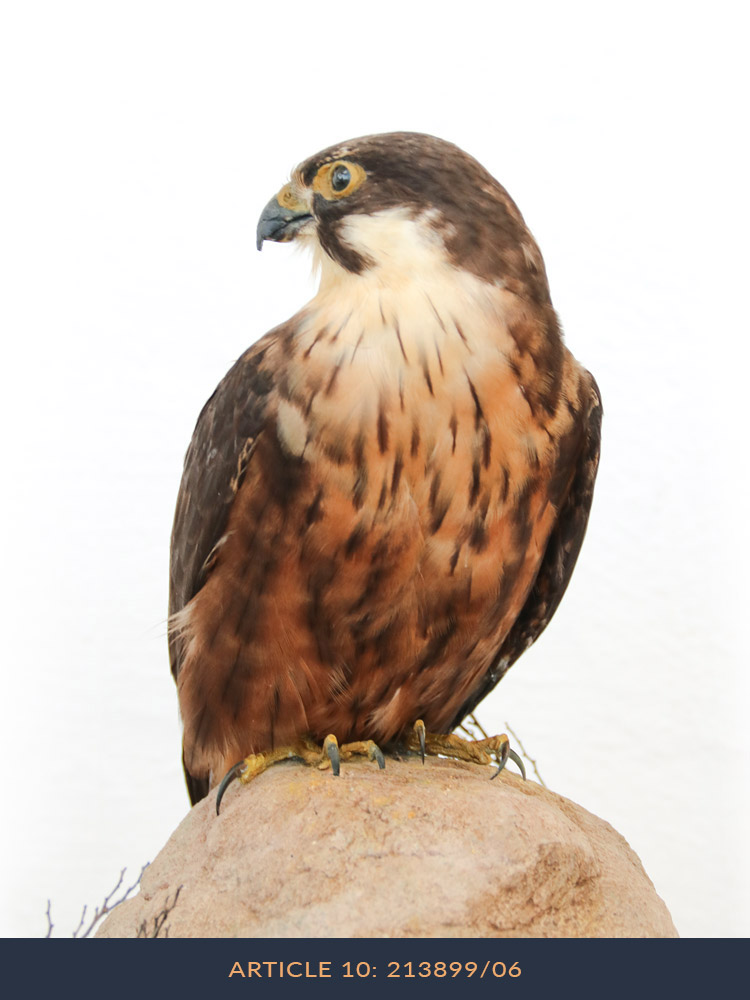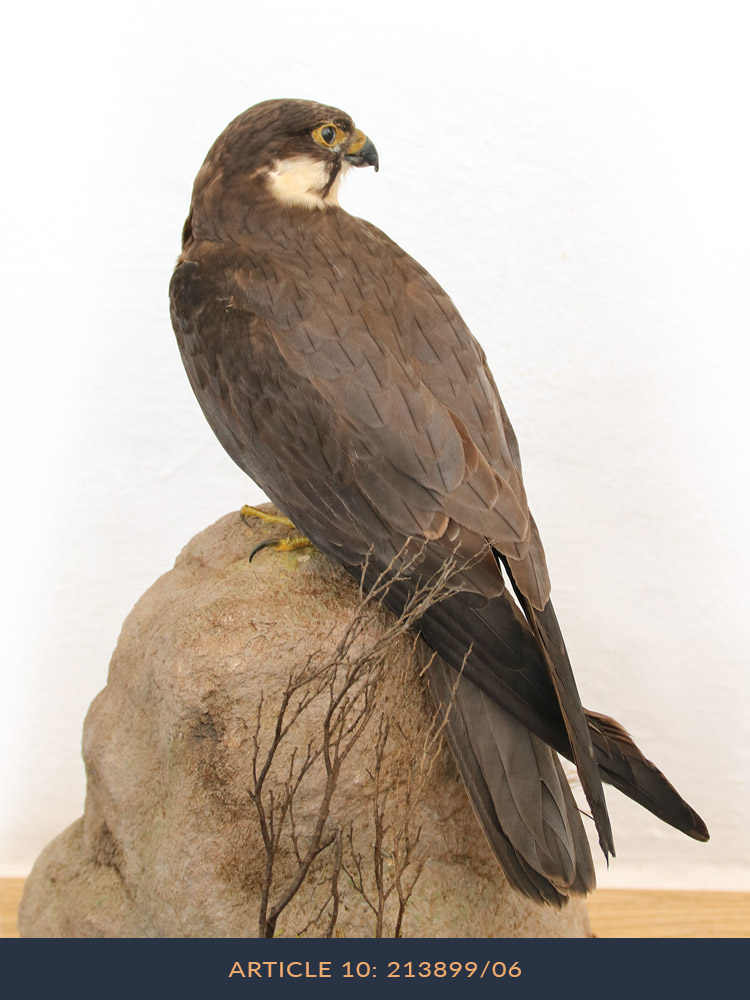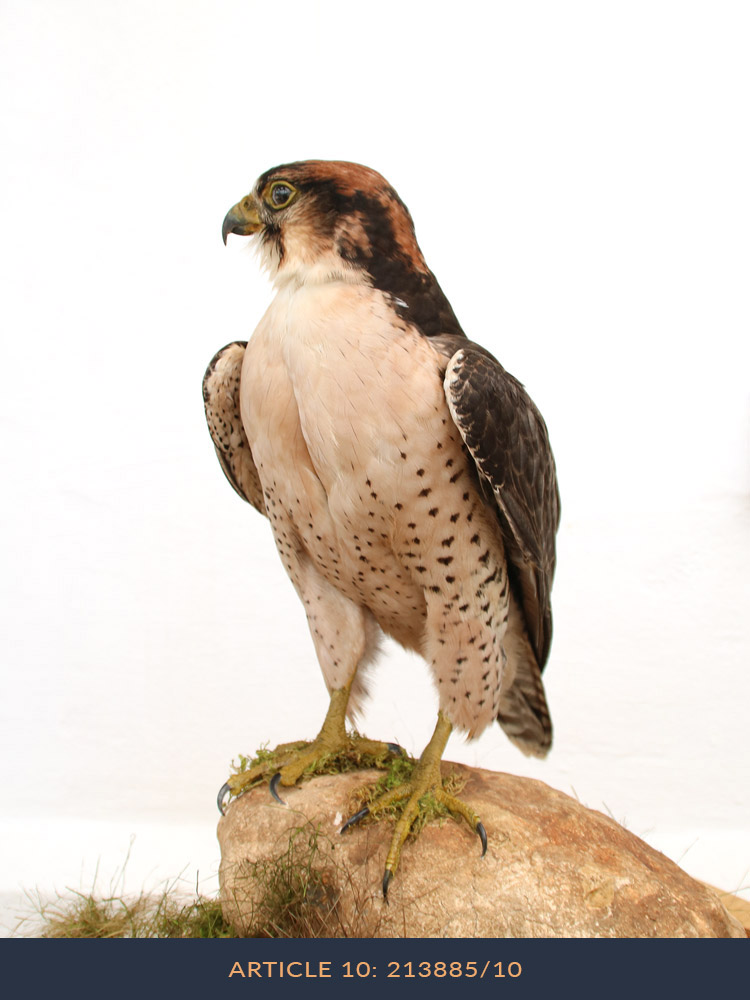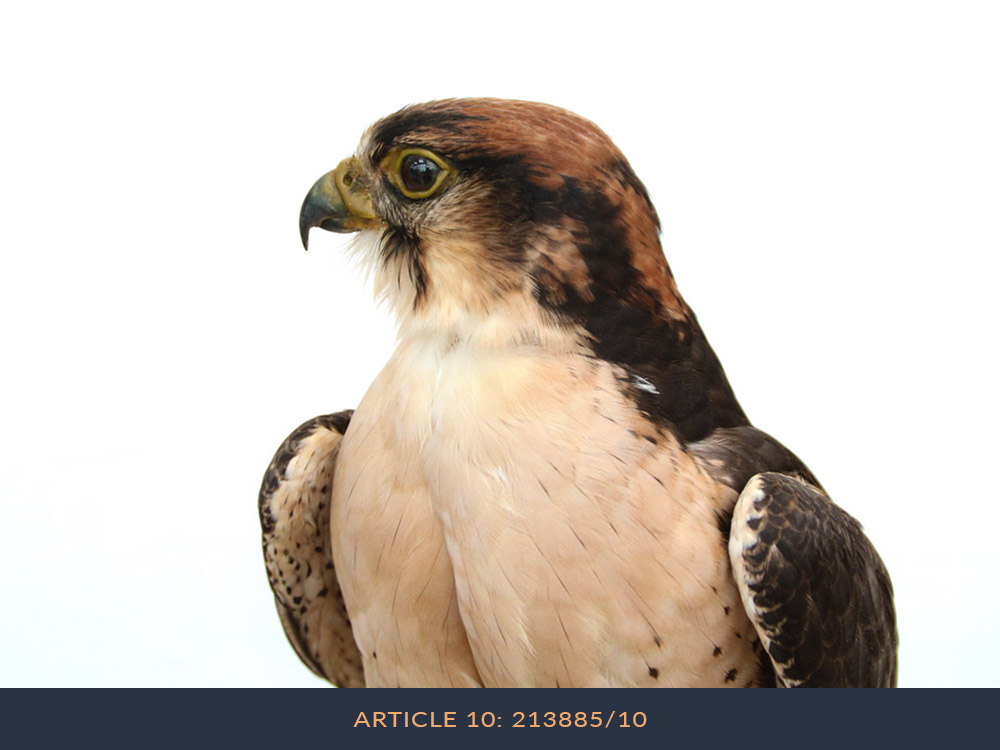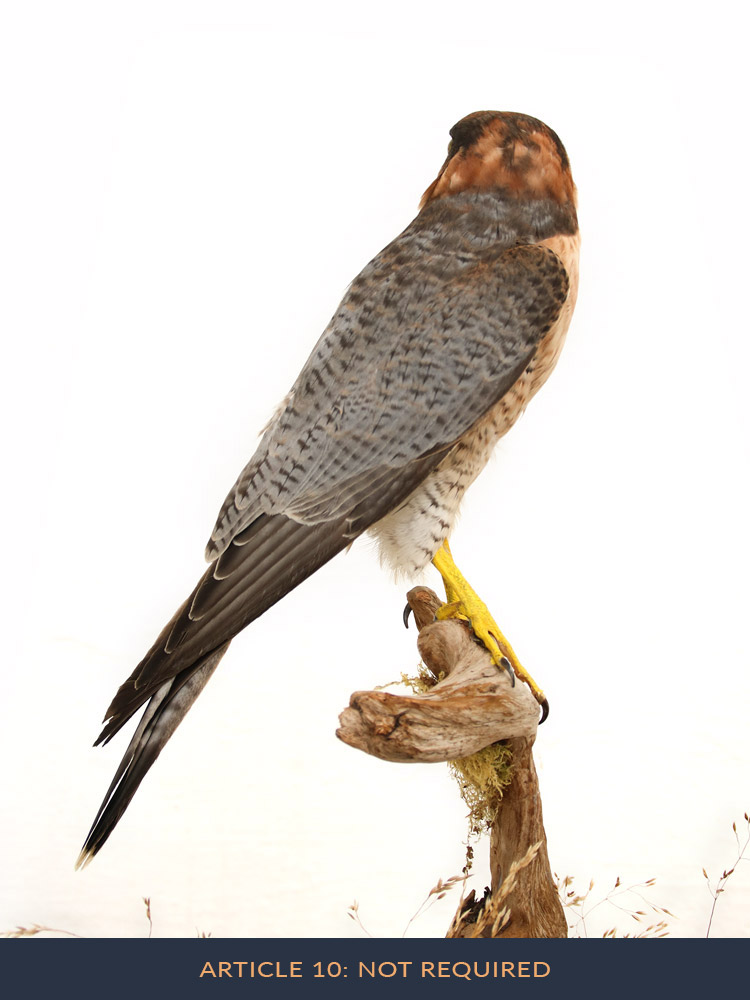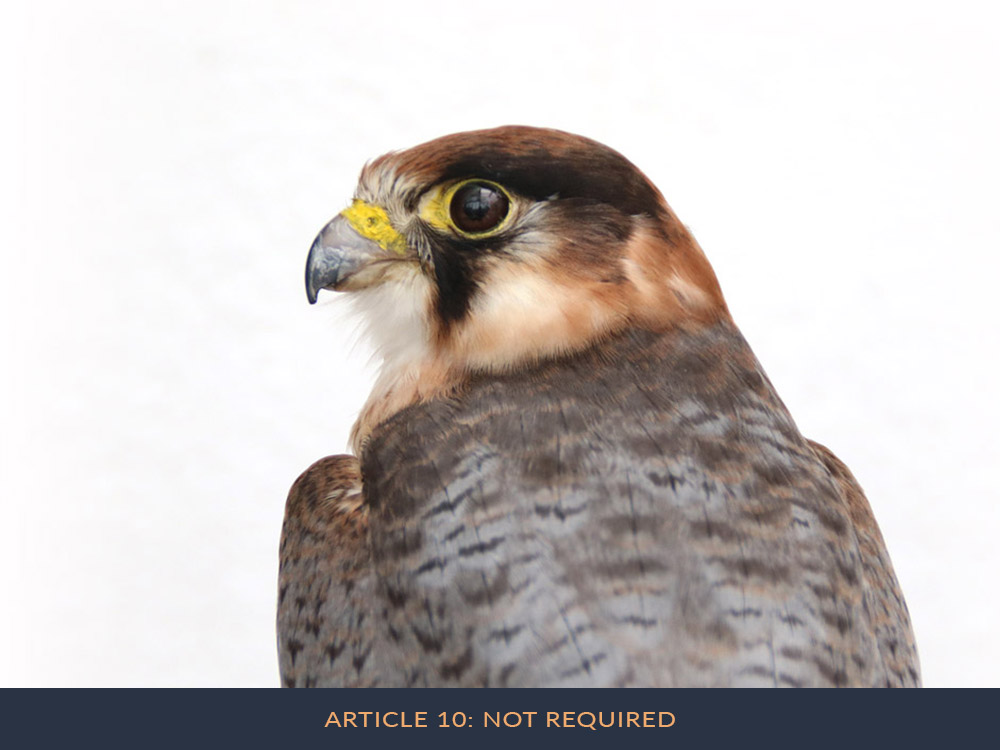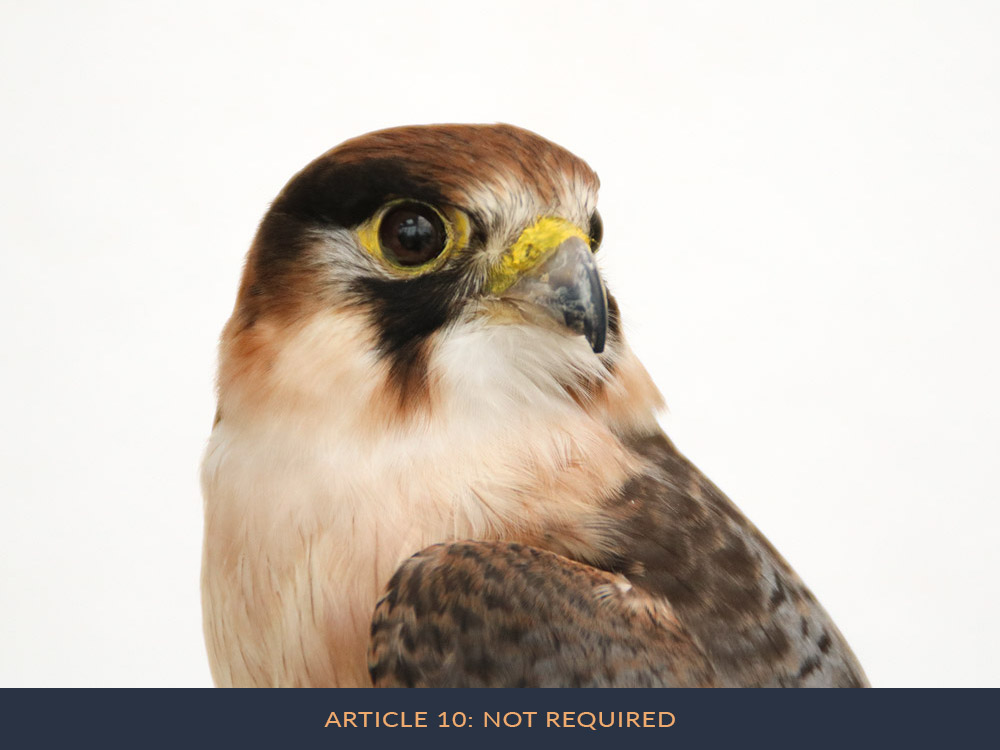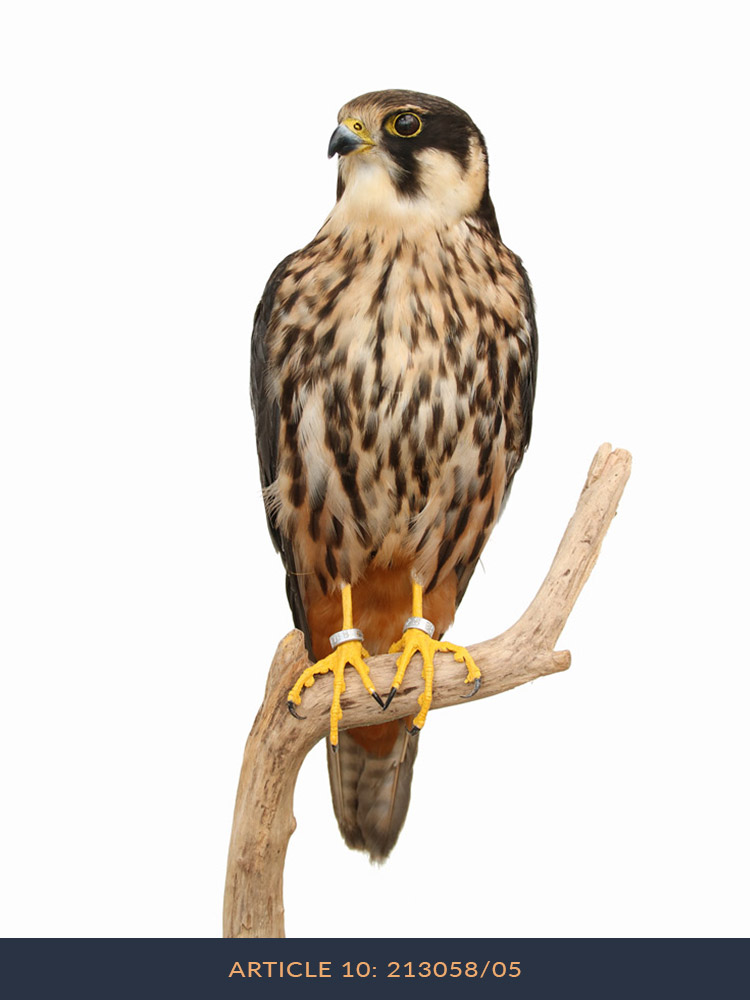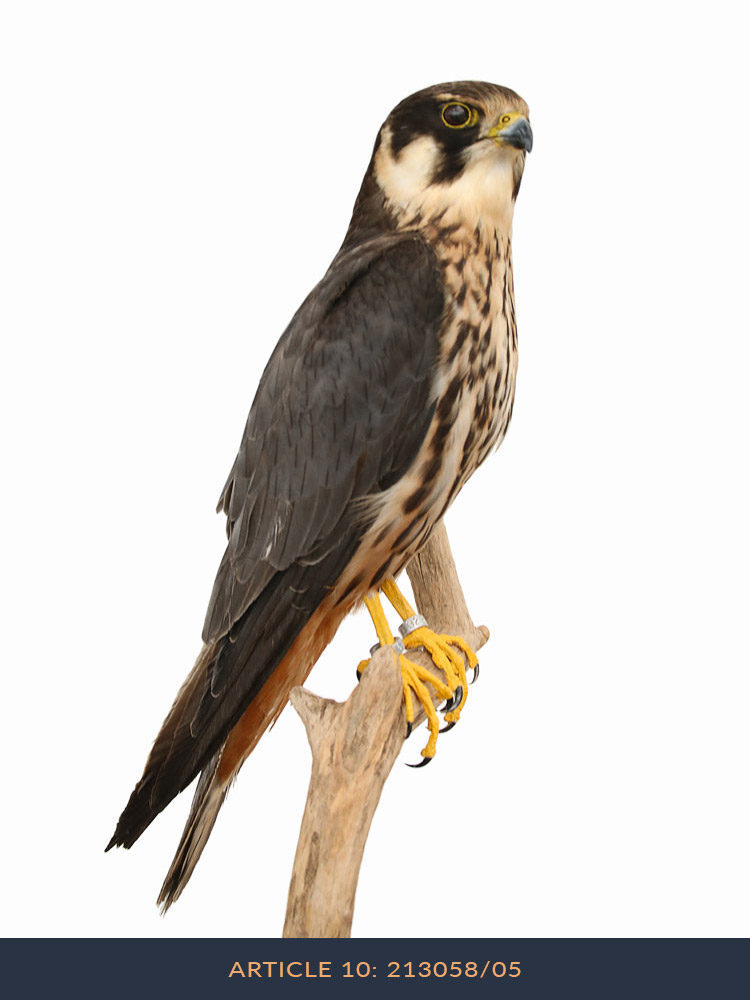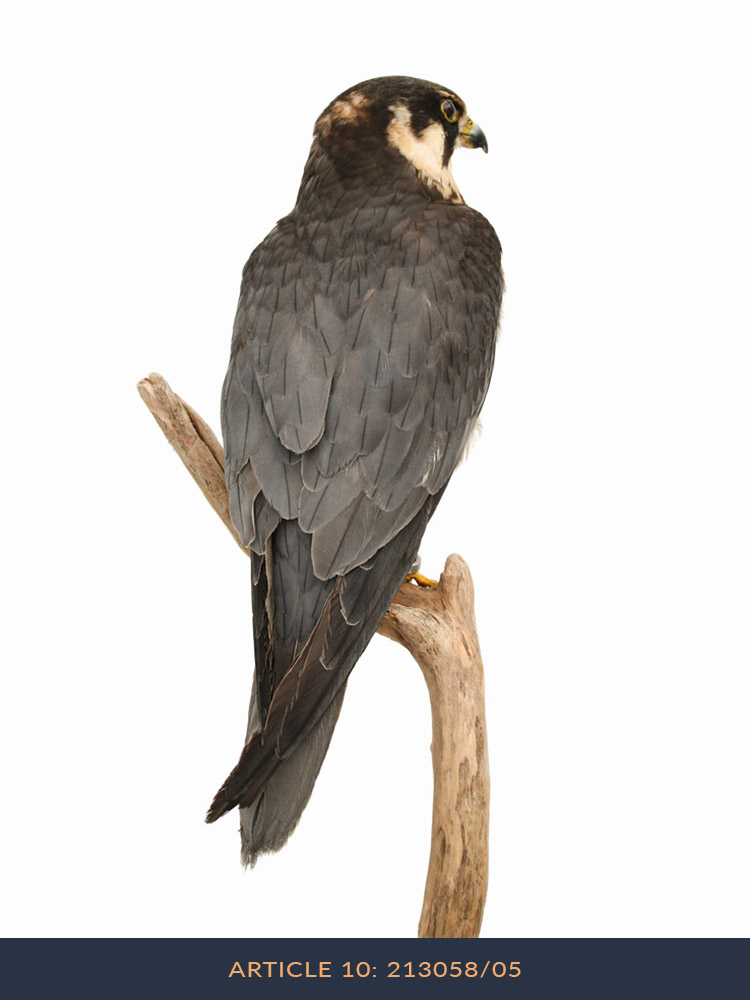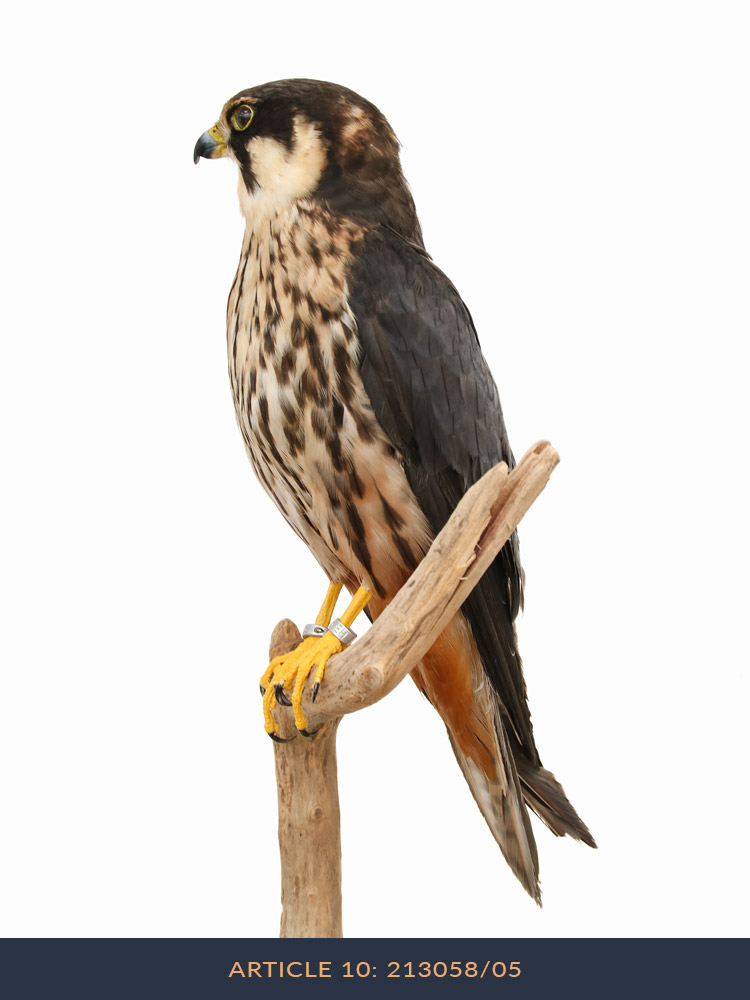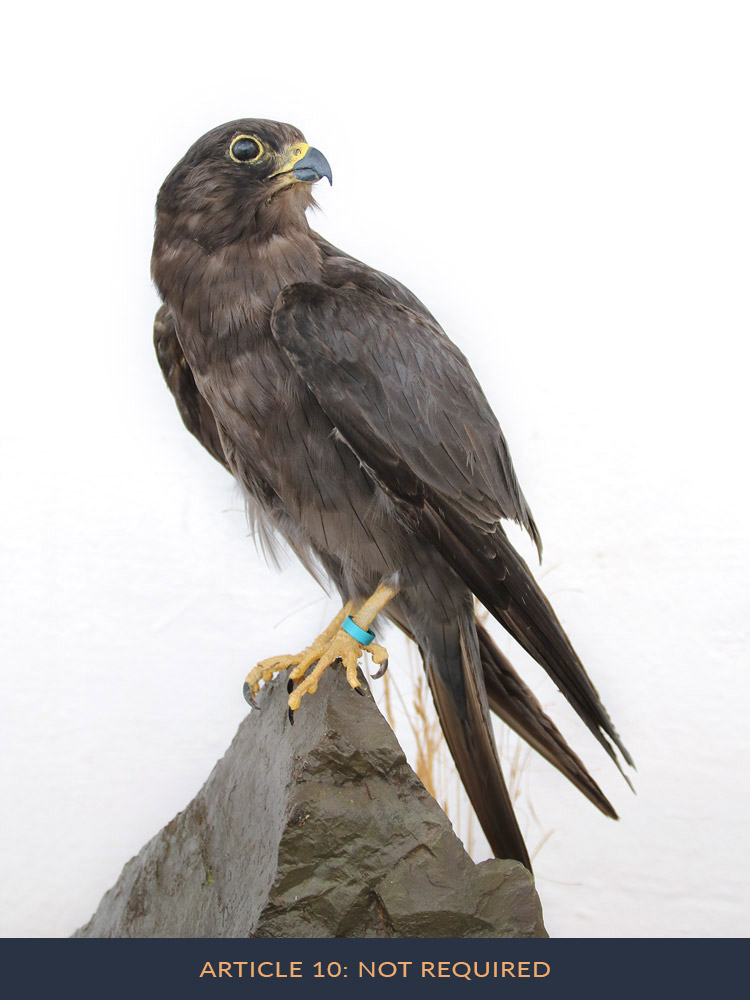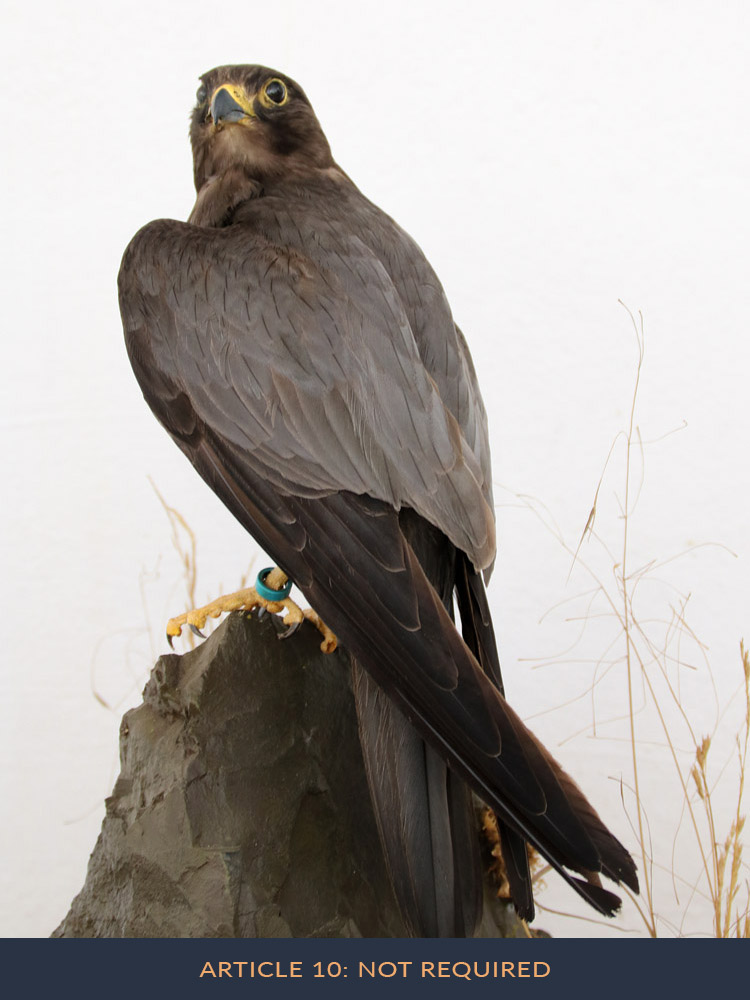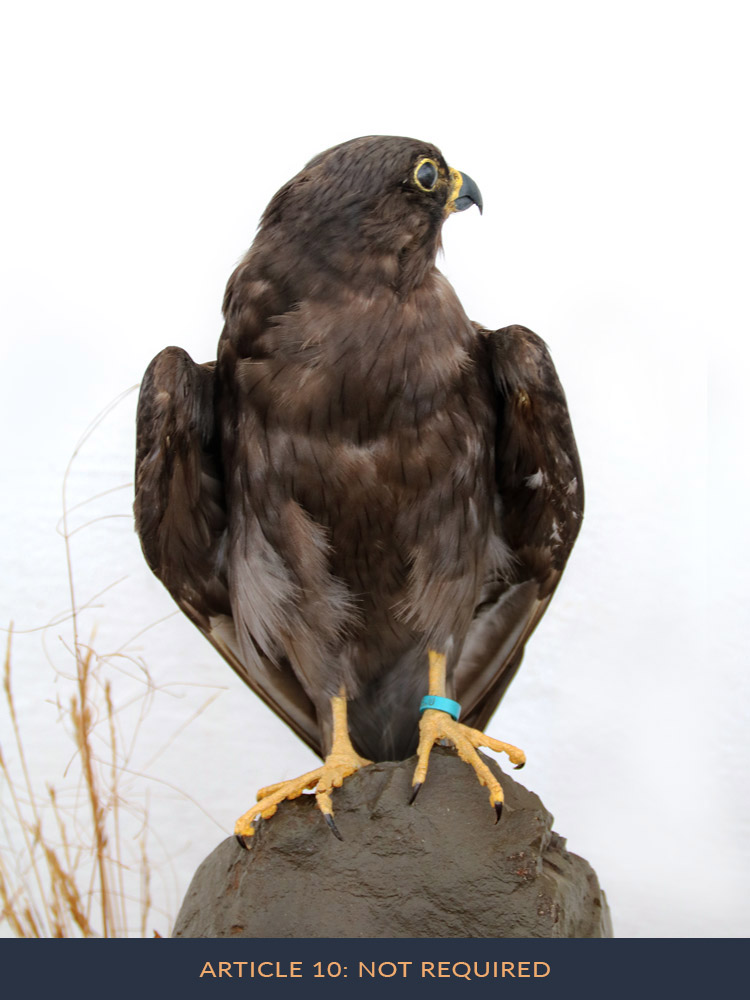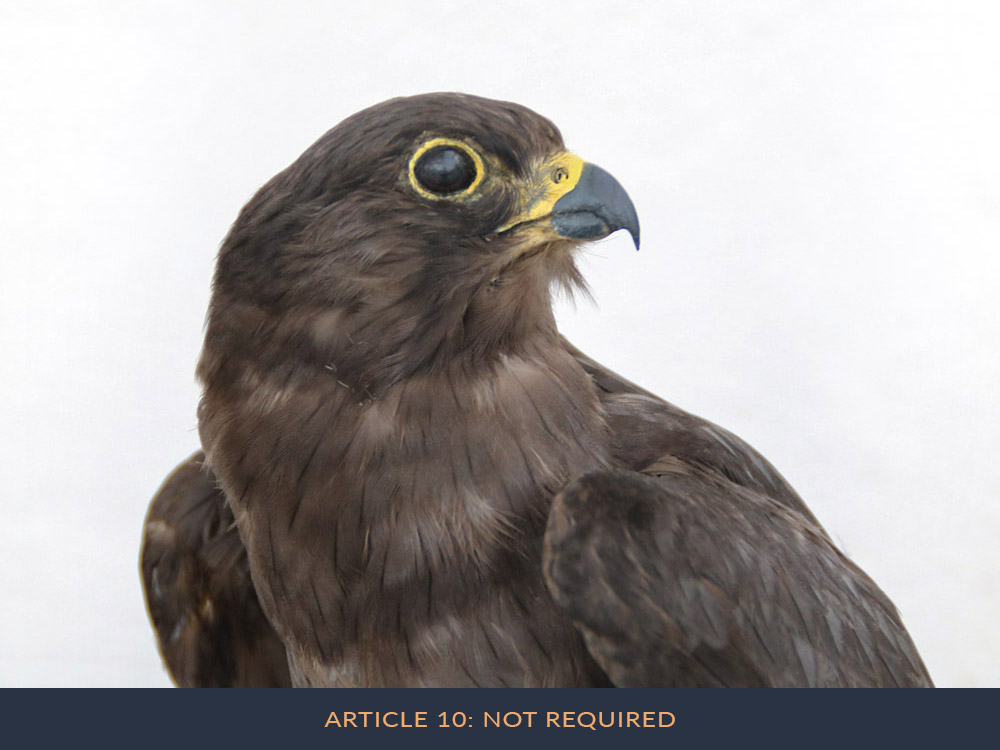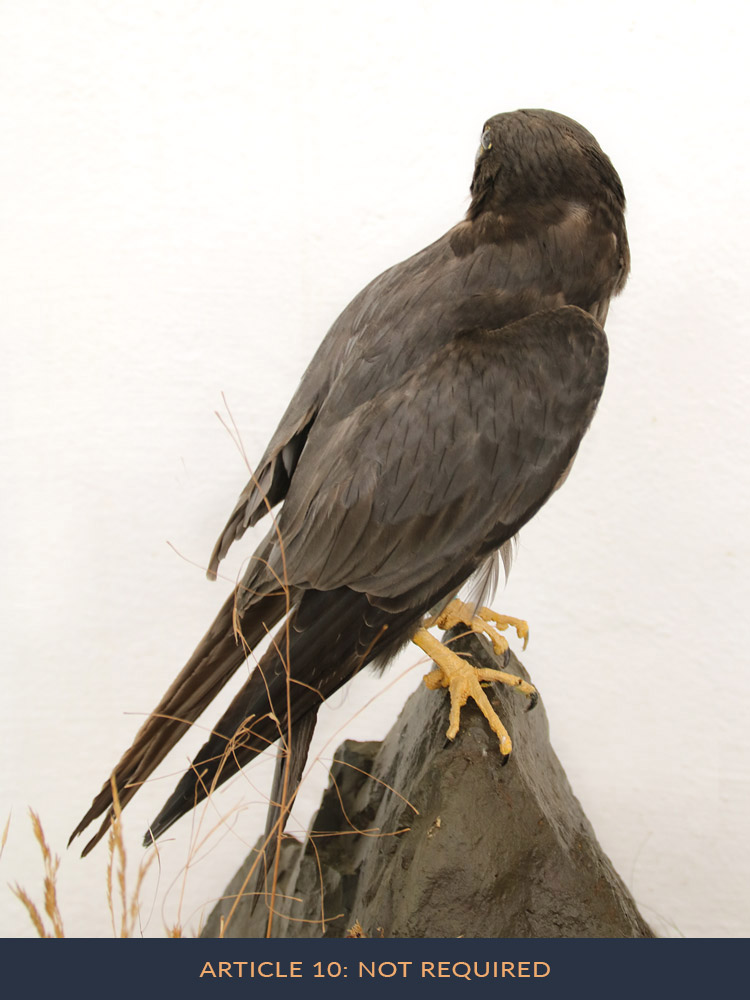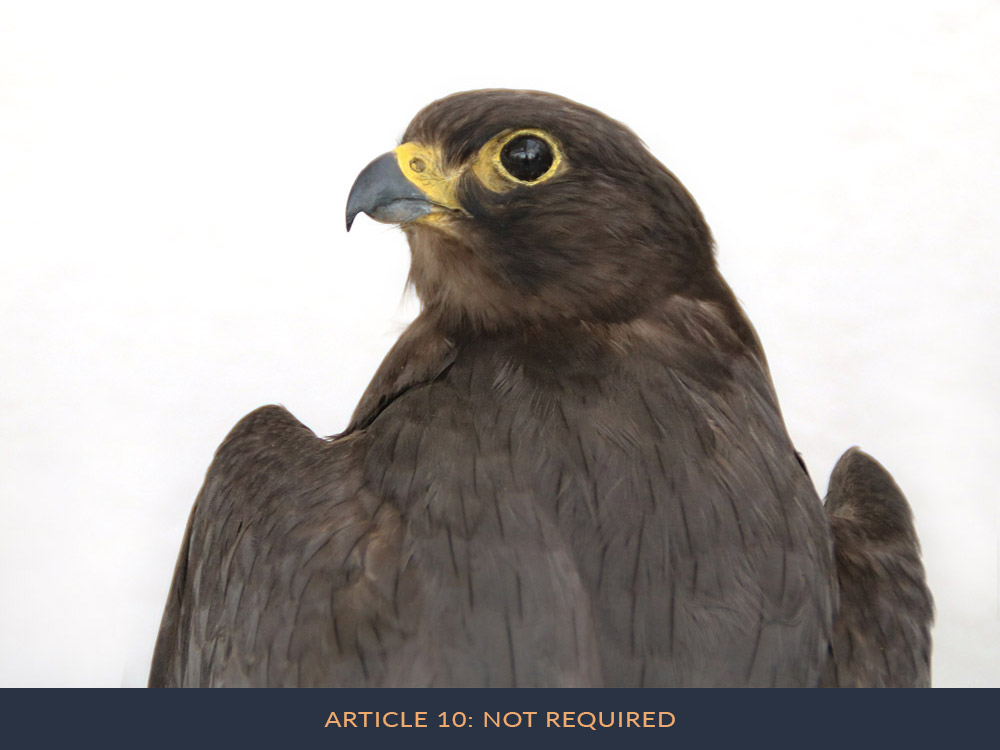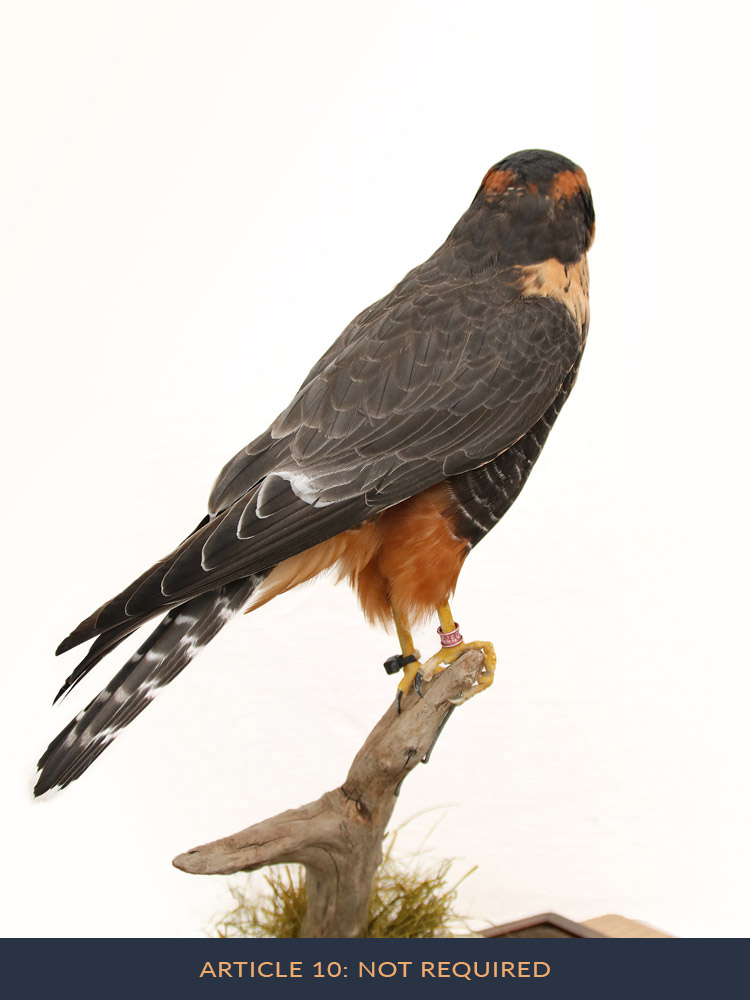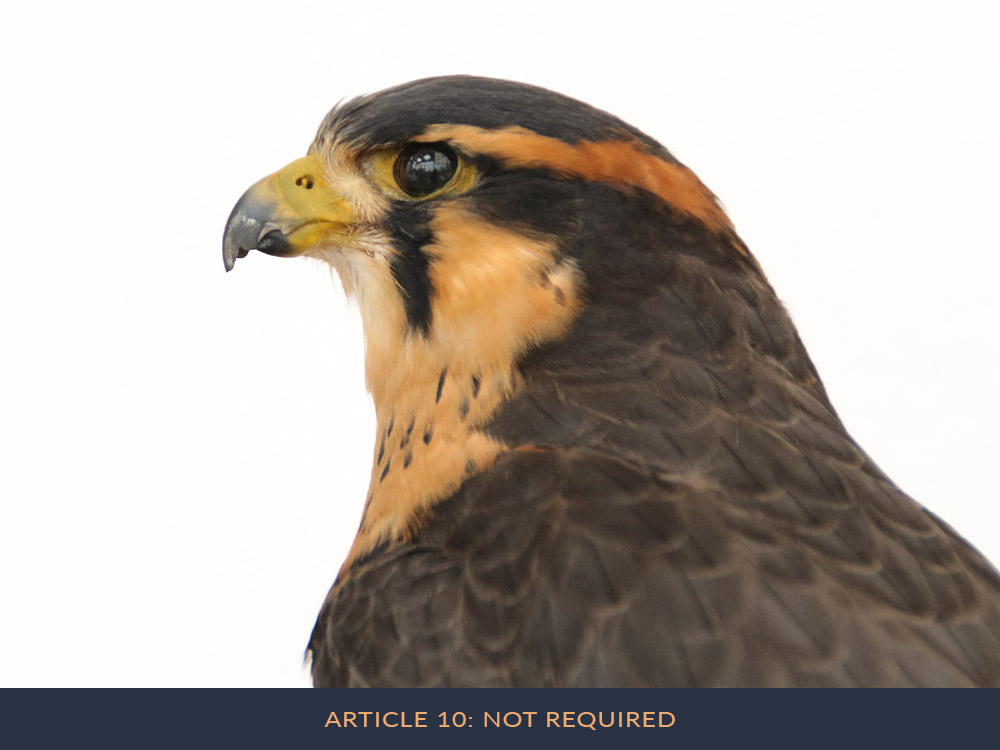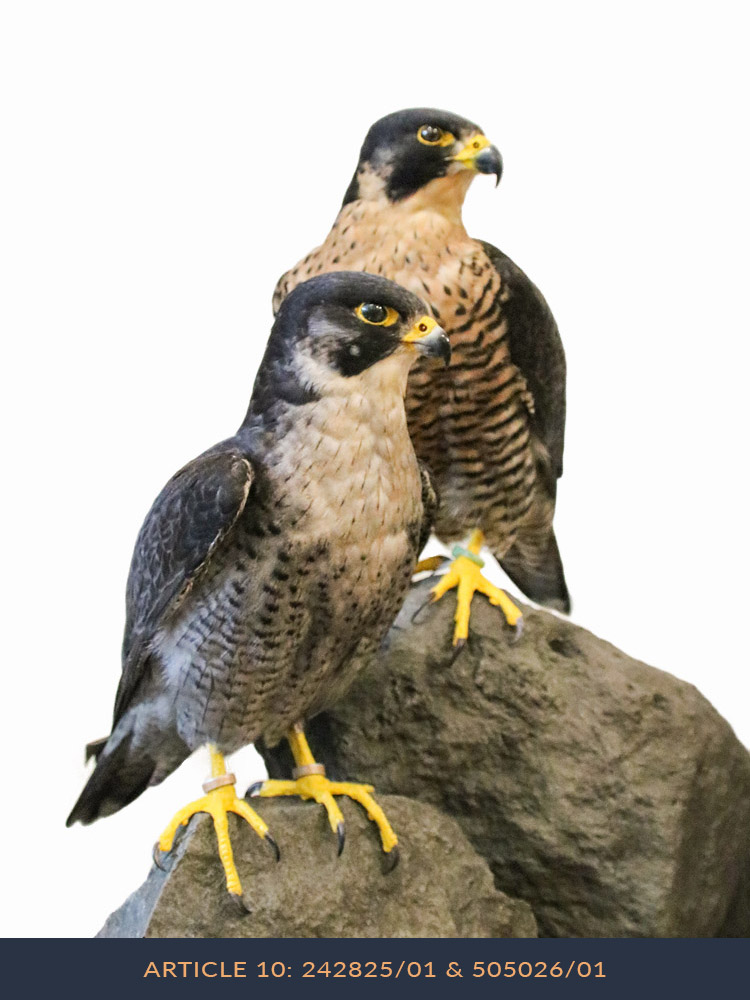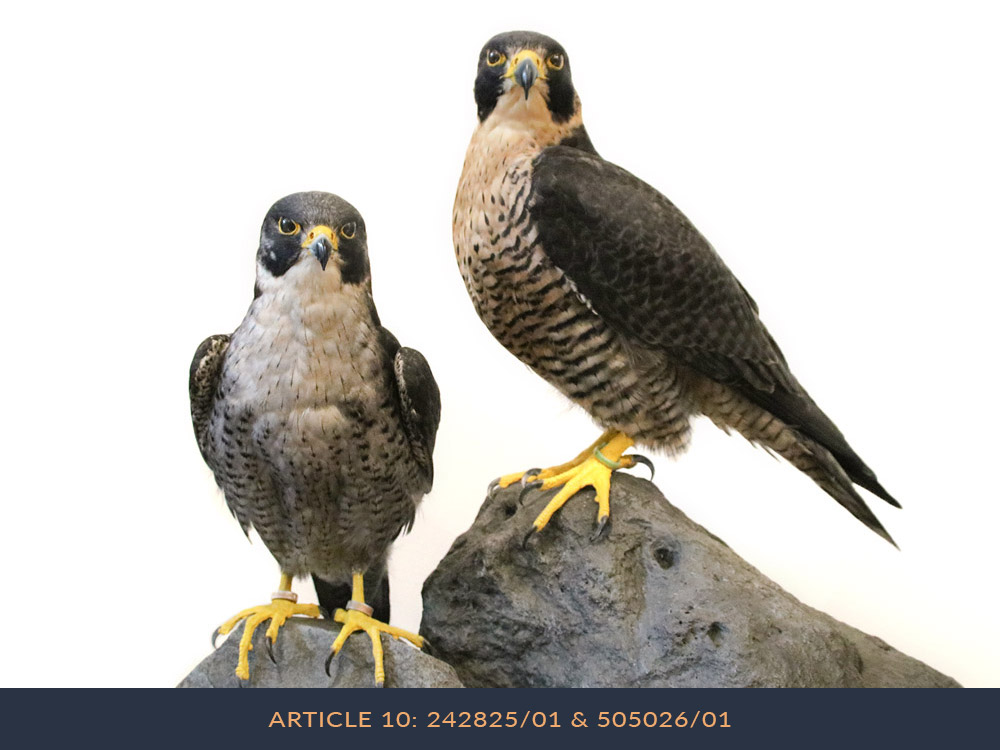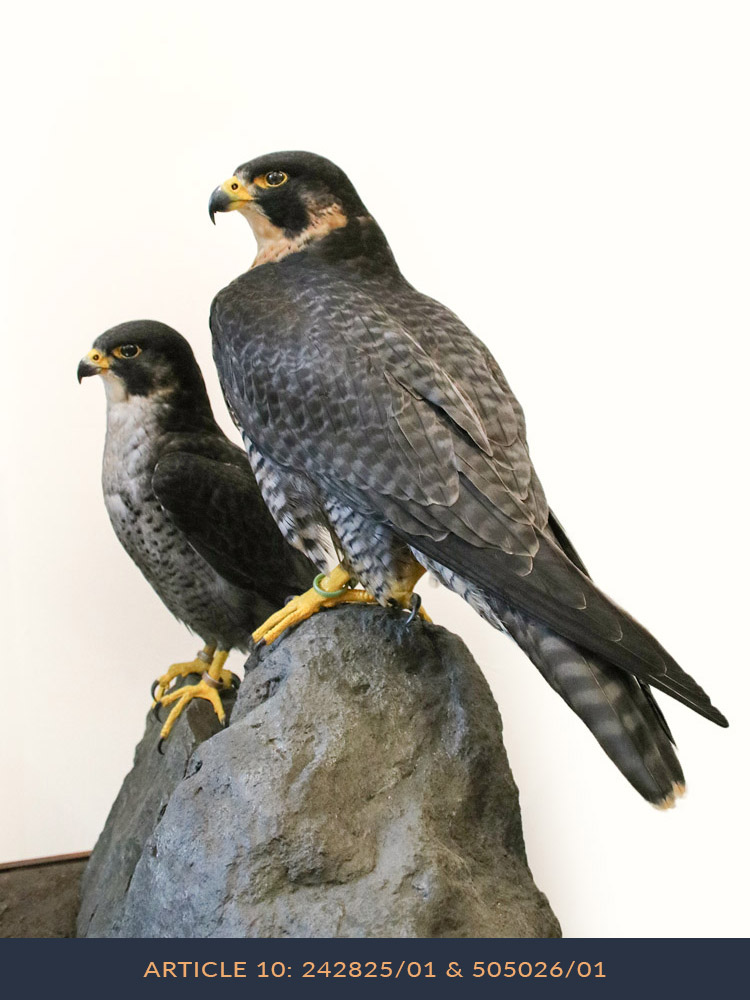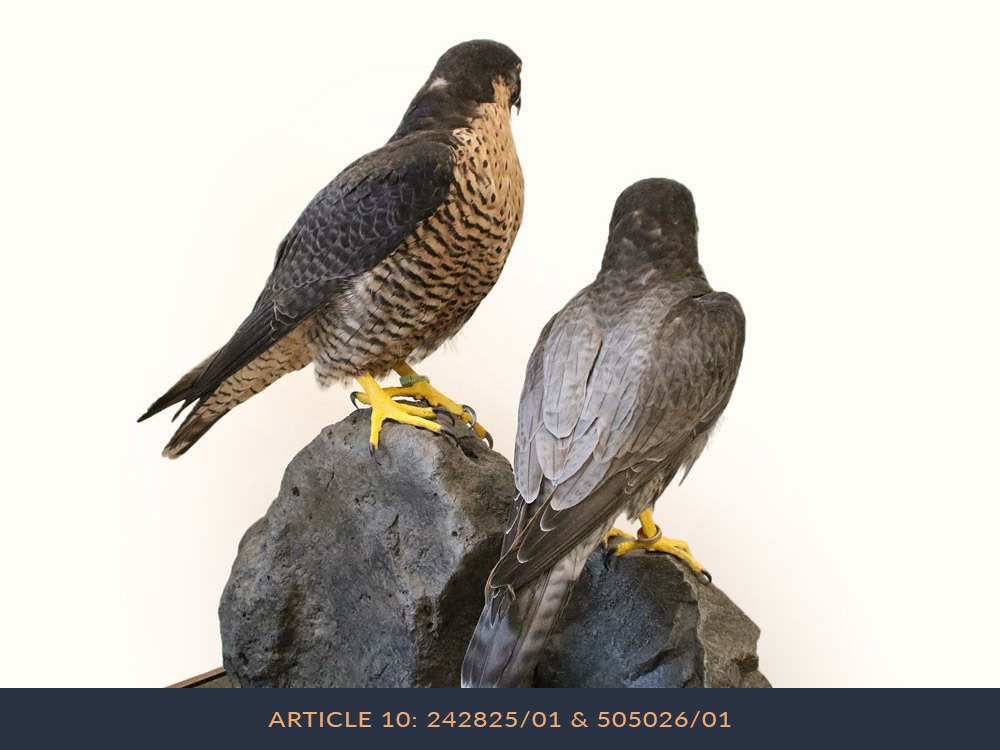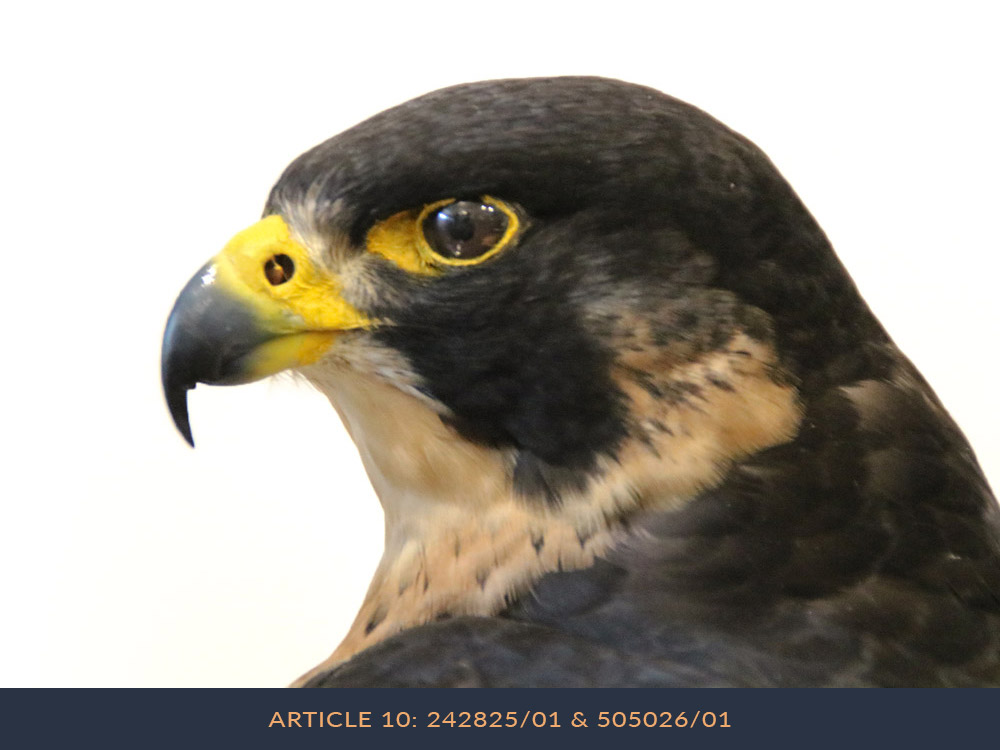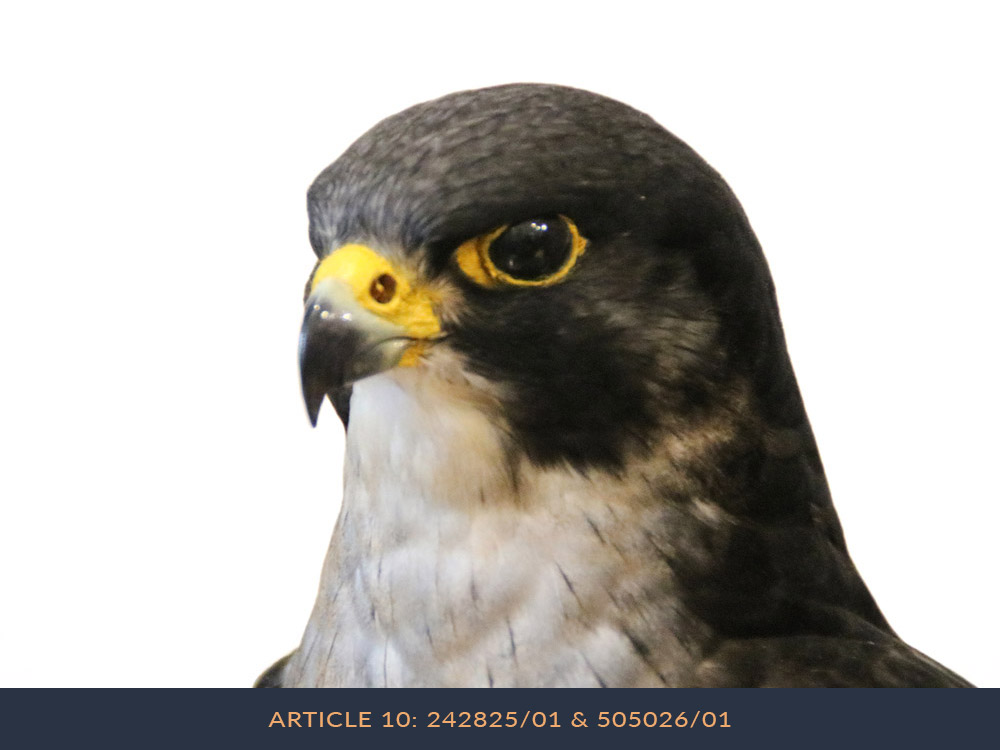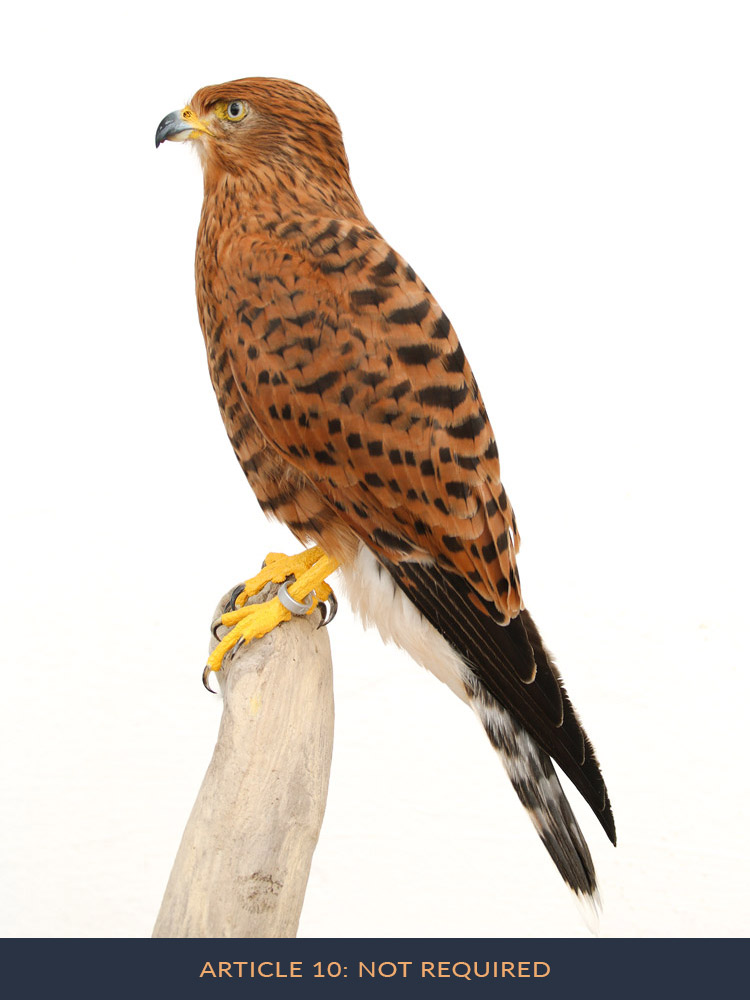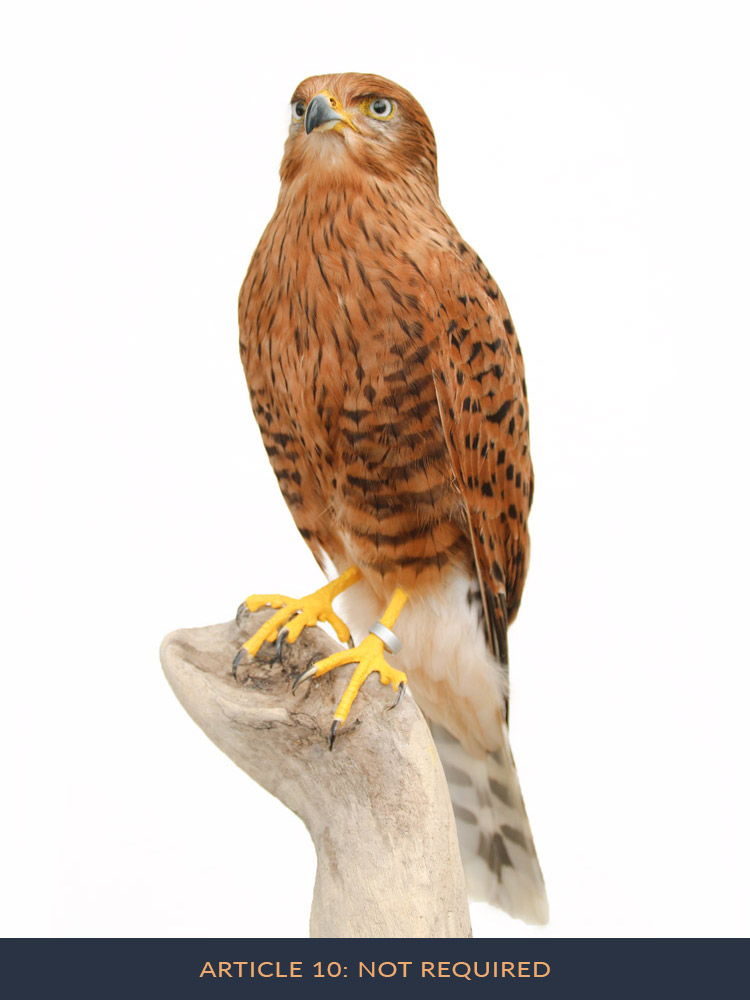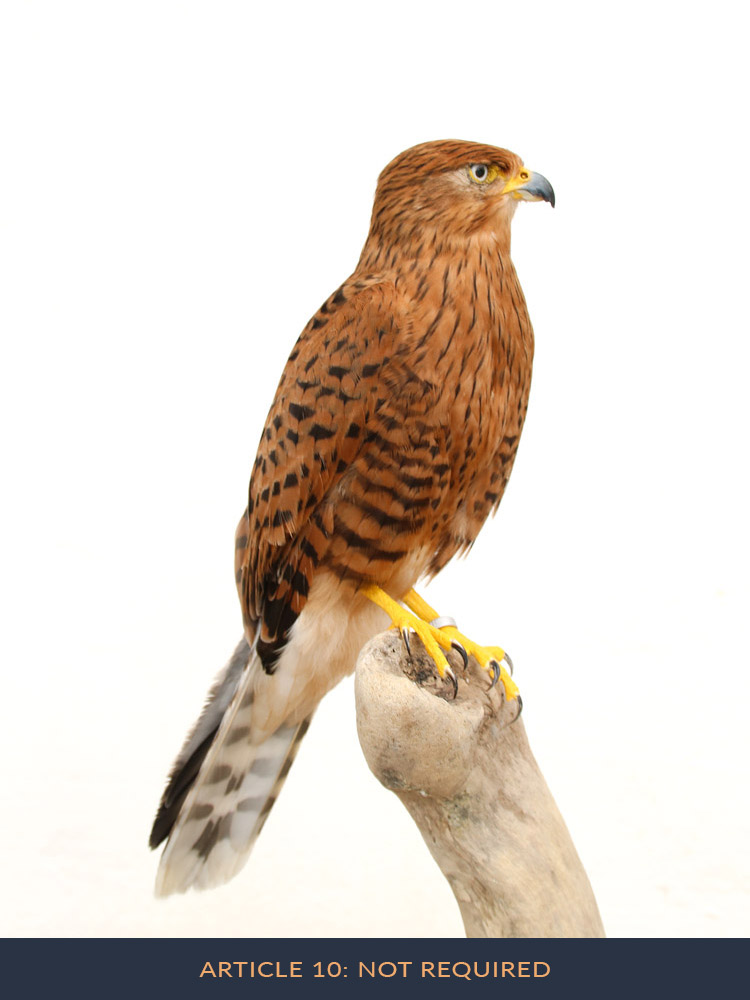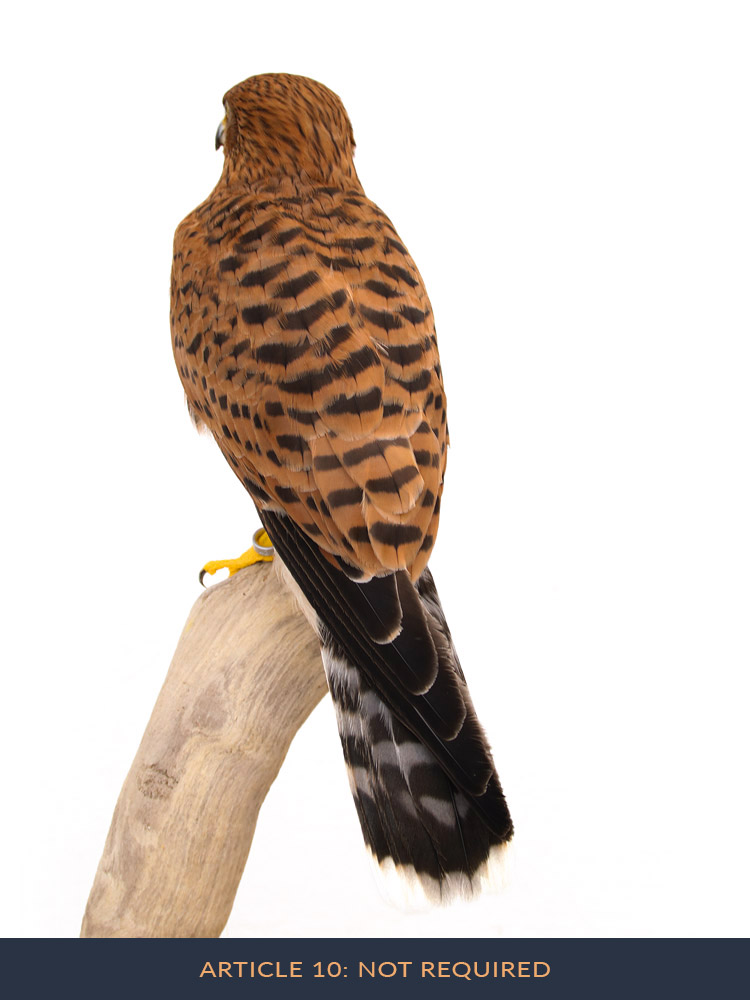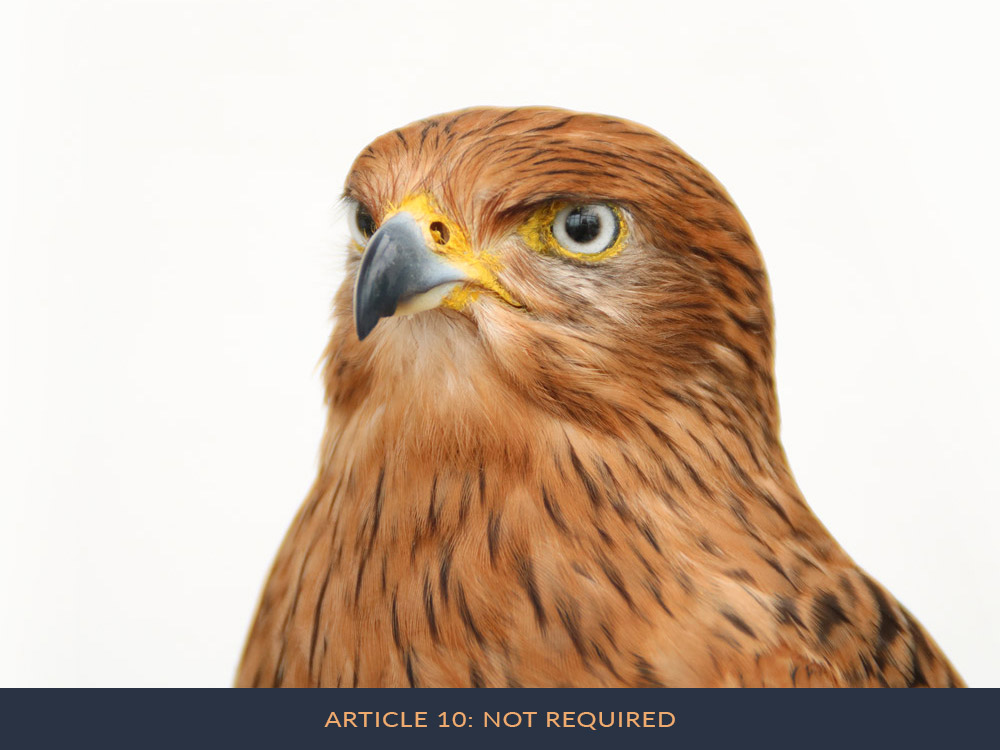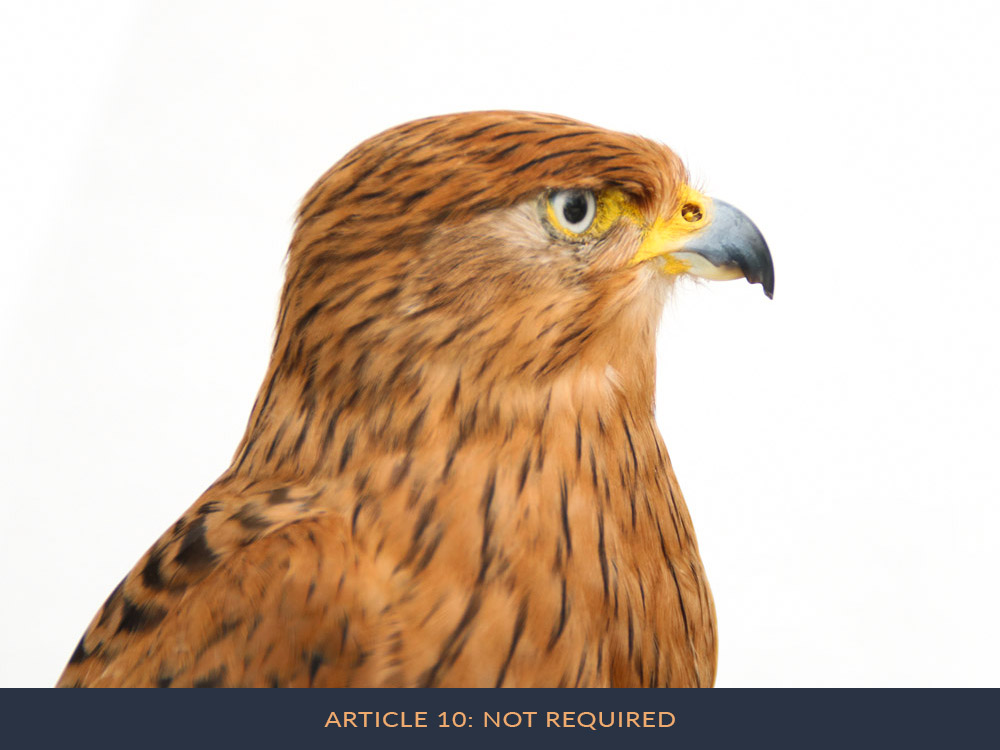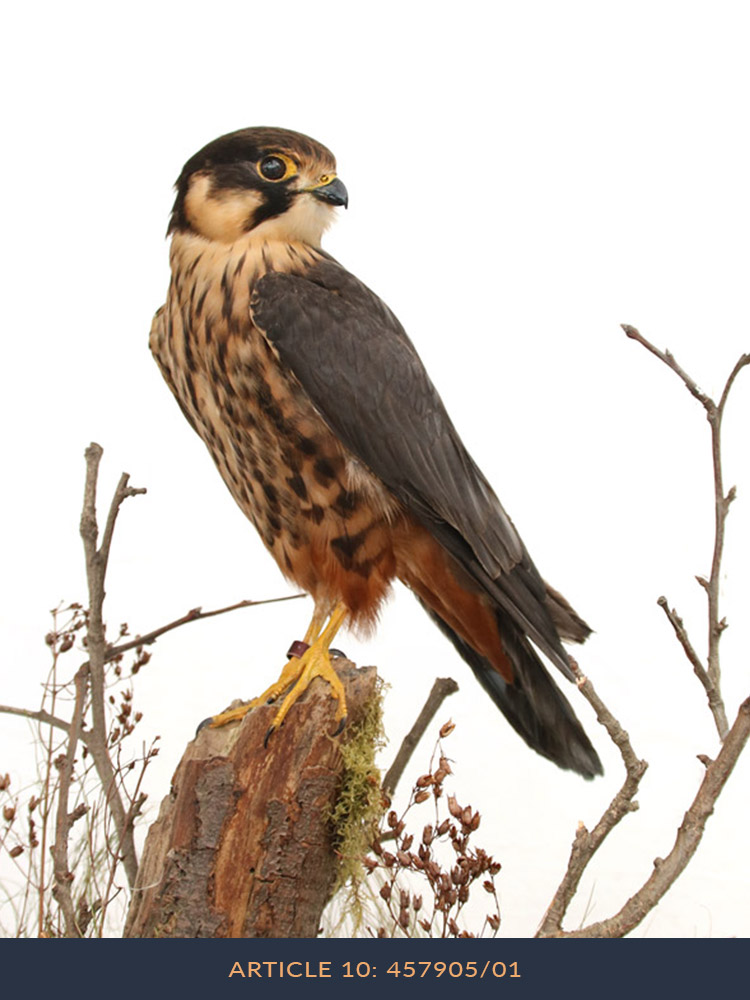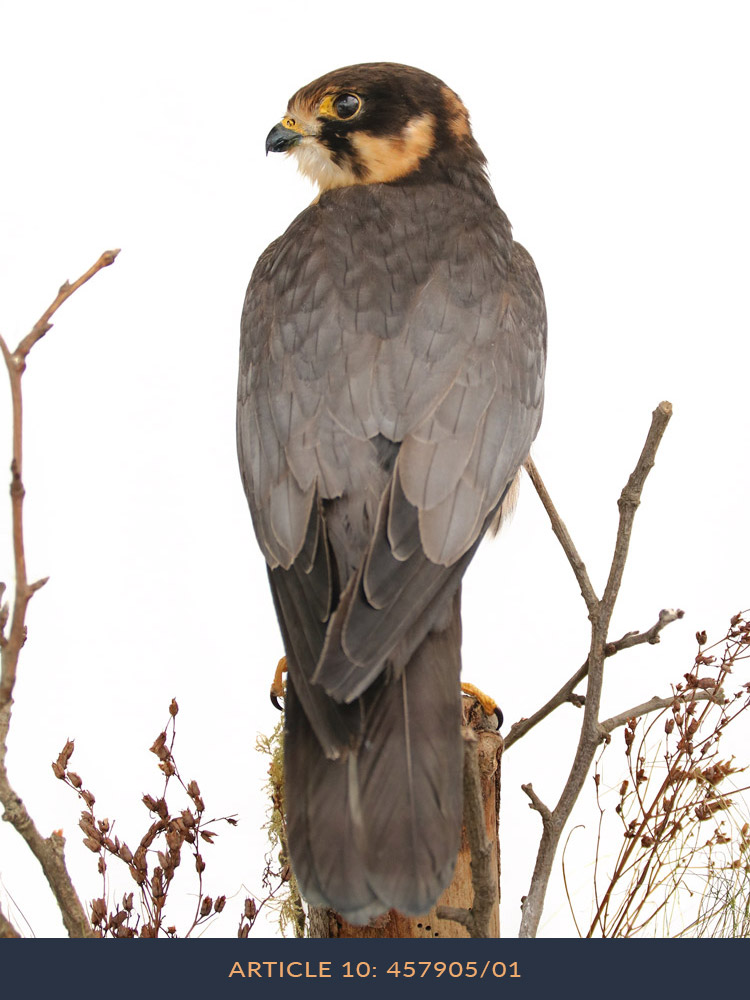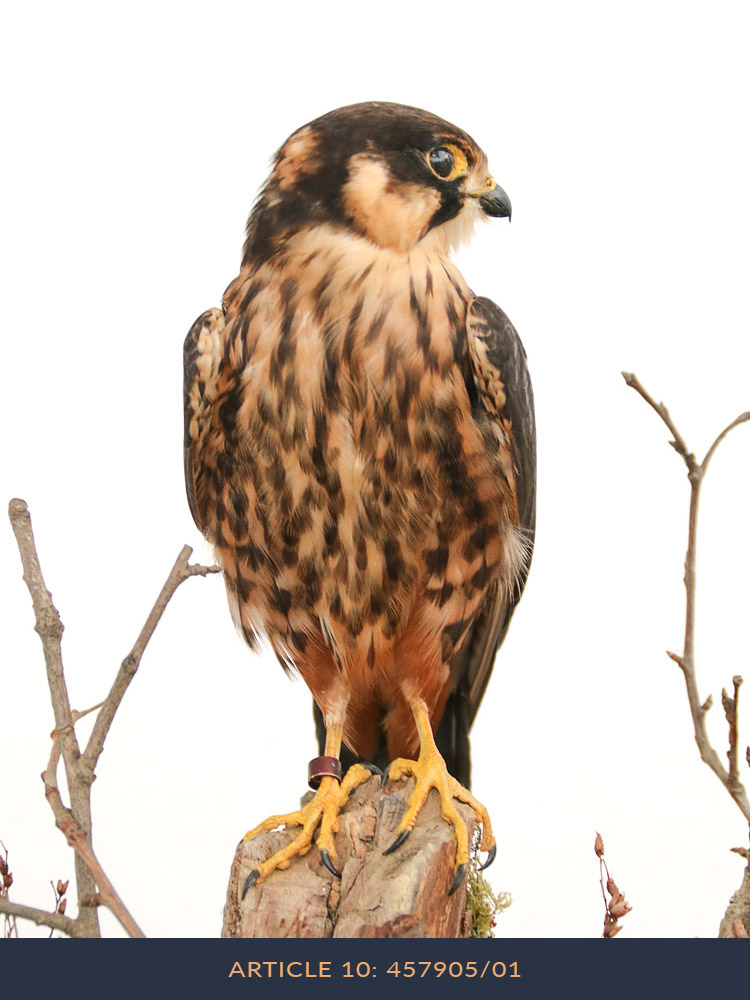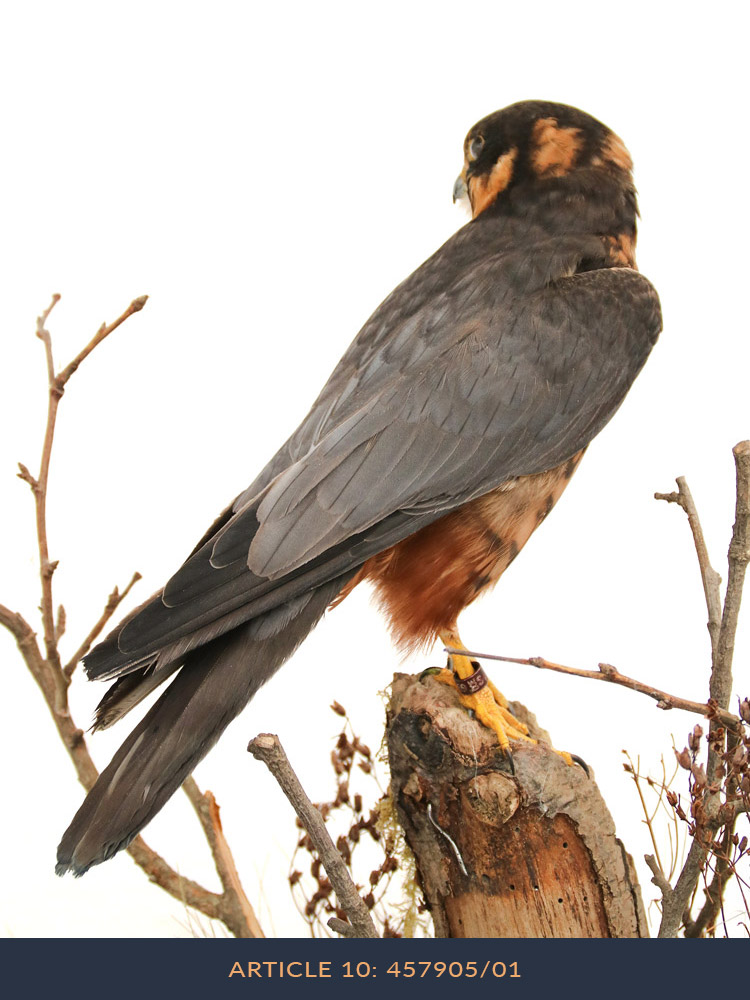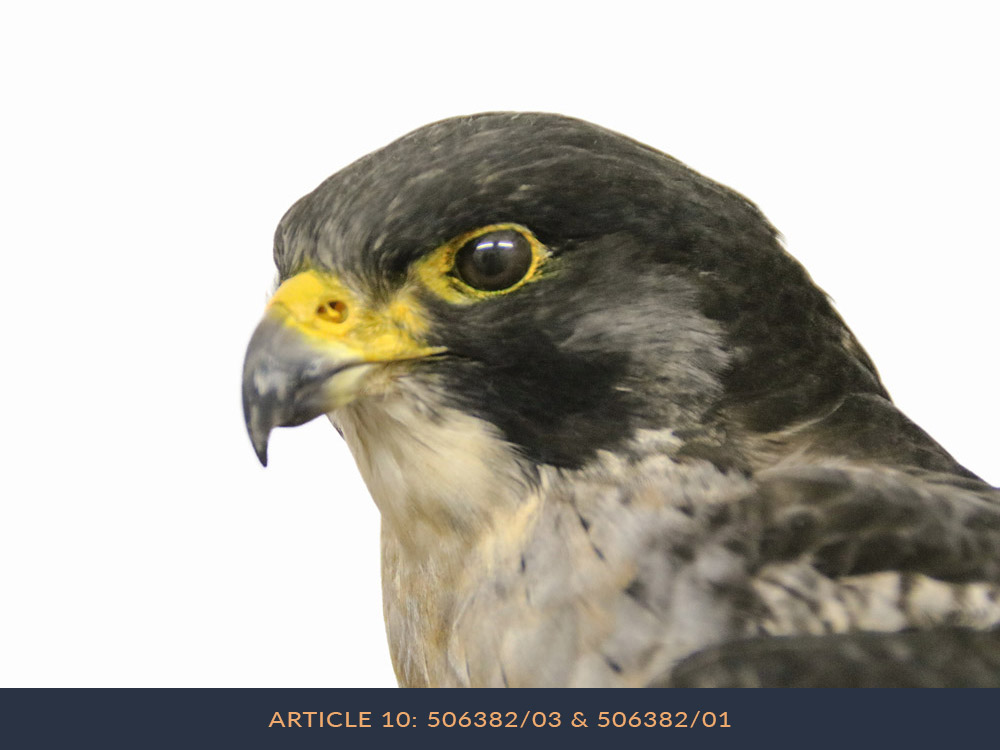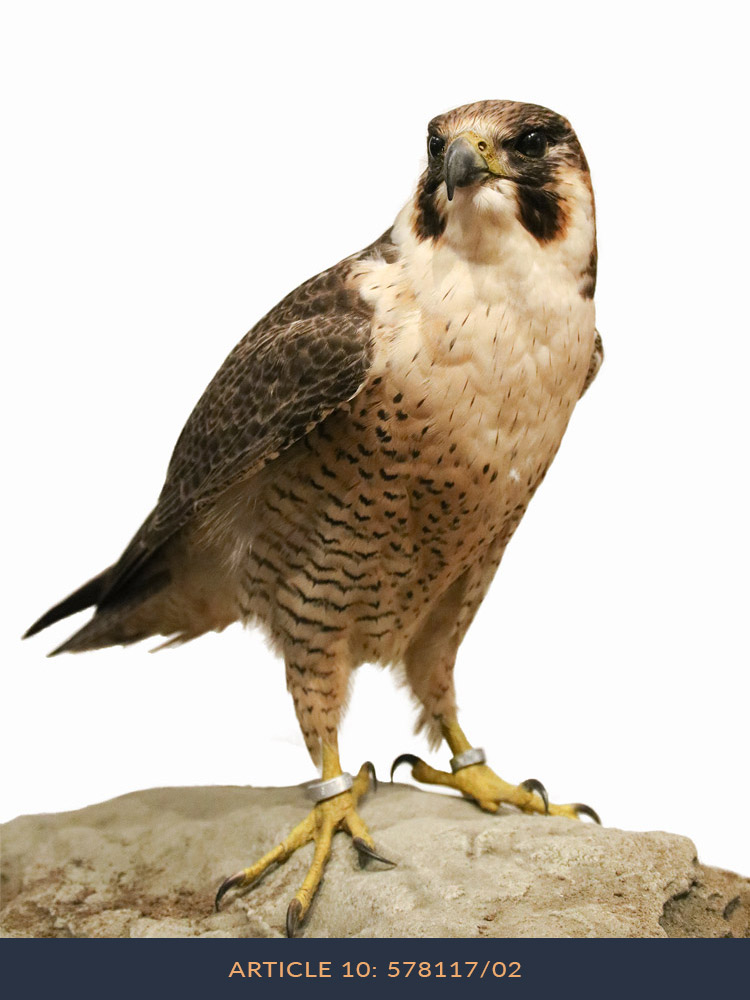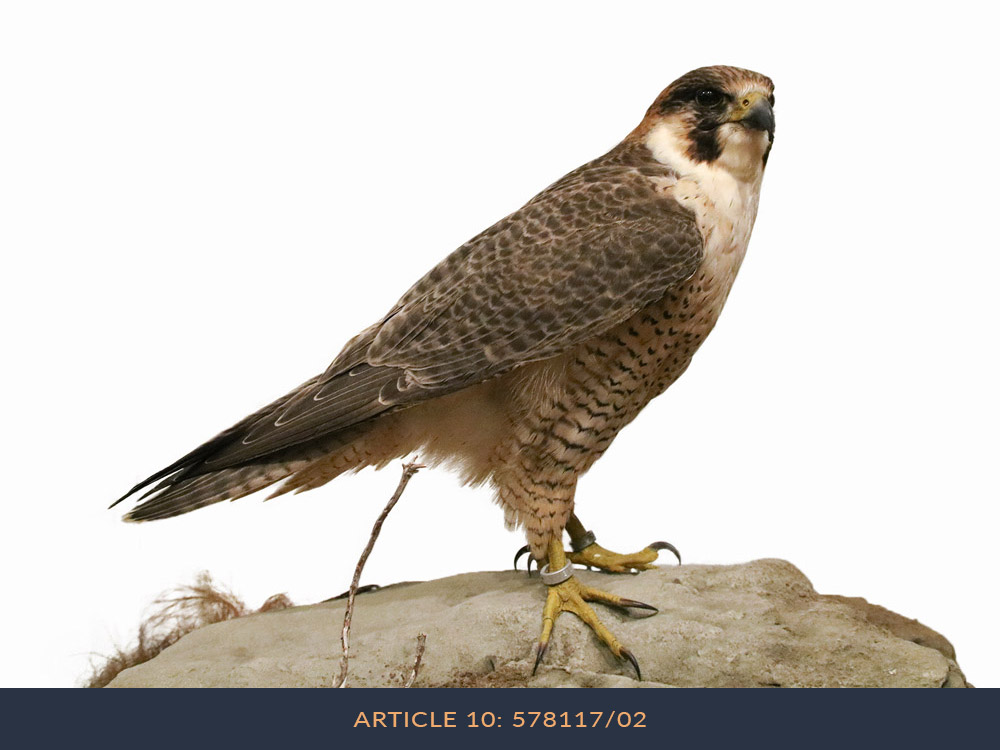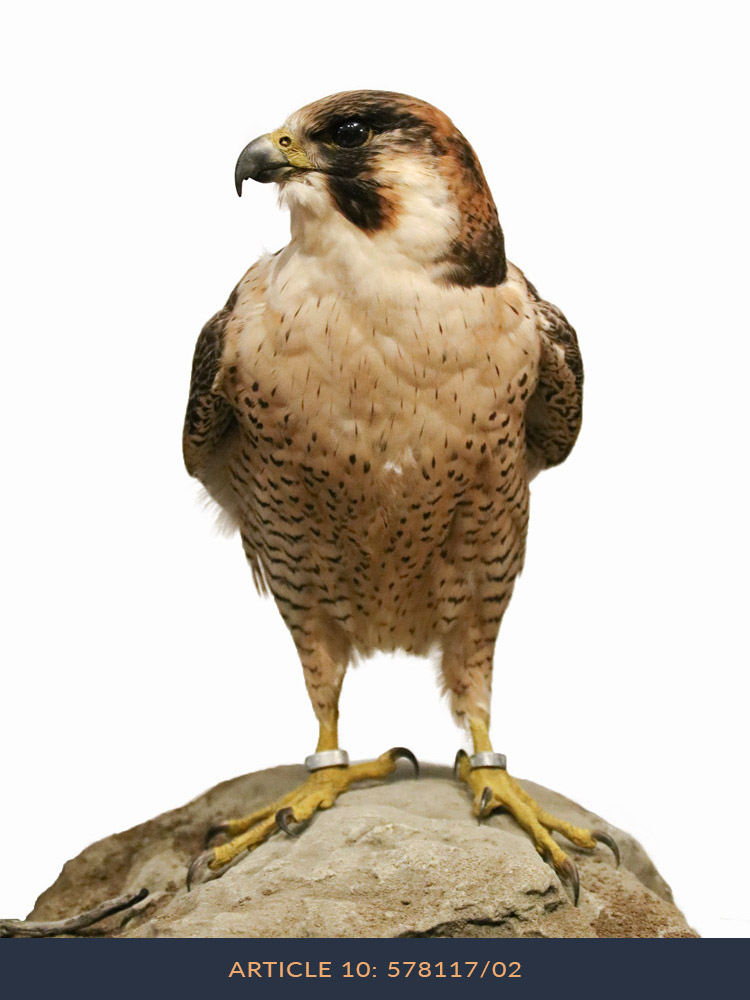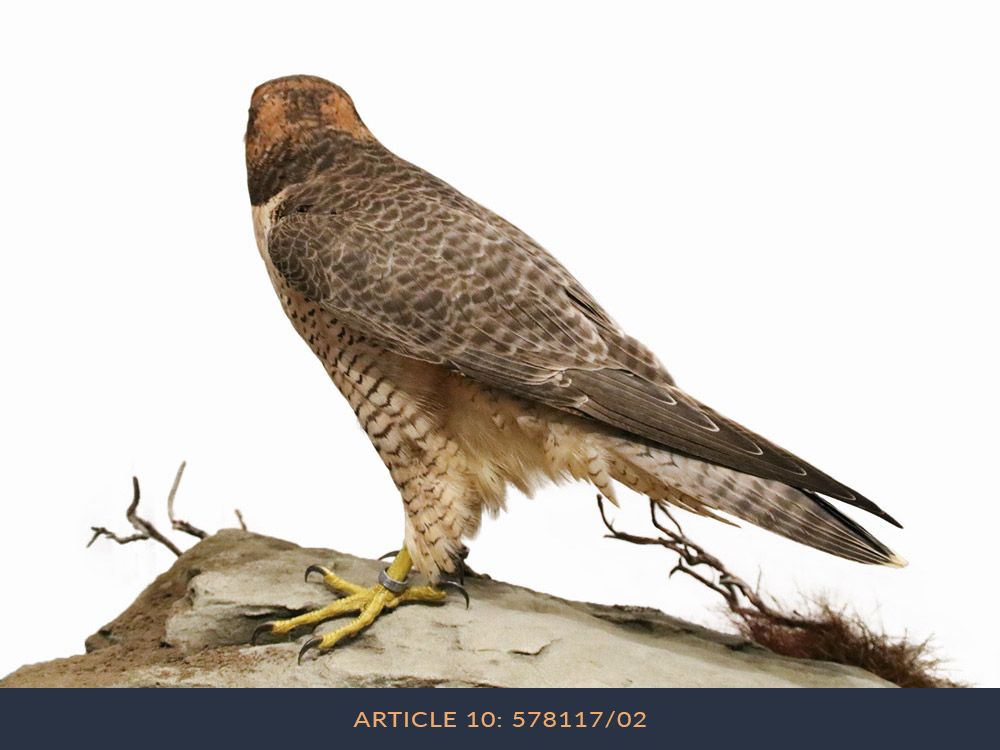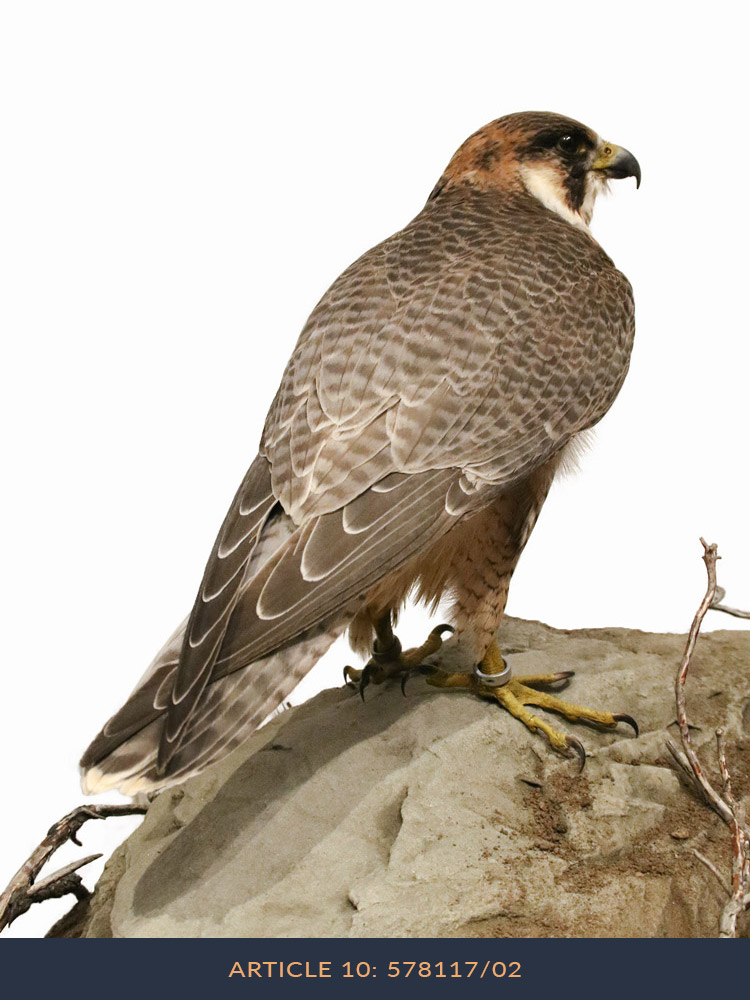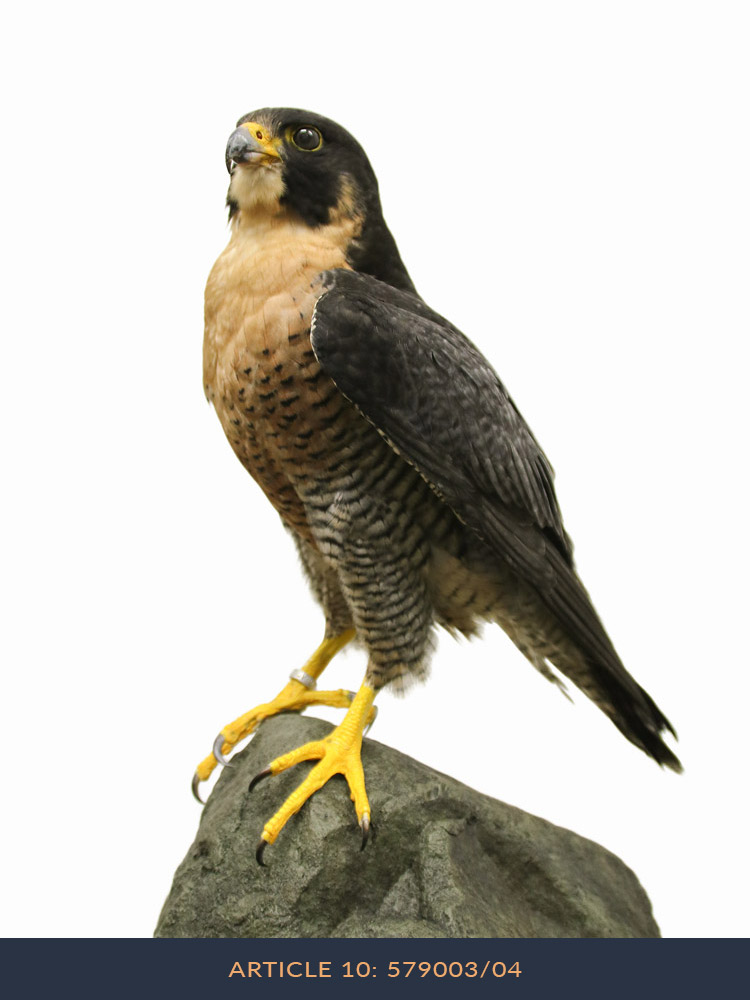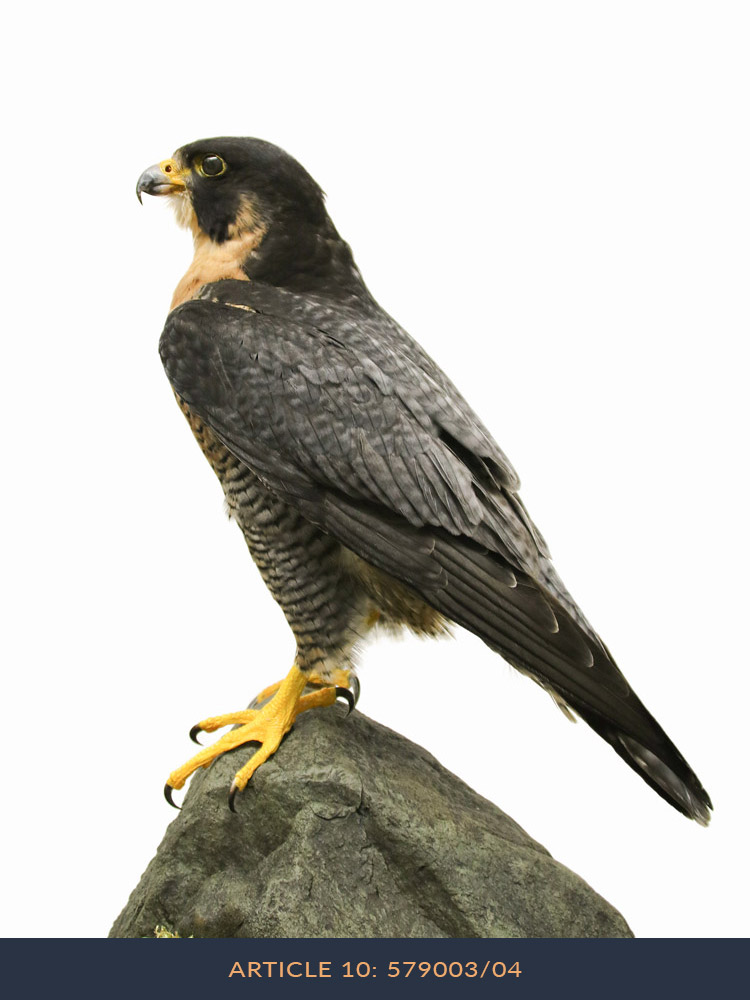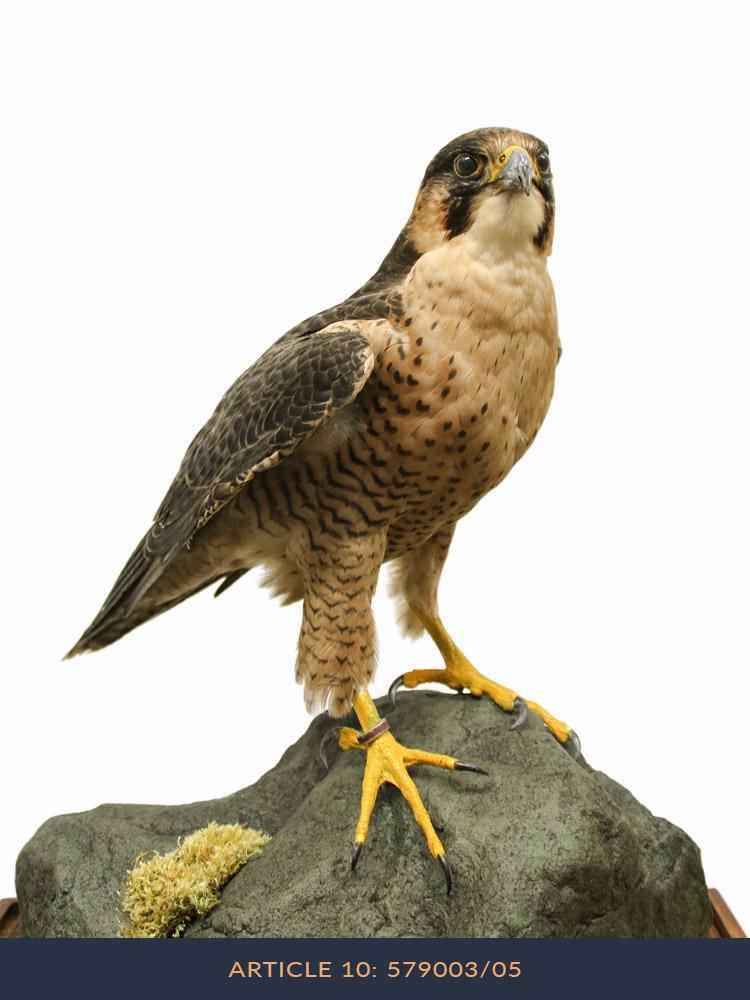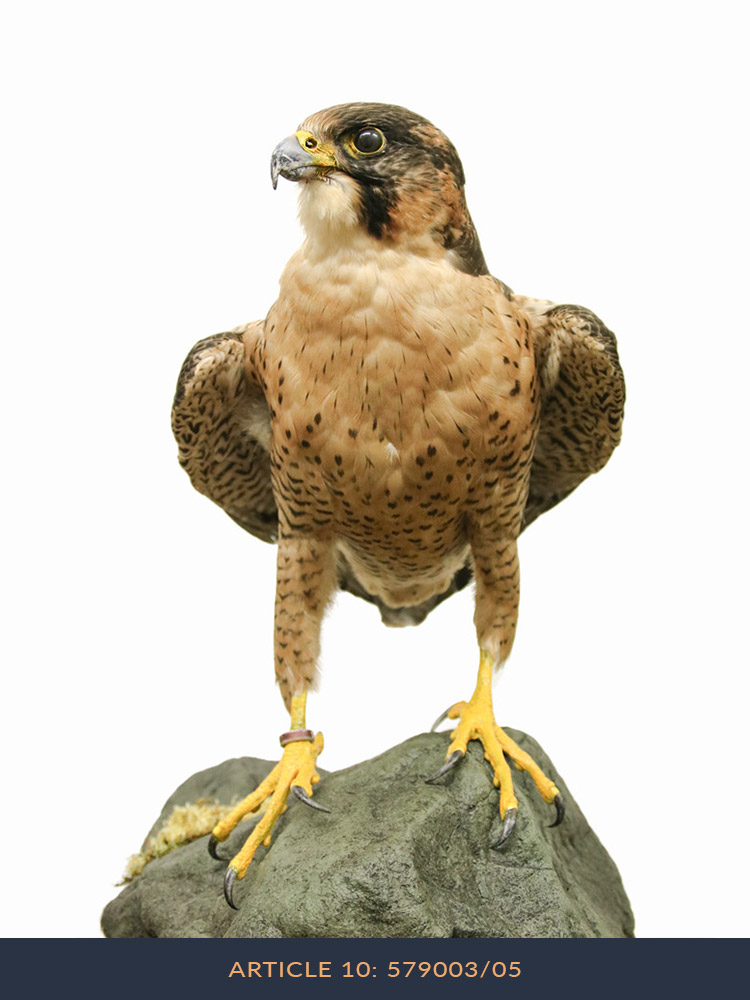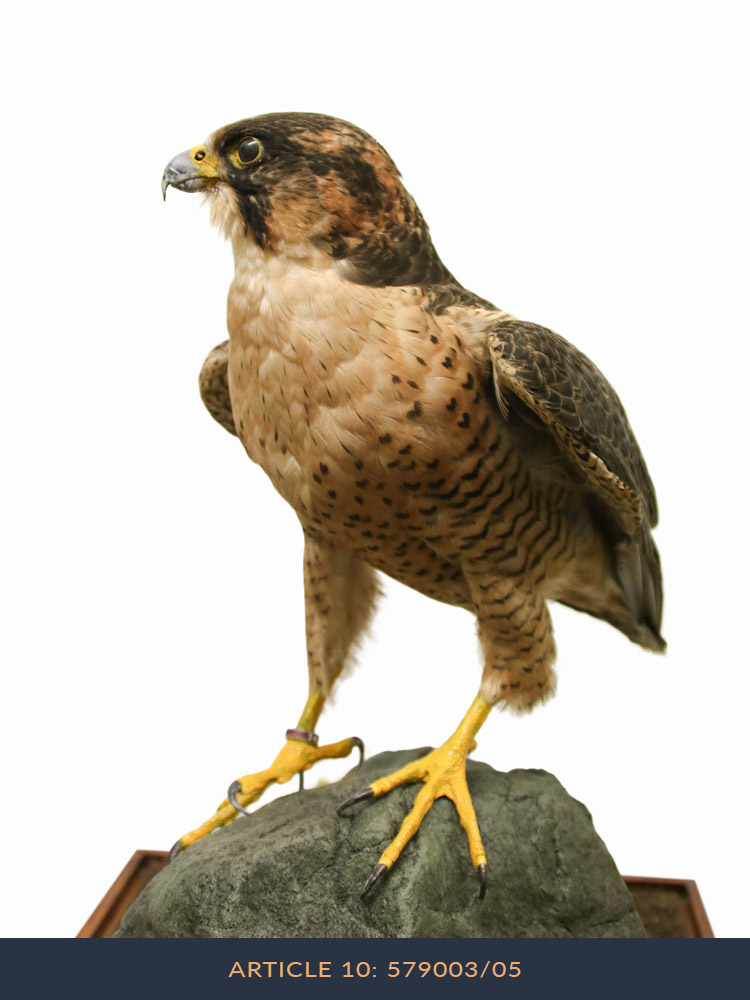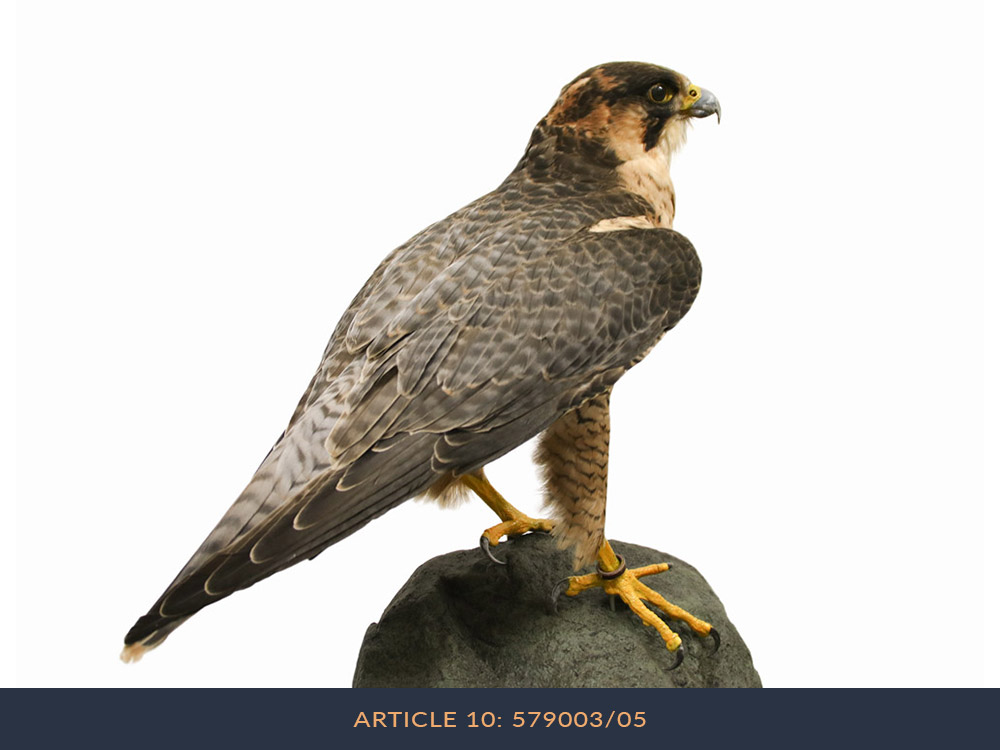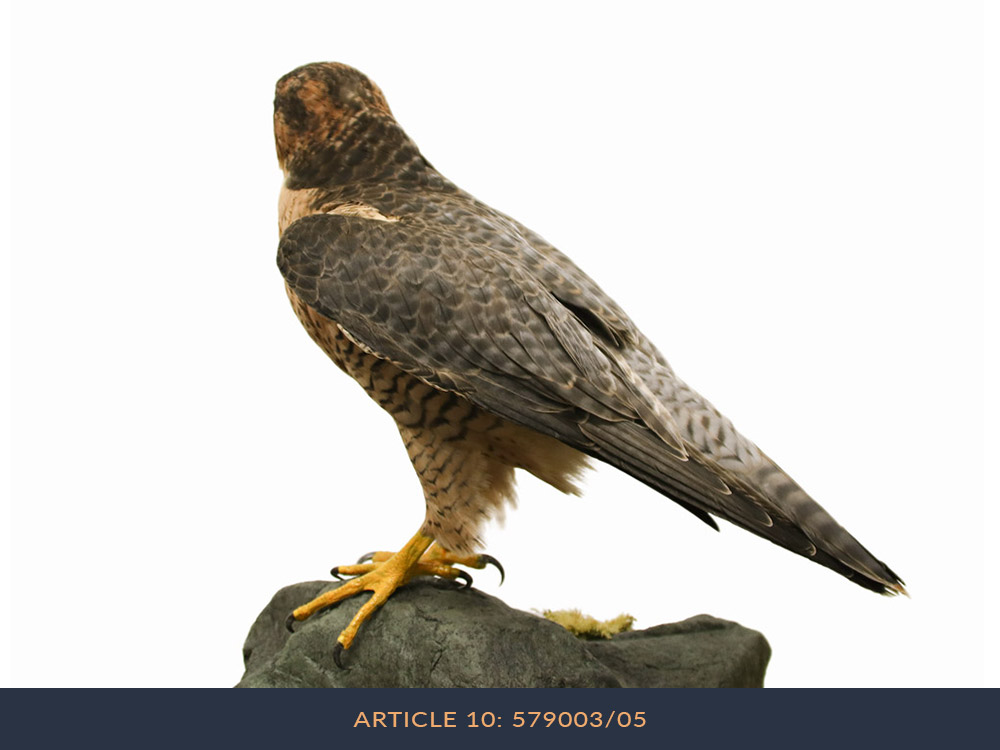
The Australian version of the European Peregrine Falcon.
These are not found in UK falconry or display zoos any more due to the care of the UK Breeding Programmes for indigenous birds.
Died of natural causes.
Small species of Falcon from the Northern Hemisphere with numerous sub-species throughout North America and Eurasia.
Commonly used for falconry, hunting larks was the speciality hundreds of years ago. Still a firm favourite and bred in the UK.
Died of natural causes.
Small falcon, found in Western Europe and Asia, migrating to Africa in Winter.
Not a favourite for falconers but bred in captivity quite commonly in the UK.
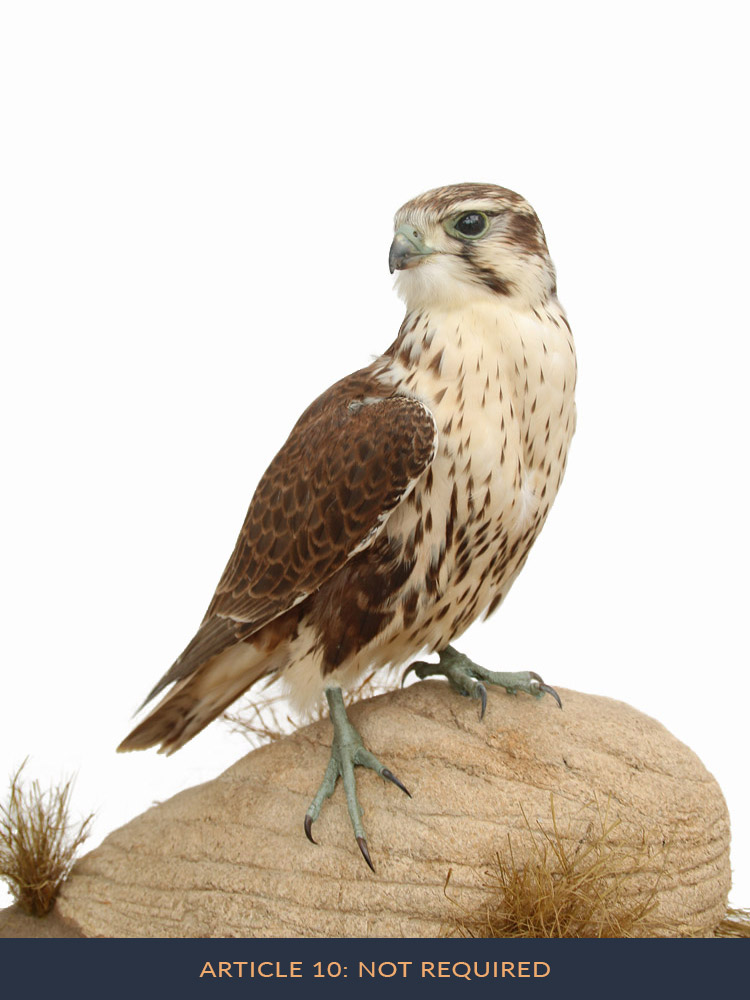
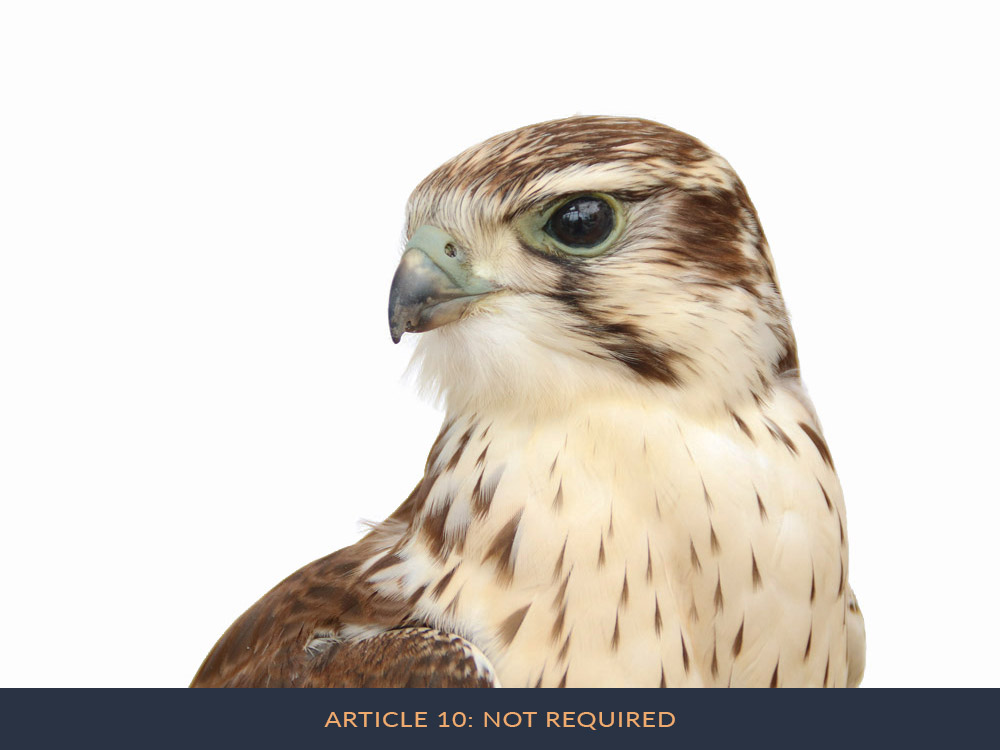
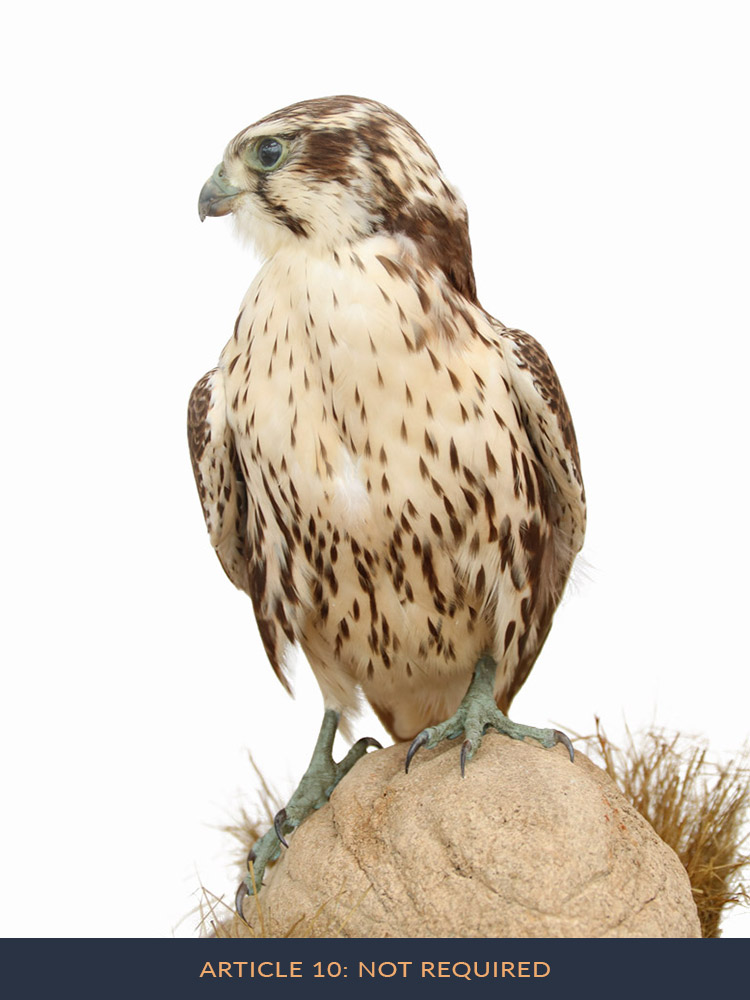
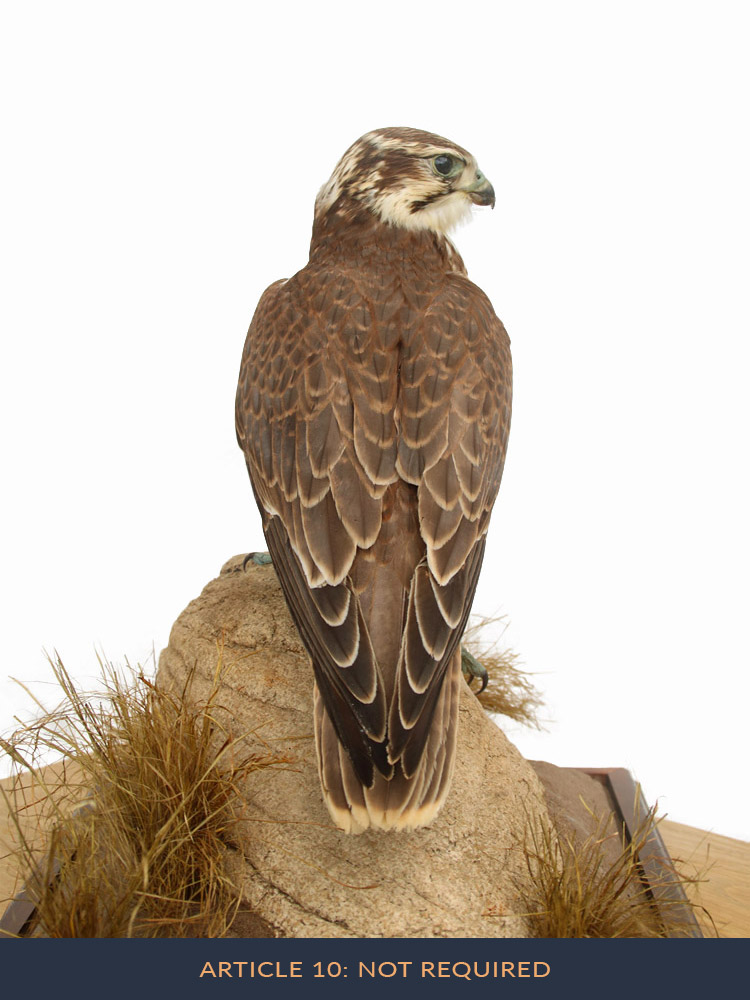
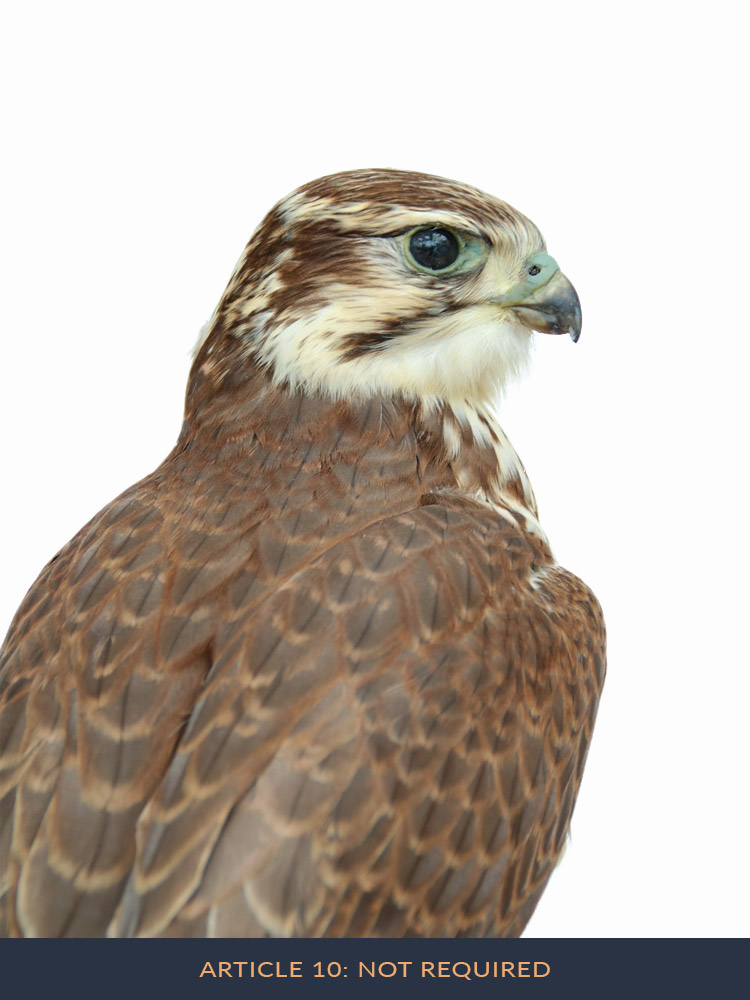
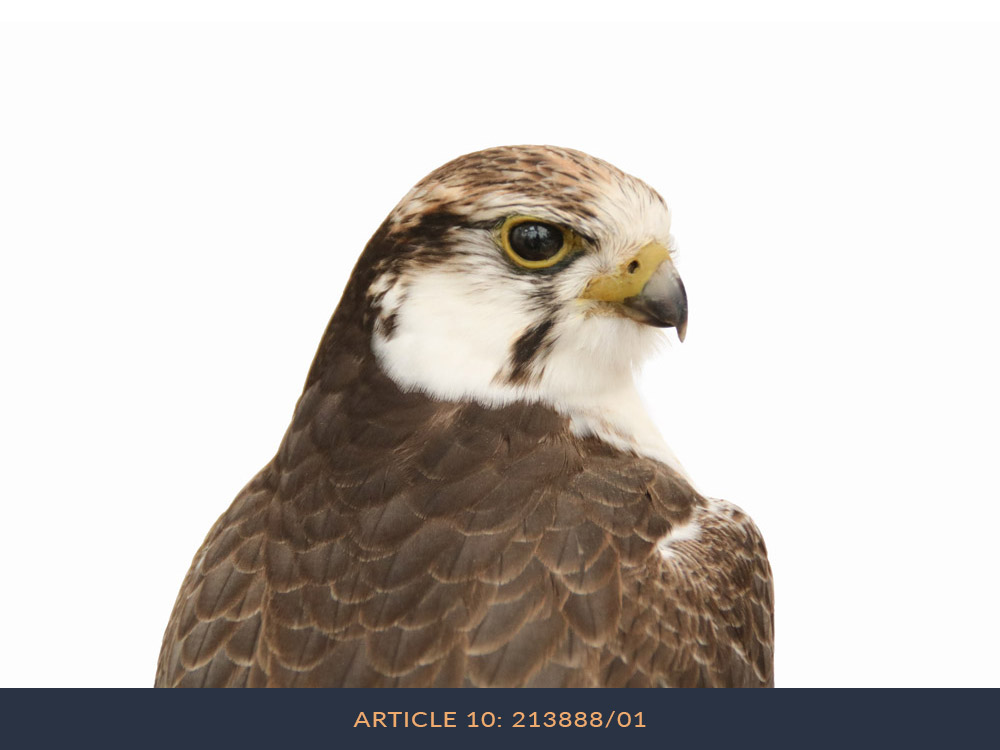
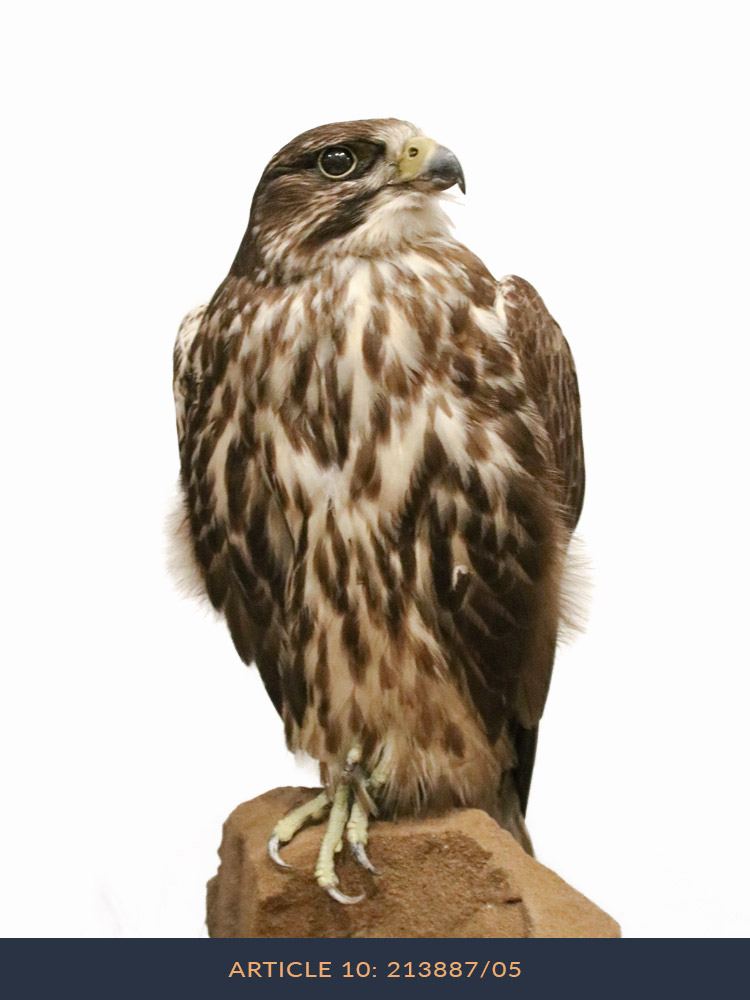
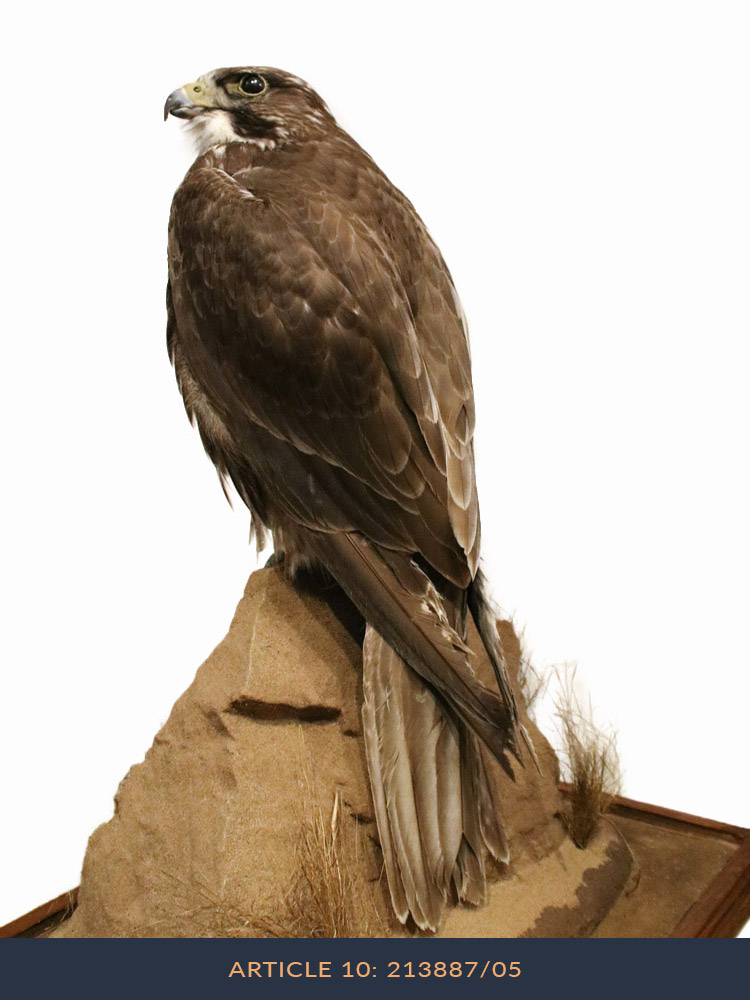
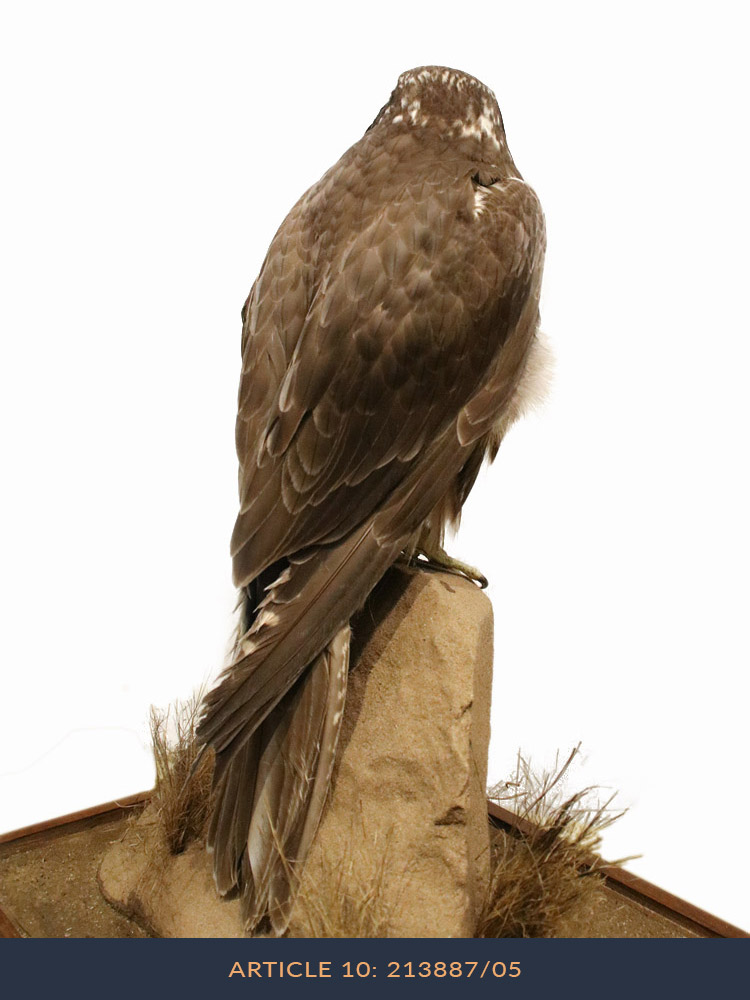
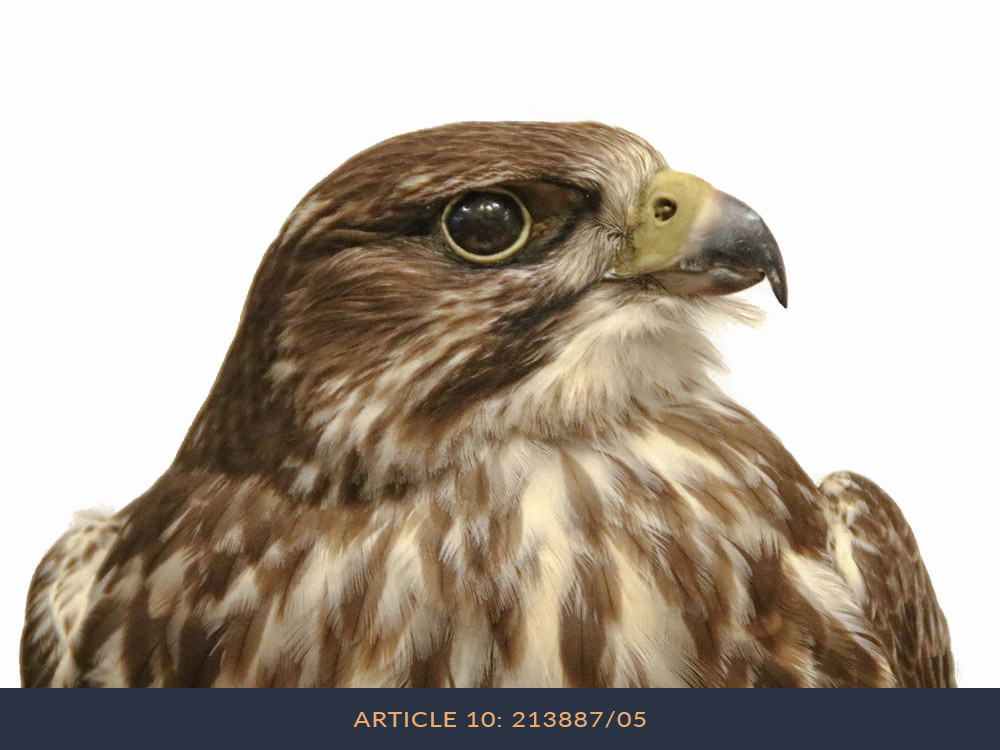
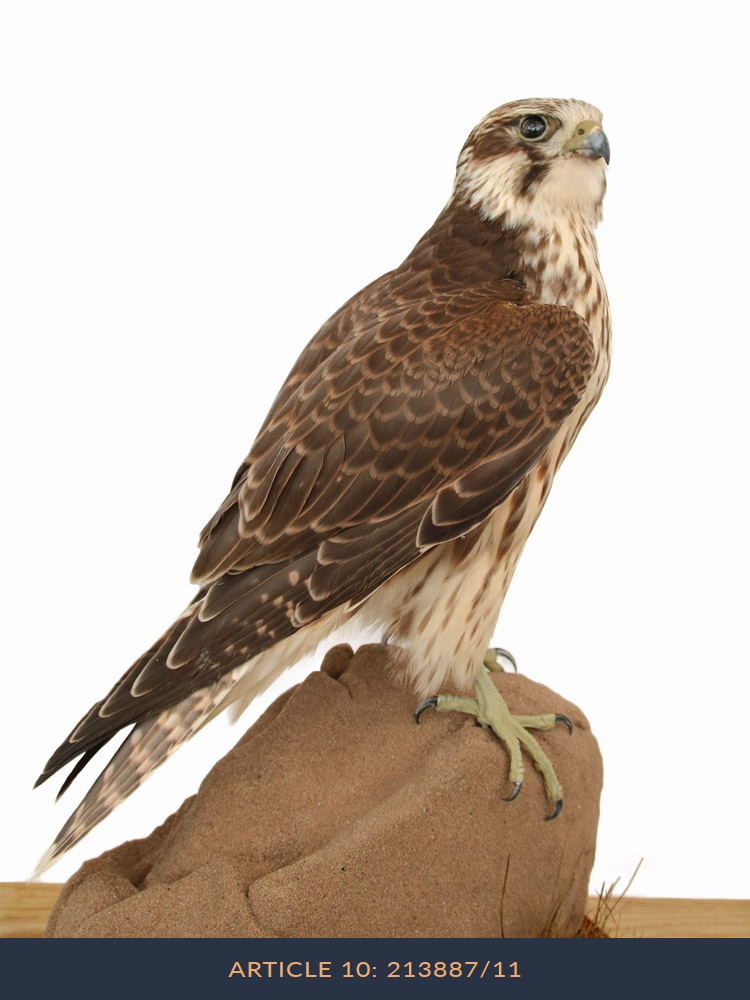
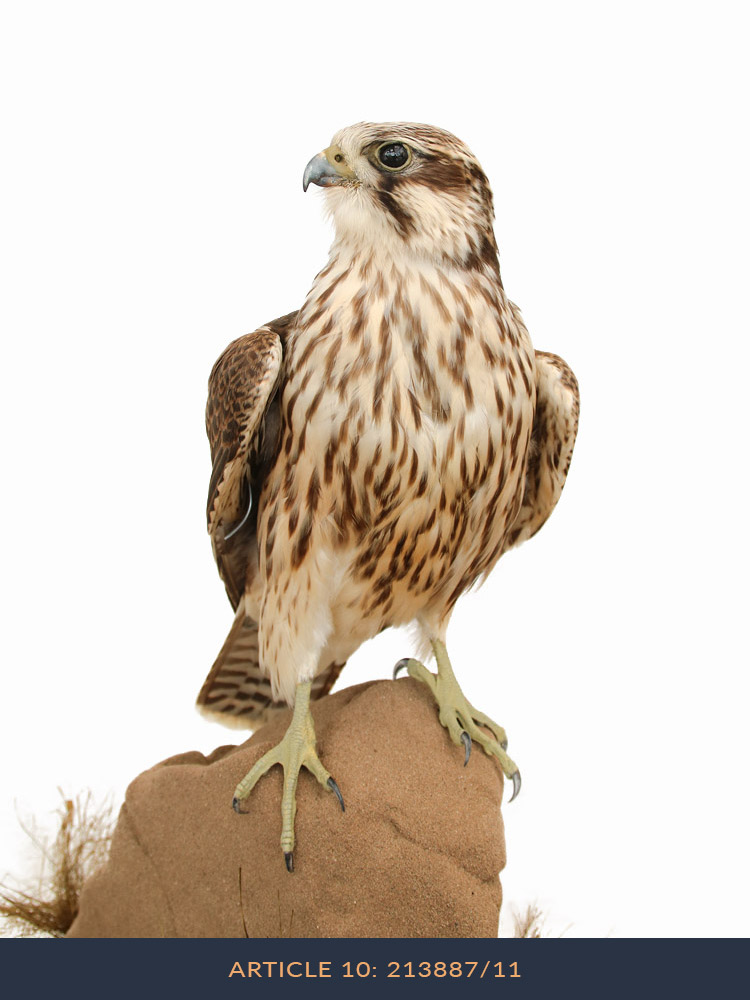
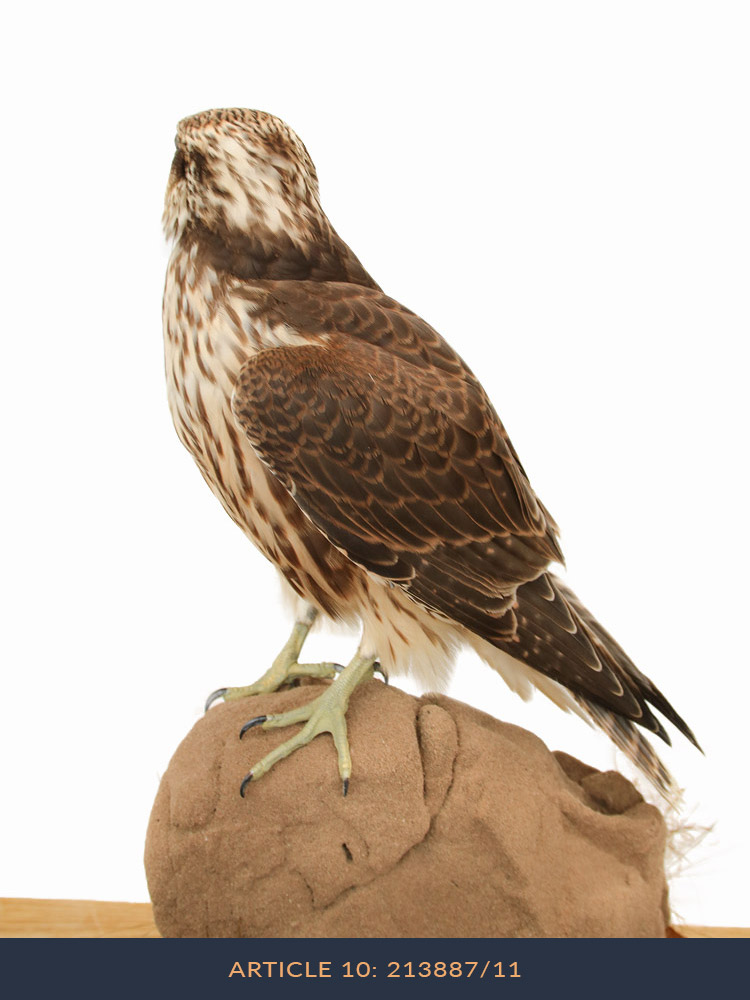
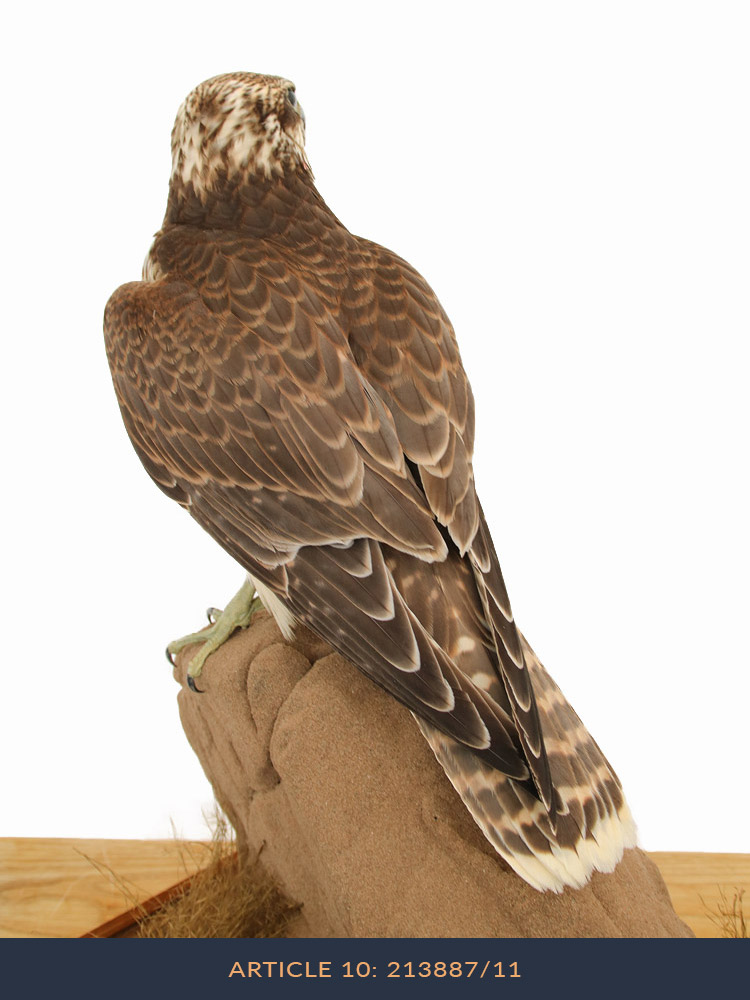
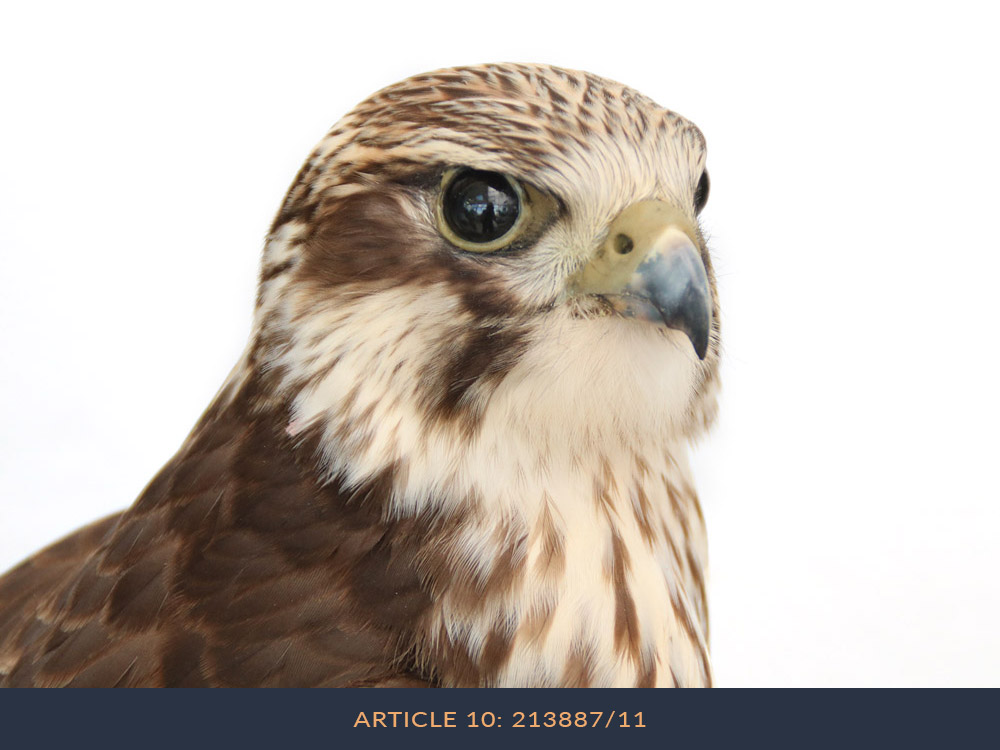
The Prairie Falcon is a medium-large sized falcon of Western North America. It is of similar size to a Peregrine Falcon, with an average length of 16 inches and a wingspan around 40 inches (1 meter). As with all falcons, females are markedly larger than their male counterparts.
Also called Lagger Falcon found in Indian subcontinent from Iran to Burma. Very common, used in falconry and in the 60/70’s quite popular in the UK.
Rarely seen or bred now in UK.
Died of natural causes.
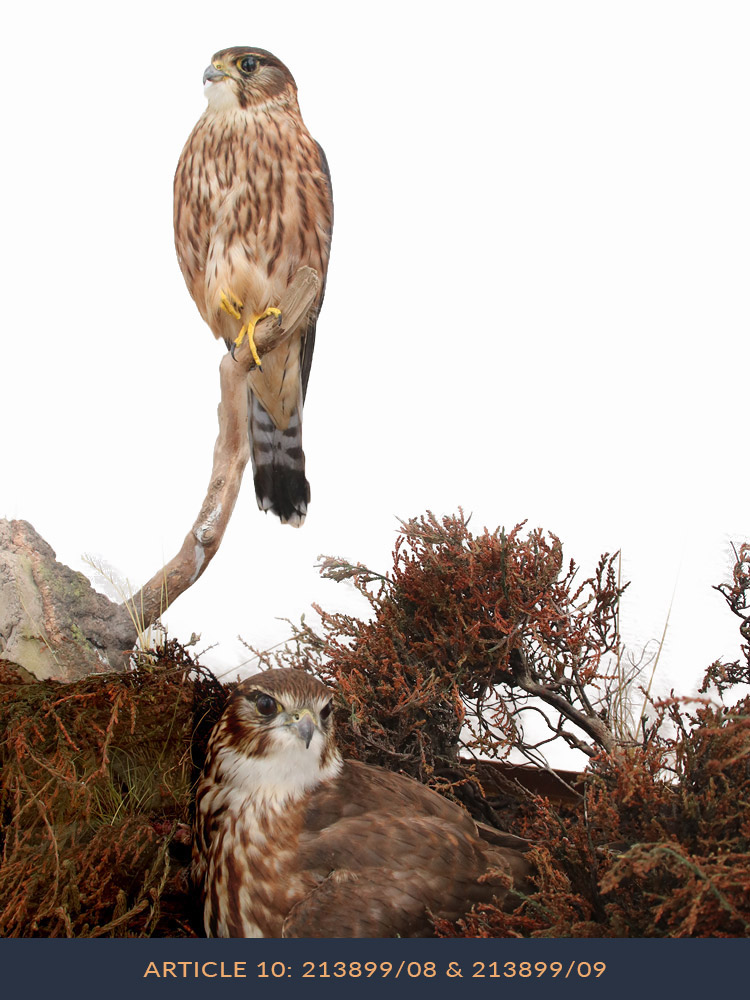
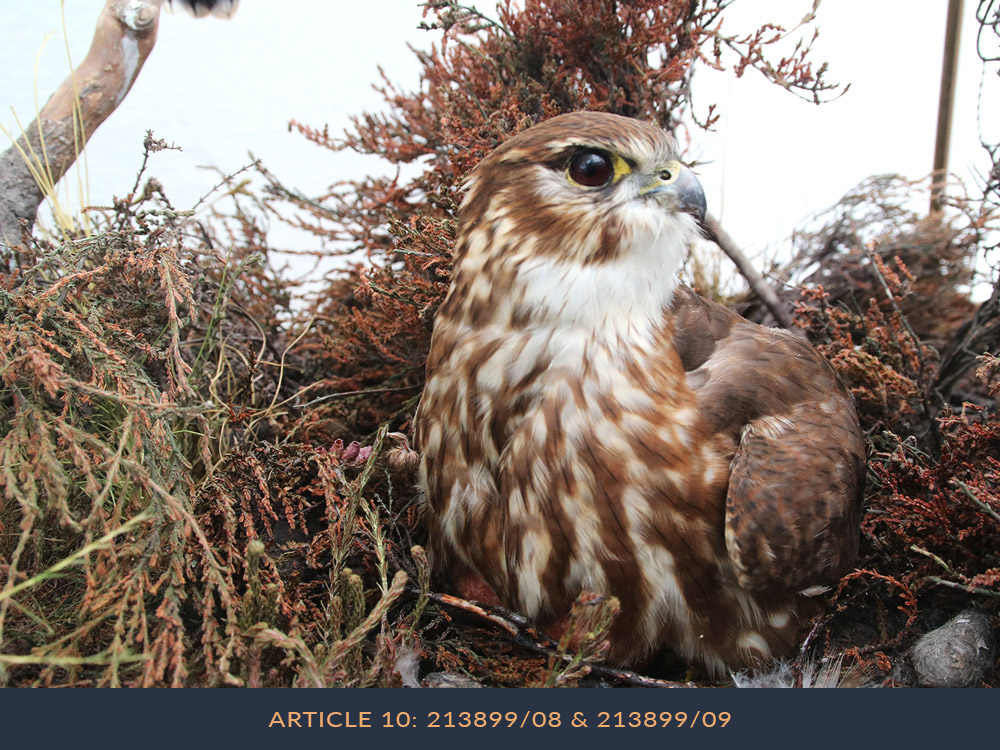
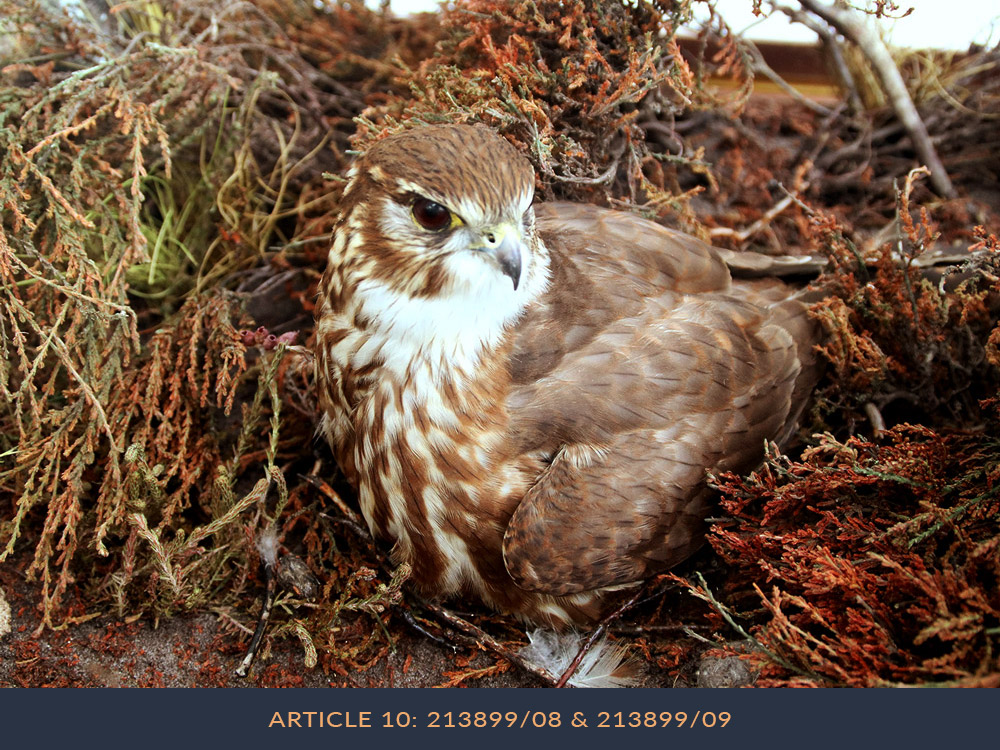
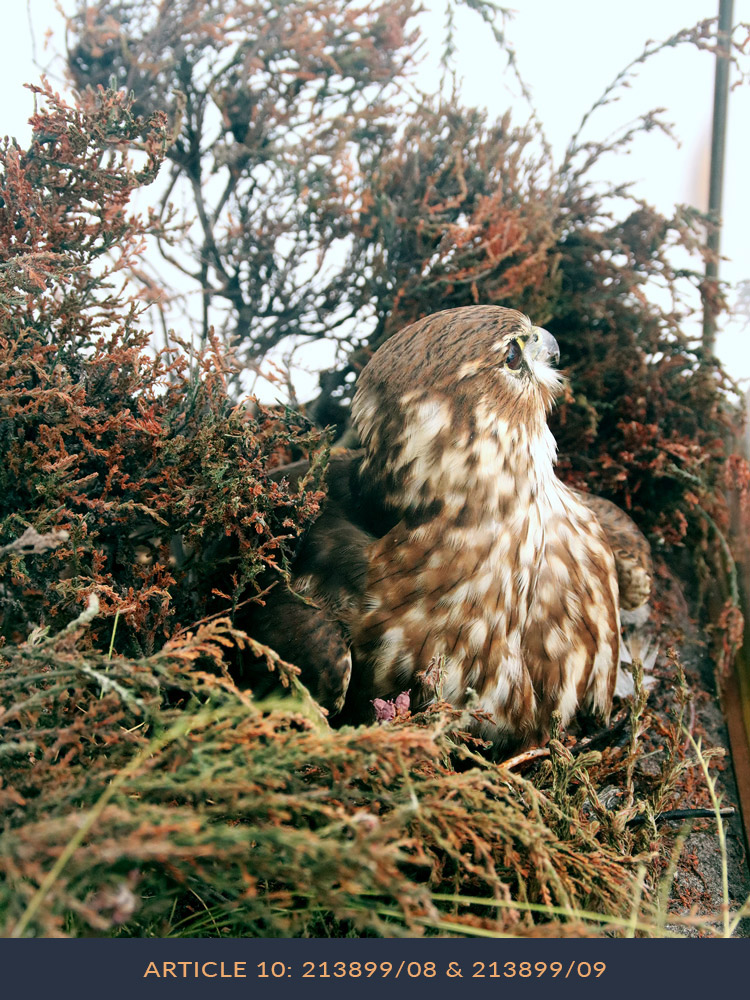
Small slim falcon found all over Eurasia and in the UK. Dashing colouration like a miniature Peregrine.
Used for falconry and bred in captivity.
Died of natural causes.
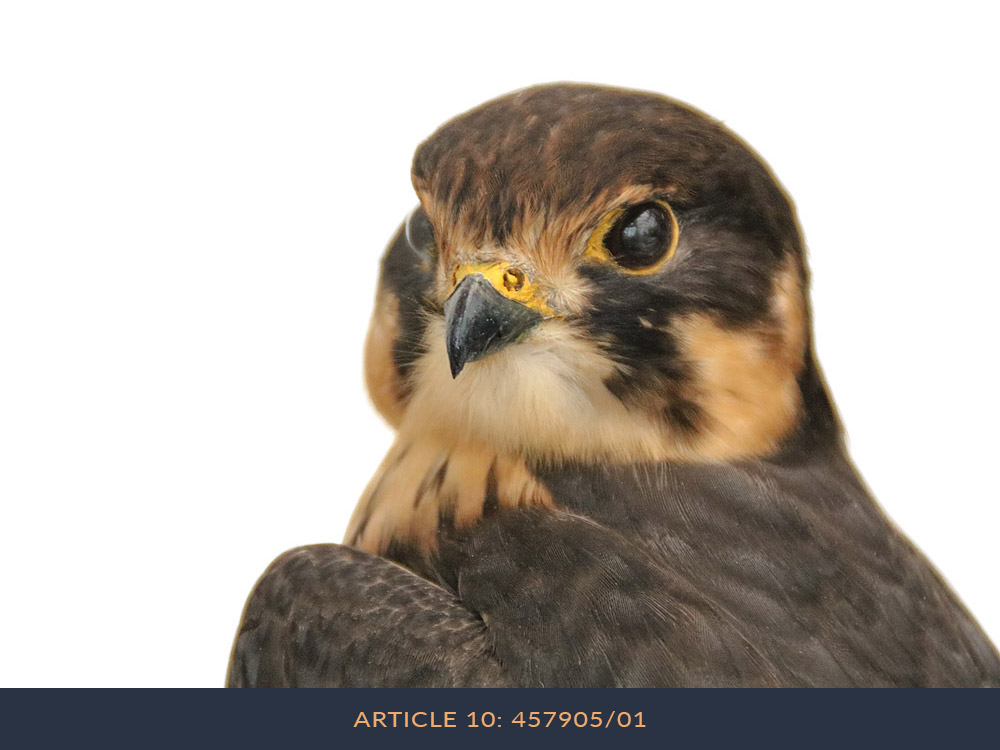
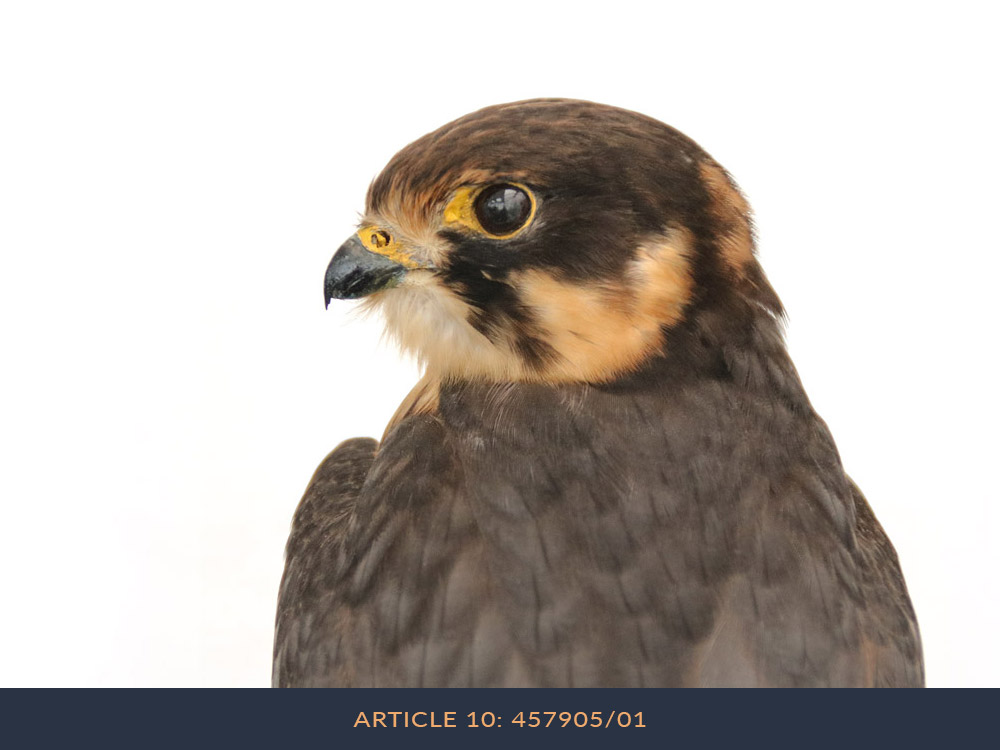
Medium sized falcon belonging to the Hobby group. Extremely elegant, found breeding on islands in the Mediterranean.
Infrequently used and bred in falconry in the UK, this bird was owned by a famous falconer/artist.
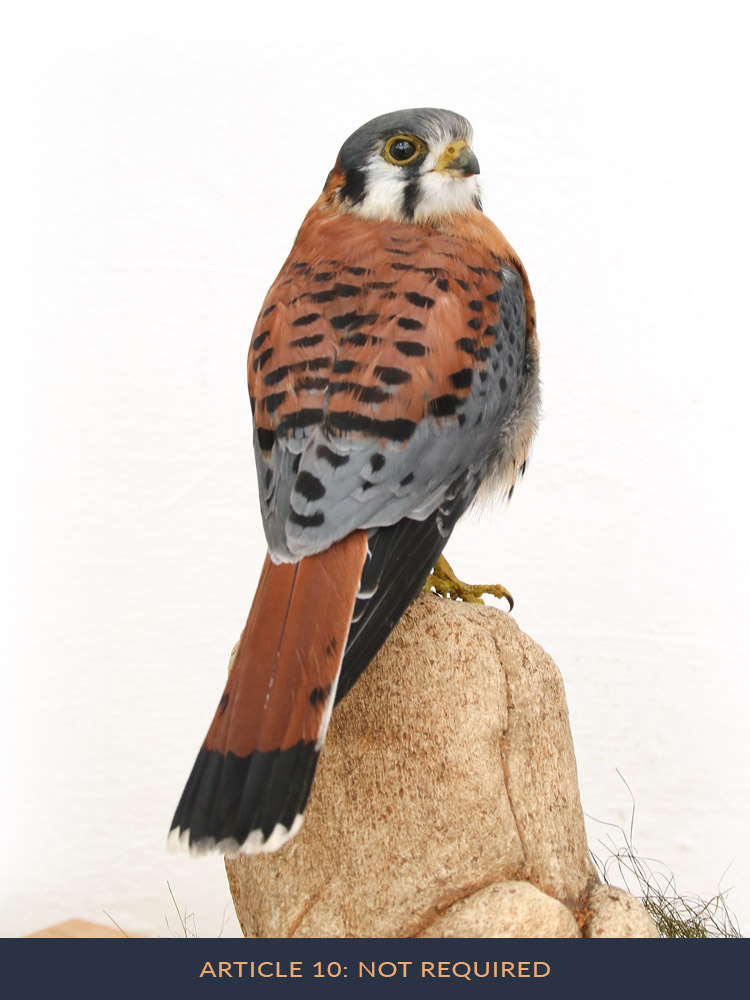
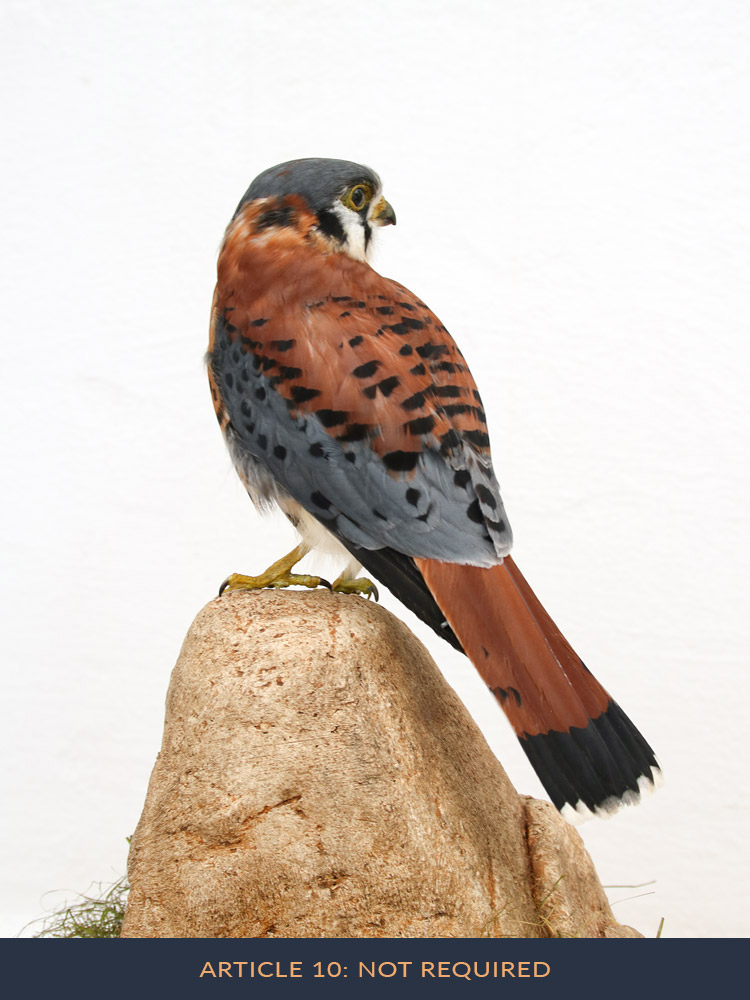
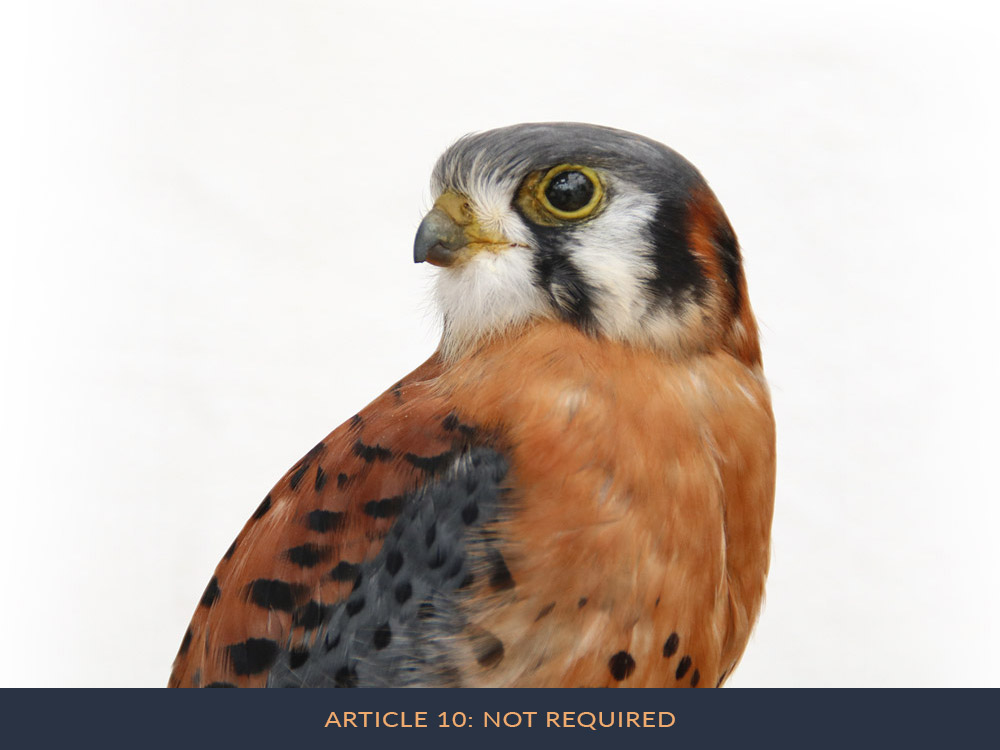
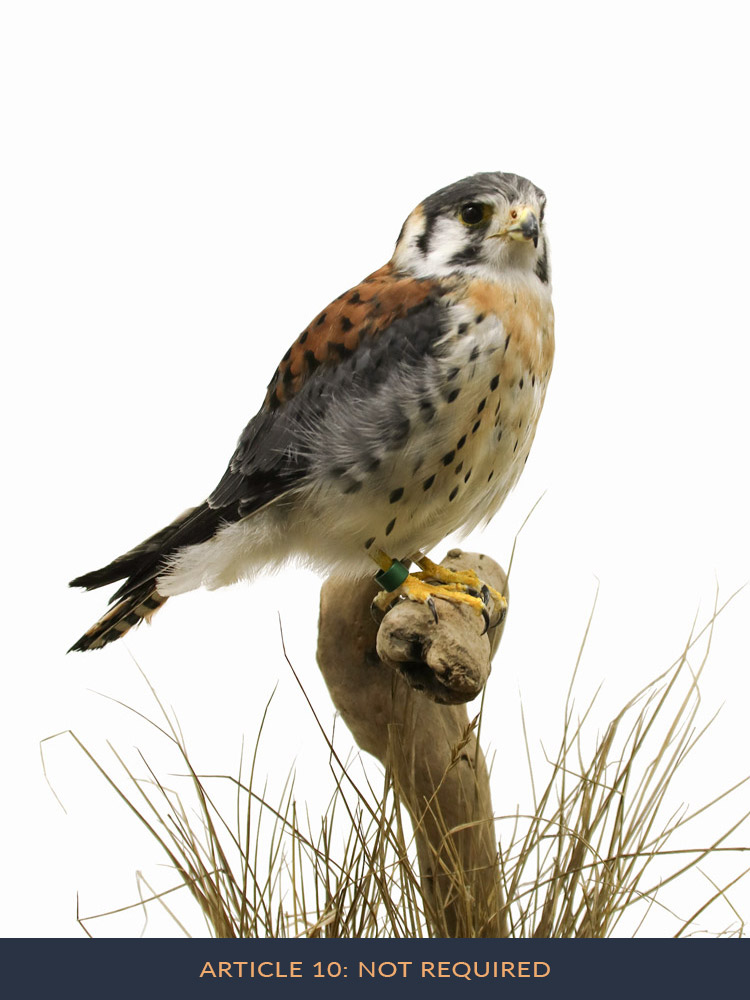
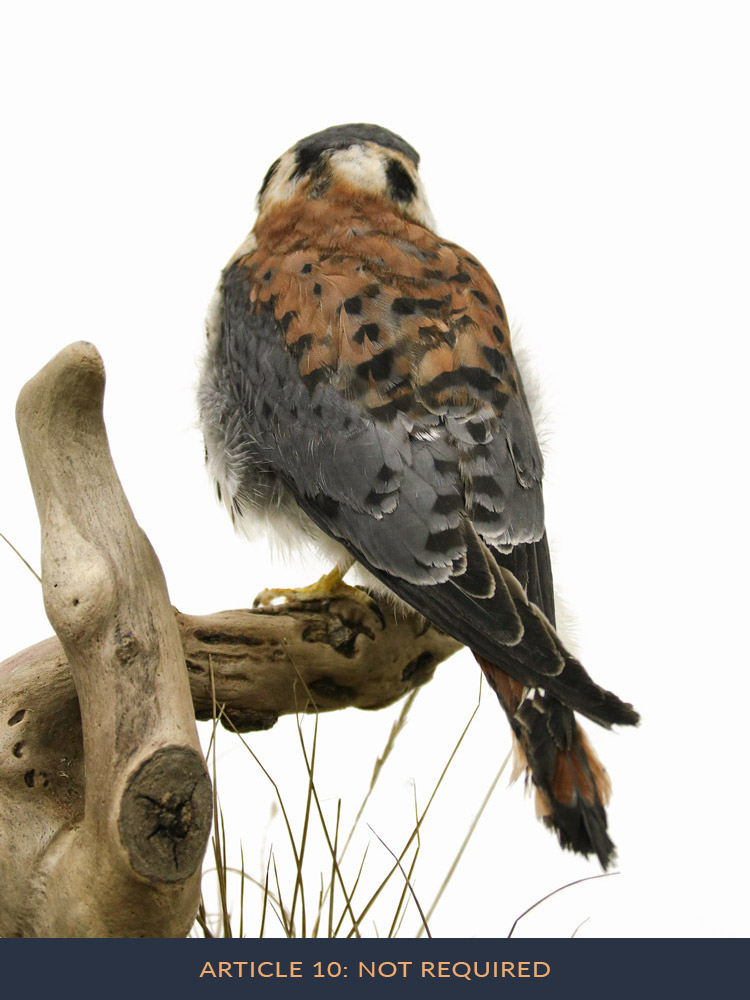
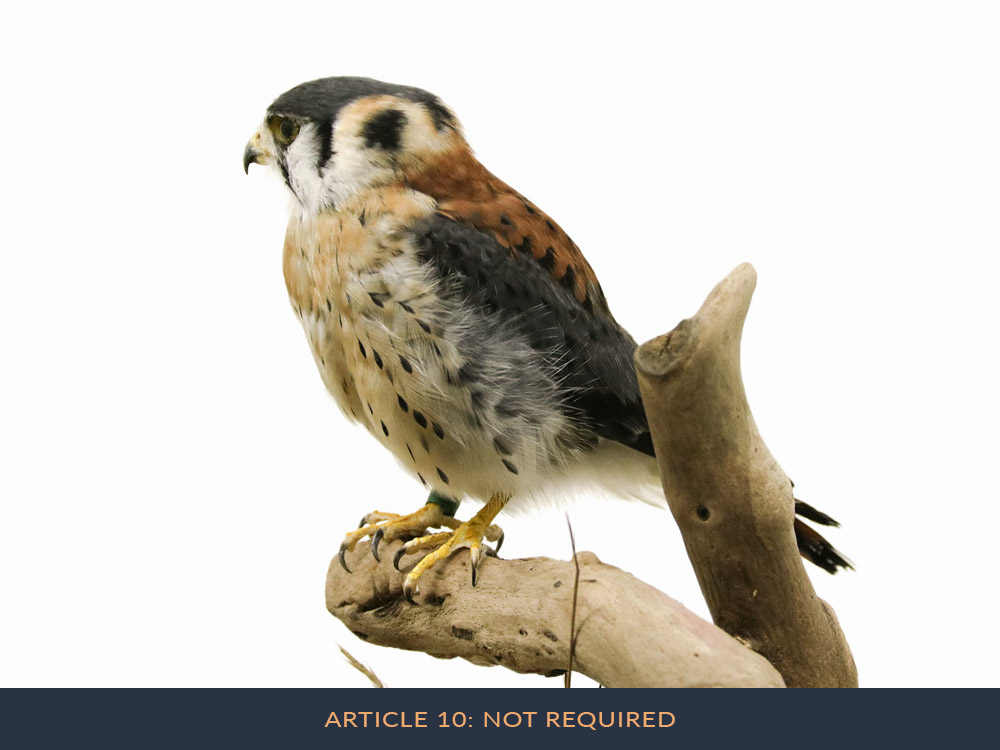
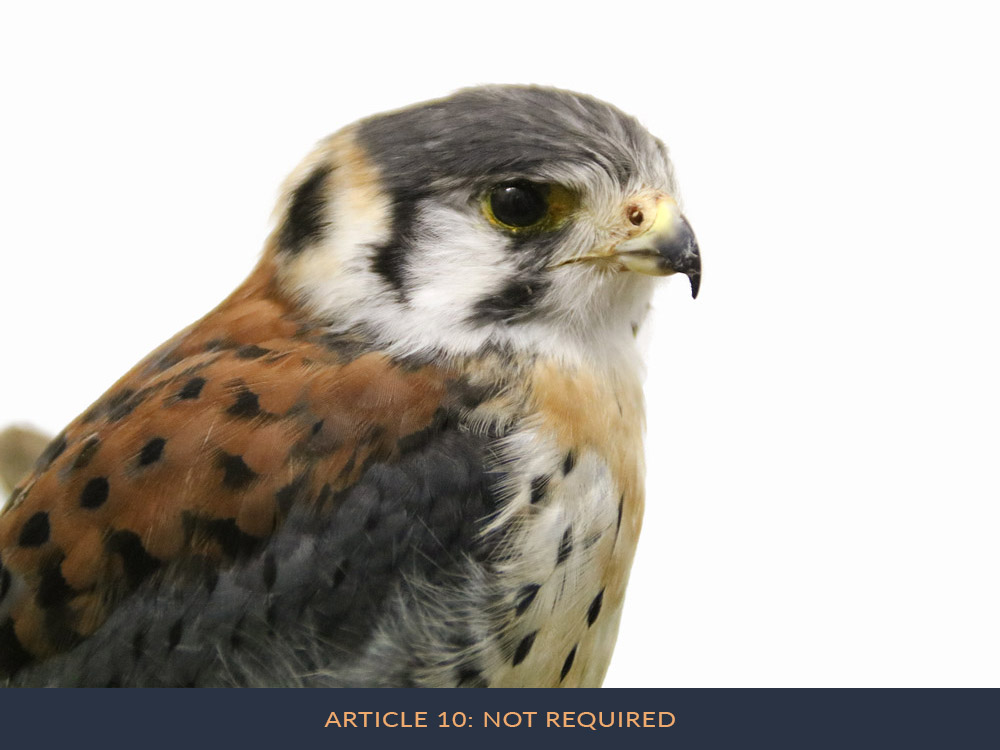
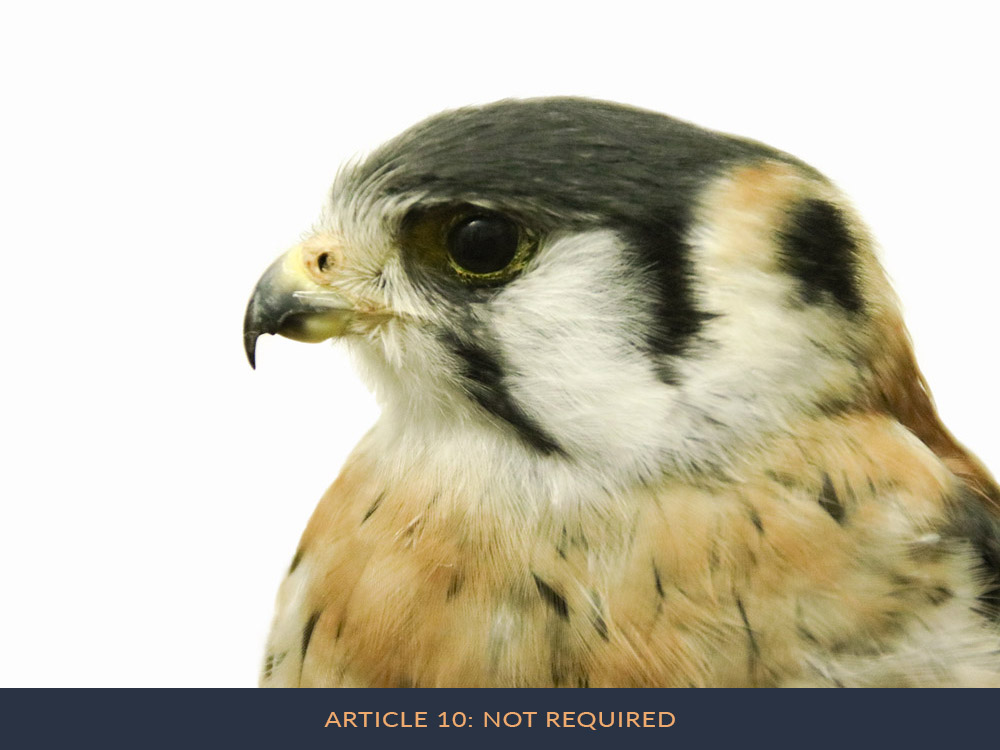
Smallest and most common falcon in North America.
Used in falconry circles and frequently found in the UK falconry establishments.
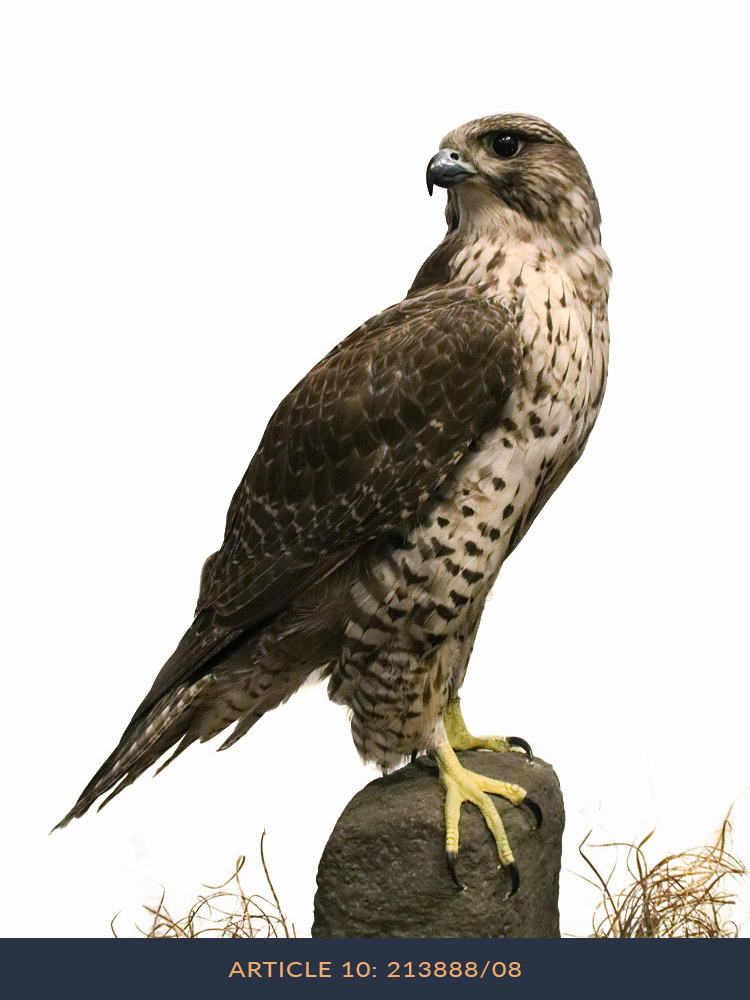
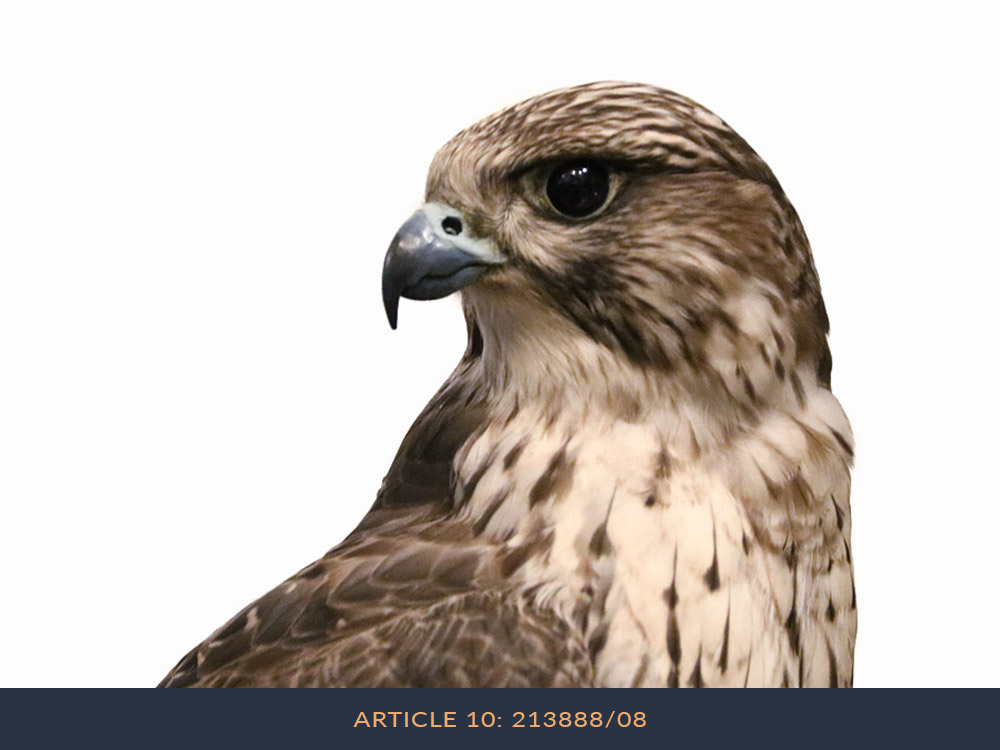
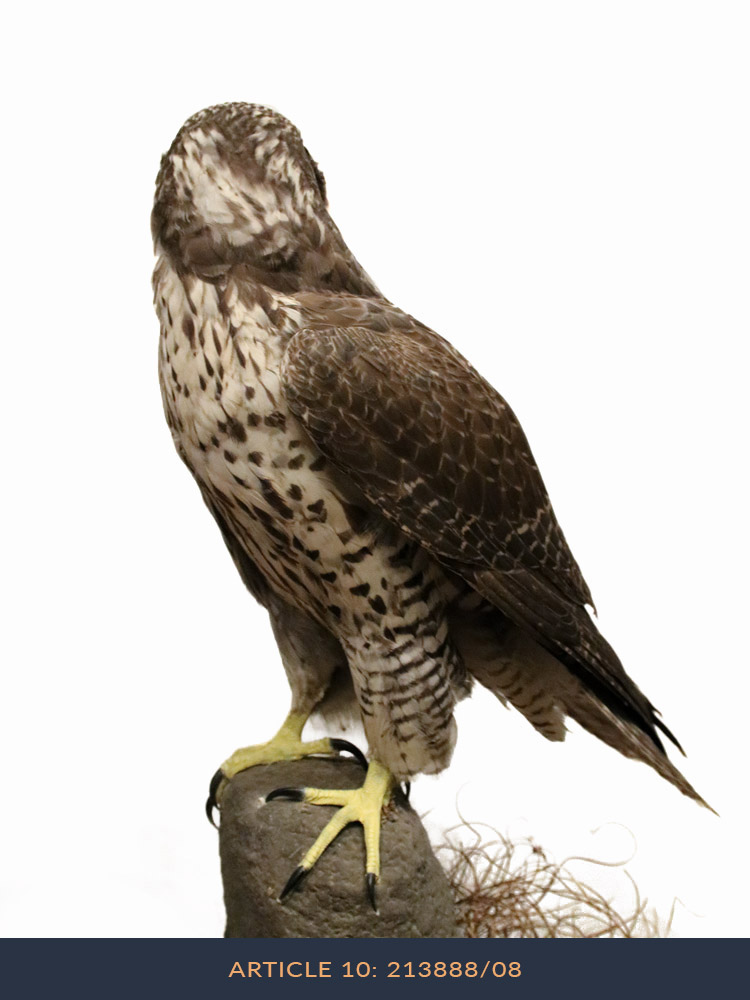
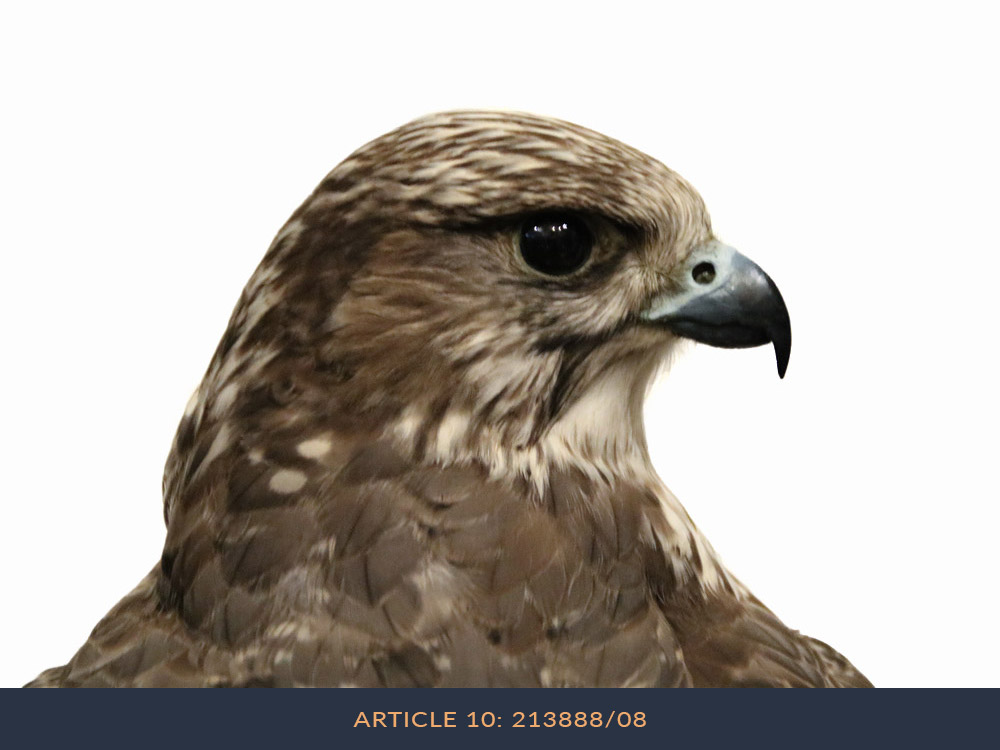
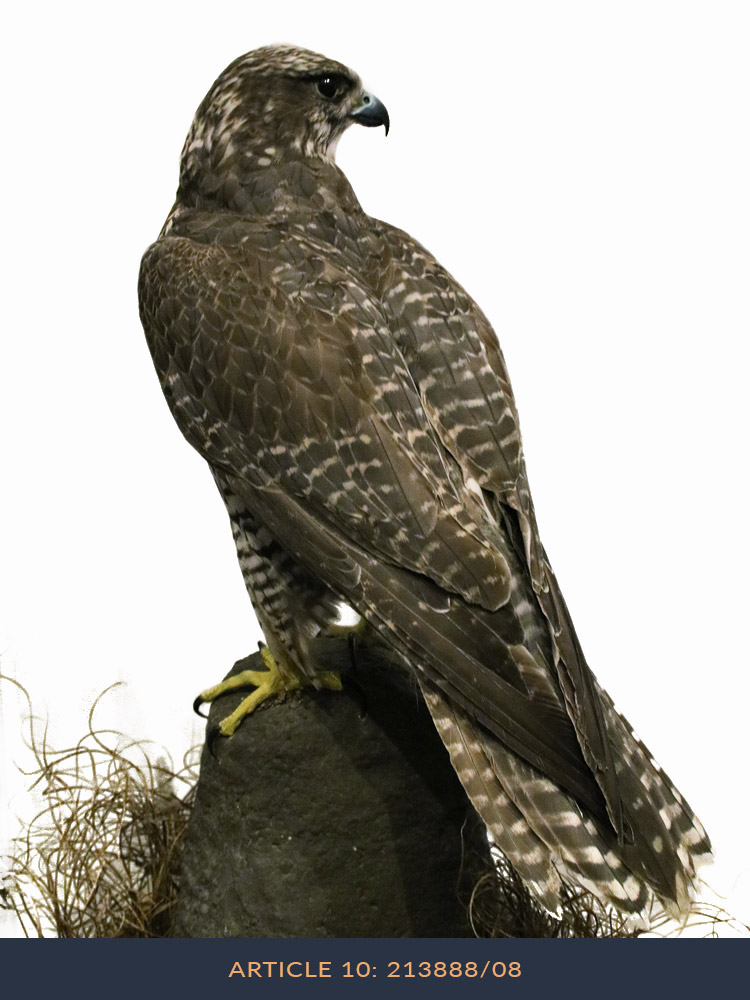
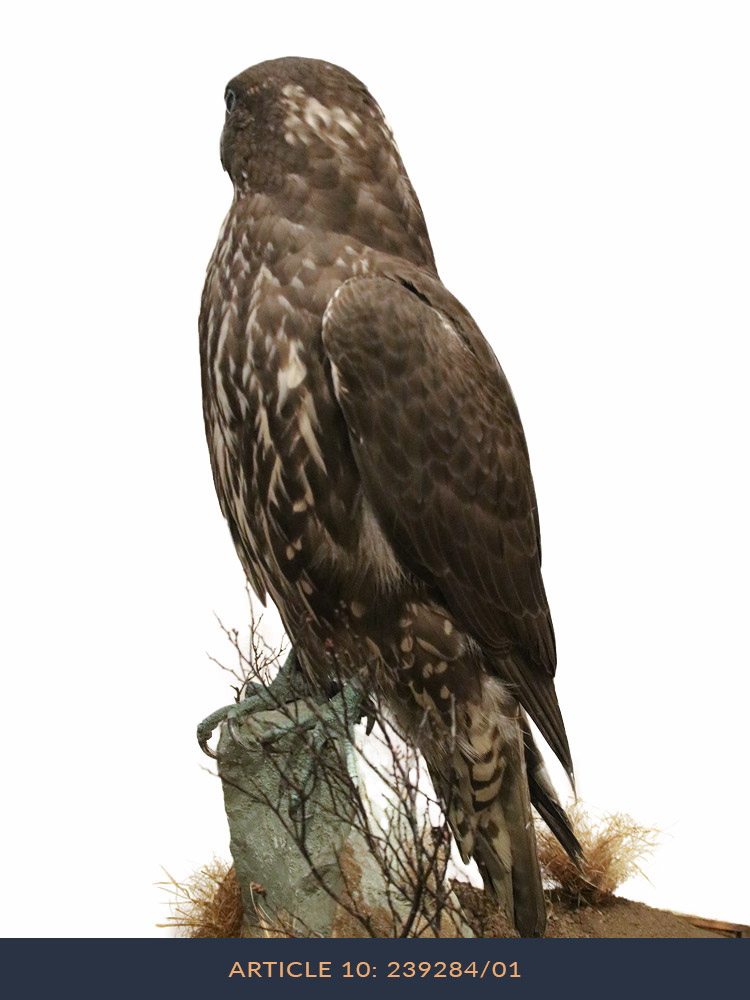
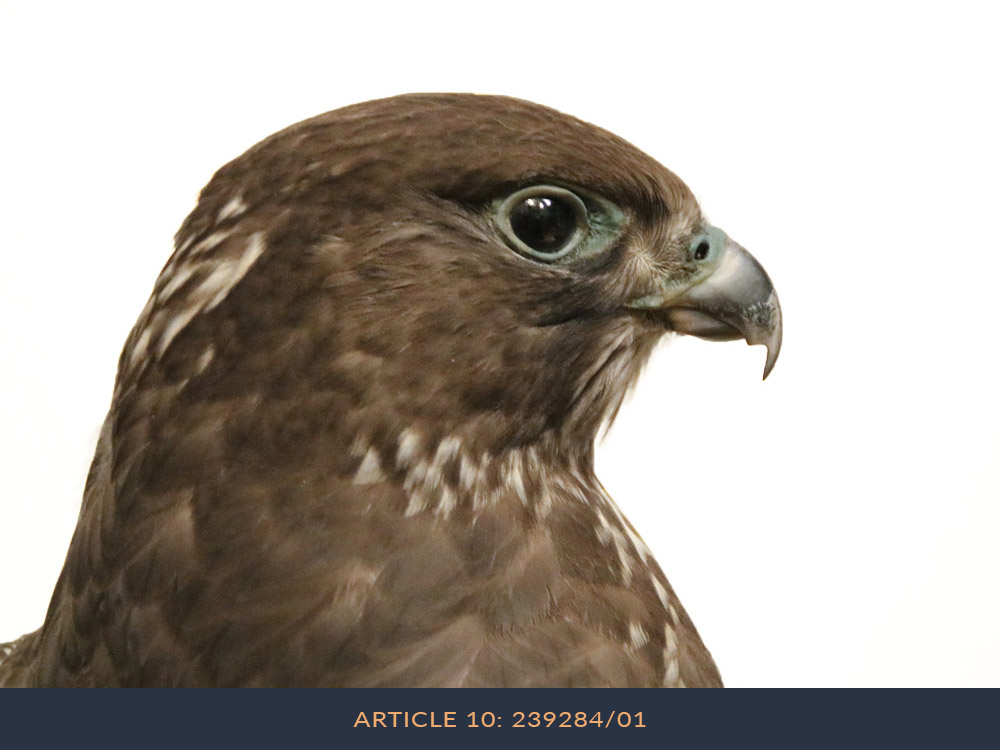
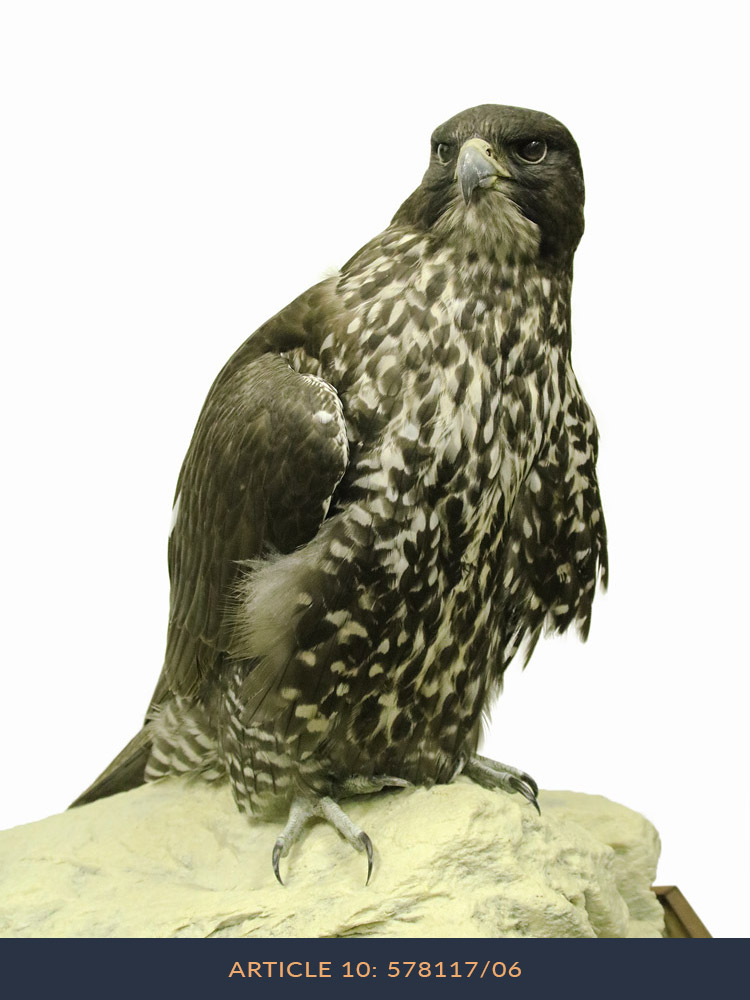
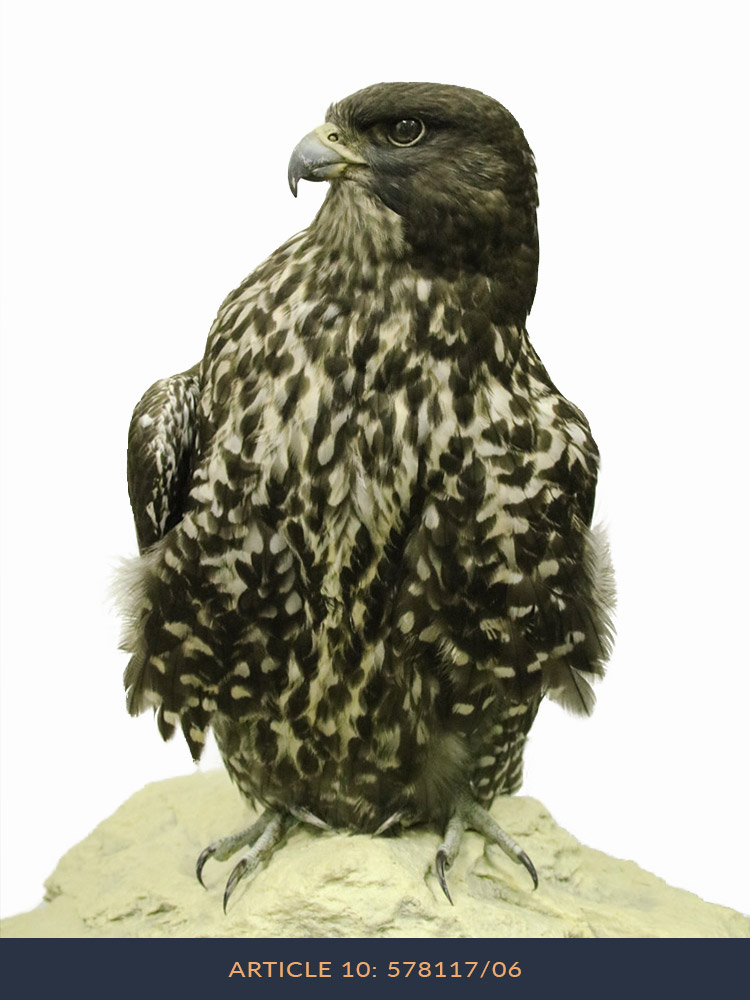
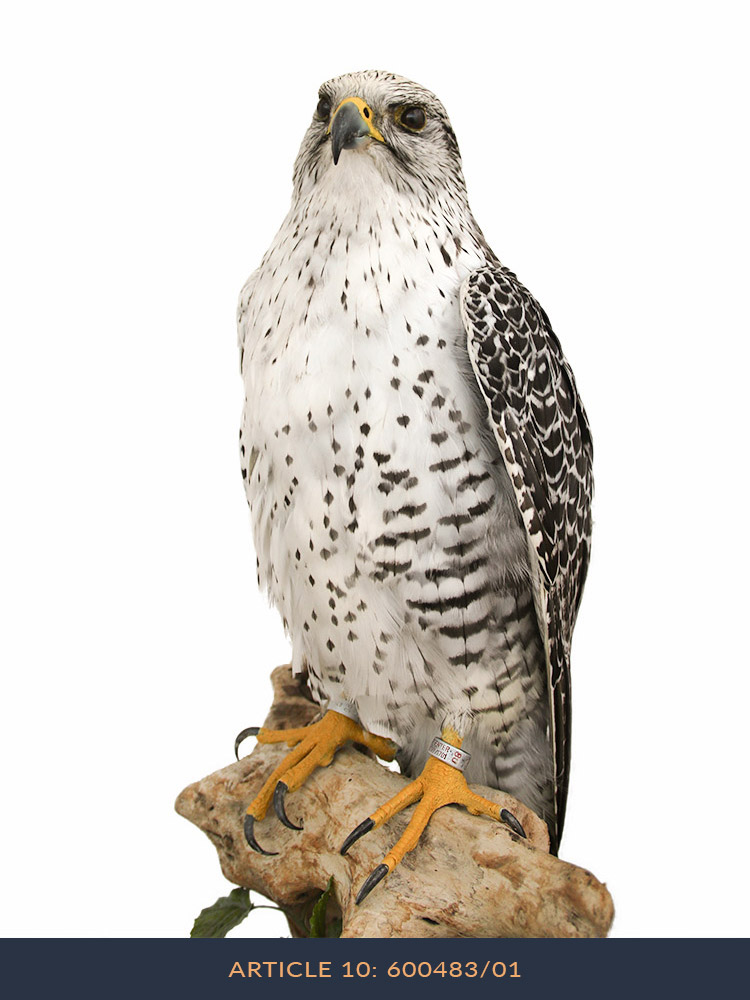
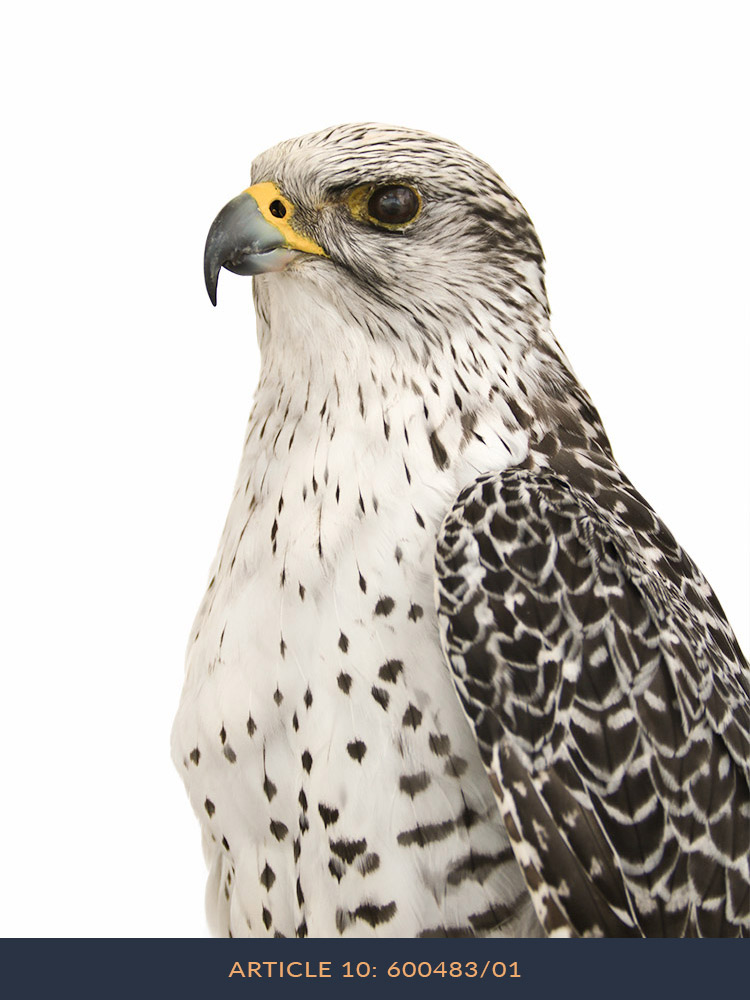
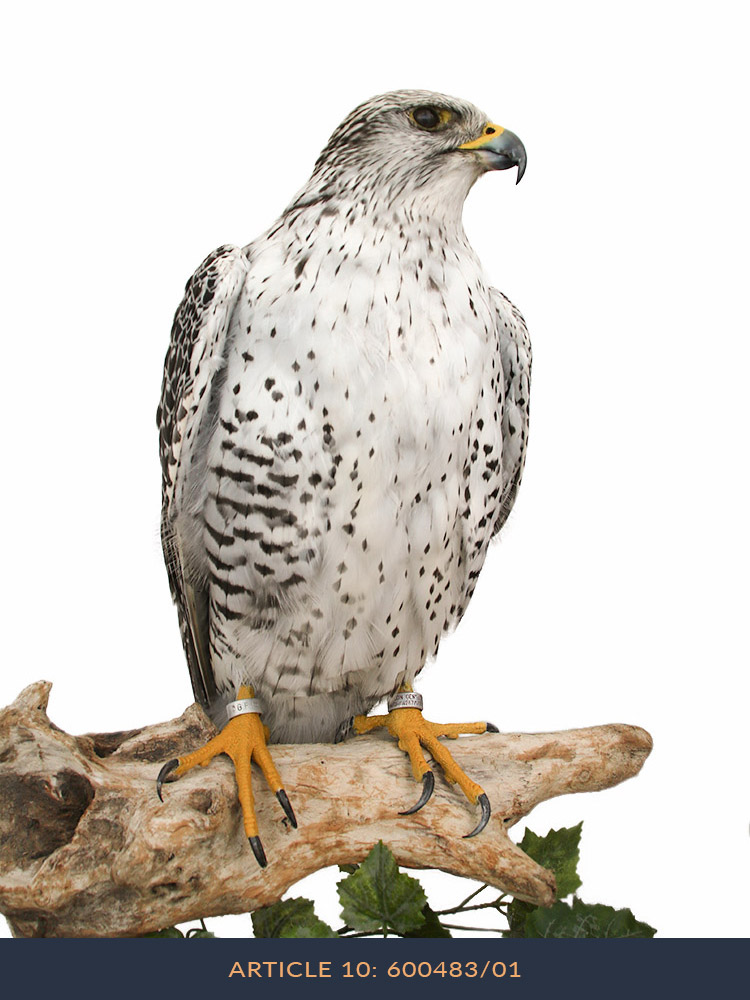
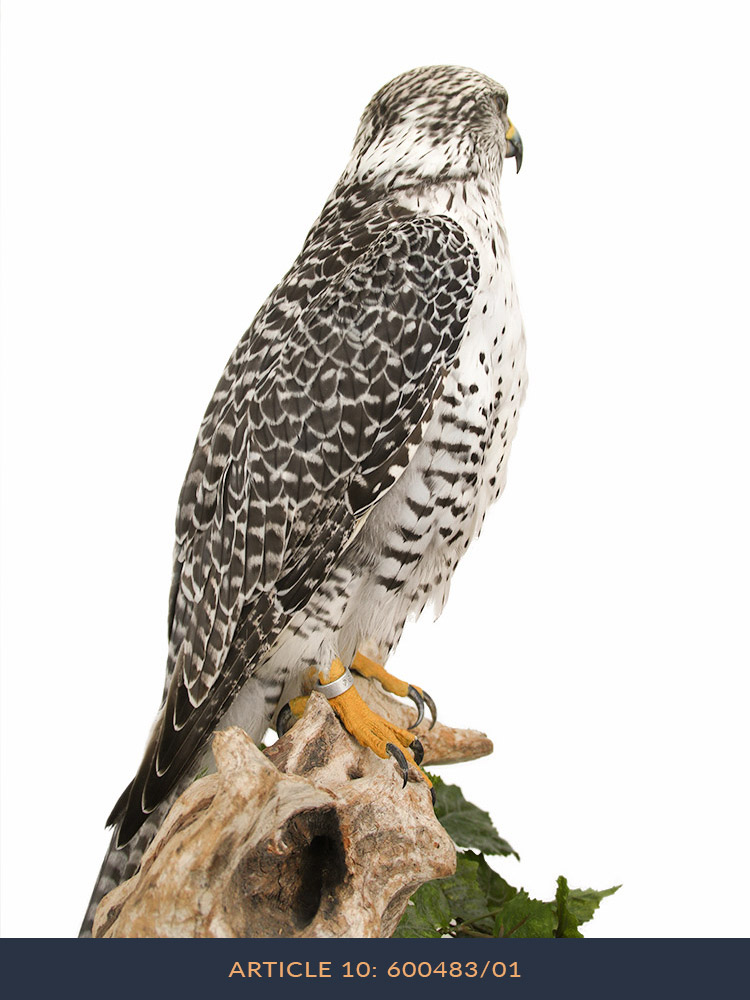
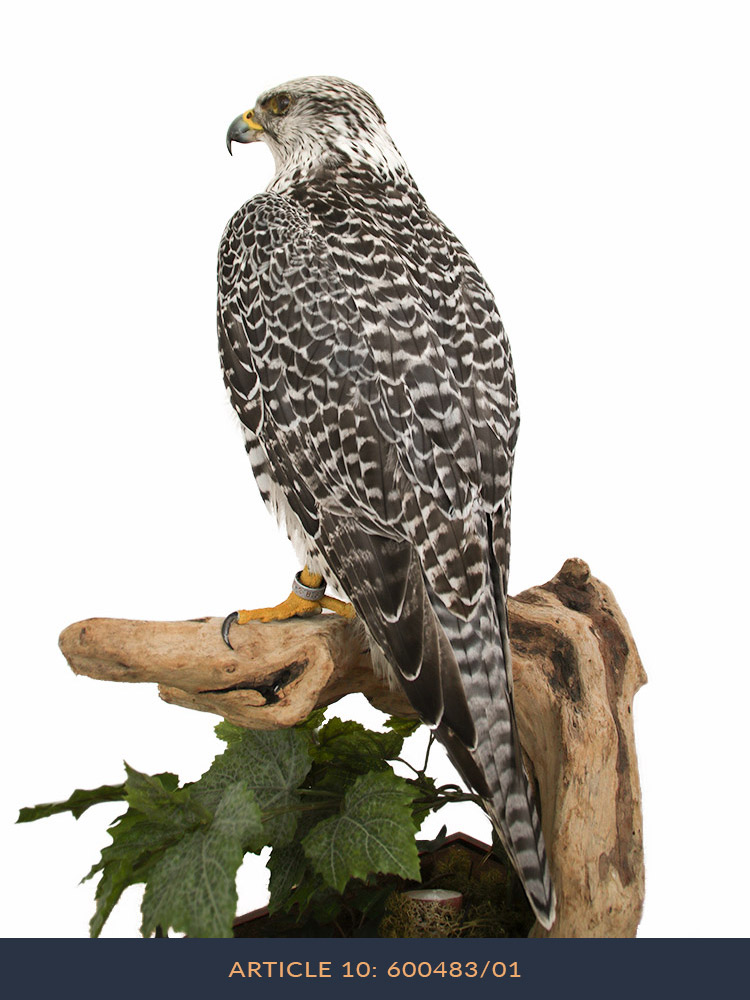
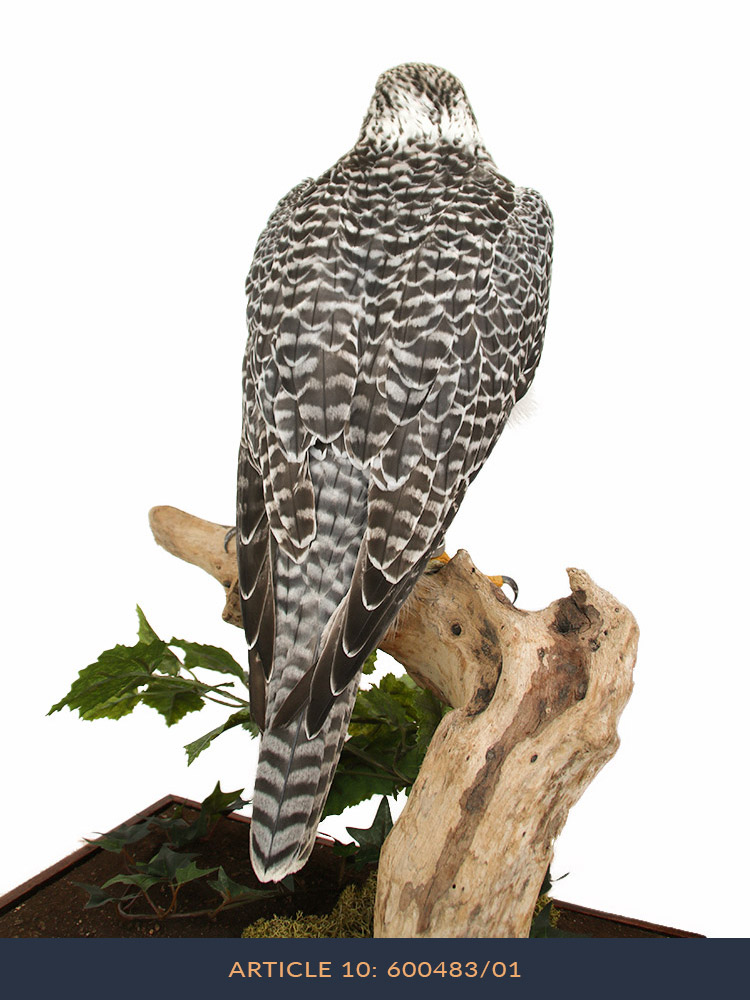
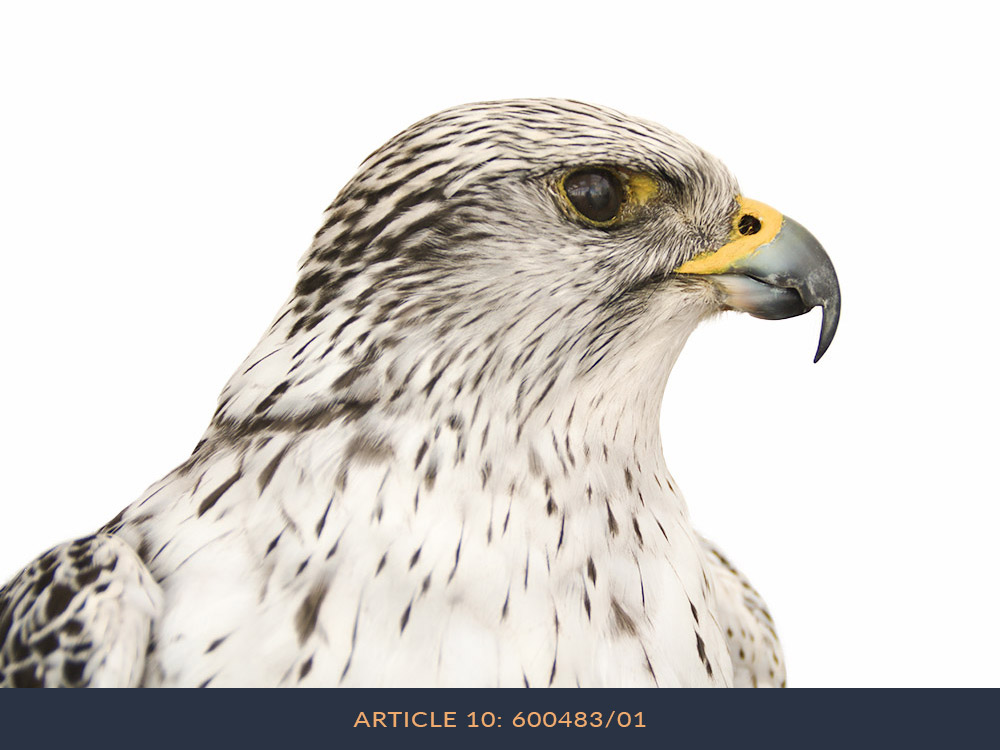
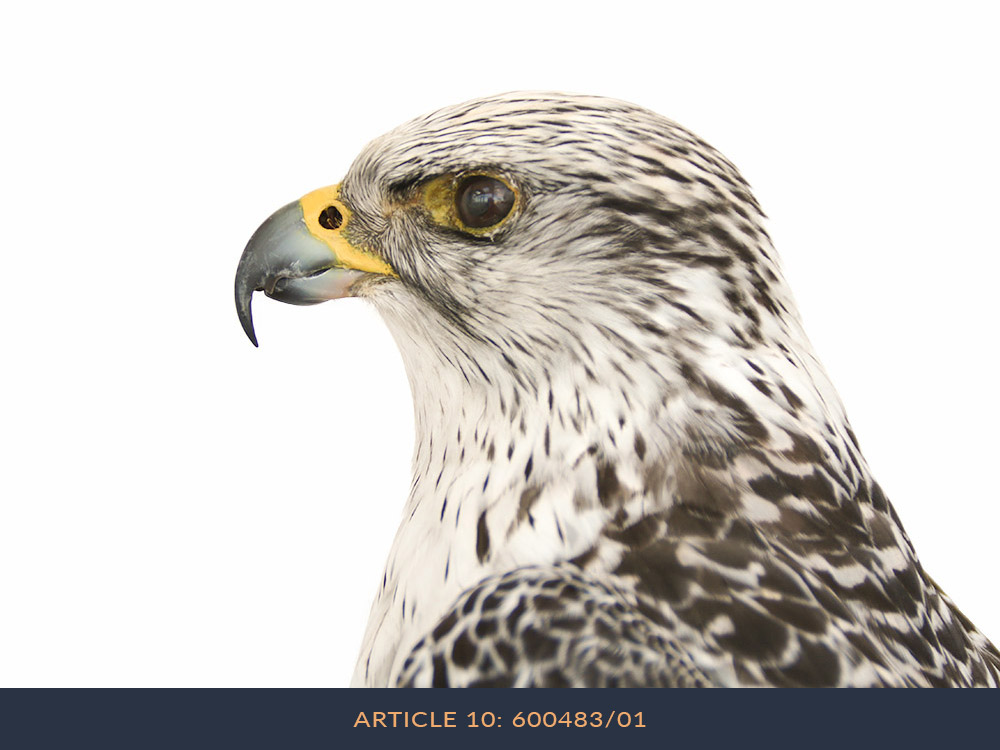
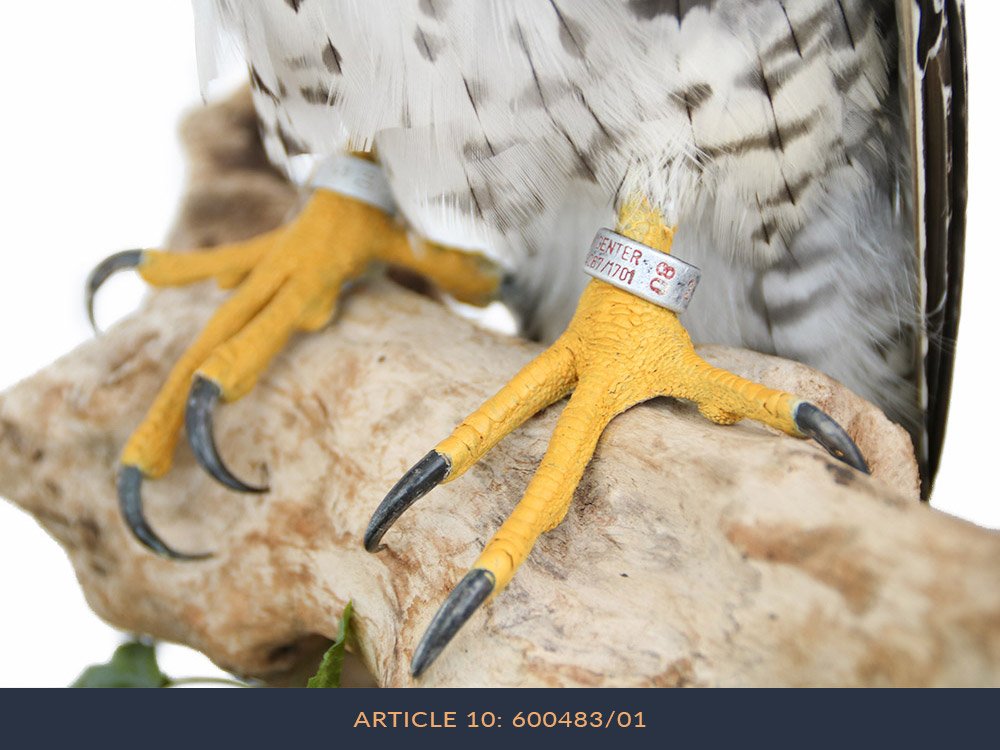
The largest of the falcon species originating from the Arctic coasts and tundra, all through the Northern Hemisphere from Alaska to the Euro Siberian region. There are many colourations and this bird is one of the first UK bred examples, in a dark Icelandic morph.
Bred by a famous UK breeder and falconer.
A large species of falcon, found everywhere from Central Europe eastwards to Manchuria. Migrates to Ethiopia, Arabia and China. Favoured by Arab falconers, it has now been usurped by the bigger and more beautiful Gyr Falcon.
Bred extensively in captivity, this bird originated from a famous lady Falconer.
Medium sized bird of prey that breed in Africa, South East Europe and parts of Asia.
Used for falconry in Europe and UK, but as other species become more popular, far less so 50 years later in 2021.
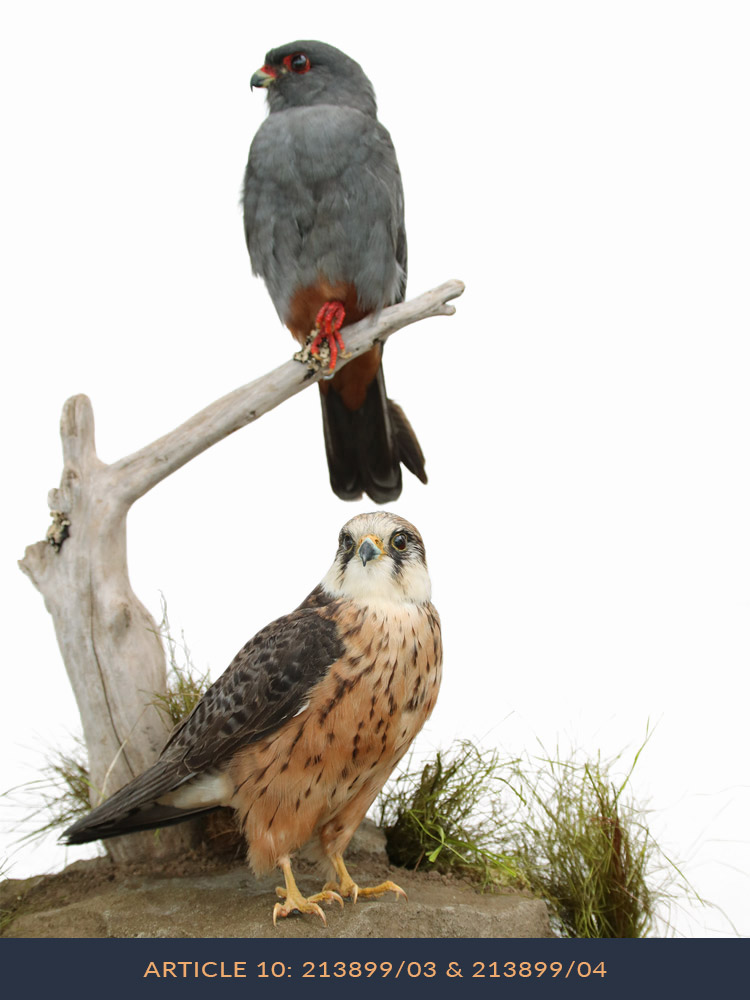
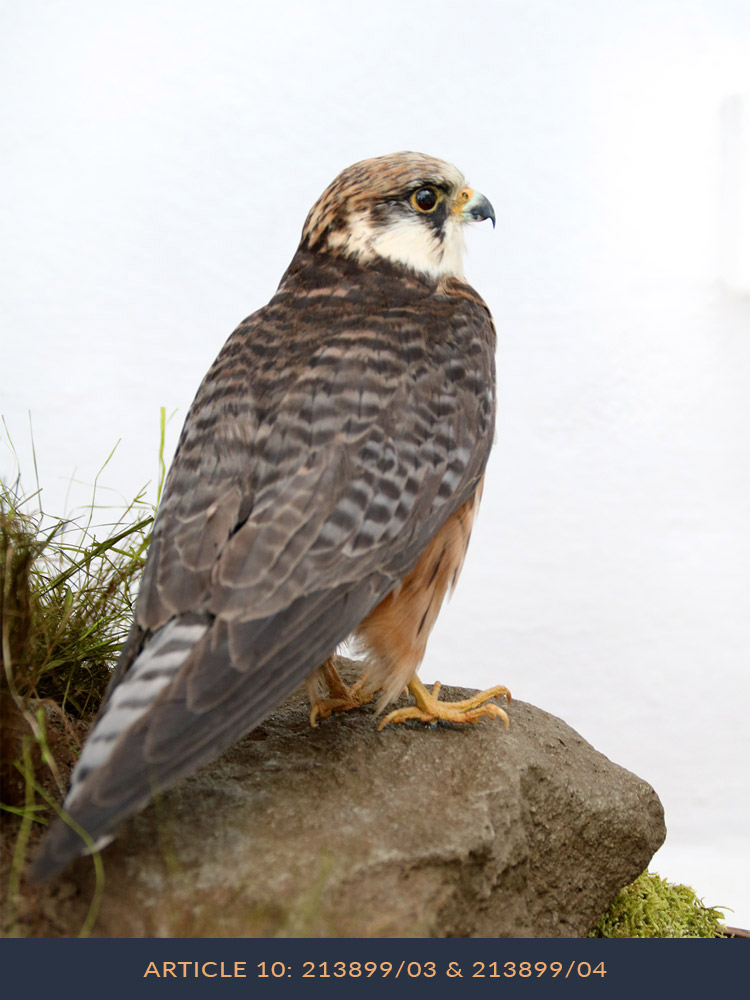
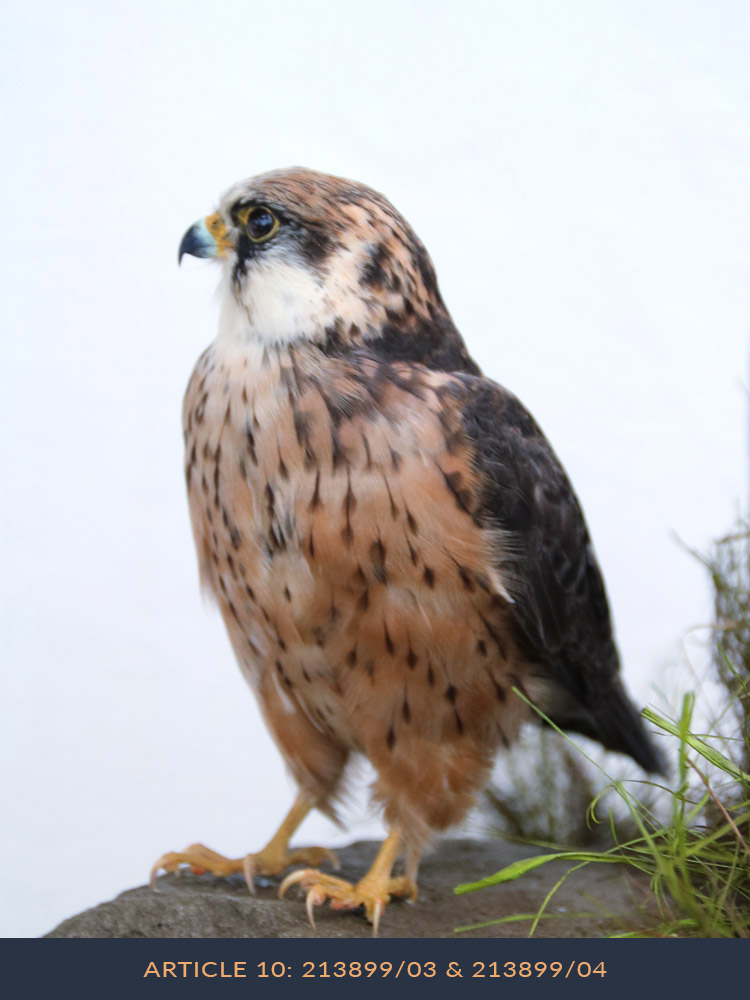
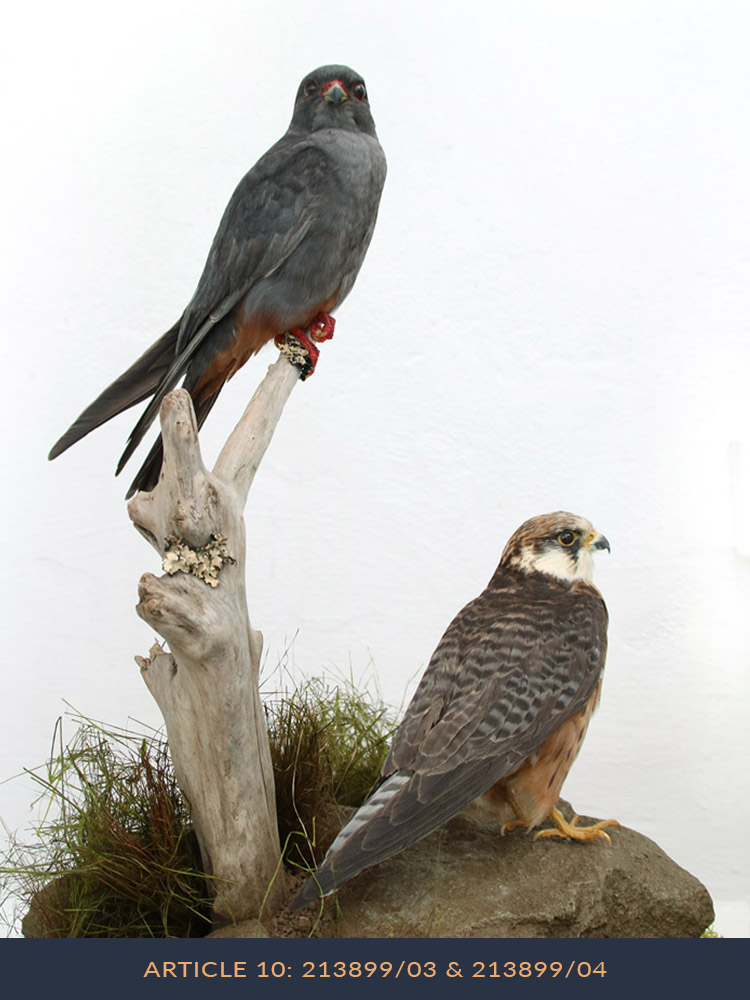
Red necked small falcon found either in India or Africa.
Used for falconry and in displays, but not so common in 2021.
This bird was a falconer’s display bird from a world famous centre.
Small slim falcon found all over Eurasia and in the UK. Dashing colouration like a miniature Peregrine.
Used for falconry and bred in captivity.
Died of natural causes.
In the 70’s onwards, cross breeding became popular, this bird coming from a famous zoo. Its beauty, a mixture of a white Gyr Falcon and a light coloured Prairie Falcon female mother, is here in all its glory.
As with 1467 but in truth not so stunning looking as predominantly all brown in colour.
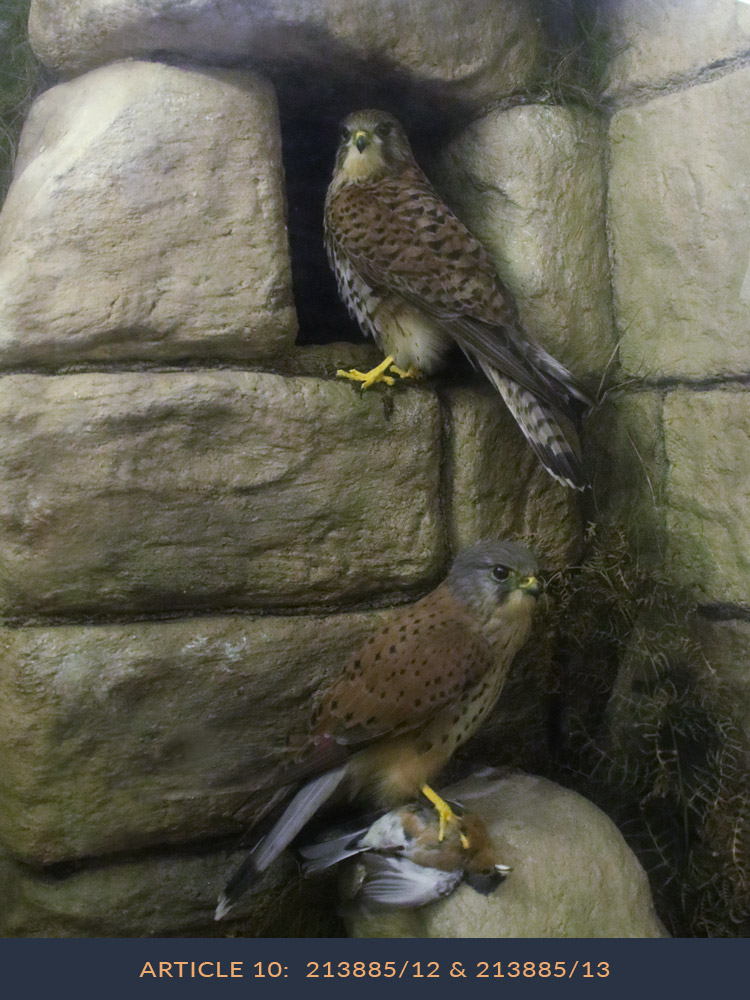
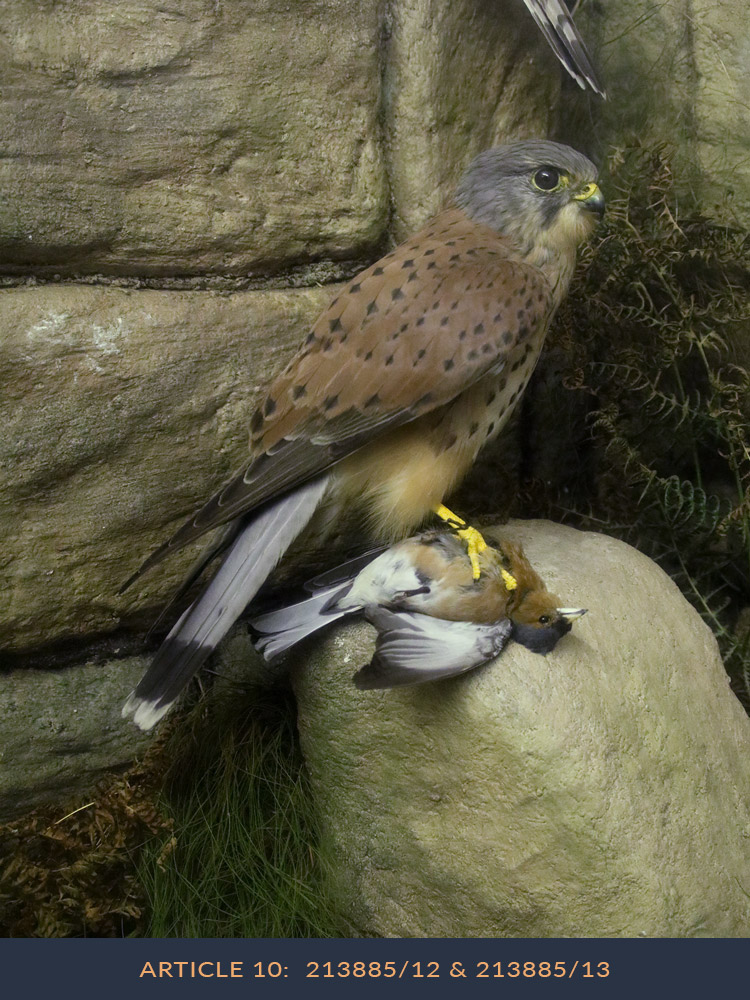
The Common Kestrel is the UK’s most commonly seen falcon, slightly larger than the Merlin or Hobby, easily distinguished by its ‘hovering’ over fields or ditches as it seeks its prey. Often mistaken for a Sparrowhawk, but totally different: falcons have brown eyes and long wings, hawks have yellow eyes and short wings.
Frequently used in falconry as a beginners bird but not as easy to train as imagined.
Both these birds, one a hybrid, the other pure, look virtually identical! As breeders learn their trade, the variations in colour become more difficult to distinguish between the hybrids and the real mc coy! Sometimes the giveaway is that the hybrid exhibits a faint orange tinge.
The hybrid here was bred in Canada and legally imported.
In the 70’s onwards, cross breeding became popular.
This bird was bred and died in Canada at the breeders and was legally imported.
A hybrid bred by Martin Lee in Canada, used for falconry and a stunning looking bird.
Medium sized falcon breeding from North Eastern Africa to the Southern Persian Gulf.
Often imported into the UK for falconry or breeding decades ago but hardly ever seen now in falconry circles.
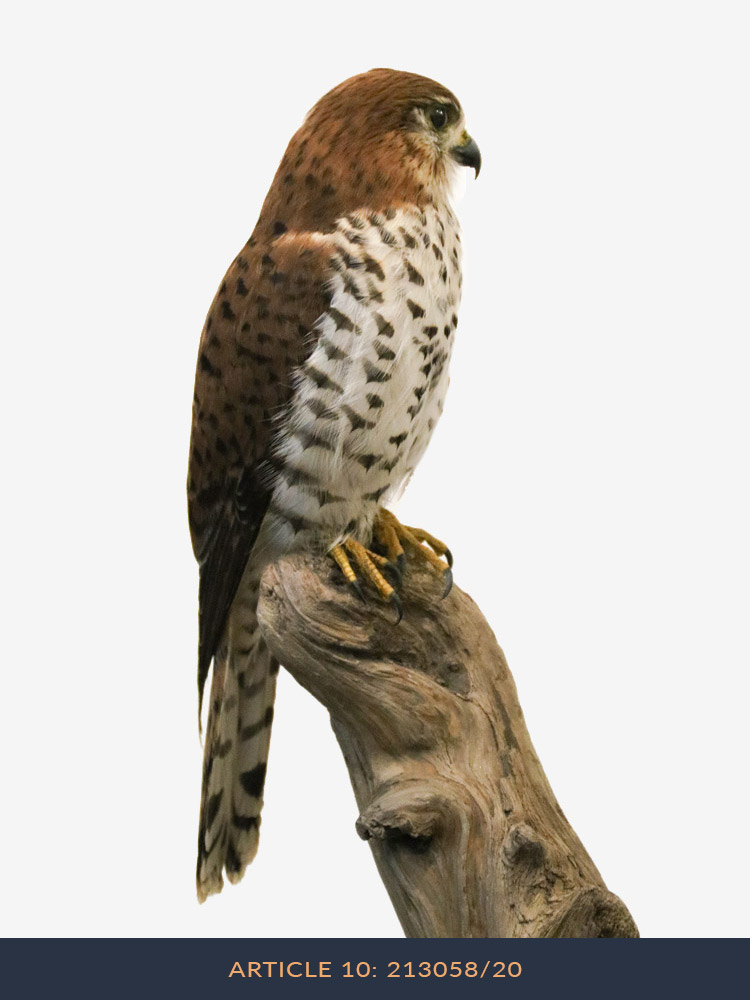
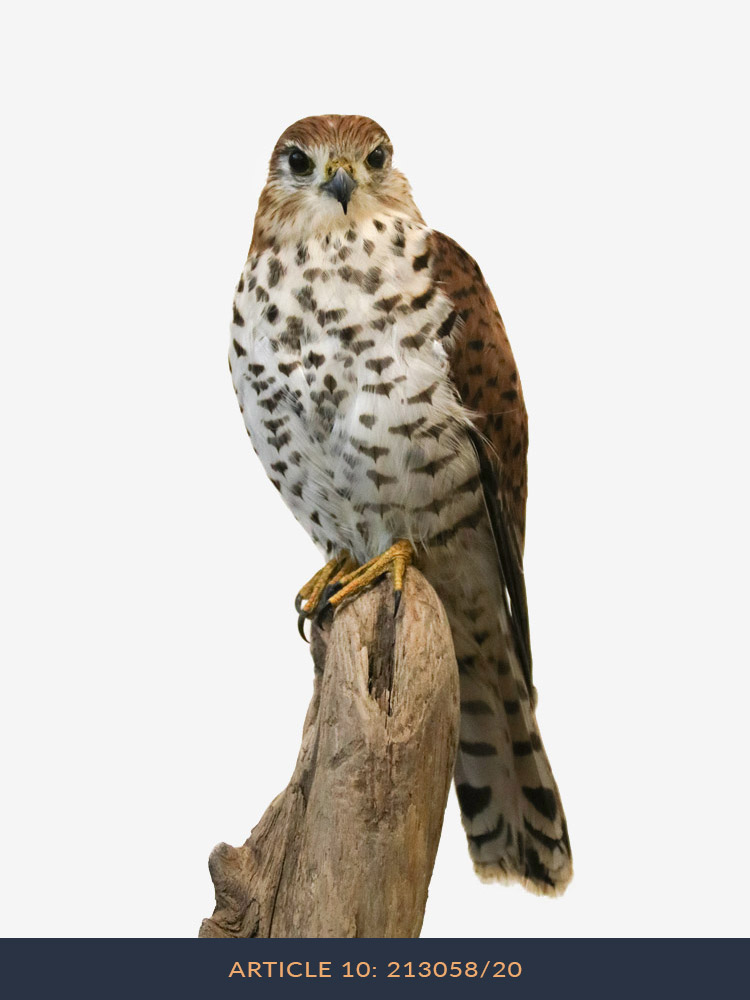
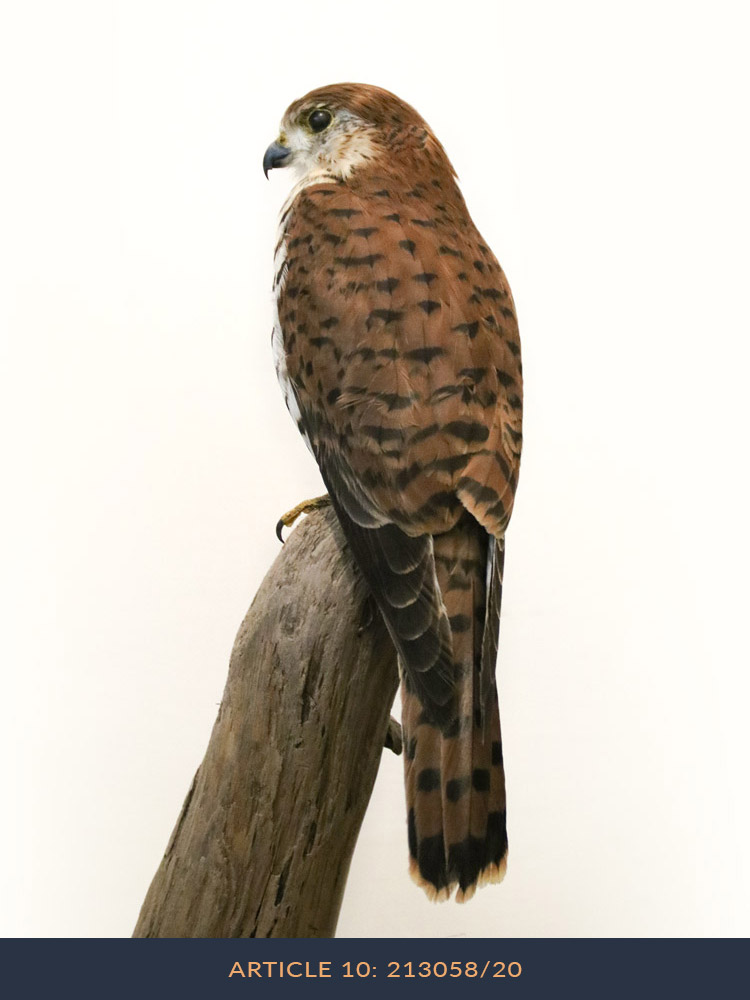
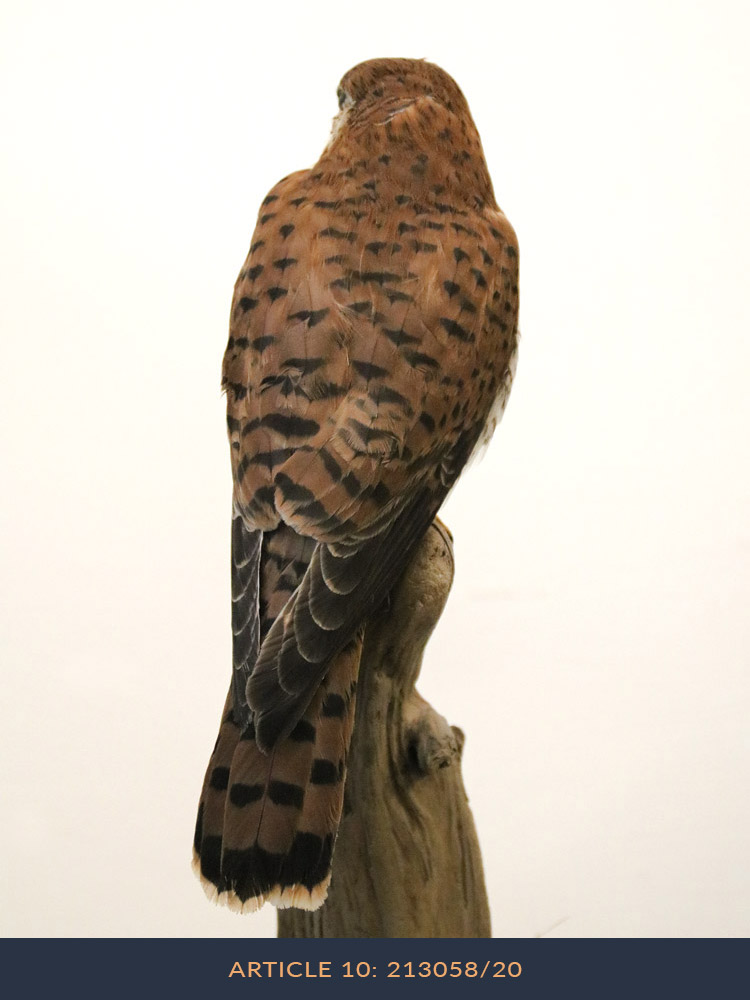
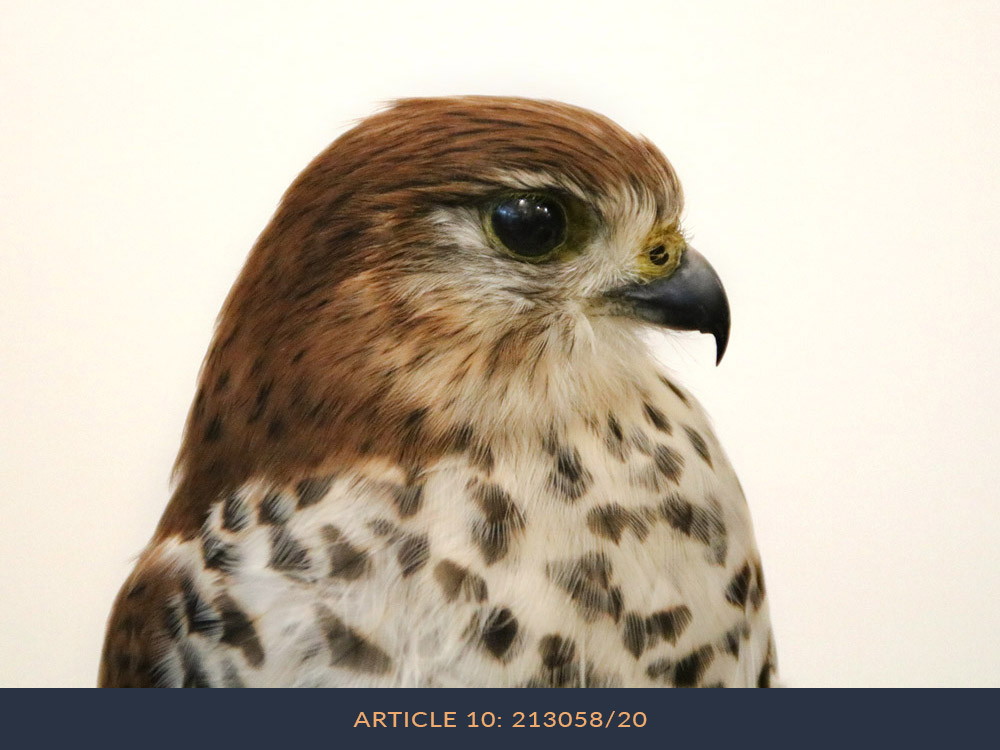
The rarest falcon on planet earth, in 1990 down to 4 pairs. Endemic to Mauritius, it was on the critically endangered list, but breeding attempts in the UK and Europe proved to be successful by individuals and the world famous raptor centre.
Died of natural causes.
Medium sized falcon originating from the Americas, now widely used in European and UK falconry breeding projects.
Died of natural causes.
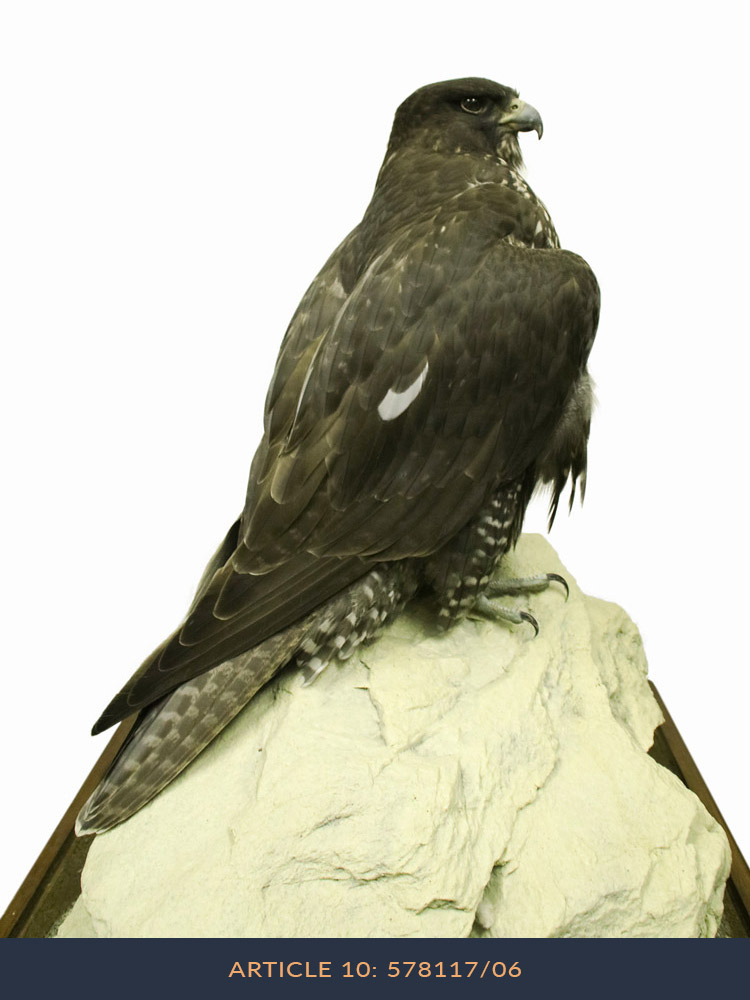
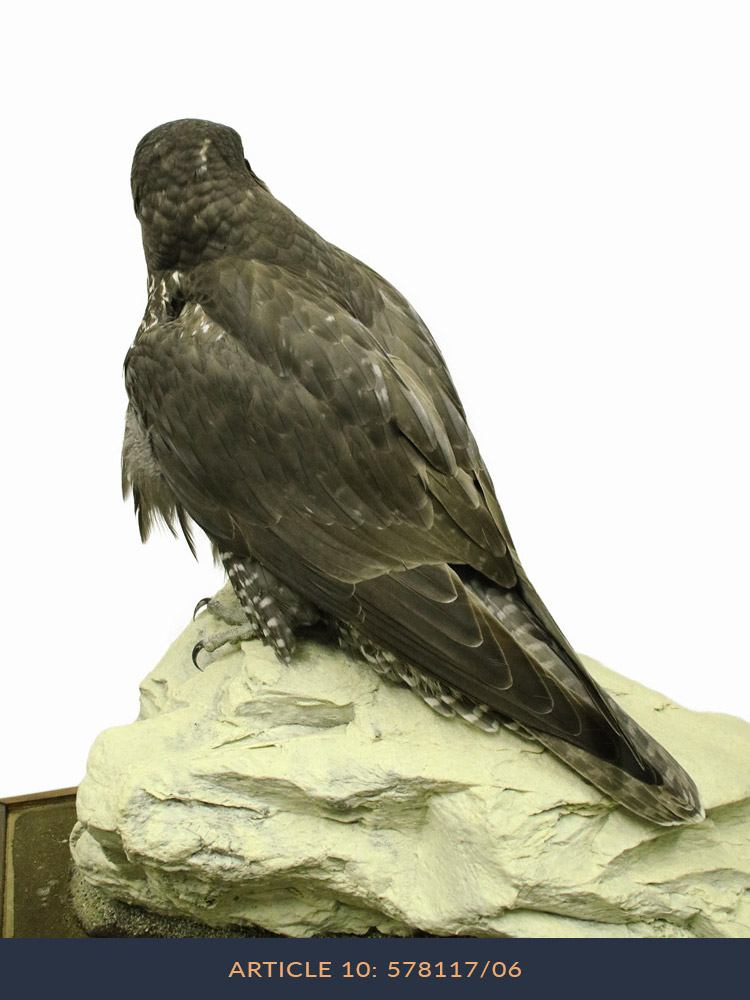
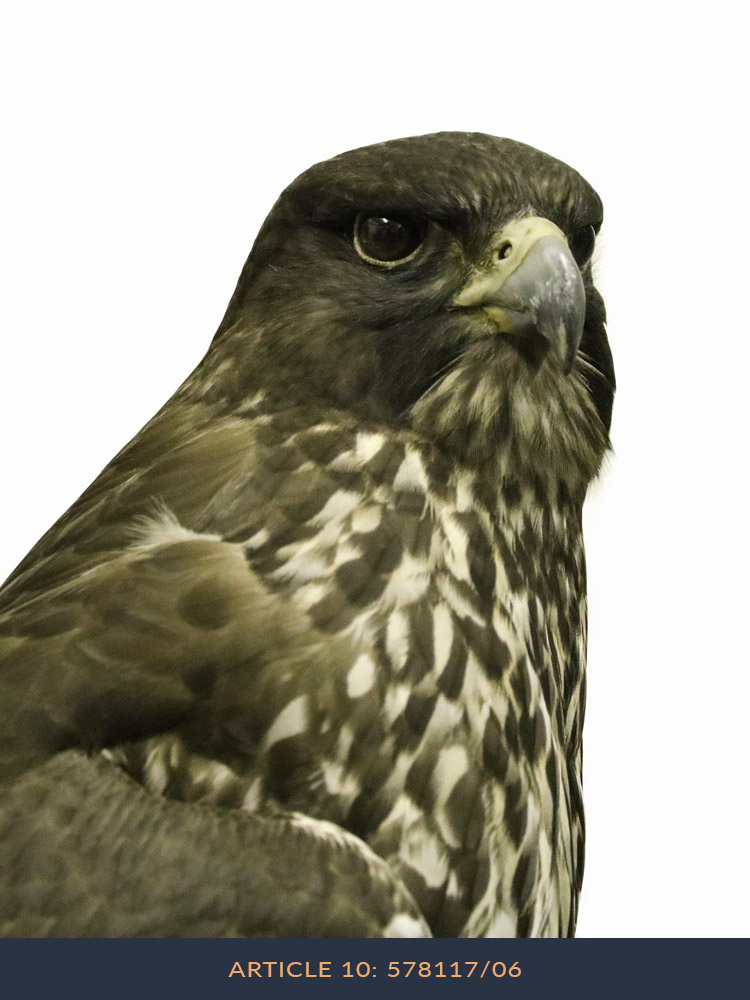
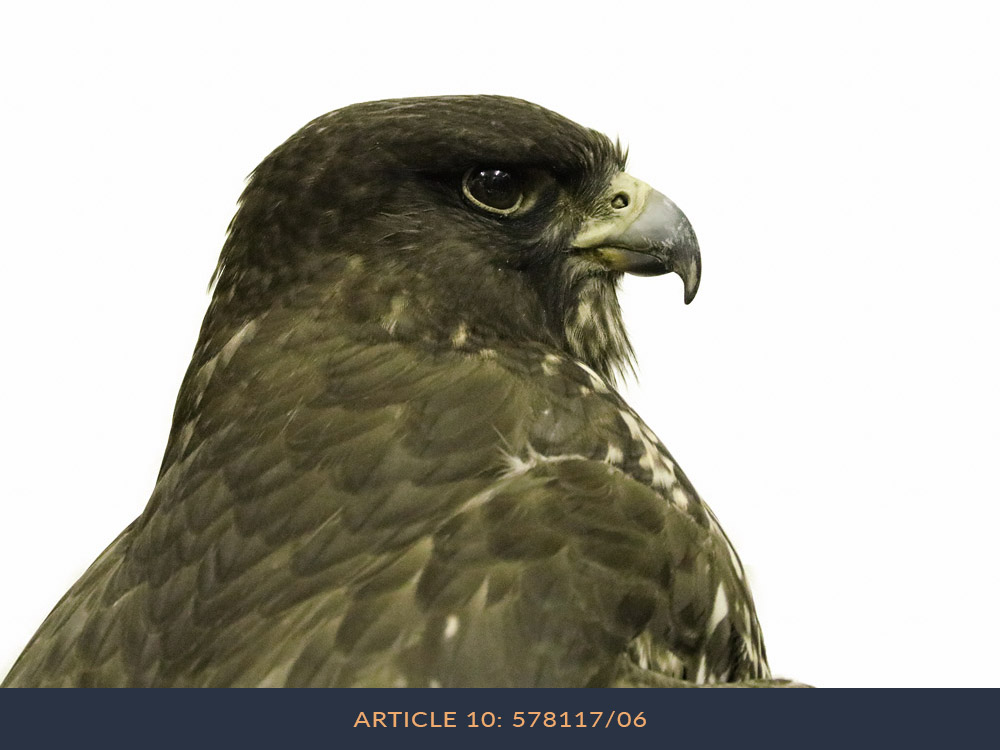
An all black dark phase Labrador Gyr Falcon bred in the UK and used for falconry purposes until its death by natural causes.
This bird is unique in as much as it was probably the very first wild Gyr Falcon caught for breeding purposes in Alaska by world famous falconer and breeder John le Jeune.
This bird, Tuke, died aged 32 and is a rare cream coloured candicans specimen imported from Canada after its death.
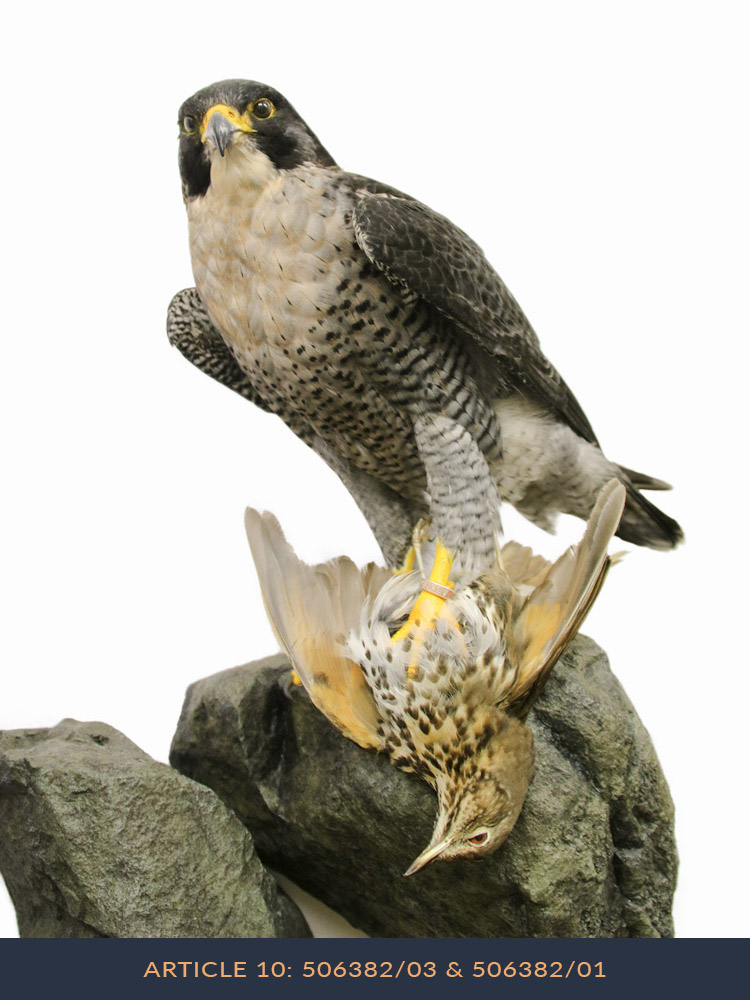
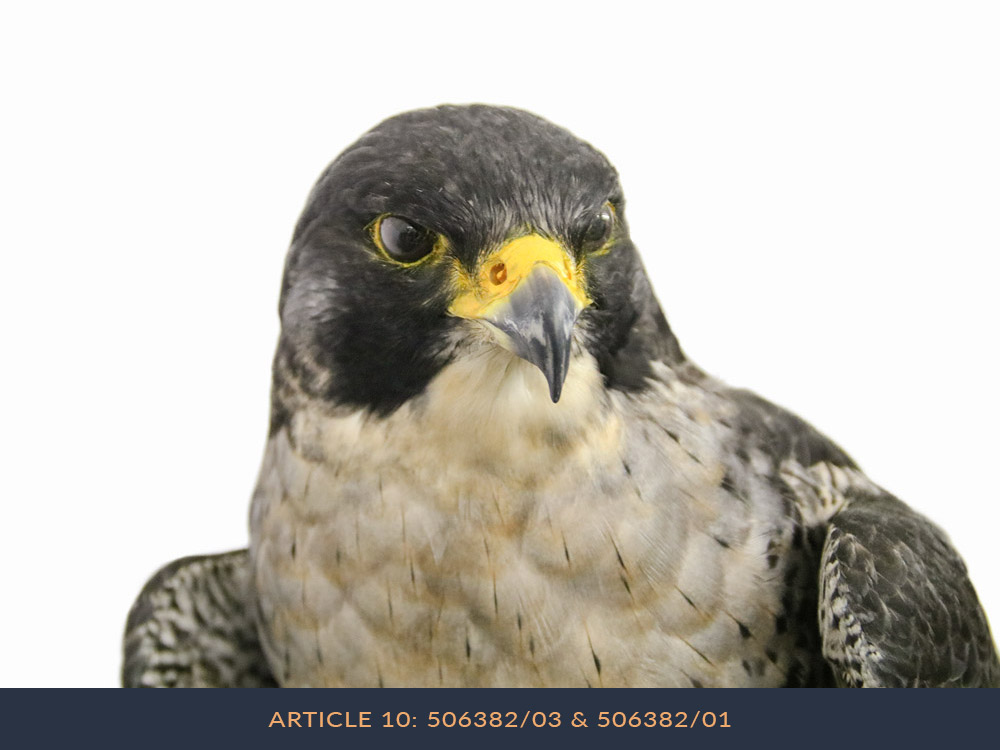
Peregrine Falcons are the fastest bird on planet earth, regularly achieving speeds of up to 200 mph in a vertical stoop, killing prey.
Found world wide and prized by falconers, they are extensively bred for falconry in both Canada, Europe and the UK.
2584 came from a famous Canadian breeder, Le Jeune and 2766 from a UK breeder.
The only falcon to have either a brown eye or white eye. Found in Eastern and Southern Africa.
Often imported for falconry establishments and breeding projects.
Died of natural causes.
Small slim falcon found all over Eurasia and in the UK. Dashing colouration like a miniature Peregrine
Used for falconry and bred in captivity.
Died of natural causes.
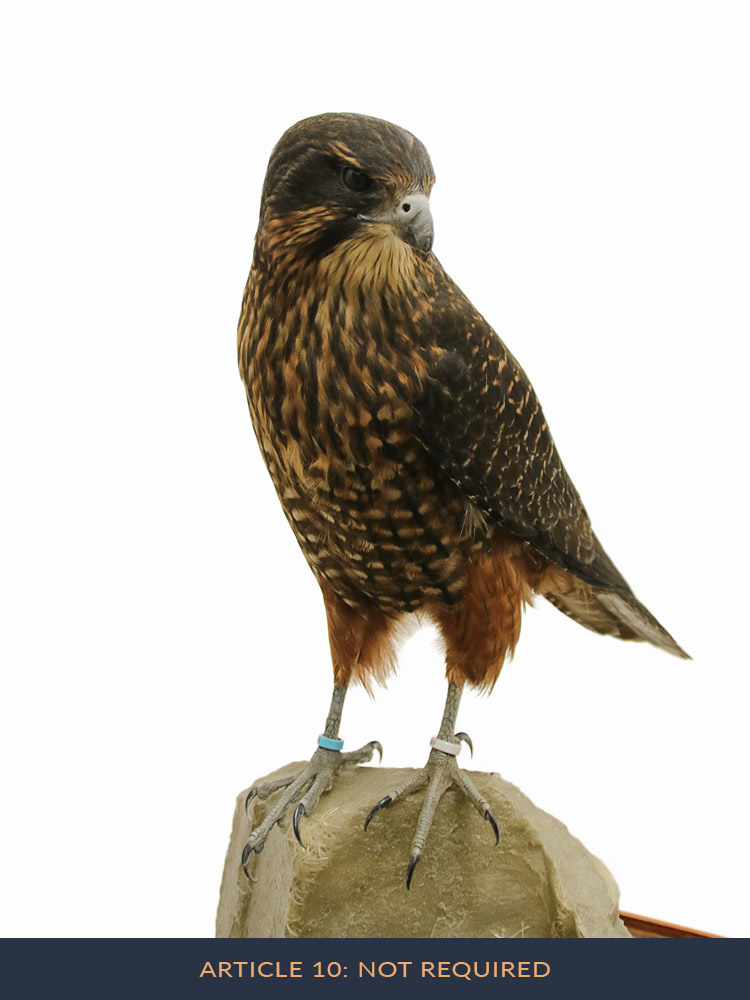
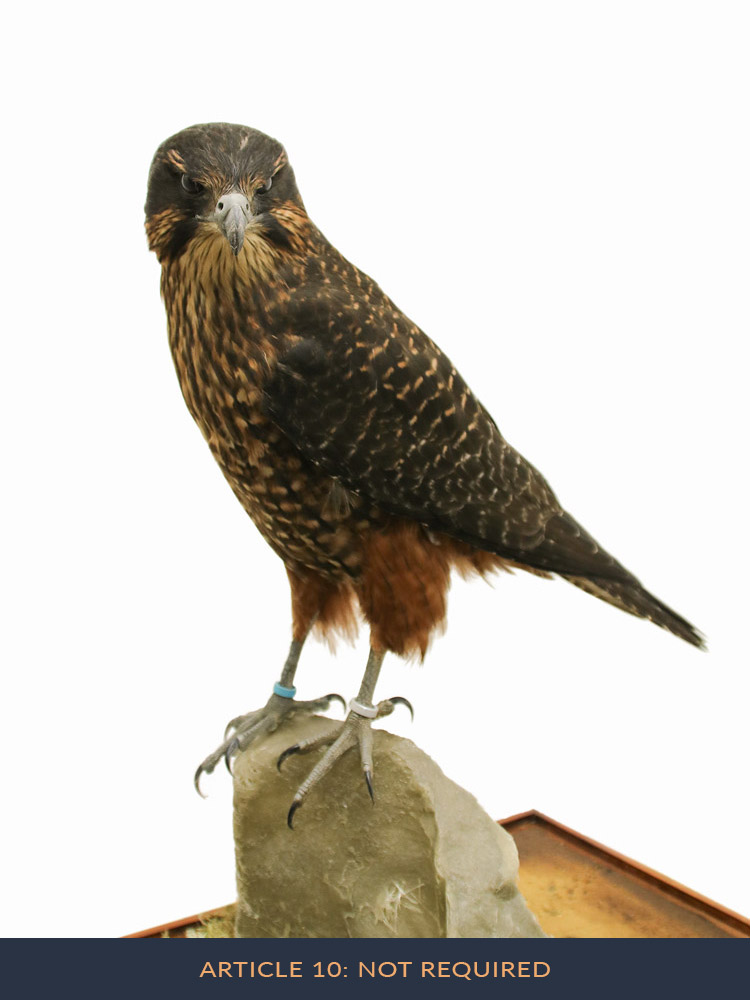
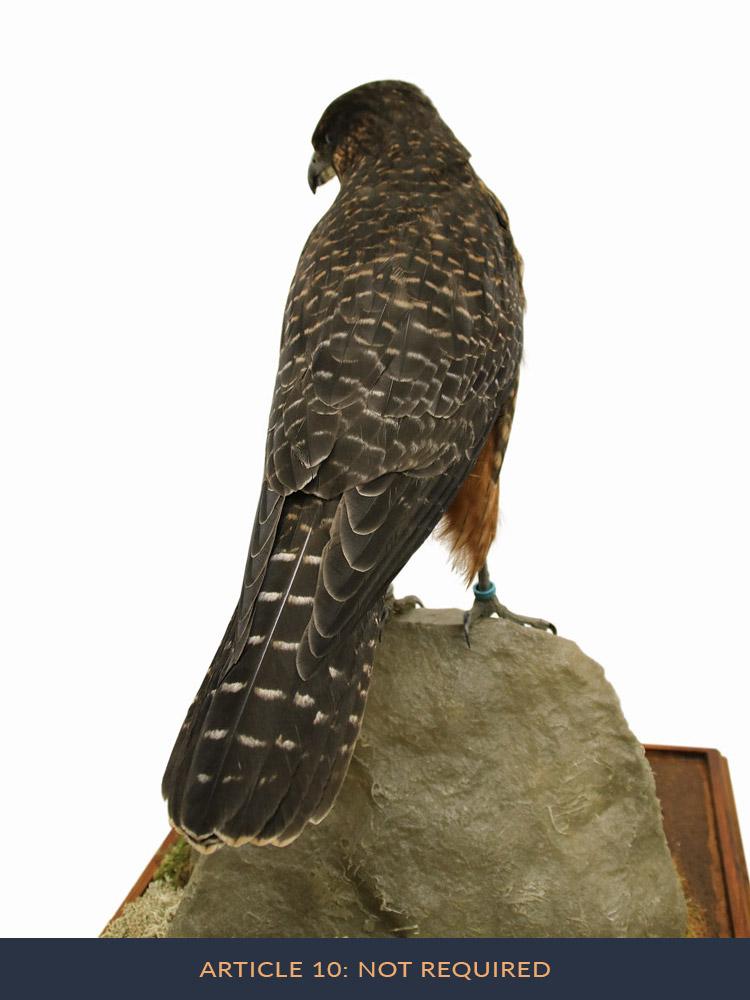
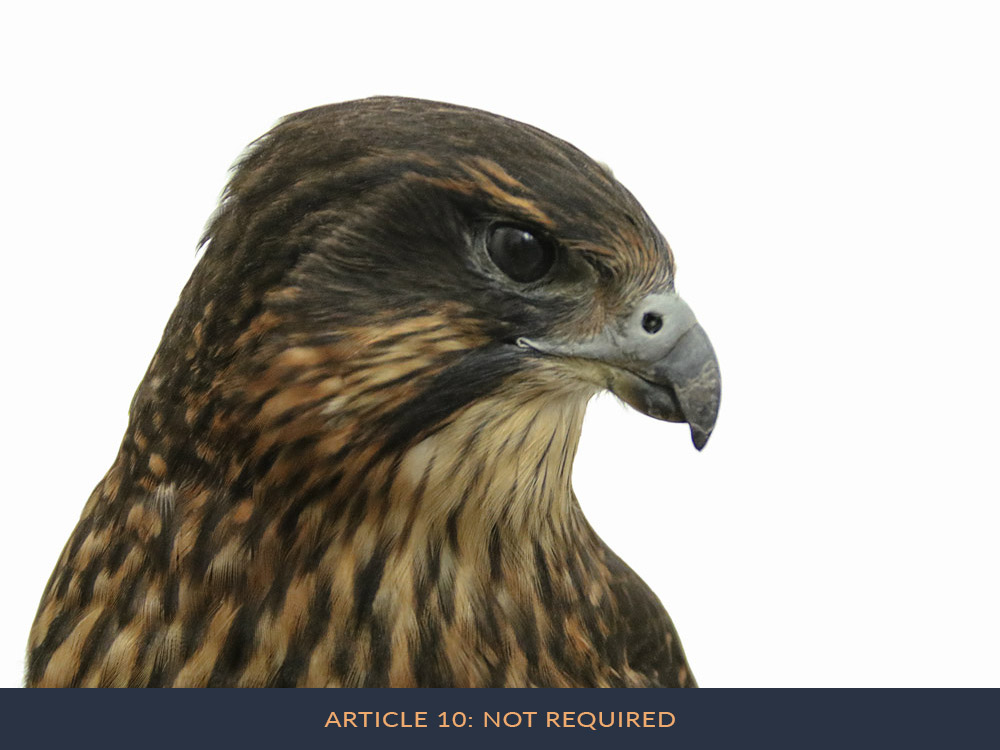
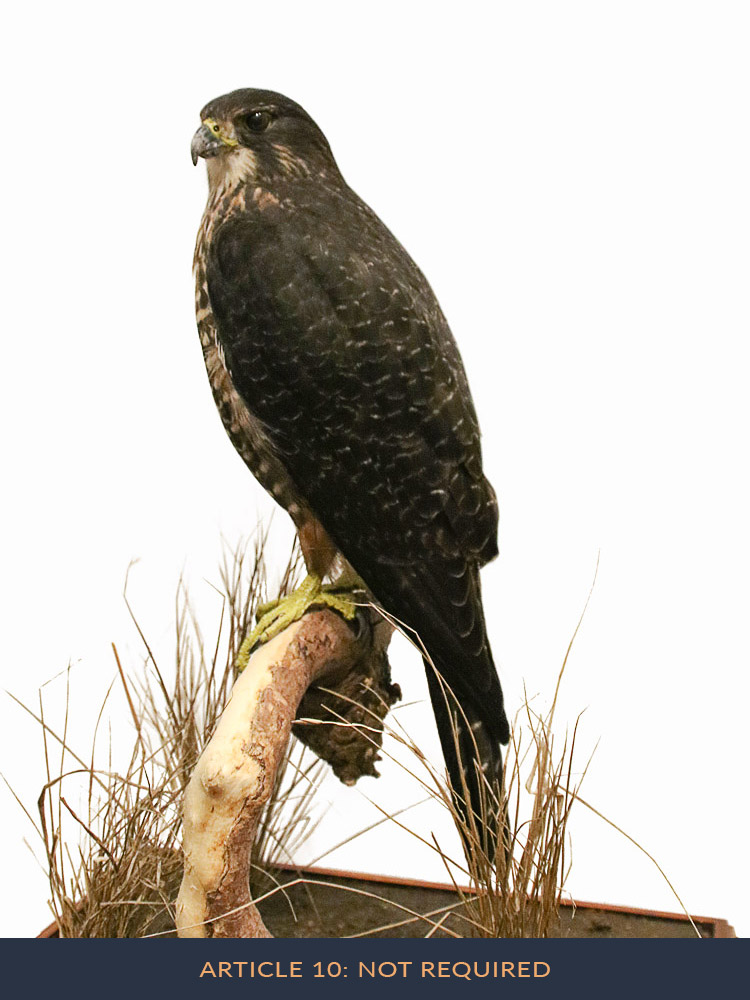
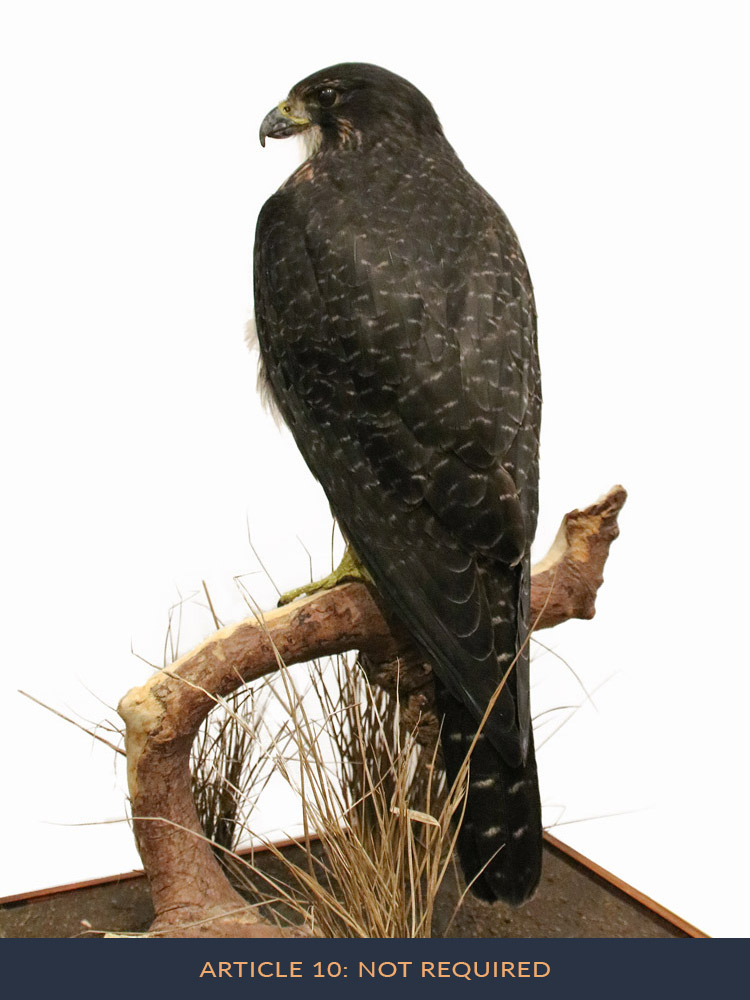
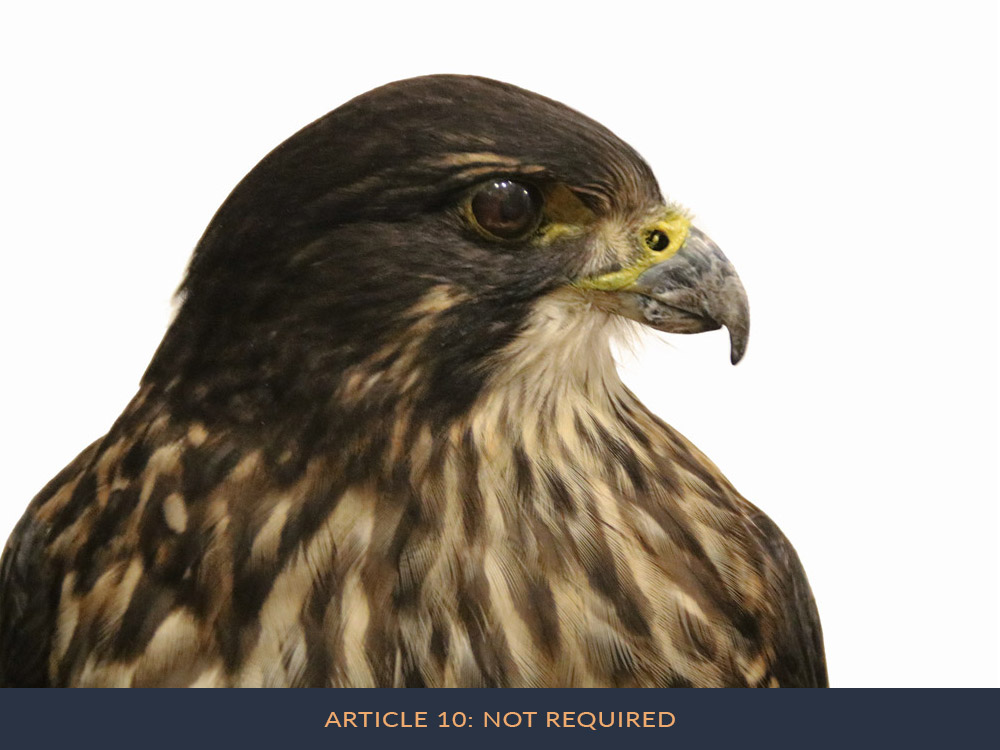
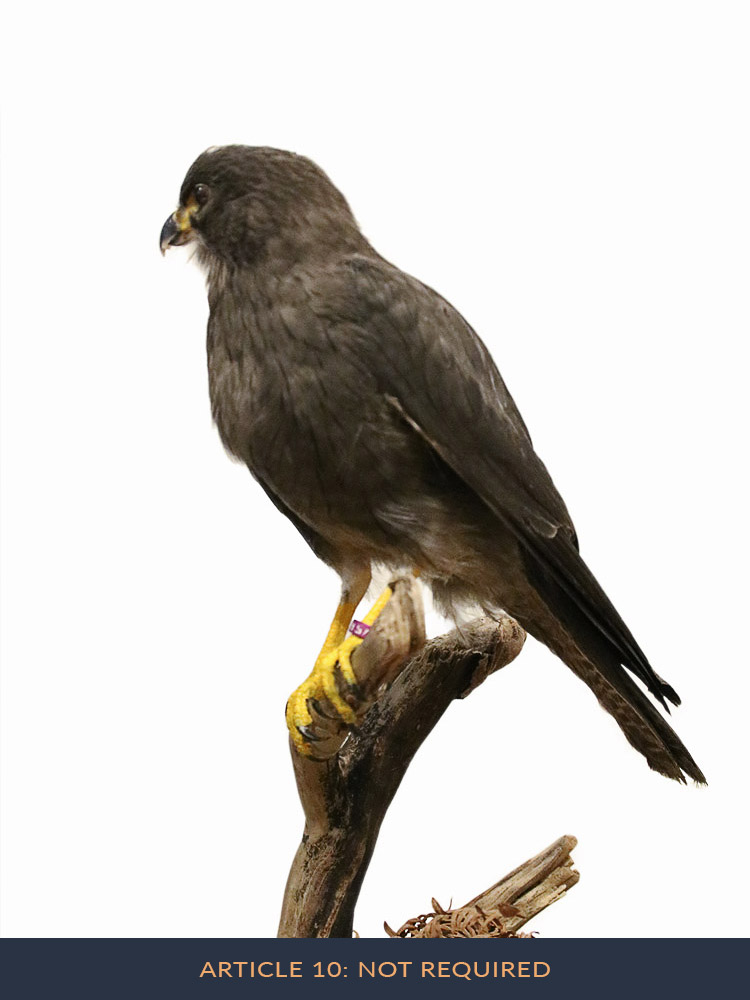
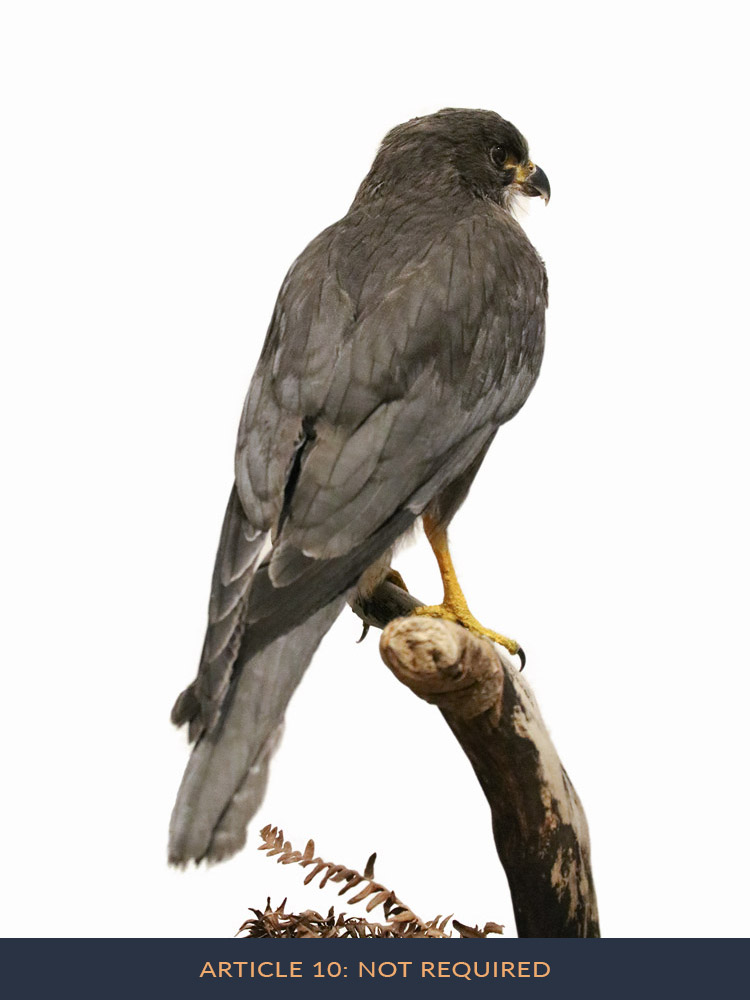
New Zealand’s only falcon, threatened to extinction with now only 3,000 breeding pairs after possum spraying toxins, known as 1080 caused havoc with New Zealand’s wildlife.
Now bred in the UK by a well known falconer for the last 20 years and therefore widely used in falconry circles.
Died of natural causes.
Dark phase all black Gyr.
Originates from Labrador and bred in captivity in UK.
Peregrine Falcons are the fastest bird on planet earth, regularly achieving speeds of up to 200 mph in a vertical stoop, killing prey.
Found world wide and prized by falconers, they are extensively bred for falconry in both Canada, Europe and the UK.
Medium sized falcon, native to North Africa, Middle East, Central and Southern Asia.
Used for falconry as was this bird and bred in the UK.
Dark phase Gyr Falcon, bred in the UK, there are probably now 20 breeders (large scale) of the Gyr Falcon, mostly catering for the Arab market where they are used for Falcon Racing.
Gyr Falcons do not take kindly to damp, warm climates and often suffer from aspergillosis, a disease of the lungs and respiratory system.
These UK bred Icelandic Gyr Falcons were bred by a well known UK breeder, working very closely with his Arab partners.
Draga and Magnus both fully adult, died of natural causes.
New Zealand’s only falcon, threatened to extinction with now only 3,000 breeding pairs after possum spraying toxins, known as 1080 caused havoc with New Zealand’s wildlife.
Now bred in the UK by a well known falconer for the last 20 years and therefore widely used in falconry circles.
Smallest and most common falcon in North America.
Used in falconry circles and frequently found in the UK falconry establishments.
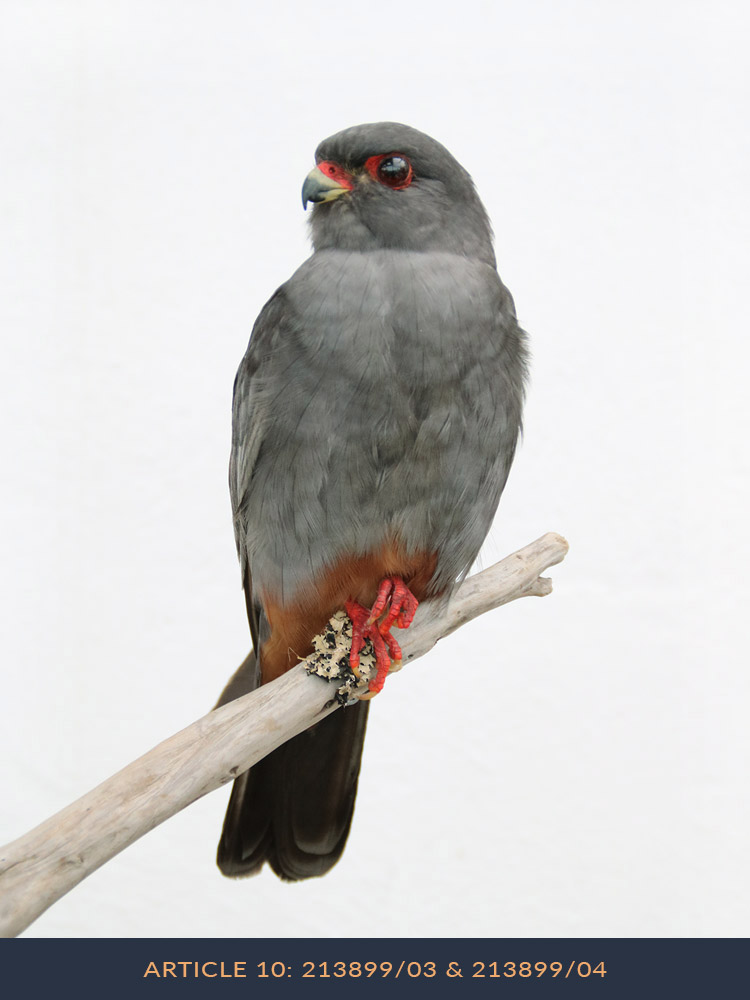
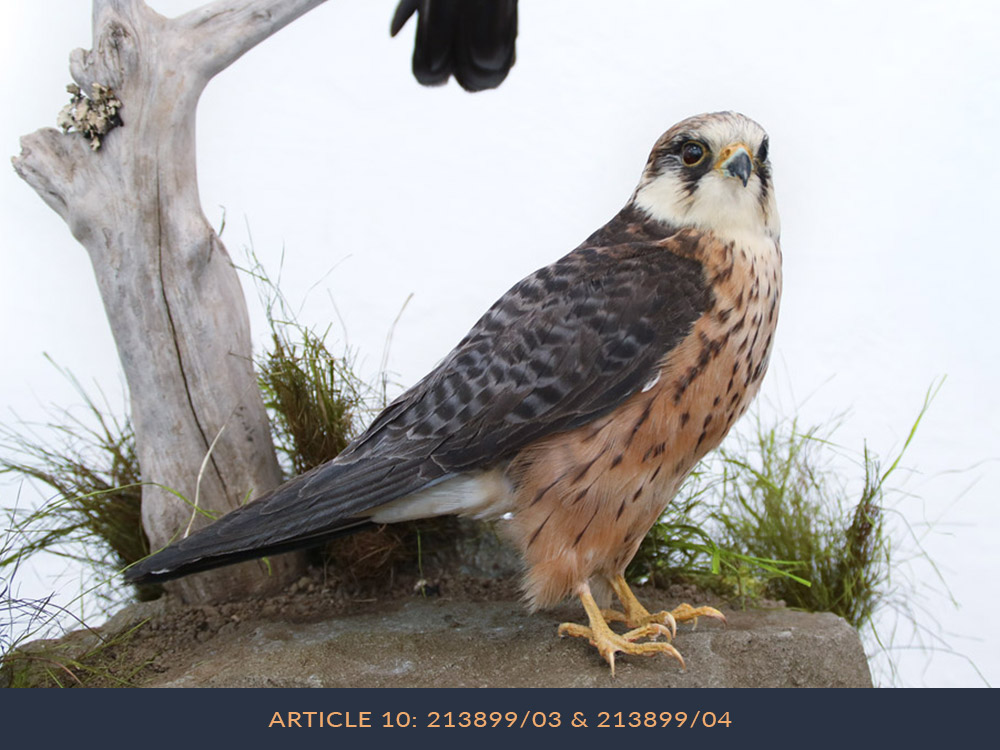
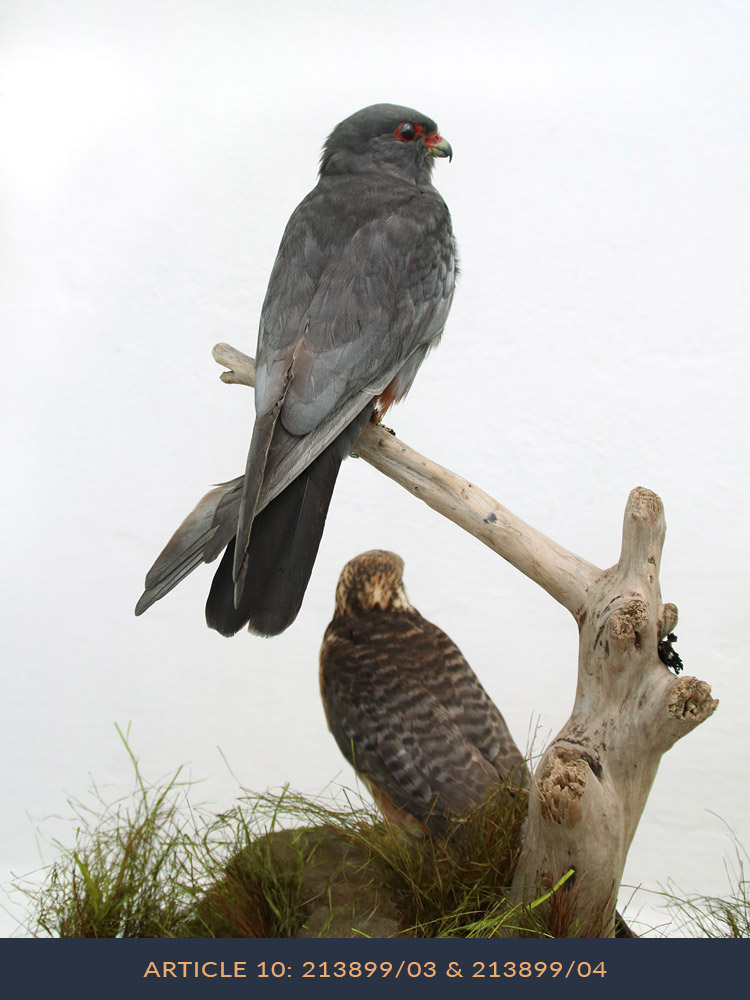
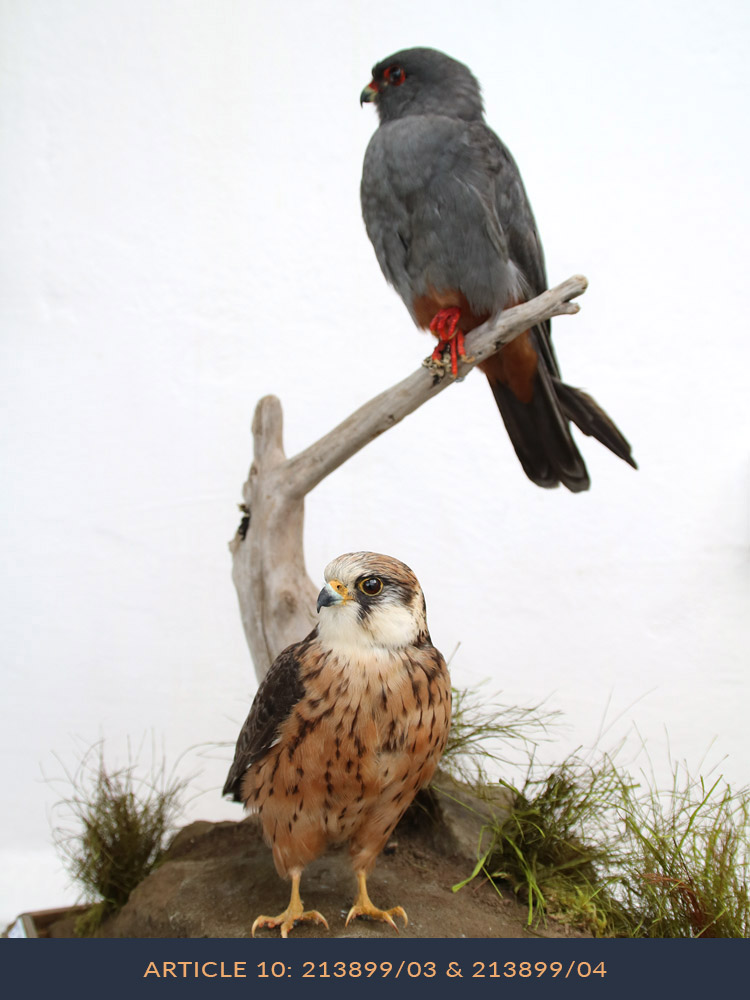
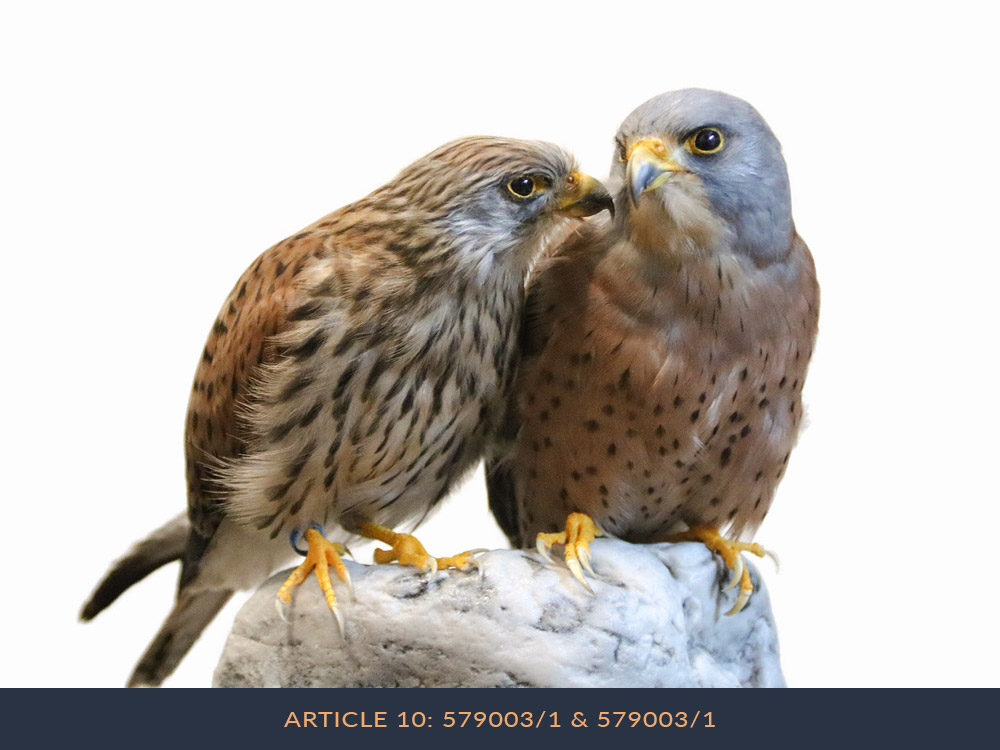
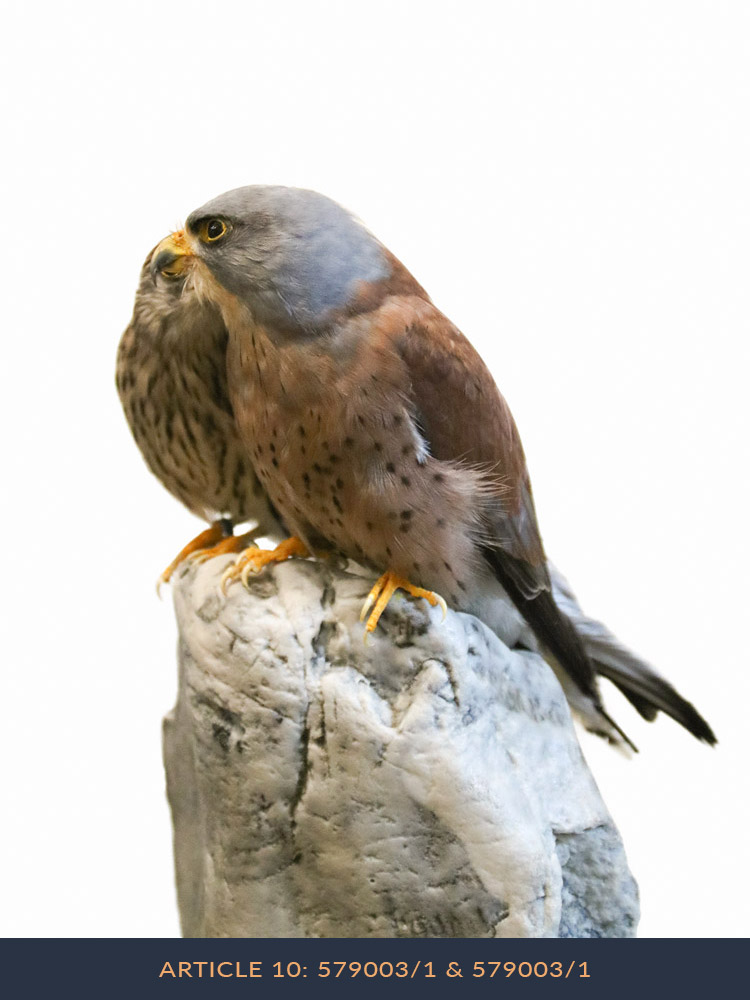
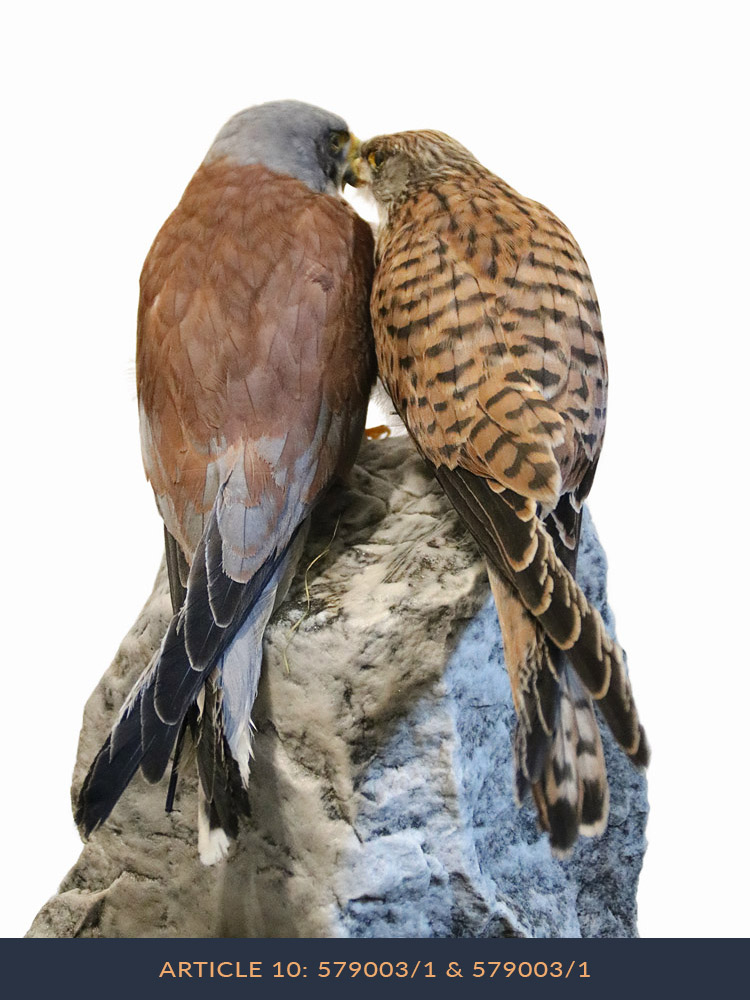
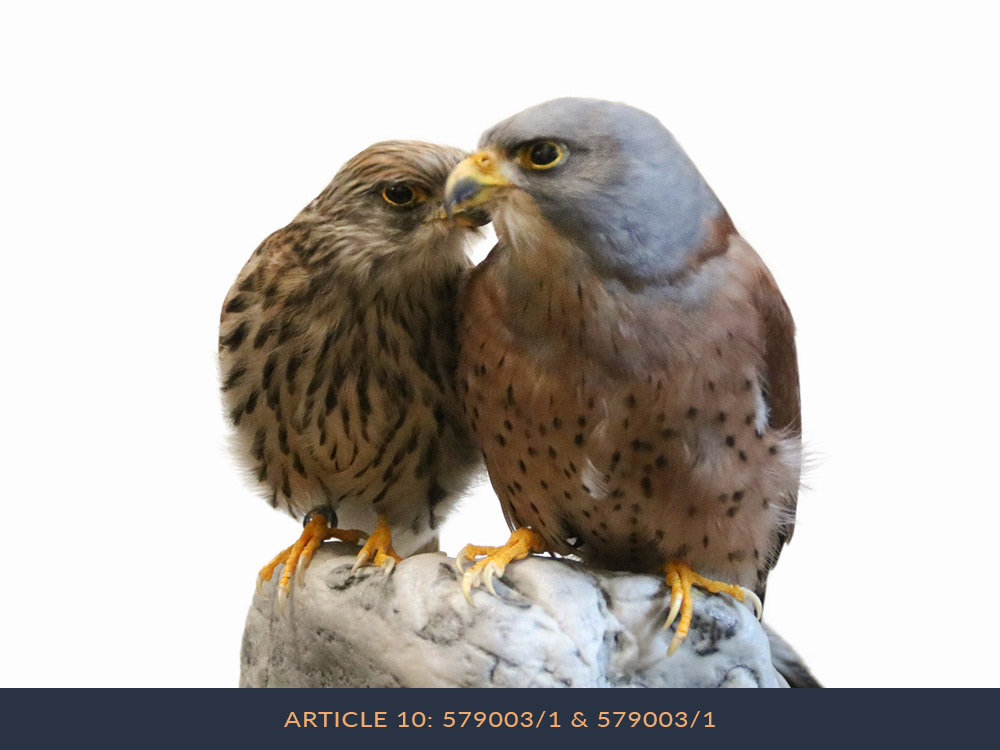
Small Mediterranean falcon, wintering in Africa. Declining in Europe, a smaller version of the Eurasian Common Kestrel.
Sometimes bred in the UK, but rarely, these birds came from a registered breeder, dying of natural causes.
Non migratory subspecies of the Peregrine Falcon, found mainly on Indian subcontinent.
Imported into the UK over the last 50 years and bred in captivity, though not in great numbers.
Died of natural causes.
A subspecies of the Peregrine Falcon, the Red Naped variety is more common in falconry circles than the Black Naped Shaheen.
Bred in the UK.
Died of natural causes.
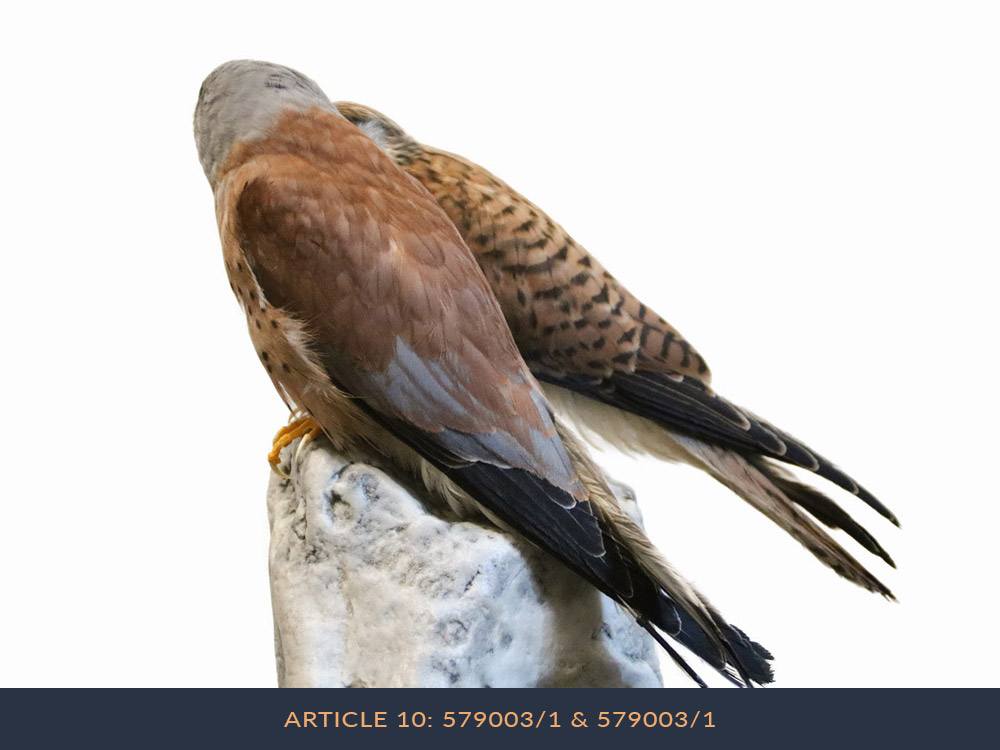
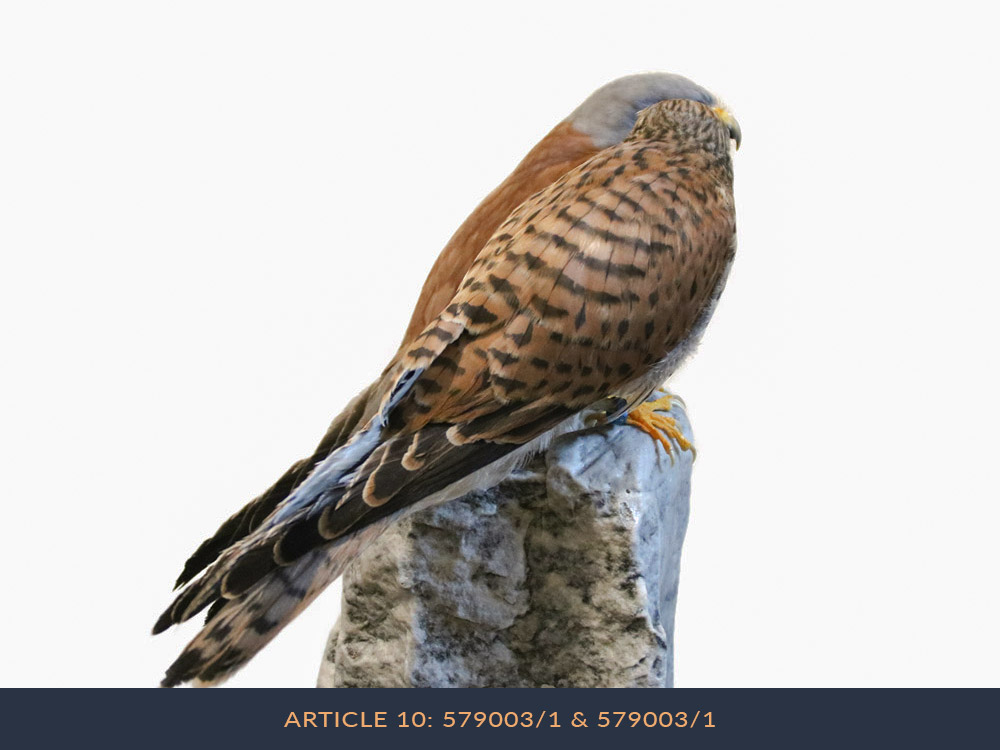
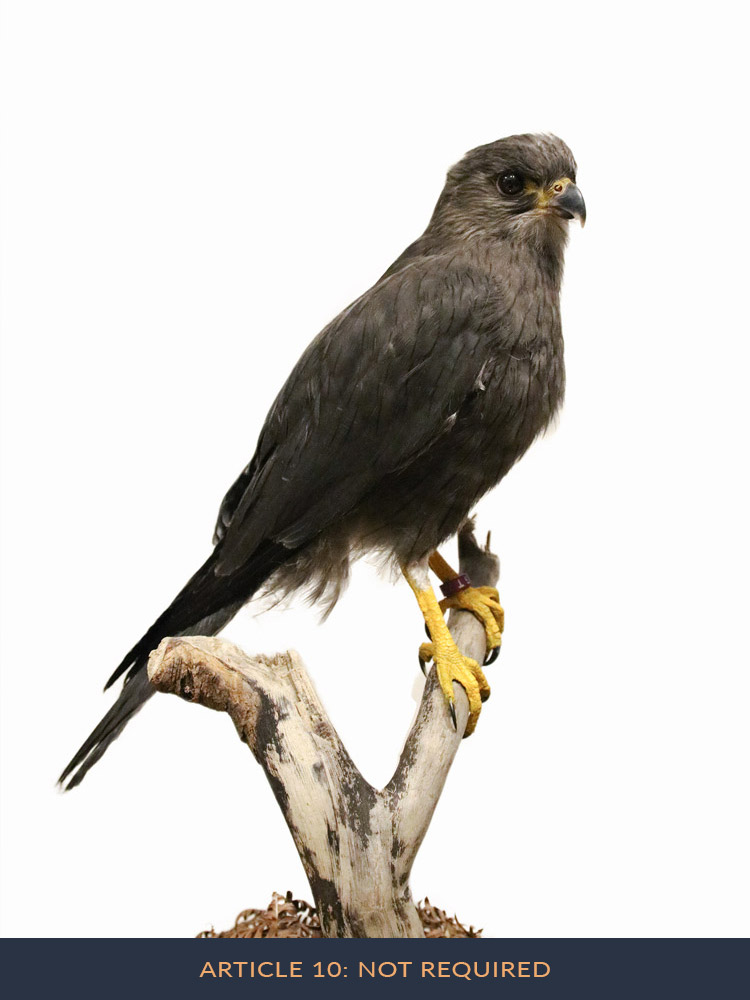
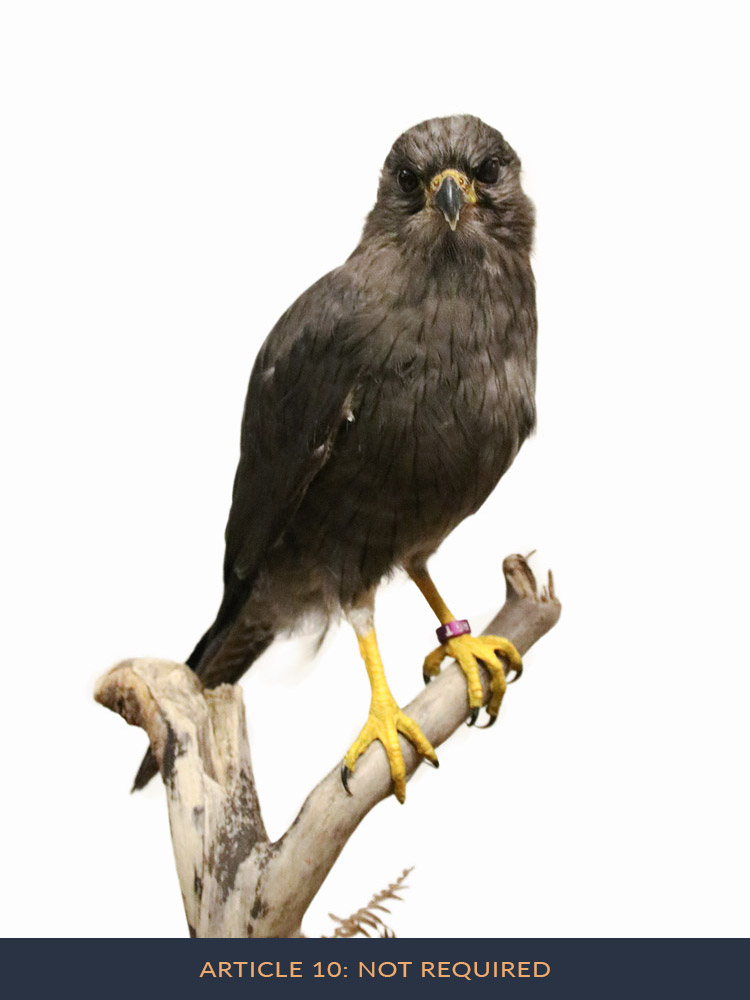
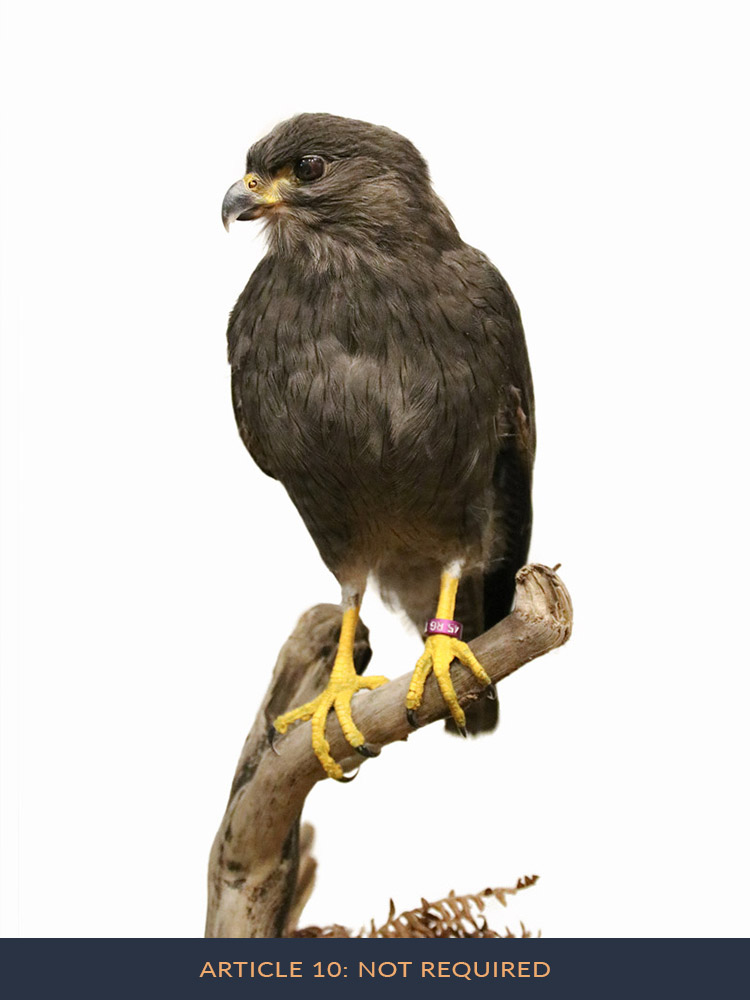
African bird of prey, closest relatives are the Banded Kestrel and Dickensons Kestrel, although virtually identical in looks is the Sooty Falcon. Grey Kestrels have been sporadically imported into the UK and bred here in captivity.
Died of natural causes.
Smallest raptor on the African continent, now extensively bred in captivity in the UK and used for flying displays or falconry. These birds are incredibly aggressive.
Died of natural causes.
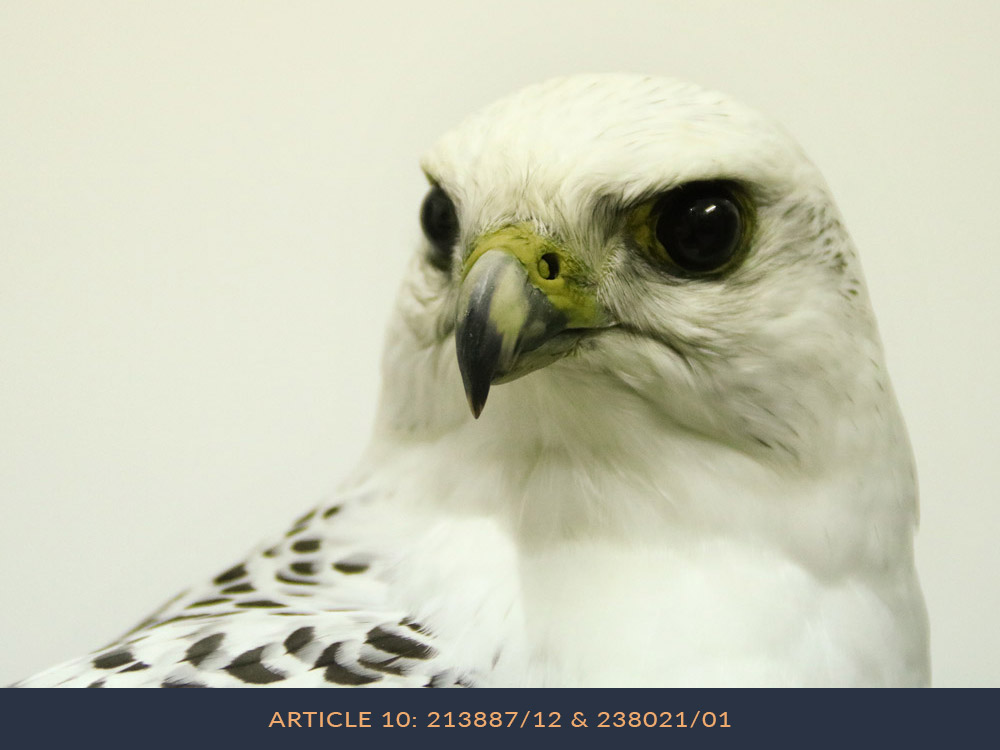
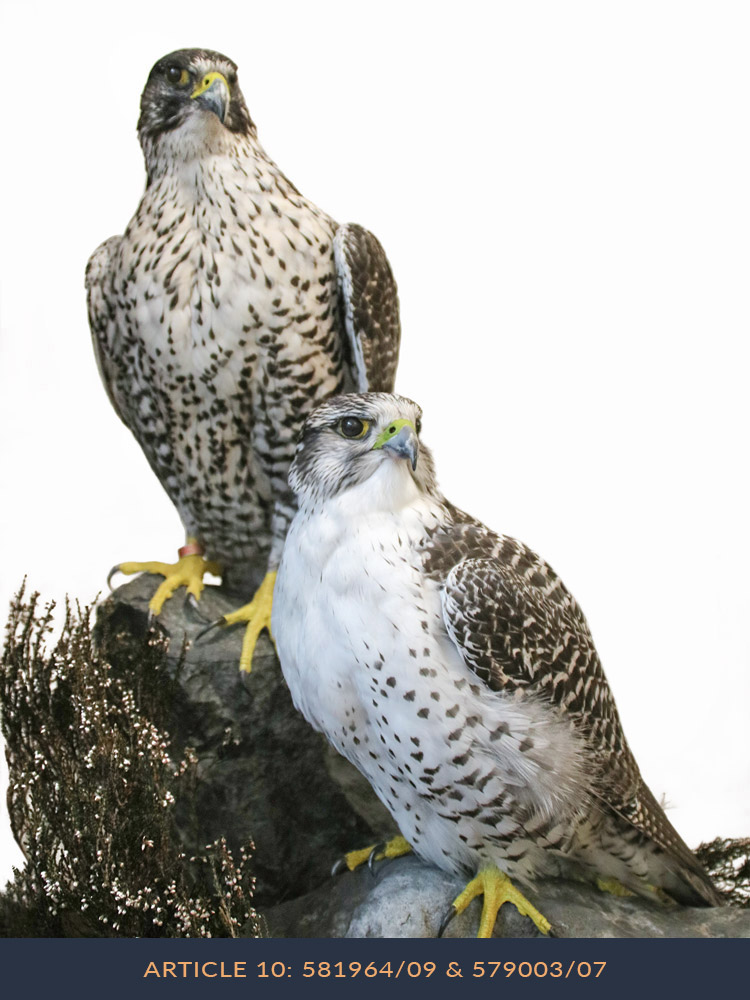
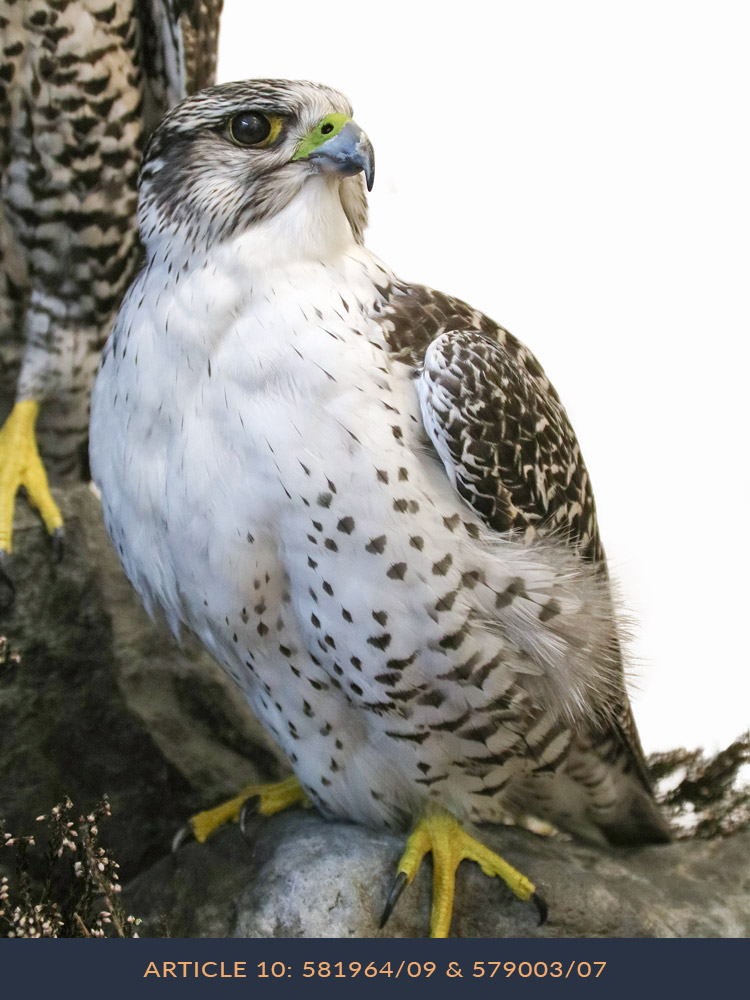
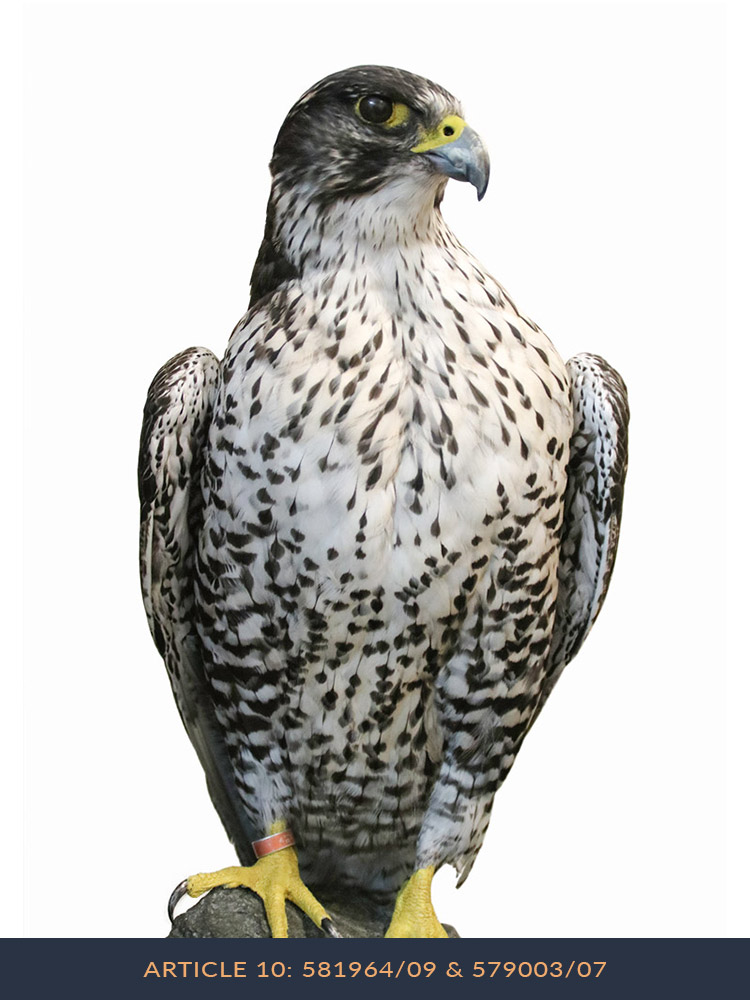
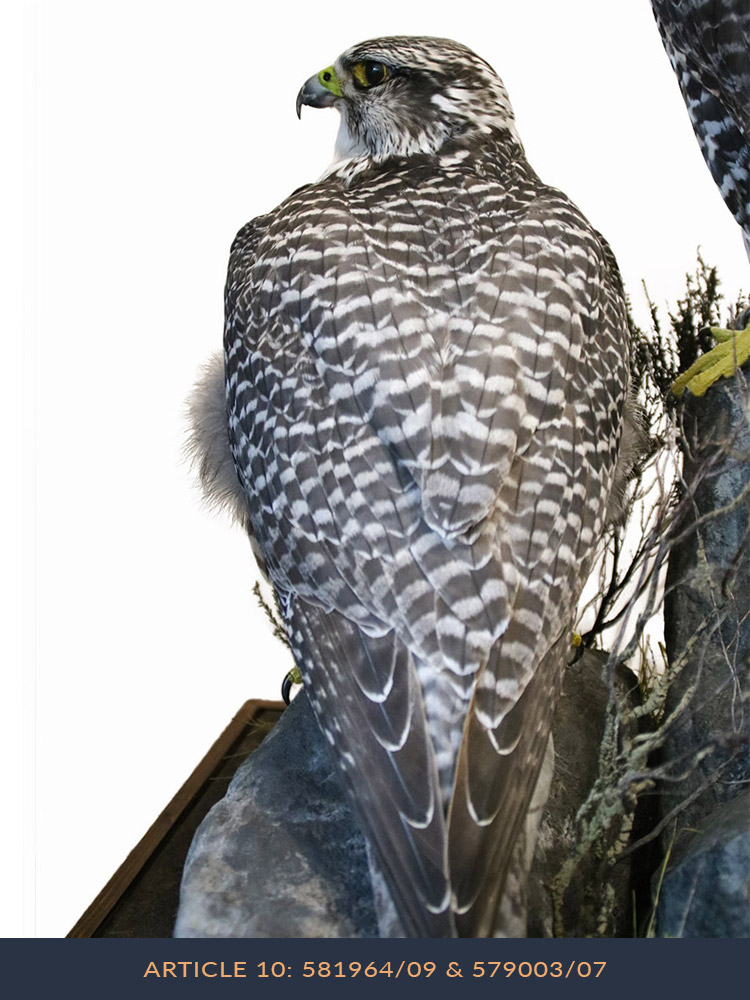
The Icelandic Gyr Falcon is mainly coloured dark grey, white and black, but it is often merged with other sub species. The only true Icelandic Gyr Falcons now are actually found in UK breeding establishments.
In general they have a wingspan of between 41 to 52 inches (105-135 cm) and the females tend to be slightly larger than the males.